
Orange Sparkling Juice Market Growth Creates OEM Opportunities for Global Brands

Featured image: Orange Sparkling Juice Market Growth Creates OEM Opportunities for Global Brands

The global demand for sparkling fruit juices has surged as health-conscious consumers seek alternatives to sugary sodas and artificial beverages. This shift is driving significant market growth, with orange sparkling juice emerging as a favorite due to its familiar flavor and perceived nutritional value. Industry analysts project the sparkling juice segment to expand at a compound annual growth rate of over 8% through 2030, fueled by rising disposable incomes and preference for natural ingredients.

For beverage brands and distributors, this trend presents a strategic window to capture new revenue streams. However, entering this growing category requires reliable manufacturing partners who can deliver consistent quality, scalable production, and cost-effective solutions. OEM/ODM providers like ACM FOOD are now essential enablers for companies aiming to compete in the rapidly evolving sparkling juice landscape.

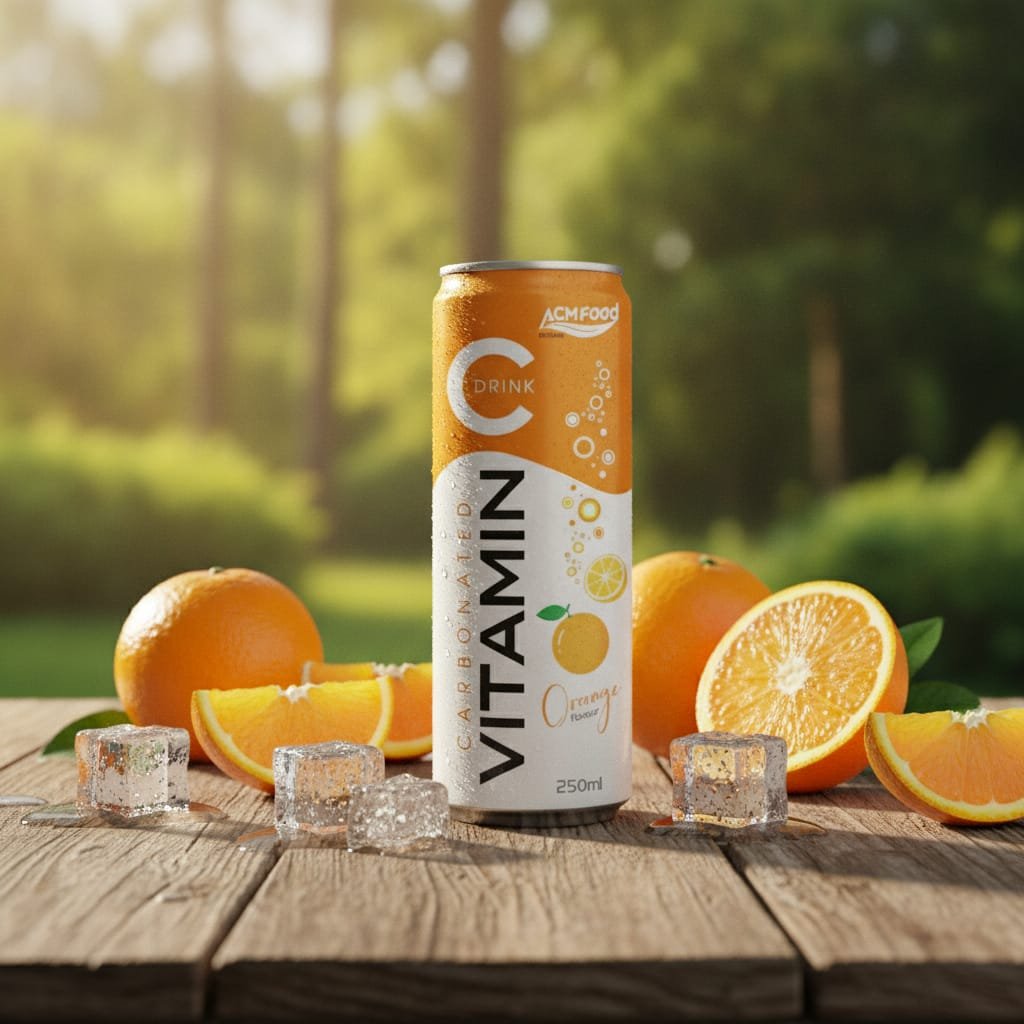
Orange sparkling juice can on a wooden table with fresh oranges and ice cubes
Premium 250ml orange sparkling juice in sleek can

The Surge of Sparkling Juice in the Global RTD Market

Sparkling juice market growth is accelerating as consumers prioritize functional and flavorful beverages with clean labels. Unlike traditional carbonated soft drinks, sparkling juices combine real fruit content with light carbonation, offering a healthier profile. According to recent market research, the segment’s expansion is particularly strong in North America, Europe, and Asia-Pacific, where premiumization trends push brands to innovate with natural ingredients. Orange flavor, with its widespread appeal, accounts for a significant share of this growth. For example, the 250ml ACM Orange Sparkling Juice exemplifies how a well-executed product can capture attention in retail and foodservice channels alike. The convenience of single-serve cans further aligns with on-the-go consumption patterns, making it an ideal entry for importers seeking to refresh their portfolios.

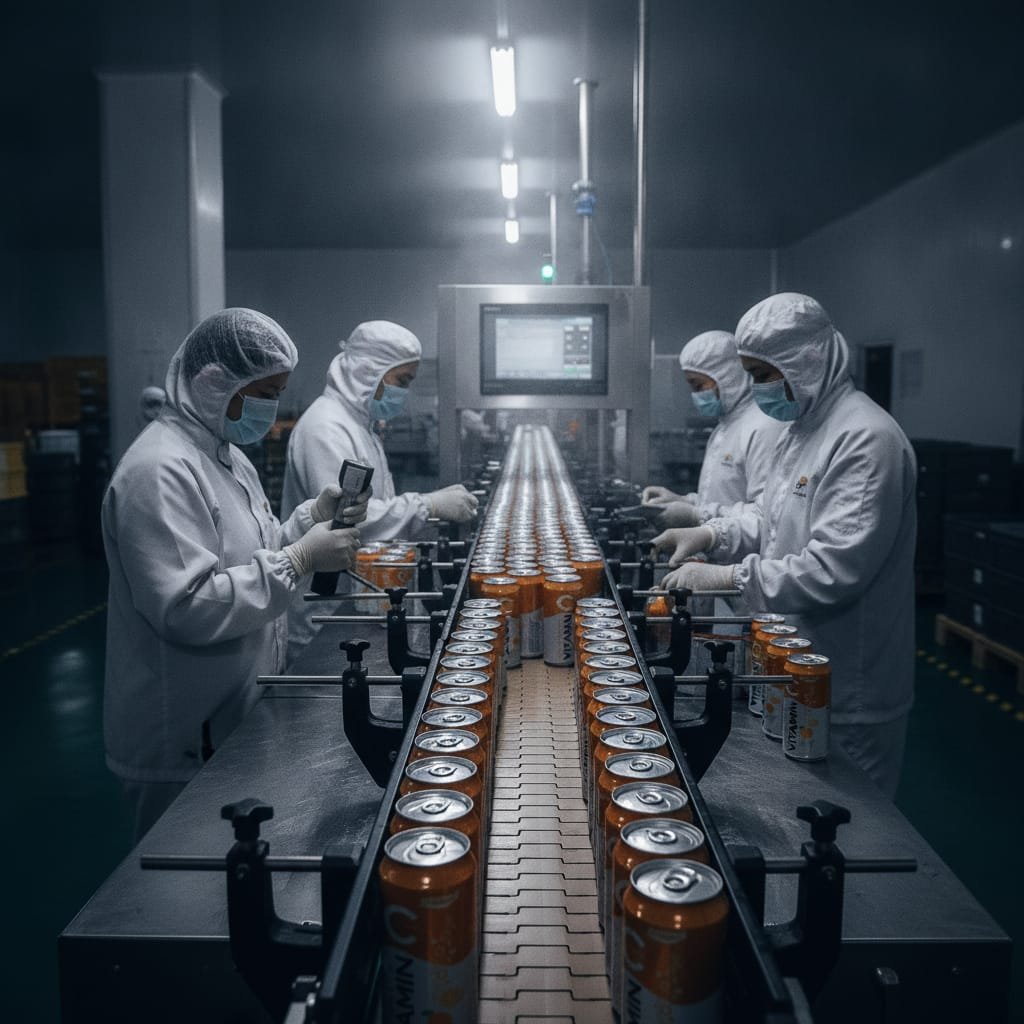
Factory production line with aluminum cans of orange sparkling juice moving along conveyor belt
Automated production line ensures consistent quality for OEM orders
For illustrative purposes only

Why OEM Partnerships Are Critical for Market Entry

Successfully tapping into the sparkling juice market requires more than just a good recipe. Brands face challenges in sourcing high-quality ingredients, maintaining consistent carbonation levels, and meeting strict export regulations. OEM manufacturers bridge these gaps by offering end-to-end production services. ACM FOOD, a leading Vietnamese OEM/ODM supplier, provides flexible solutions from concept to finished goods. Its modern factory, certified with FSSC 22000, ISO, HALAL, and KOSHER, ensures products like the orange sparkling juice meet international standards for safety and quality. This capability allows global brands to launch private label products quickly without heavy capital investment in production lines. For distributors evaluating suppliers, a partner’s ability to handle volume fluctuations and custom formulations becomes a decisive factor in long-term competitiveness.

Innovation and Customization Through OEM/ODM

Beyond standard production, OEM partners offer innovation engines for flavor development, packaging design, and market adaptation. The 250ml ACM Orange Sparkling Juice can be customized with varying sweetness levels, organic certification, or unique flavor blends to suit regional preferences. This flexibility is critical for brands aiming to differentiate in crowded retail environments.

Flavor Development and Recipe Formulation

R&D teams at OEM facilities work closely with clients to create proprietary recipes. For orange sparkling juice, this might involve optimizing the balance between juice content and carbonation for a refreshing mouthfeel. Testing multiple prototypes before scaling to mass production reduces risks and accelerates time-to-market. ACM FOOD’s in-house lab ensures that every batch meets organoleptic and nutritional specifications, allowing importers to confidently present products to discerning consumers.

Packaging Flexibility and Private Label

Packaging is a key differentiator in the sparkling juice category. ACM FOOD offers a range of formats including 250ml aluminum cans, slim cans, and even PET bottles. The orange sparkling juice is available in sleek cans that appeal to modern aesthetics and support premium branding. Private label services enable retailers and distributors to build their own brand equity without upfront factory costs. This approach has proven successful in markets where consumers trust local or house brands as much as national labels.

Shipping container loaded with pallets of orange sparkling juice cans ready for export
Export-ready pallets of orange sparkling juice at ACM FOOD facility
For illustrative purposes only

Export Logistics and Regulatory Compliance for Global Distribution

Expanding a sparkling juice brand internationally involves navigating complex customs, labeling laws, and certification requirements. ACM FOOD’s location in Ho Chi Minh City with direct access to port facilities streamlines shipping to key markets like the USA, EU, and Middle East. The company’s expertise in handling fresh fruit juice and sparkling water drink categories ensures that documentation and quality checks meet destination country standards. For example, products destined for the EU must comply with juice content regulations, while US imports require FDA facility registration. A seasoned OEM partner mitigates these complexities, allowing brands to focus on marketing and distribution. The ability to adapt formulations to local taste preferences—such as reducing acidity for Middle Eastern palates—further enhances export success.

Strategic Recommendations for Distributors and Importers

For beverage buyers evaluating suppliers, the choice of an OEM partner directly impacts product quality and market speed. Key factors include certification portfolio, production capacity (exceeding 300 containers monthly), and willingness to accommodate low MOQs for trial runs. As the sparkling juice market continues its upward trajectory, early movers who secure reliable manufacturing partnerships will likely capture premium shelf space and consumer loyalty. Conducting factory audits and requesting sample shipments remain essential steps before long-term commitment. The 250ml can format, in particular, offers an efficient entry point for testing demand without excess inventory risk.

Frequently Asked Questions

What is driving the sparkling juice market growth?

Rising health awareness, desire for natural ingredients, and innovation in carbonation technology are key drivers. Consumers are moving away from artificial sodas toward beverages that offer real fruit juice with light effervescence, creating a strong growth trajectory for the segment.

How can OEM manufacturers help brands enter this market?

OEM partners provide turnkey solutions including recipe development, packaging customization, regulatory compliance, and scalable production. This reduces capital expenditure and time-to-market for brands, allowing them to focus on brand building and distribution.

What certifications should I look for in an OEM supplier for sparkling juice?

Essential certifications include FSSC 22000, ISO 22000, HALAL, KOSHER, and organic (USDA, EU) if required. These ensure compliance with international food safety standards and facilitate export to regulated markets like the US, Europe, and Middle East.

Is the 250ml can size ideal for retail and foodservice?

Yes, the 250ml can offers a single-serve portion that is convenient for on-the-go consumption, vending, and restaurant beverage programs. Its lightweight and recyclable nature also aligns with sustainability trends, appealing to environmentally conscious consumers.

What are the typical MOQs for private label sparkling juice?

Minimum order quantities vary by supplier. ACM FOOD offers flexible MOQs to accommodate both large-scale launches and test-market runs. Typically, a 20-foot container (around 1,400-1,500 cases) is a common starting point, but smaller quantities can be negotiated for sampling or niche markets.

Related blogs insights

ACM Carbonated Energy Drink Functional Benefits Drive OEM Innovation in Global Markets

Discover how ACM's OEM carbonated lemon-lime energy drink leverages functional benefits to drive global growth. [...]

1 Comment

Vietnam International Sourcing & Ho Chi Minh City Export Forum 2025

Contents1 From September 4 to 6, 2025, the Vietnam International Sourcing in combination with the [...]

1 Comment

The Health Benefits of Drinking Vegetable and Fruit Juices

Contents1 1. Nutrient-Rich Hydration2 2. Enhanced Digestive Health3 3. Detoxification and Cleansing4 4. Weight Management5 [...]

1 Comment

Prebiotic Coconut Water Innovation Drives Functional Hydration Market Growth

Explore how prebiotic coconut water innovation is driving functional hydration market growth. Learn about B2B [...]

1 Comment

Real Lemon and Ginger Hibiscus Tea Drives Premium Functional Beverage Growth Through OEM Innovation

As consumer demand for functional beverages soars, premium hibiscus tea with real lemon and ginger [...]

Tropical Superfruit Innovation Reshapes Functional Beverage Market Growth

Explore how tropical superfruit innovation reshapes the functional beverage market, with a case study on [...]

2 Comments

Leave a Reply

Your email address will not be published. Required fields are marked *