














Organic juice is made from produce grown to certified standards: no synthetic pesticides, no synthetic fertilisers, no GMO seed. The evidence that this cuts pesticide residue is strong. The nutritional case is weaker: meta-analyses report higher polyphenols in organic crops, but vitamin C and mineral differences are inconsistent, and 1 serving still counts as 1 portion either way.
Key facts at a glance
- What certification guarantees: farming method and residue limits — not higher vitamin content.
- Strongest reason to buy organic: lower pesticide residue, especially on thin-skinned produce.
- Nutrient difference: some studies find higher polyphenols in organic produce; results vary by crop, season and soil.
- Where it matters most: celery, leafy greens, apples, citrus you juice with the peel.
- Where it matters least: thick-skinned fruit you peel, such as pineapple or banana.
- Organic does not mean: low sugar, pasteurisation-free, or more vitamin C.
What “organic” actually certifies
Organic is a legal farming standard, not a nutrition claim. To carry certification — USDA Organic, EU Organic, JAS or equivalent — the whole chain from seed to bottle must comply:
- No synthetic pesticides. Certain naturally derived pesticides are permitted, which is a point often missed: organic is not pesticide-free.
- No synthetic fertilisers. Compost, green manure and crop rotation instead.
- No GMO seed.
- Restricted processing aids and additives in the finished product.
What certification does not guarantee is vitamin content, sugar level or freshness. An organic apple juice and a conventional one can be nutritionally near-identical. The difference is in how the fruit was grown.
Is organic juice more nutritious?
Partly, and less than the marketing suggests. The honest summary:
| Claim | Evidence |
|---|---|
| Lower pesticide residue | Strong. Consistently demonstrated across crops. |
| Higher polyphenols and antioxidants | Moderate. Several meta-analyses find higher levels, but ranges are wide and vary by crop. |
| Higher vitamin C | Weak and inconsistent. Ripeness and handling matter far more. |
| Higher minerals | Weak. Driven mostly by soil, not certification. |
| Better measured health outcomes | Not established. Long-term trials are difficult and few. |
The practical conclusion: buy organic where residue matters most — produce with edible or thin skin — and do not pay a premium expecting a different nutrition label.
Organic vegetable juices worth buying
Celery juice
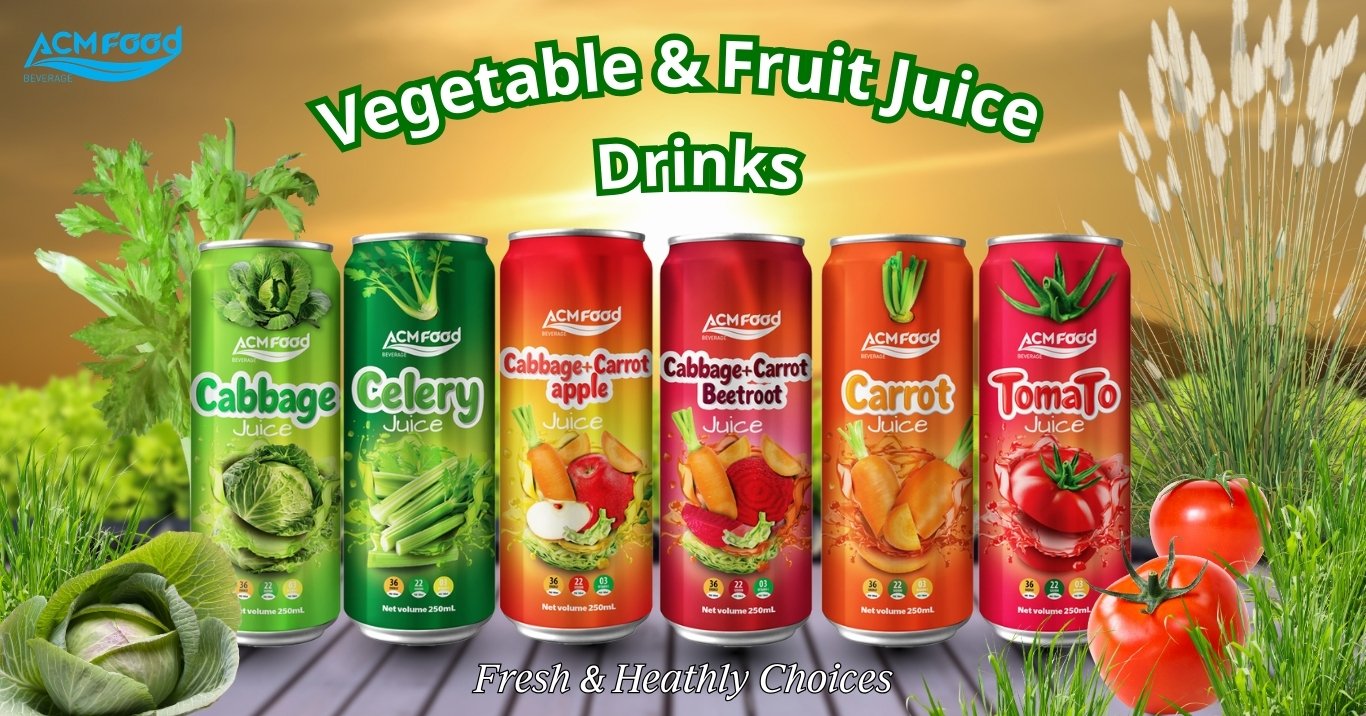
Celery consistently appears near the top of pesticide residue rankings, and the stalk is juiced whole with nothing peeled away. That makes it one of the clearest cases for choosing organic. Celery juice itself is low in calories, high in water and a source of potassium and vitamin K. It is not a cure for inflammation, and the wellness claims attached to it far exceed the evidence.
Carrot juice
Carrot juice is an excellent source of beta-carotene, and juicing makes carotenoids more bioavailable than eating the raw vegetable — one of the few cases where processing genuinely improves absorption. Its natural sweetness also makes it the standard base for masking bitter greens. It does not detoxify the liver; nothing you drink does.
Beetroot juice
The one vegetable juice with a specific, well-replicated mechanism. Beetroot is high in dietary nitrate, which the body converts to nitric oxide, widening blood vessels. Controlled trials show modest blood pressure reductions and improved exercise endurance. This is real, and it is narrow — it says nothing about juice in general.
Leafy greens: kale, spinach, lettuce
High in vitamin K, folate and carotenoids, and like celery they are eaten whole, so residue matters. Two cautions: green juices are high enough in vitamin K to interact with warfarin, and spinach is high in oxalate, which is relevant for people prone to kidney stones. They do not “alkalise” the body — blood pH is tightly regulated and food does not shift it.
Organic fruit juices worth buying
Apple juice
Apples are routinely near the top of residue rankings, so organic is worth it here. Apple juice is naturally balanced in sweetness and needs no added sugar. Note that most pectin — the fibre usually cited as its benefit — remains in the pulp and skin, so clear filtered apple juice contains very little of it.
Citrus juices
Oranges, tangerines and grapefruit are strong vitamin C sources. Organic matters here mainly if you use the zest or juice with the peel, since residues concentrate in the rind. For juice pressed from peeled fruit, the difference is smaller. Grapefruit interacts with a long list of medications — check if you take any.
Pomegranate juice
Genuinely high in punicalagins and anthocyanins, with reasonable evidence for cardiovascular markers. The widely repeated claim that it has “three times the antioxidants of green tea or red wine” comes from a single marketing-funded comparison and should not be treated as a general fact.
Pineapple juice
Rich in vitamin C and manganese. The bromelain often cited as a digestive aid is largely inactivated by pasteurisation, and what survives is denatured by stomach acid — so a commercial pineapple juice is not a digestive enzyme supplement. Pineapple has thick skin and low residue risk, making it one of the weakest cases for paying an organic premium.
Claims about organic juice that do not hold up
- “It detoxifies the body.” The liver and kidneys do this continuously. No juice, organic or not, improves their function.
- “It alkalises the body.” Blood pH is held between 7.35 and 7.45 by respiratory and renal buffering. Diet does not move it.
- “Organic juice has no preservatives, so it is fresher.” Shelf-stable organic juice is still pasteurised. Certification governs ingredients, not processing.
- “Children need organic because their detox systems are immature.” The sound version of this is simply that children have lower body weight, so residue exposure per kilogram is higher. That is a real reason to prefer organic — the physiology framing is not.
- “Organic means no pesticides.” Organic farming permits specific naturally derived pesticides. It means different and more restricted, not none.
Three blends that work
- Celery + cucumber + green apple + lemon. Low sugar, high water. The apple makes it drinkable; the lemon keeps it from tasting green.
- Carrot + orange + ginger. Carotenoids plus vitamin C, with ginger for warmth. The best-absorbed of the three.
- Beetroot + apple + pineapple. Nitrate from beetroot, with apple and pineapple to cut its earthiness.
Drink within 20 minutes of pressing. Vitamin C oxidises on contact with air, and the loss over hours is far larger than any difference between organic and conventional produce.
Frequently asked questions
Is organic juice healthier than regular juice?
It reliably contains less pesticide residue. On vitamins, minerals and sugar it is broadly comparable, and sugar content is identical for the same fruit. “Healthier” depends on whether residue reduction is what you are buying.
Which juices are most worth buying organic?
Those made from produce eaten or pressed whole: celery, leafy greens, apples, strawberries and citrus juiced with the peel. Thick-skinned fruit such as pineapple, banana and avocado carry the lowest residue risk, so the premium buys least there.
Does organic juice contain less sugar?
No. The sugar in 100% juice comes from the fruit, and an organic orange contains the same sugar as a conventional one. Check the label rather than the certification.
Is organic juice free of preservatives?
Organic standards restrict additives sharply, but shelf-stable organic juice is still heat-treated or aseptically filled for safety. Absence of chemical preservatives is not the same as absence of processing.
Does organic juice really have more antioxidants?
Several meta-analyses report higher polyphenol levels in organic crops, but the ranges are wide and vary with crop, season and soil. Treat it as a plausible modest advantage, not a headline number. Ripeness at harvest and time since pressing affect the glass in front of you far more.
Can I drink organic juice every day?
One 150–250 ml serving per day fits standard guidance on 100% juice, organic or not. Low-sugar vegetable juices can be taken more freely; fruit juice counts as free sugars regardless of how it was farmed.
Organic and conventional juice at commercial scale
ACM Beverage manufactures vegetable and fruit juices in Vietnam under OEM and private label terms, in facilities certified to ISO 22000, FSSC 22000 and HACCP, exporting to more than 40 countries. Organic certification is handled per project, since it depends on the raw material chain and the destination market’s standard — USDA, EU and JAS each certify differently.
See the vegetable drinks range (17 SKUs), the fresh fruit juice range (175 SKUs), or read what vegetable and fruit juices genuinely do. To discuss certification or formulation, contact our export team.
This article is general nutrition information, not medical advice. Consult a qualified healthcare professional about your own diet.






