Fruit Juice
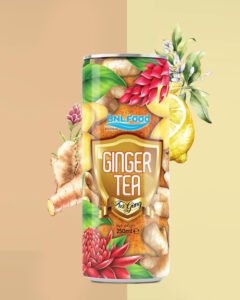
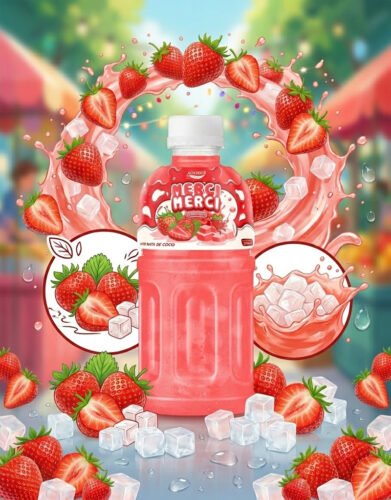
Sparkling, Energy & More
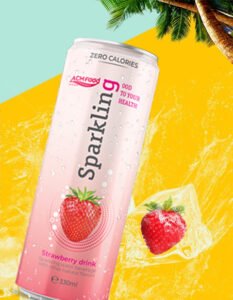
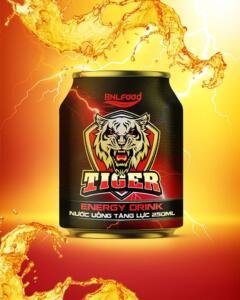
More drinks
500+ products ready for OEM, ODM and private label.


ACM FOOD Beverage — Industry insights
Featured
Blog
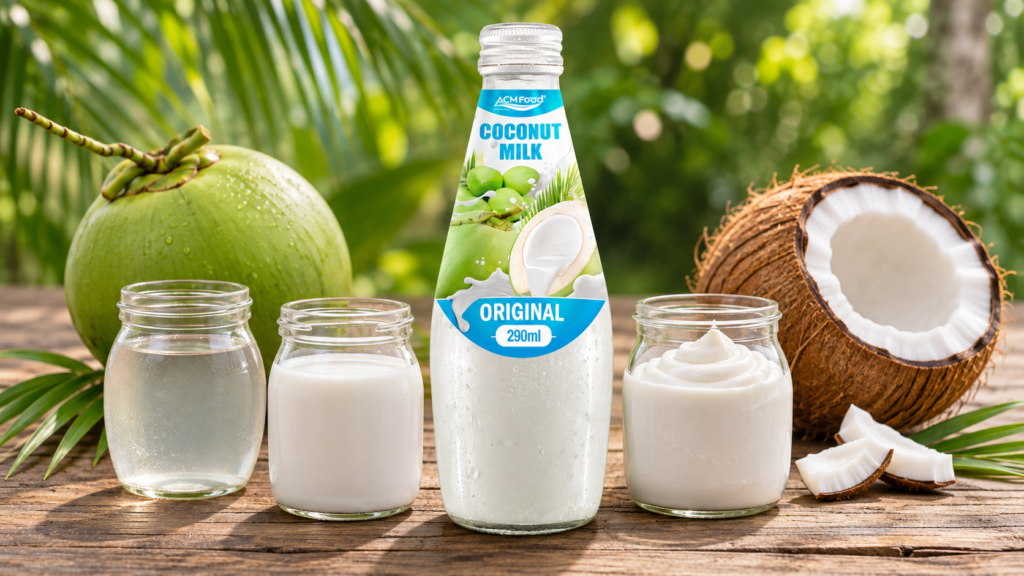
Coconut water, coconut milk and coconut cream all come from coconuts, but they are completely different products. Coconut water is the clear liquid found inside young green coconuts, light and naturally sweet. Coconut milk is made by grating the white flesh of mature coconuts and pressing it with water, giving a rich, creamy liquid. Coconut cream is a thicker, higher-fat...
Read the articleAll articles
Fresh analysis on RTD formats, tropical ingredients and OEM manufacturing for global brands.
Blog
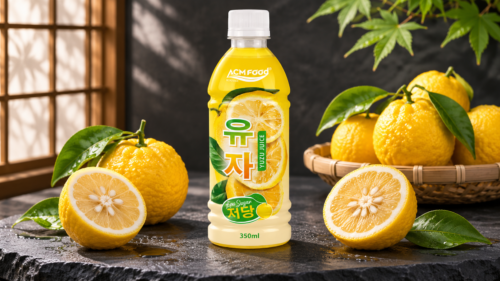
Yuzu is a small, aromatic citrus fruit from East Asia, widely used in Japanese and Korean cooking, with a flavour often described as a mix of lemon, mandarin and grapefruit. It is prized more for its intensely fragrant rind and tart juice than for eating...
Blog
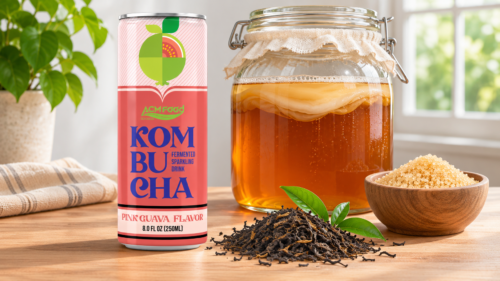
Kombucha does contain a small amount of alcohol, because the yeast that ferments sweetened tea produces ethanol along with carbon dioxide. In most commercial kombucha sold as a soft drink, the alcohol level is kept very low, and in the United States a kombucha must...
Blog
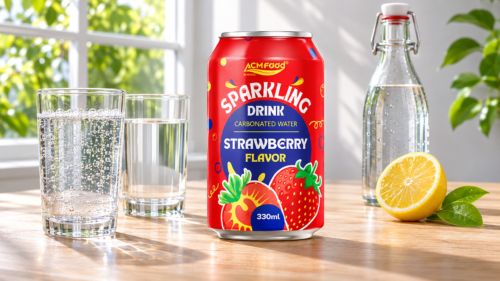
Yes, plain sparkling water hydrates you about as well as still water. It is simply water with dissolved carbon dioxide, and research comparing different drinks has found that carbonated water and still water have a similar effect on how much fluid the body retains. The...
Blog
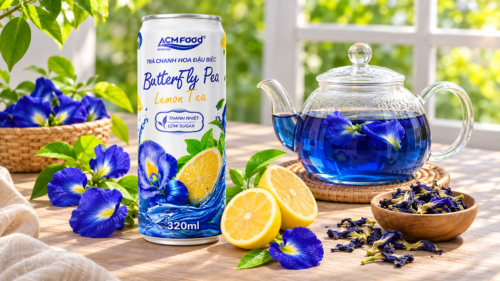
Butterfly pea tea is a naturally blue drink made from the flowers of Clitoria ternatea, and it turns purple or pink when lemon or another acid is added. The colour change happens because the flower’s natural pigments, a type of anthocyanin, shift colour as the...
Blog
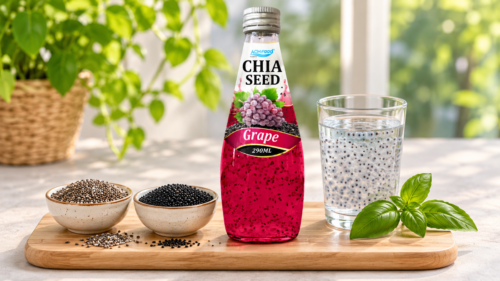
Chia seeds and basil seeds look similar at a glance, since both are tiny dark seeds that form a gel coating when soaked, but they come from different plants and behave differently in drinks. Basil seeds swell almost instantly into large, soft, jelly-coated beads, while...
Blog
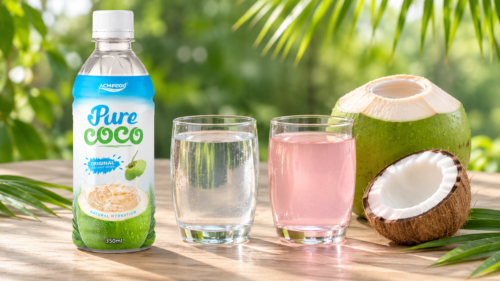
Coconut water can turn pink naturally when compounds called polyphenols react with oxygen, a process helped by an enzyme in the coconut called polyphenol oxidase. The colour change is similar to the way a cut apple turns brown, and in coconut water it often appears...
Blog
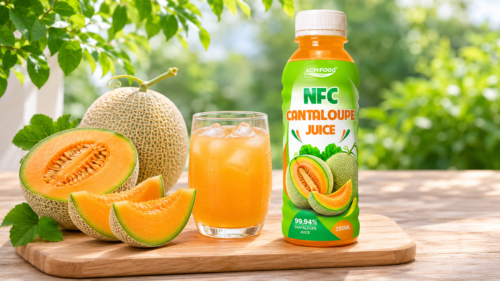
Cantaloupe juice is a sweet, fragrant, pale orange juice made from ripe cantaloupe melons, with a soft, musky aroma and a smooth, slightly thick texture. It is valued for its refreshing taste and its natural orange colour, which comes from beta-carotene, a pigment the body...
Blog
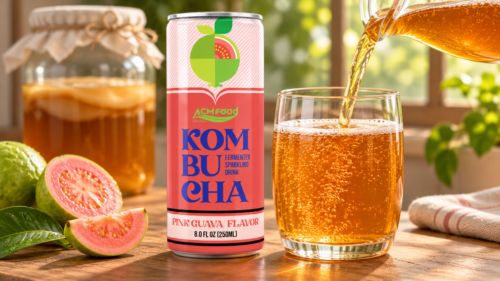
Kombucha is naturally carbonated, but only lightly and not always consistently. The bubbles come from carbon dioxide produced by yeast during fermentation, and how much of that gas stays in the drink depends on whether the kombucha is fermented a second time in a sealed...
Blog
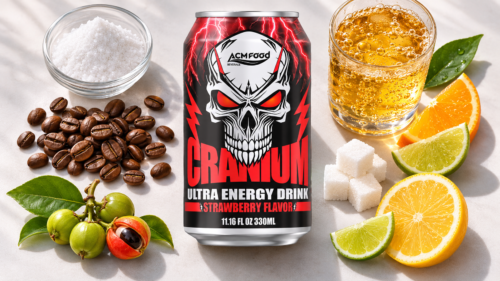
Most energy drinks are built from the same core ingredients: water, caffeine, sugar or sweeteners, taurine, a group of B vitamins, acids, flavourings and often carbon dioxide. Caffeine is the main active ingredient behind the alert feeling people associate with energy drinks, while sugar provides...