


Cantaloupe juice is a sweet, fragrant, pale orange juice made from ripe cantaloupe melons, with a soft, musky aroma and a smooth, slightly thick texture. It is valued for its refreshing taste and its natural orange colour, which comes from beta-carotene, a pigment the body can convert into vitamin A.
This guide explains what cantaloupe juice tastes like, what beta-carotene means for its nutrition, why freshly made melon juice spoils much faster than citrus juice, how bottled cantaloupe juice is processed to stay stable and how to serve and store it. It also covers muskmelon, a name often used for the same or closely related fruit.
What is cantaloupe juice?
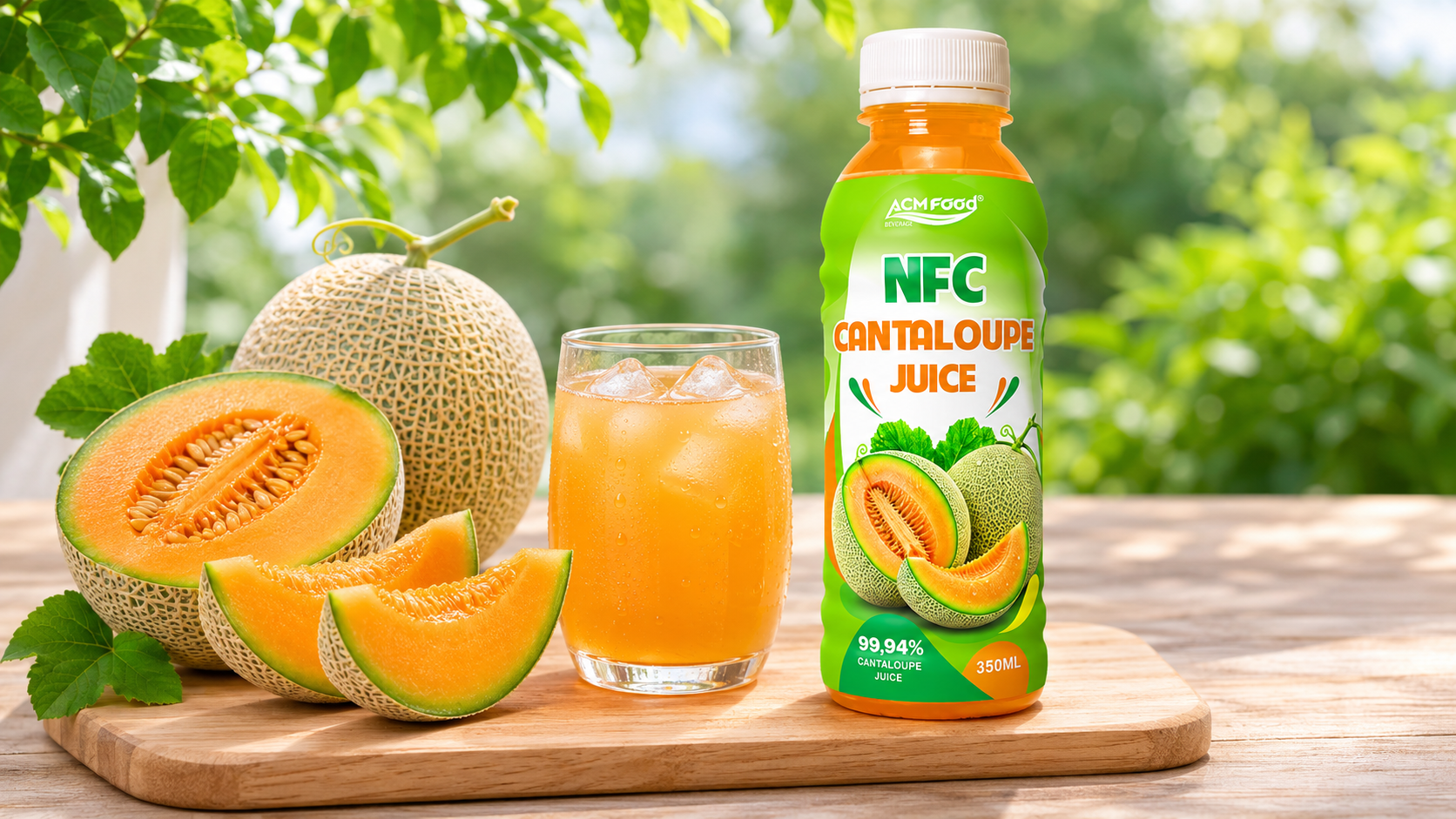
Cantaloupe juice is the juice of ripe cantaloupe melons, Cucumis melo var. cantalupensis or the closely related netted melons sold under the same name, blended or pressed and usually strained to a smooth drink. It has a pale to bright orange colour and a sweet, aromatic flavour.
The name “cantaloupe” covers slightly different fruits in different regions. In North America, cantaloupe usually means a netted, orange-fleshed muskmelon. In Europe, the true cantaloupe has a smoother, ribbed rind. In South Asia, muskmelon is the common name. For juice, the key features are the same: orange flesh, high water content and a strong, sweet aroma.
Cantaloupe juice is popular in hot climates as a cooling drink and is common at juice bars in South and Southeast Asia, the Middle East and the Americas. Bottled versions are less common than orange or apple juice, partly because melon juice is challenging to keep stable.
What does cantaloupe juice taste like?
Cantaloupe juice tastes sweet, mellow and musky, with floral and honeyed notes and very little acidity. It feels smooth and slightly creamy rather than sharp. The aroma is distinctive and is often the first thing people notice when the bottle or glass is opened.
Its taste depends on:
- Ripeness: fully ripe melons give the sweetest, most aromatic juice; underripe melons taste watery and bland.
- Variety: some melons are more musky, others more floral or honey-like.
- Processing: heat treatment can soften fresh aroma and add slightly cooked notes.
- Blending: lime, mint or ginger can brighten the flavour; other fruits change its profile.
Because cantaloupe juice is low in acid, many recipes add a little lemon or lime juice. This not only sharpens taste but also helps with stability, as discussed below.
Does cantaloupe juice contain vitamin A?
Cantaloupe is a source of beta-carotene, an orange carotenoid pigment that the body can convert into vitamin A. Its bright orange flesh reflects this, and cantaloupe is often listed among fruits that contain notable amounts of beta-carotene. Some of it carries over into cantaloupe juice.
The amount in a particular juice depends on the melon variety, ripeness, how much of the flesh is used and how the juice is processed. Filtering, dilution and heat can all reduce the carotenoid content per glass compared with eating the fruit. For exact values, the nutrition panel of a specific product is the only reliable source.
Cantaloupe also contains vitamin C and potassium, along with a lot of water, which explains its refreshing quality. As with all fruit juices, cantaloupe juice provides natural sugars and less fibre than the whole fruit. These nutrients describe what the juice contains; they do not mean it delivers any particular health effect.
Why does fresh cantaloupe juice spoil so fast?
Fresh cantaloupe juice spoils quickly because it is low in acid, high in water and natural sugars, and comes from a fruit whose rind can carry microorganisms. Without acidity to slow their growth, bacteria and yeasts multiply rapidly at room temperature, and enzymes in the flesh start changing flavour and texture soon after cutting.
Several factors combine:
- Low acidity: melon juice has a much higher pH than citrus juice, so it offers less natural protection against microbes.
- Netted rind: the rough surface of netted melons can trap soil and microorganisms, which can transfer to the flesh when cutting.
- High sugar and water: an ideal environment for microbial growth once the fruit is cut.
- Enzyme activity: natural enzymes alter aroma and can create off-flavours over hours.
- Aroma volatility: the delicate musky aroma fades quickly after juicing.
This is why freshly made cantaloupe juice should be kept cold and drunk soon after making, and why washing the rind thoroughly before cutting is a common food safety recommendation for netted melons.
| Factor | Cantaloupe juice | Orange juice |
|---|---|---|
| Acidity | Low | High |
| Natural protection against microbes | Limited | Greater, due to acidity |
| Aroma stability | Fragile | More robust |
| Fresh juice shelf life when chilled | Very short | Short |
| Typical processing need | Careful acidity control and heat treatment | Heat treatment; acidity already helps |
How is bottled cantaloupe juice kept stable?
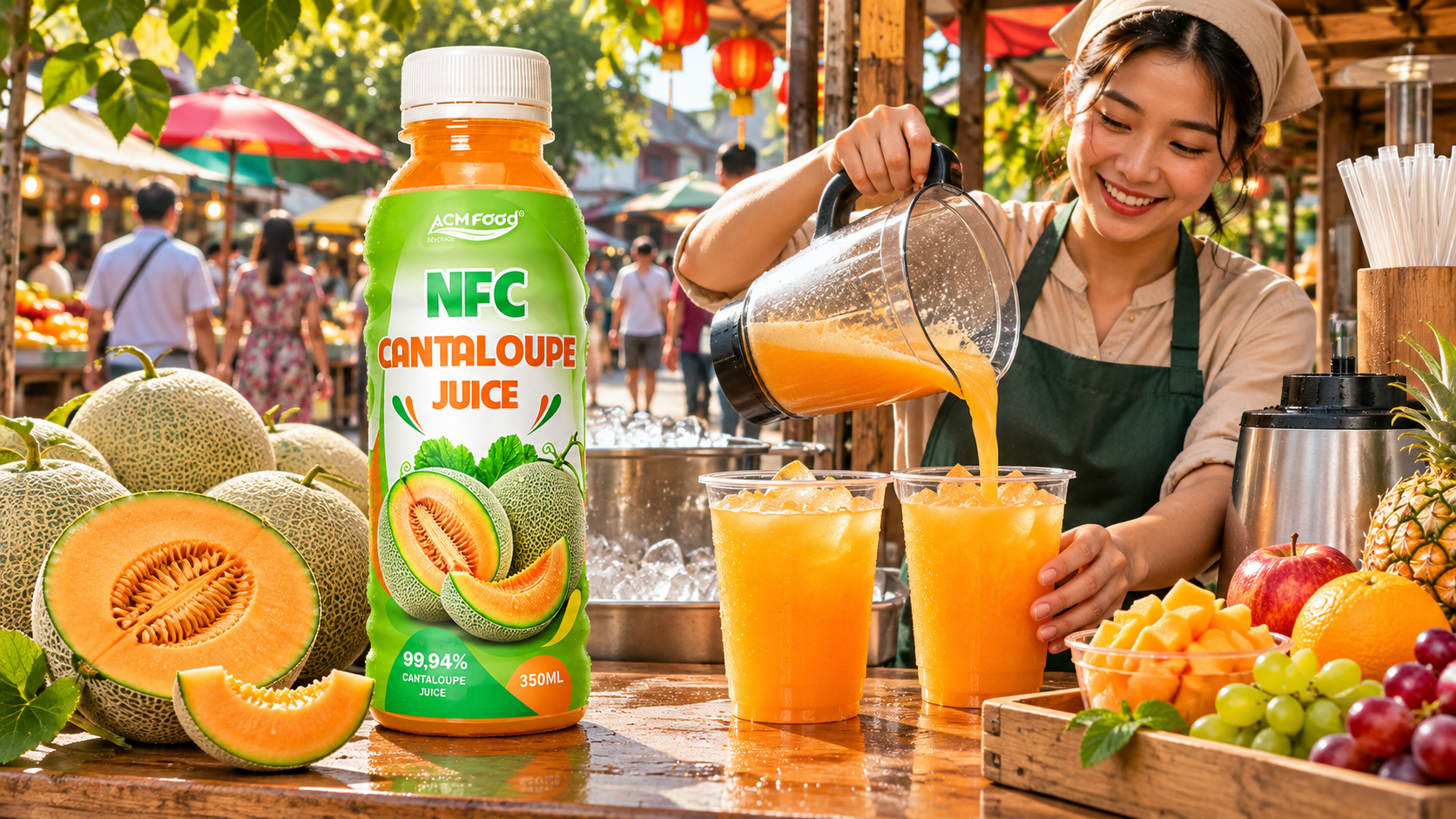
Bottled cantaloupe juice is kept stable by careful hygiene, adjusting acidity, heat treatment and sealed packaging. Producers wash and sanitise the melons, extract the juice quickly, often add a little acid such as citric acid or lemon juice, then heat-treat and fill the juice so it can be stored before opening.
The main control steps are:
- Raw material washing: thoroughly cleaning the netted rind before cutting.
- Rapid processing: extracting juice quickly to limit enzyme and microbial activity.
- Acidity adjustment: lowering pH with permitted acids to improve stability and brighten taste.
- Heat treatment: inactivating microorganisms and enzymes so the juice is shelf stable.
- Sealed filling: closing bottles to prevent recontamination.
Heat can soften cantaloupe’s delicate aroma, so producers balance safety and flavour. Some recipes blend in other fruits or natural flavours to support the melon character after processing. The difference between real fruit juice and flavourings, and how each appears on labels, is explained in our guide to fruit juice vs natural flavour.
How do you choose a ripe cantaloupe for juice?
A ripe cantaloupe for juice feels heavy for its size, has a sweet, musky smell at the stem end and shows netting that is raised and well defined over a beige or golden background rather than green. The blossom end, opposite the stem, should give slightly under gentle pressure.
Ripeness matters more for melon juice than for many other fruits, because cantaloupe does not gain much sweetness after harvest. An underripe melon gives a pale, watery juice with little aroma, while an overripe one can taste fermented or flat. Juice producers face the same challenge at larger scale, which is why they grade fruit carefully and process it quickly after it reaches the right stage.
Where is cantaloupe juice popular?
Cantaloupe and muskmelon juice is especially popular in hot climates. In India and Pakistan, muskmelon juice and milkshakes are a summer favourite, and in the Middle East melon juices are common at juice shops. In Mexico and Central America, melon agua fresca, a light blend of melon, water and lime, is a classic street drink. In Southeast Asia, melon flavours appear in juices, desserts and bubble tea.
Outside these regions, cantaloupe juice is still a niche product, which gives retailers a way to add an unusual, refreshing option to a juice shelf dominated by orange and apple.
Cantaloupe vs honeydew vs watermelon juice
Cantaloupe juice is muskier and more aromatic than honeydew juice, which is lighter, greener and more delicately sweet, while watermelon juice is the most watery and refreshing of the three, with a crisp, clean taste. All three are low in acid and share similar stability challenges.
- Cantaloupe: orange, musky, rich aroma, slightly creamy.
- Honeydew: pale green, mild, honey-sweet, clean finish.
- Watermelon: red or pink, very light, crisp and thirst-quenching.
Melon juices are often blended together or with citrus and mint to create refreshing summer drinks.
How do you make cantaloupe juice at home?
To make cantaloupe juice at home, wash the melon rind well, cut the melon, scoop out the seeds, cube the flesh and blend it with a little cold water and lime juice. Strain if you prefer a smoother drink, then serve immediately over ice.
- Scrub the rind under running water before cutting.
- Halve the melon, remove seeds and cut away the rind.
- Blend the flesh with a splash of cold water.
- Add a squeeze of lime or lemon and a few mint leaves, if you like.
- Strain through a fine sieve for a lighter texture.
- Drink straight away or keep chilled and use within a short time.
Is cantaloupe juice high in sugar?
Cantaloupe juice contains natural fruit sugars, and because juice concentrates the liquid part of the fruit while leaving most fibre behind, a glass delivers sugar more quickly than eating melon slices. Its low acidity can also make it taste sweeter than citrus juices with similar sugar levels. Bottled cantaloupe juice drinks may include added sugar, water or other juices, so the nutrition panel and ingredient list are the way to compare products and choose serving sizes that fit your diet.
What bottled cantaloupe juice options exist?
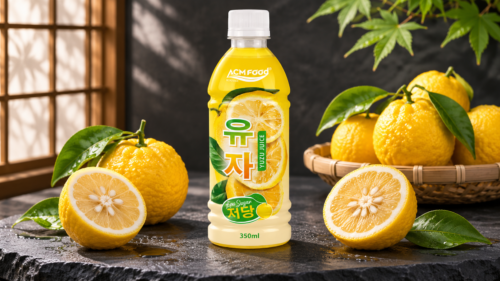
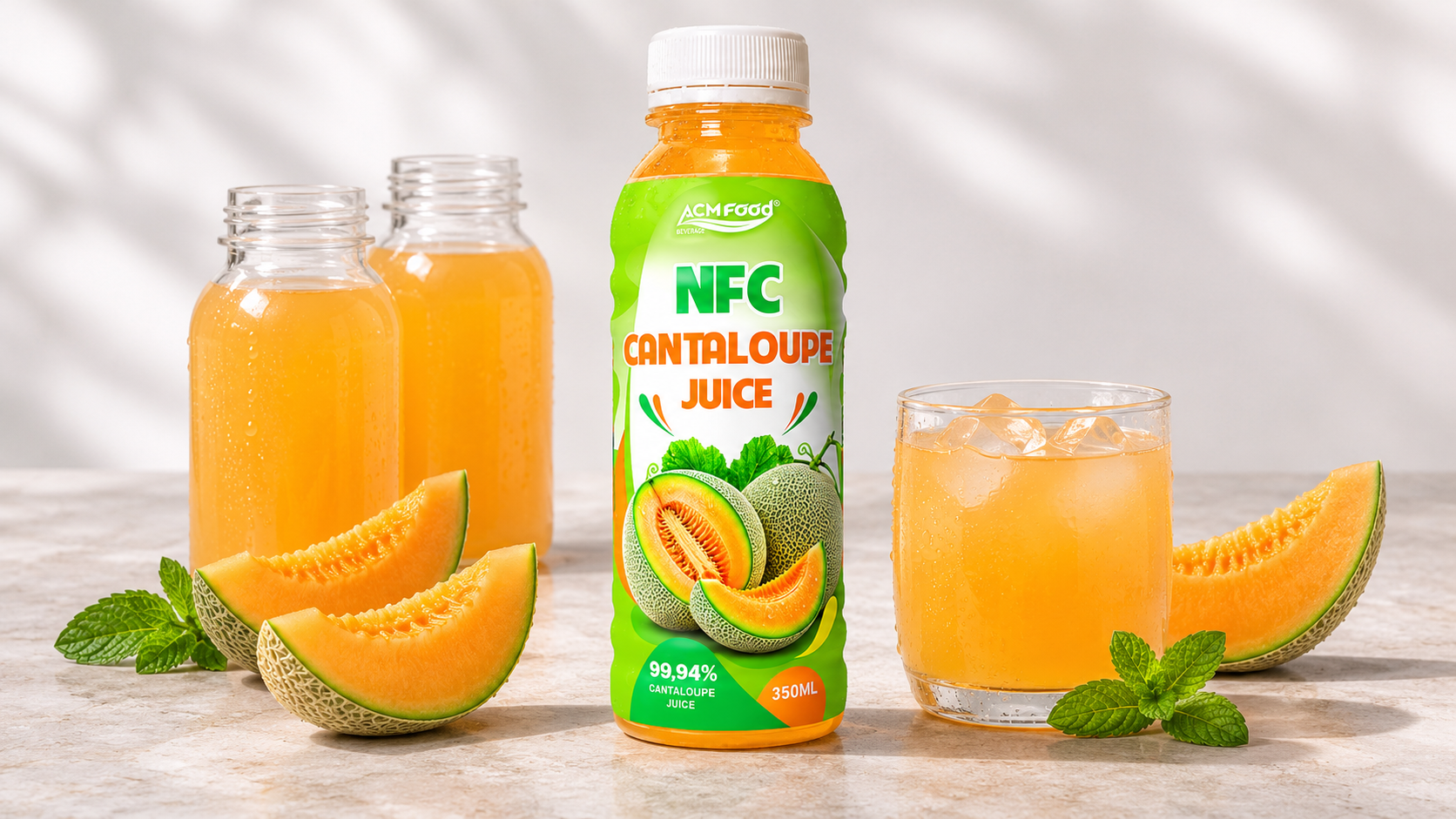
Bottled cantaloupe juice is less common than mainstream juices but is available as NFC juice drinks and in blends. Wide-mouth PET bottles are a common format in Asia for juice drinks with fruit character.
As an example, ACM Beverage offers an ACM FOOD NFC cantaloupe juice drink in a 350ml wide-mouth PET bottle, listed with an 18-month shelf life on its product page. It sits in the cantaloupe juice range. For precise composition, refer to the current product specification and label.
How should cantaloupe juice be served and stored?
Serve cantaloupe juice well chilled, ideally over ice, with lime, mint or ginger to lift its flavour. Store unopened bottles in a cool, dry place, refrigerate after opening and finish within the time stated on the label. Keep homemade juice cold and drink it the same day.
- Pair with mint and lime for a refreshing cooler.
- Mix with sparkling water for a light melon spritzer.
- Blend with yoghurt for a creamy smoothie.
- Combine with orange or pineapple juice for a tropical mix.
FAQ: cantaloupe juice
Is muskmelon juice the same as cantaloupe juice?
Often, yes. Muskmelon is a broad name for melons in the same group, and in many regions it refers to the orange-fleshed netted melon commonly called cantaloupe.
Why does my homemade cantaloupe juice taste off after a day?
Low acidity allows microbes and enzymes to change the juice quickly. Keep it cold and drink it soon after making; discard it if it smells sour or fizzy.
Does cantaloupe juice contain vitamin A?
Cantaloupe contains beta-carotene, which the body can convert into vitamin A. The amount in juice depends on the melon and processing; check the label for specific values.
Why add lime to cantaloupe juice?
Lime brightens the mellow, sweet flavour and adds acidity, which also helps slow spoilage in homemade juice.
Cantaloupe juice in brief
Cantaloupe juice is a sweet, musky, low-acid melon juice coloured by beta-carotene, a precursor of vitamin A. Its low acidity and delicate aroma make fresh juice spoil quickly, so it should be kept cold and drunk soon after making. Bottled versions rely on hygiene, acidity adjustment and heat treatment to stay stable. Serve it chilled with lime or mint for the best flavour.
For product details on bottled cantaloupe juice drinks, contact the ACM Beverage team through the beverage enquiry contact page.