
Kombucha does contain a small amount of alcohol, because the yeast that ferments sweetened tea produces ethanol along with carbon dioxide. In most commercial kombucha sold as a soft drink, the alcohol level is kept very low, and in the United States a kombucha must stay below 0.5% alcohol by volume to be sold as a non-alcoholic beverage.
This article explains where the alcohol in kombucha comes from, why the level can change after bottling, what the 0.5% line means on a label, and which questions to ask when kombucha is sold in markets with stricter expectations, including halal-sensitive markets in the Middle East.
Why does kombucha contain alcohol?
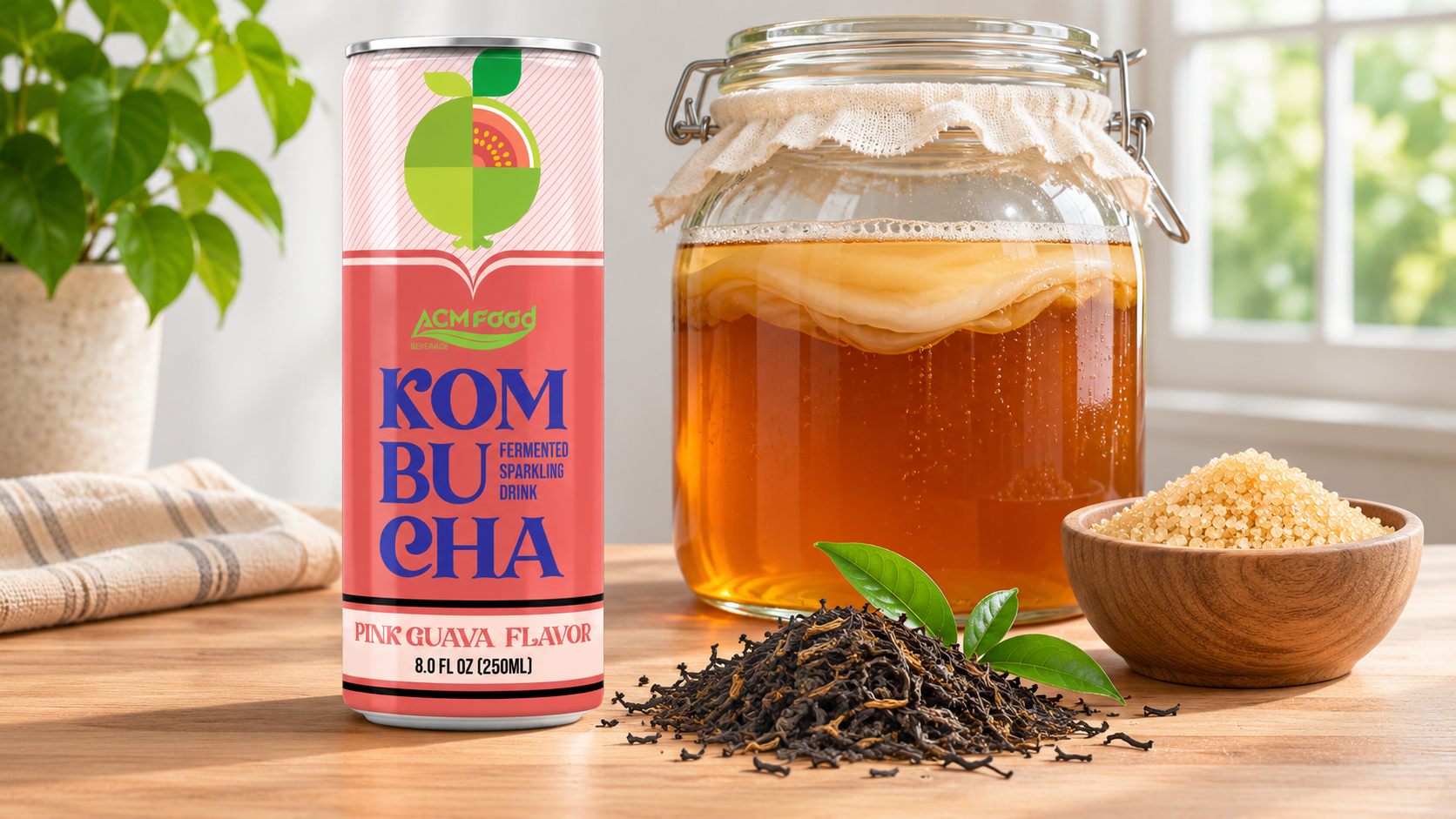
Kombucha contains alcohol because fermentation by yeast turns part of the sugar in sweetened tea into ethanol and carbon dioxide. Acetic acid bacteria in the same culture then convert much of that ethanol into organic acids, which is why kombucha tastes sour rather than boozy.
The culture used to make kombucha, often called a SCOBY, holds yeasts and bacteria that work in sequence. Yeasts break sucrose into glucose and fructose and ferment some of those sugars. Bacteria, which need oxygen, oxidise ethanol into acetic acid and other acids. The balance between these two activities determines how much alcohol remains at any moment.
That balance is not fixed. If yeast activity runs ahead of bacterial activity, ethanol accumulates. If bacteria have plenty of oxygen and time, more of the ethanol is converted. This is why kombucha is best described as a low-alcohol fermented drink by nature, which producers then manage to keep below the relevant limit.
How much alcohol is in kombucha?
Commercial kombucha sold as a non-alcoholic drink is generally produced to stay under 0.5% ABV, the US threshold for non-alcoholic beverages. Homemade kombucha has no such control and can vary widely, sometimes ending above that level depending on sugar, temperature and fermentation time.
There is no single alcohol figure for “kombucha” as a category, because the result depends on how it was made. Factors that push alcohol higher include:
- Extra sugar or fruit added before a sealed secondary fermentation.
- Warm conditions, which speed yeast activity.
- Low oxygen in sealed containers, which limits the bacteria that convert ethanol.
- Long storage unrefrigerated for raw kombucha that still contains active yeast.
Factors that keep alcohol down include controlled fermentation, testing at the end of production, and stopping yeast activity through filtration, heat treatment or other stabilising steps before packaging. Some producers also use methods to remove ethanol after fermentation.
What does the 0.5% ABV line mean on a kombucha label?
In the United States, beverages containing less than 0.5% alcohol by volume are generally treated as non-alcoholic for federal alcohol regulation, while kombucha at or above that level falls under alcohol rules administered by the Alcohol and Tobacco Tax and Trade Bureau (TTB). The line affects labelling, taxation and where the drink can be sold.
A few points help when reading labels:
- Below 0.5% ABV, kombucha can usually be sold alongside soft drinks, though the producer is responsible for keeping it below that level through its shelf life, not only on the day of bottling.
- At or above 0.5% ABV, it is regulated as an alcoholic beverage in the US, and many brands that deliberately produce stronger kombucha label it as “hard kombucha”.
- “Non-alcoholic” does not mean zero. It describes a level below a threshold. Products marketed as “alcohol-free” or “0.0%” are making a different and stricter statement.
Other markets set their own definitions and thresholds for terms such as non-alcoholic, alcohol-free and low-alcohol, and some apply lower limits than the US. Anyone selling kombucha outside the US should confirm the local definition rather than assume the 0.5% line applies.
Can kombucha become more alcoholic after it is bottled?
Yes, raw kombucha that still contains active yeast and some sugar can continue fermenting in a sealed package, especially if it is kept warm. In a closed can or bottle there is little oxygen for the bacteria that convert ethanol, so alcohol can rise over time.
This is the main reason raw kombucha usually carries a “keep refrigerated” instruction. Cold storage slows yeast activity and helps keep alcohol, carbonation and flavour close to what the producer tested. When raw kombucha is left at room temperature for long periods, both pressure and alcohol can creep up.
Shelf-stable kombucha takes a different route. Producers filter, heat-treat or otherwise stabilise the drink after fermentation so the yeast cannot keep working in the package. That makes alcohol levels more predictable during storage, though it also means the drink should not be described as containing live cultures unless the finished product has been tested to support that claim.
| Factor | Raw refrigerated kombucha | Stabilised shelf-stable kombucha |
|---|---|---|
| Yeast activity after packaging | Can continue if warm | Stopped or greatly reduced |
| Alcohol stability over shelf life | Depends heavily on cold storage | More predictable |
| Storage instruction | Keep refrigerated | Store cool and dry; chill before serving |
| Main control point | Cold chain from producer to consumer | Process control before filling |
How do producers keep alcohol low in kombucha?
Producers keep alcohol low by controlling fermentation conditions, testing the drink before release and stopping yeast activity before packaging. The exact combination varies, but the goal is the same: a finished product whose alcohol stays below the target level from the day it is filled until the end of its shelf life.
Common approaches include:
- Managing oxygen during the first fermentation, so acetic acid bacteria can convert more ethanol into acids.
- Limiting sugar in the secondary stage, since every gram of fermentable sugar is potential alcohol if yeast stays active.
- Temperature control, keeping fermentation within a range that favours balanced yeast and bacterial activity.
- Filtration, which removes much of the yeast population before filling.
- Heat treatment, which inactivates remaining microorganisms so fermentation cannot restart in the package.
- Dealcoholisation, where some producers remove ethanol after fermentation using specialised equipment.
Each method has trade-offs. Filtration and heat treatment give predictable alcohol and allow ambient storage, but they change the culture, so live-culture statements need testing support. Relying on refrigeration preserves a raw character, but it depends on every distributor, retailer and consumer keeping the product cold. Dealcoholisation adds processing cost and can affect aroma.
Testing ties everything together. A single result on the production day says little about what happens after months in a warm warehouse, so careful producers also test aged or stored samples. For shoppers, a clear storage instruction and a consistent taste from can to can are practical signs that fermentation is under control.
Is kombucha safe to drink if you avoid alcohol?
For people who avoid alcohol completely, kombucha is a personal decision because even non-alcoholic kombucha may contain trace ethanol. The safest approach is to read the label, check whether the producer states an alcohol level or testing standard, and choose products that match your own requirements.
Some people avoid all alcohol for religious, personal or medical reasons, and their needs differ. Trace ethanol is also found naturally in some other fermented or ripe foods, but that does not settle the question for everyone. Anyone with a medical reason to avoid alcohol should follow the advice of their own doctor rather than general guidance. Background on choosing everyday drinks is covered in our guide to healthy drinks and staying hydrated.
Is kombucha halal?
Whether kombucha is accepted as halal depends on the interpretation of the certifying body and on the finished product’s alcohol level and process. Some authorities assess trace alcohol from natural fermentation differently from alcohol added as an ingredient, and accepted limits can vary between organisations and countries.
Because there is no single answer, buyers in halal-sensitive markets usually look for:
- Laboratory results for alcohol in the finished product, including at the end of shelf life.
- A clear description of how fermentation is stopped or controlled.
- Recognition of the product or facility by the halal certifier that matters in the target market.
- Ingredients and flavourings that themselves meet halal requirements.
Importers working in the Gulf and wider region can find related guidance in our overview of beverage products for the Middle East, which explains how halal-ready product options are approached.
What should buyers ask about kombucha alcohol content?
Buyers should ask how alcohol is measured, how it is controlled through shelf life and which definition of “non-alcoholic” the product is designed to meet. These questions matter more than any single number on a specification sheet.
- What is the target alcohol level, and which method and laboratory are used to test it?
- Is alcohol tested only at production, or also on aged samples near the end of shelf life?
- Is the kombucha stabilised for ambient storage, or does it rely on refrigeration?
- Which market’s definition of non-alcoholic does the label follow?
- Are there documents suitable for halal or other certification review in the destination market?
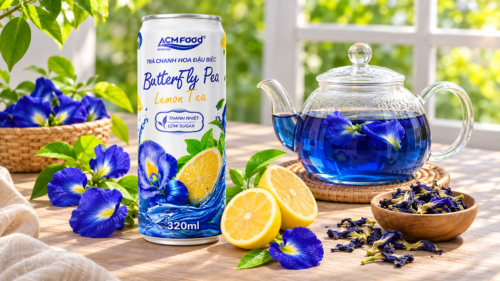
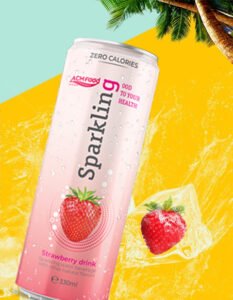
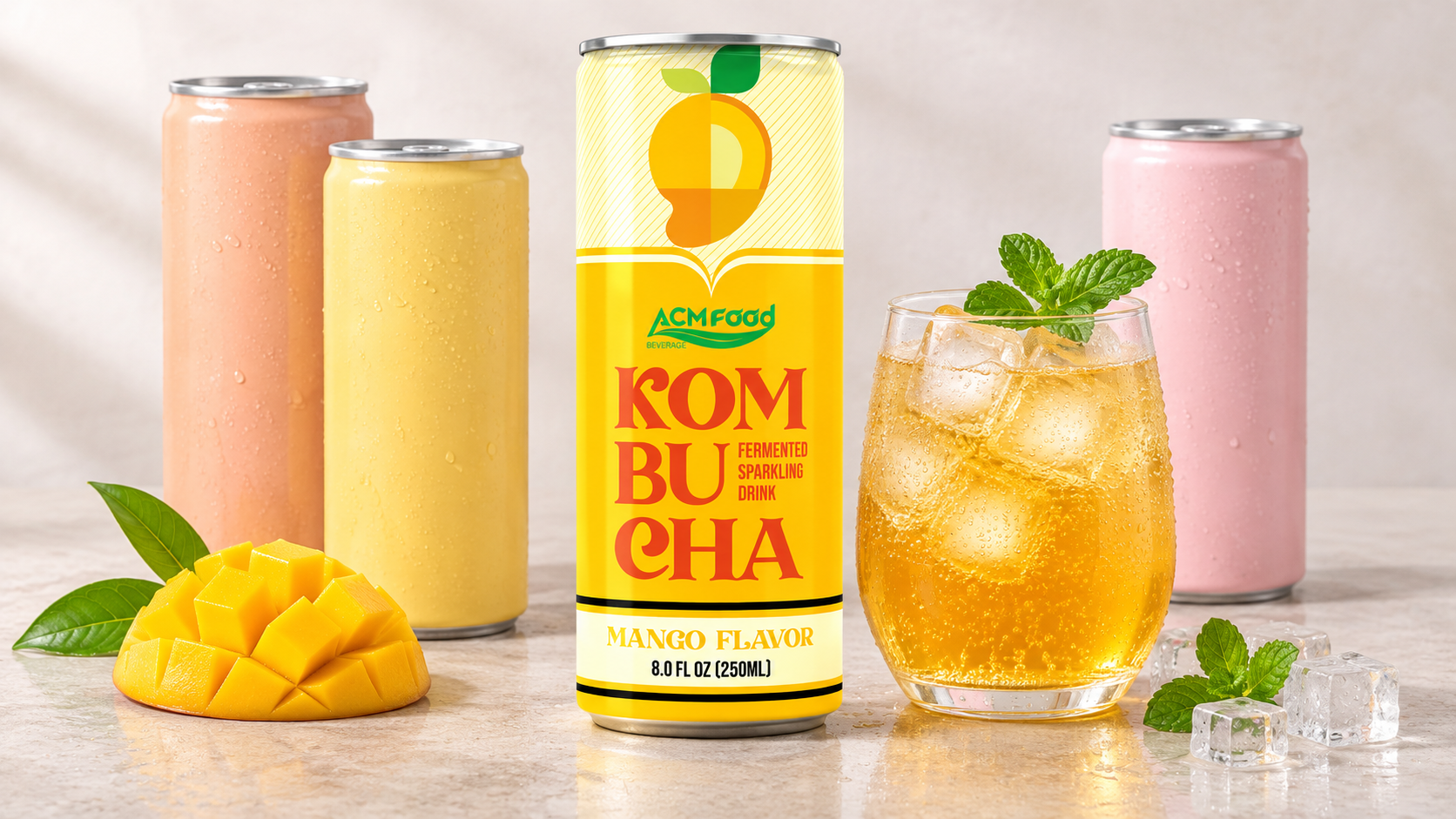
ACM Beverage supplies fruit and sparkling kombucha drinks under the ACM FOOD label in 250ml slim cans, shown in the kombucha drink product range. Alcohol-related specifications for a given market should be requested and confirmed for the specific product and shipment rather than assumed from general category information.
FAQ: alcohol in kombucha
Is kombucha alcoholic?
Standard kombucha is not considered an alcoholic drink when its alcohol stays below the threshold set in the market where it is sold, such as 0.5% ABV in the US. It is a fermented drink, though, so trace ethanol is normally present.
Can kombucha make you drunk?
Kombucha sold as non-alcoholic contains too little alcohol to cause intoxication in normal servings. Hard kombucha, which is deliberately fermented to a higher ABV, is a different product and is labelled as an alcoholic beverage.
Does non-alcoholic kombucha have any alcohol?
Usually a little. “Non-alcoholic” describes a level below a legal threshold rather than zero. If you need a product with no alcohol at all, look for a specific alcohol-free or 0.0% statement and the testing behind it.
Does homemade kombucha have more alcohol?
It can. Without testing or controlled conditions, homemade kombucha may end up with more alcohol, particularly after a warm, sealed secondary fermentation with added sugar or fruit.
Does kombucha alcohol go away when it is opened?
Not in any meaningful way. Opening releases carbon dioxide, but ethanol stays dissolved in the drink. Refrigeration slows further production in raw kombucha but does not remove alcohol already present.
Kombucha and alcohol: the key points
Kombucha has alcohol because fermentation produces it, and commercial kombucha manages that alcohol to stay within the limits of the market where it is sold. In the US, the 0.5% ABV line separates non-alcoholic kombucha from alcoholic hard kombucha, while other countries use their own definitions. Storage matters too: raw kombucha relies on refrigeration to keep alcohol stable, while shelf-stable kombucha is controlled before it is packed.
If you are reviewing kombucha for a market with specific alcohol or halal requirements, ask the ACM Beverage team for product documentation through the beverage enquiry contact page.