
Beverage products for the Middle East depend on halal compliance as a baseline requirement rather than an optional claim, alongside label language, sweetness expectations and a distribution structure that differs from Europe or North America in how products reach the shopper. A product developed without these in mind from the outset typically needs rework before it can be listed regionally.
This guide sets out what halal-readiness actually requires at the formulation stage, how flavour and sweetness expectations differ across the region, and the other product decisions that matter for a first Middle East launch, so a brand can plan development around real requirements rather than assumptions carried over from a different export market.
What halal-readiness means at the formulation stage
Halal compliance for a beverage is determined by the ingredients used, the processing aids involved, and the equipment and production conditions the product is made under. It is not simply the absence of alcohol; it extends to any animal-derived processing aid, certain additives, and cross-contamination controls during production. A product intended for halal certification needs this considered from the first formulation trial, since substituting a non-compliant ingredient late in development can change the taste, texture or cost of the recipe.
Formal halal certification is issued by an accredited certifying body following an audit of the formulation, the ingredient supply chain and the production facility. This is a distinct process from general food safety certification, and a brand targeting Middle East retail should confirm with its manufacturer, early in development, which certification the target market and specific retailer require, since recognised certifying bodies and their acceptance vary by country within the region. A certificate accepted by one country’s import authority is not automatically recognised by another, which is why confirming the specific requirement per market is worth doing before, not after, a formulation is finalised.
Sweetness and flavour expectations
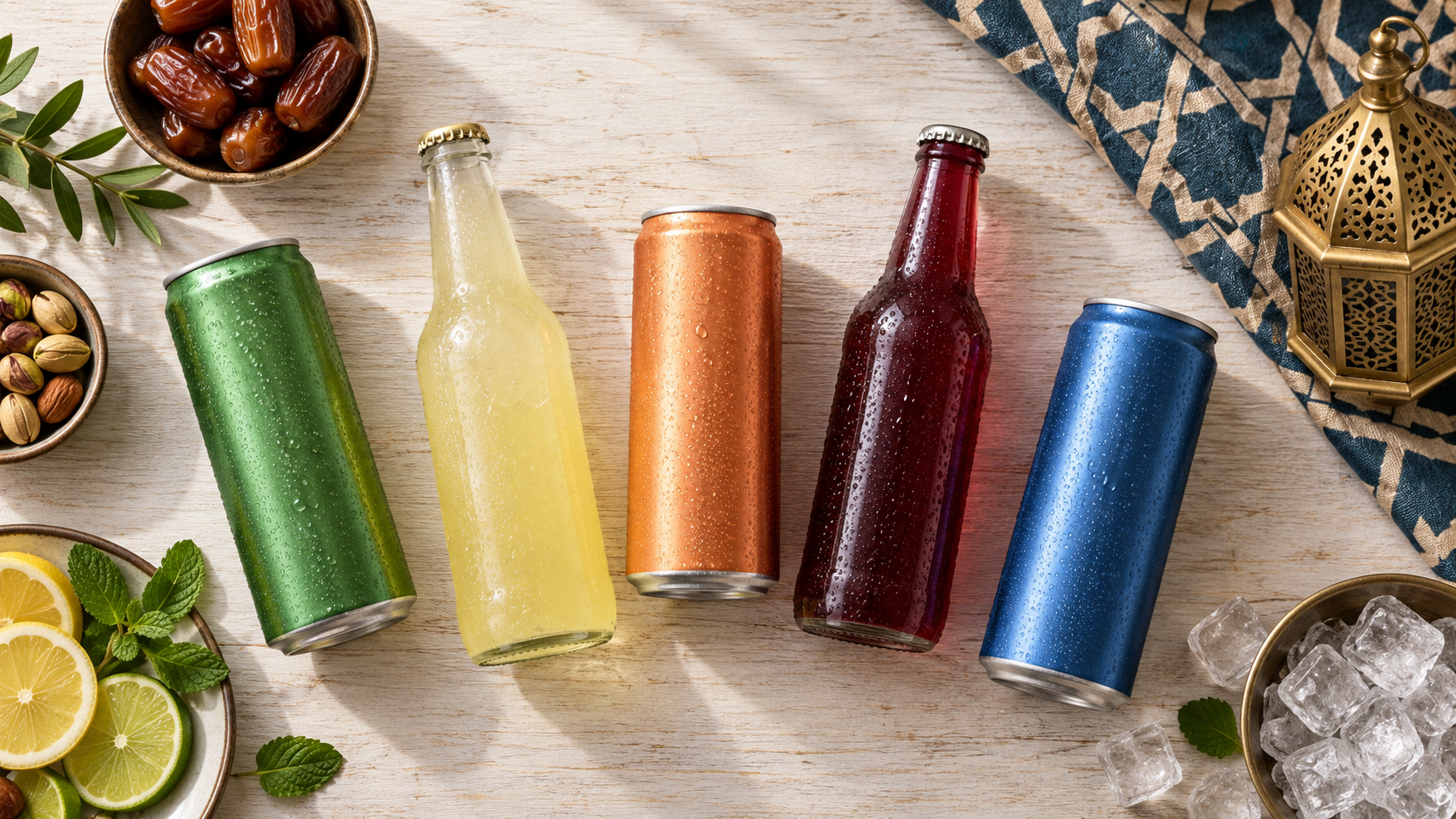
Sweetness expectations across the Middle East tend to run higher than in much of Europe, and fruit-forward, tropical and citrus profiles generally perform well across the region. Sparkling and carbonated formats carry meaningful volume, and distinctive fruit combinations often succeed as a genuine point of differentiation rather than requiring the more conservative flavour choices that suit some other export markets.
| Consideration | What it means for a Middle East-bound product |
|---|---|
| Halal compliance | Formulation, processing aids and production conditions all need to meet certification requirements |
| Sweetness level | Generally higher than European or North American baseline expectations |
| Flavour preference | Fruit-forward, tropical and citrus profiles perform well; distinctive combinations can differentiate |
| Label language | Arabic is required in several markets, often alongside English |
| Distribution structure | Import and distribution frequently run through a single appointed local partner per country |
Distinctive tropical and fruit combinations tend to translate well to the region’s appetite for bold, fruit-forward flavours, provided the underlying formulation is developed with halal compliance in mind from the outset rather than adapted afterward.
Label language and market entry requirements
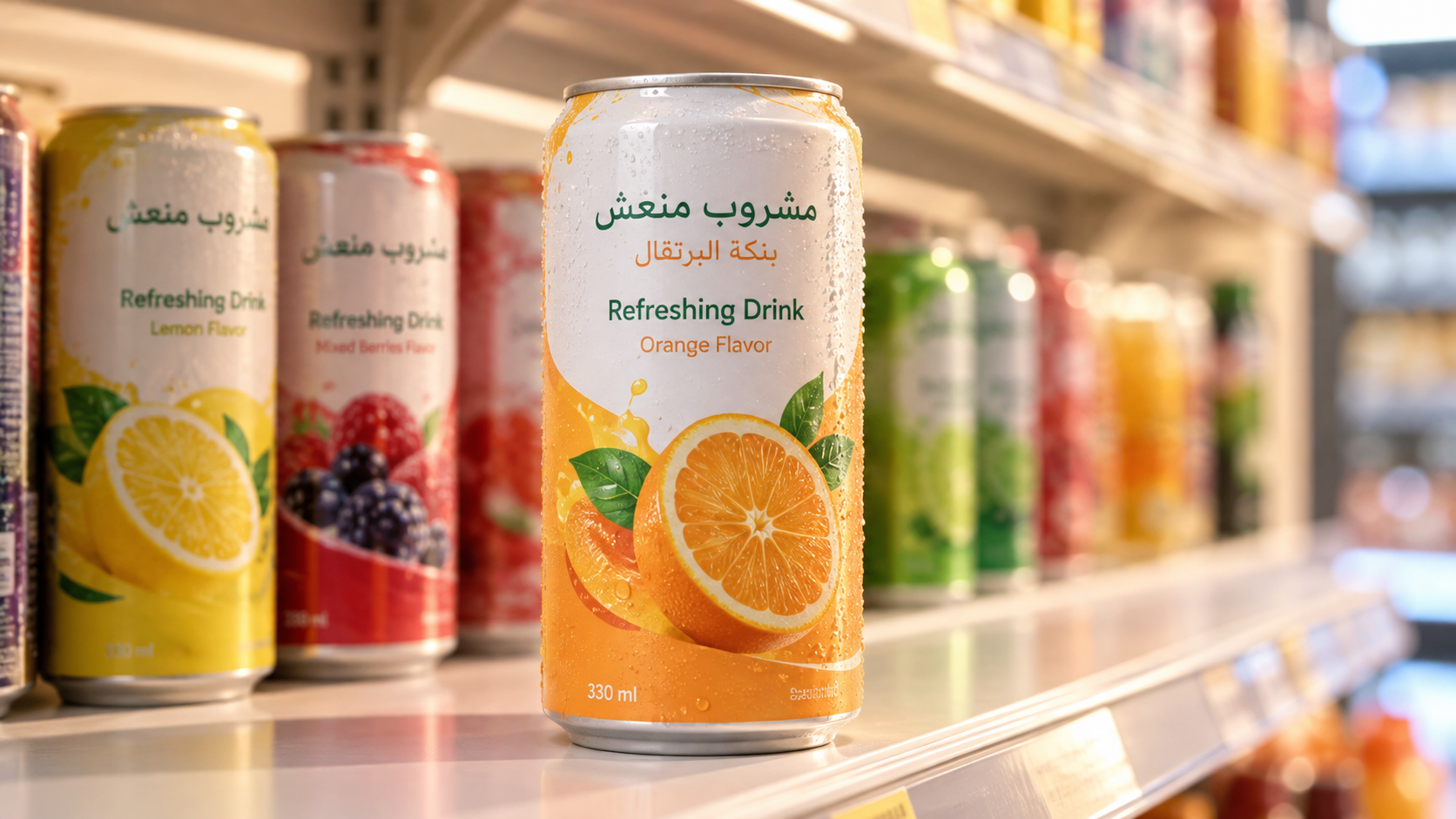
Several Middle East markets require Arabic on the label, often alongside English, and the exact requirement varies by country and by product category. This affects artwork planning in the same way language requirements do in any multi-country region: a single English-only artwork rarely serves the whole region, and building the Arabic language requirement into the label design from the outset avoids a late redesign once a specific country’s requirement is confirmed. Arabic text also reads right to left, which changes how a layout balances rather than simply adding a translated text block to an existing design, so this is worth involving a designer familiar with bilingual Arabic and English layouts rather than treating it as a straightforward translation task.
Distribution in much of the region also tends to run through a single appointed importer or distributor per country, which differs from the more fragmented retail buying structures common in Europe or North America. This makes the choice of local partner a significant commercial decision in its own right, since that single relationship often determines access to the market’s major retail channels. Vetting a distributor on their existing retail relationships and their familiarity with the beverage category specifically, rather than treating any willing local partner as equivalent, materially affects how quickly a new product actually reaches shelf.
Sparkling and carbonated formats in the region
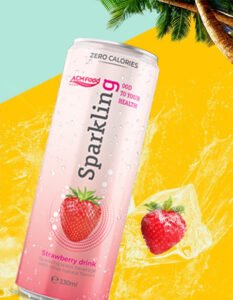
Carbonated and sparkling beverages hold strong volume across much of the Middle East, and fruit-forward sparkling profiles perform particularly well. Products such as lime sparkling drinks or cherry sparkling juice illustrate the kind of bold, recognisable fruit flavour that tends to travel well in the category, and both are straightforward to align with halal requirements since the base formulation is fruit and carbonated water rather than any ingredient that would raise a compliance question.
This is a useful reference point when scoping a new concept: a sparkling drink built from fruit, sugar, acid and carbonated water starts from a low-risk formulation base for certification purposes, while a product carrying multiple specialist additives or flavour compounds requires more individual ingredient review before the same confidence can be assumed.
Building a Middle East-ready product brief
Five inputs shape a product concept that fits regional expectations without a late redesign.
- Halal certification requirement. Confirm which certifying body the target market and retailer require before formulation begins, since this shapes ingredient selection from the first trial.
- Sweetness target. Set the sweetness level against regional expectations rather than a European or North American baseline.
- Flavour direction. Fruit-forward and tropical profiles generally have room to be bolder than in more conservative export markets.
- Label language. Plan for Arabic content, often alongside English, from the first artwork draft.
- Distribution partner. Identify the intended import and distribution route early, since it shapes both commercial terms and retail access.
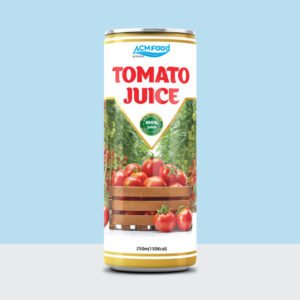
Products built on a genuinely simple, recognisable ingredient base, such as an NFC tomato juice made without concentrate, are often the most straightforward starting point for a halal-focused development project, since the shorter ingredient list reduces the number of components that need individual compliance verification.
Common mistakes in a first Middle East launch
A consistent set of errors accounts for most of the friction brands encounter entering the region for the first time, and each one is avoidable with earlier planning rather than a larger budget.
- Treating halal compliance as a label addition rather than a formulation requirement. Certification depends on the actual ingredients and production conditions, not on a symbol added to finished artwork.
- Assuming a single certifying body is accepted everywhere in the region. Recognition varies by country, so confirming the specific requirement for each target market avoids a certificate that does not transfer where the brand expects it to.
- Under-sweetening a product relative to regional taste expectations. A formulation tuned to a European sweetness baseline can read as flat or underwhelming against regional competitors.
- Delaying the Arabic label plan until after artwork is finalised. Retrofitting Arabic content onto a layout designed for English alone is slower and less clean than planning for it from the start.
What the halal certification process typically involves
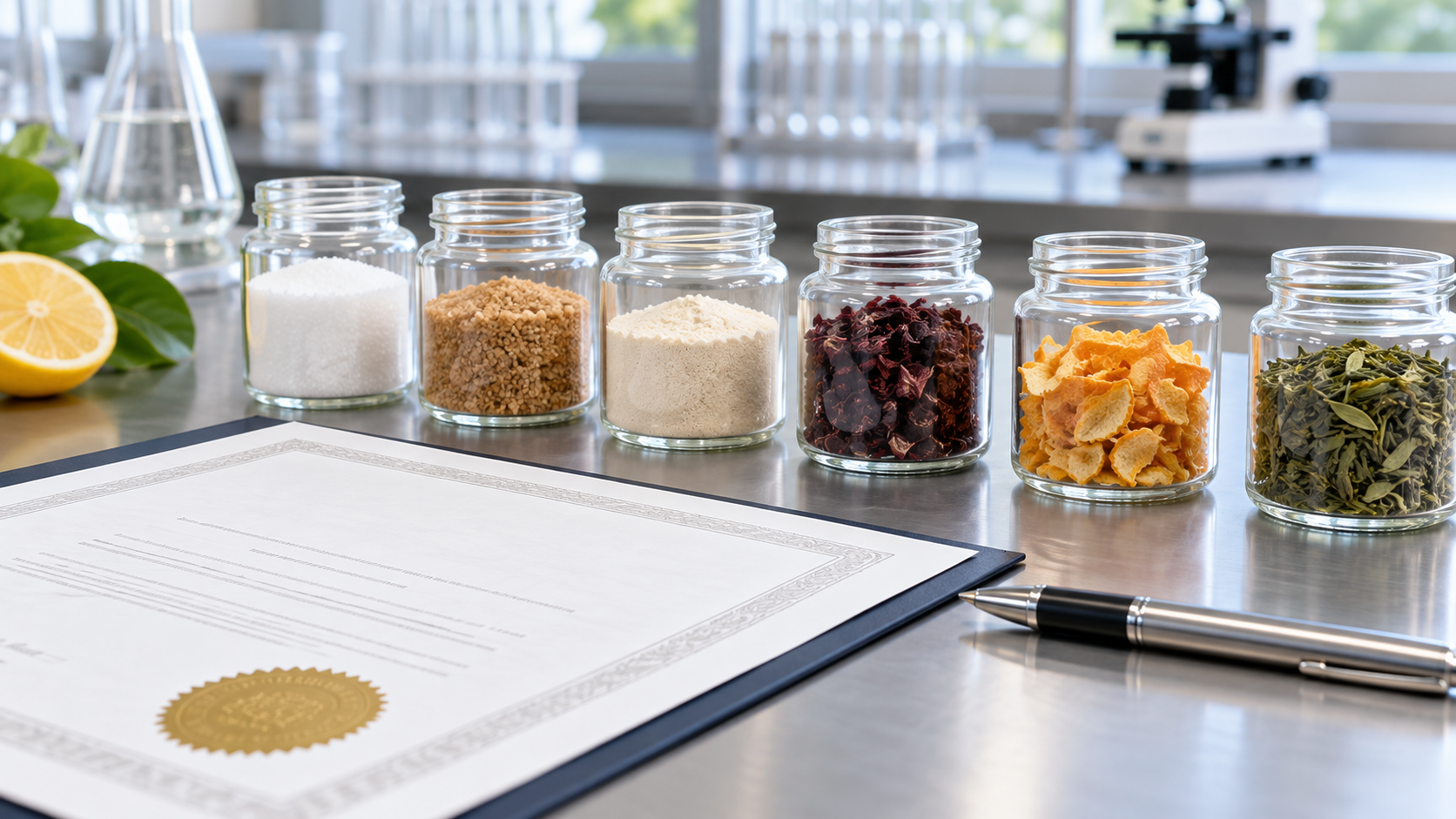
A certification process generally starts with a review of the full formulation, including every processing aid and minor ingredient, not only the headline components. The certifying body checks each item against its own standard, which can mean substituting a specific ingredient with a certified equivalent even where the original was not itself objectionable, simply because it lacked the documentation to prove compliance.
Production facility conditions are reviewed alongside the formulation, covering equipment use, cleaning procedures between runs where a facility also produces non-halal products, and storage and handling practices. Where the facility already runs a dedicated or well-controlled shared production line, this stage tends to move faster than where cross-contamination controls need to be newly established.
Documentation is the final piece: a certifying body typically requires traceable evidence for every ingredient’s status, not a general assurance, so building a supplier documentation file alongside the formulation work is worth starting early rather than assembling retrospectively once the formulation is otherwise finished.
Frequently asked questions
Does every beverage exported to the Middle East need halal certification?
Requirements vary by country and by retail channel, and some markets or channels are more flexible than others. Confirming the specific requirement with the intended distributor and retailer, rather than assuming a blanket rule across the region, is the reliable approach.
Can an existing formula be adjusted to meet halal requirements?
Often yes, particularly where the formula does not contain alcohol or animal-derived ingredients to begin with. The remaining work usually involves verifying processing aids and production conditions with the certifying body rather than reformulating the core recipe.
Is Arabic labelling required in every Middle East market?
It is required in several markets, though the exact requirement and whether English may appear alongside it varies by country. Confirming the specific requirement for each target market before finalising artwork avoids assuming a single rule applies region-wide.
How does distribution structure affect a first launch?
Because import and distribution frequently run through a single appointed partner per country, choosing that partner carries more weight than it might in a market with a more fragmented retail buying structure. This relationship is worth treating as a core part of the market entry plan rather than a downstream logistics detail.
How long does halal certification typically add to a development timeline?
It depends heavily on how many ingredients already carry certification and how close the current production setup is to the required standard. A formulation built from ingredients that are already certified, run in a facility with established compliance controls, adds comparatively little time. A formulation with several uncertified specialist ingredients, or a facility that needs new segregation controls, extends the timeline more significantly, which is why confirming the requirement early lets this work run alongside formulation development rather than starting after it.
Does halal certification limit which flavours or formats can be used?
It constrains specific ingredients and processing aids rather than entire categories of flavour or format. A carbonated fruit drink, a still juice or a functional beverage can all be formulated to meet halal requirements; the constraint sits at the level of individual ingredients and production conditions, not at the level of what kind of product is being made.
Starting a Middle East-focused product brief
A Middle East launch works best when halal compliance is built into the formulation from the first trial, sweetness and flavour are set against regional rather than default expectations, and Arabic labelling is planned into the artwork from the outset.
ACM Beverage develops products with these regional requirements in mind and can advise on formulation choices that support halal certification before a first order is placed. Reach out through the enquiry and contact page with the target countries and certification requirement in mind to start that conversation, and bringing a rough flavour direction and any existing formula to that first discussion helps identify quickly which ingredients need review and which are already suitable as they stand.