
Contents
- 1 The Rise of Lime Sparkling Juice in Global Beverage Trends
- 2 Health-Conscious Consumers Drive Demand for Premium Citrus Beverages
- 3 OEM Manufacturing as a Strategic Enabler for Market Entry
- 4 Leveraging Private Label and Custom Formulation for Competitive Edge
- 5 Frequently Asked Questions
- 5.1 How can I start a private label lime sparkling juice brand?
- 5.2 What is the typical MOQ for lime sparkling juice OEM?
- 5.3 Which certifications are needed for exporting sparkling juice to the EU?
- 5.4 What differentiates ACM lime sparkling juice from competitors?
- 5.5 How does the sparkling juice market growth affect investment decisions?
The global beverage industry is witnessing a paradigm shift as consumers demand drinks that refresh and nourish. Lime sparkling juice sits at the intersection of flavor, function, and convenience, making it a focal point for innovation. This article examines how citrus sparkling beverages are reshaping the landscape, offering new entry points for brands and distributors.
Understanding this trend is crucial for business leaders aiming to capture growth in the carbonated market. From OEM flexibility to private label customization, the opportunity spans multiple revenue streams. We analyze data, technologies, and strategic pathways that define success in this space.
The Rise of Lime Sparkling Juice in Global Beverage Trends
Lime sparkling juice has emerged as a dynamic category within the carbonated beverage segment. Consumers increasingly seek refreshing options that combine natural citrus flavors with functional benefits. This shift reflects broader demand for beverages that deliver both taste and wellness.
Industry data suggests the sparkling juice market could exceed $45 billion by 2028. Citrus varieties, particularly lime, capture a significant share due to their versatile profile. Brands exploring this space benefit from established consumer familiarity with lime while offering a more sophisticated, less sugary alternative to traditional sodas.

Why Lime Resonates Across Demographics
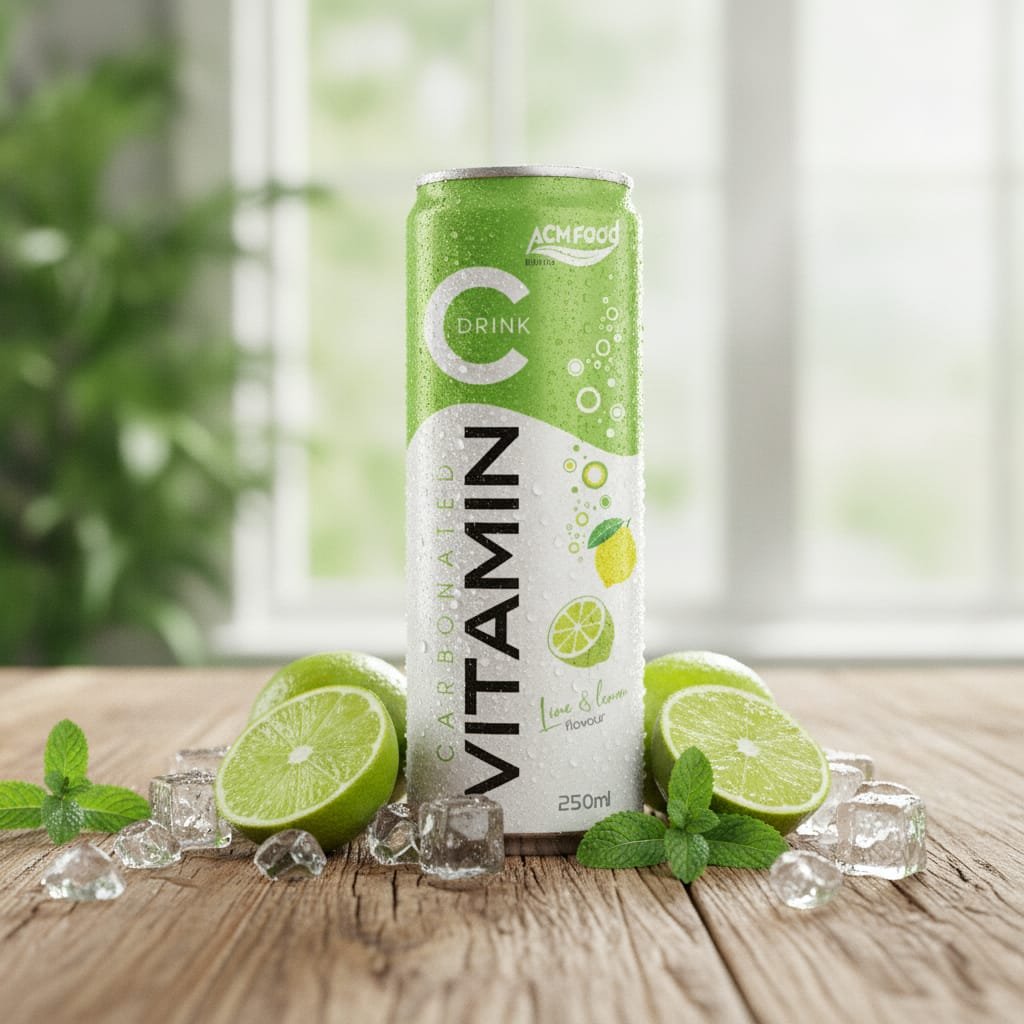
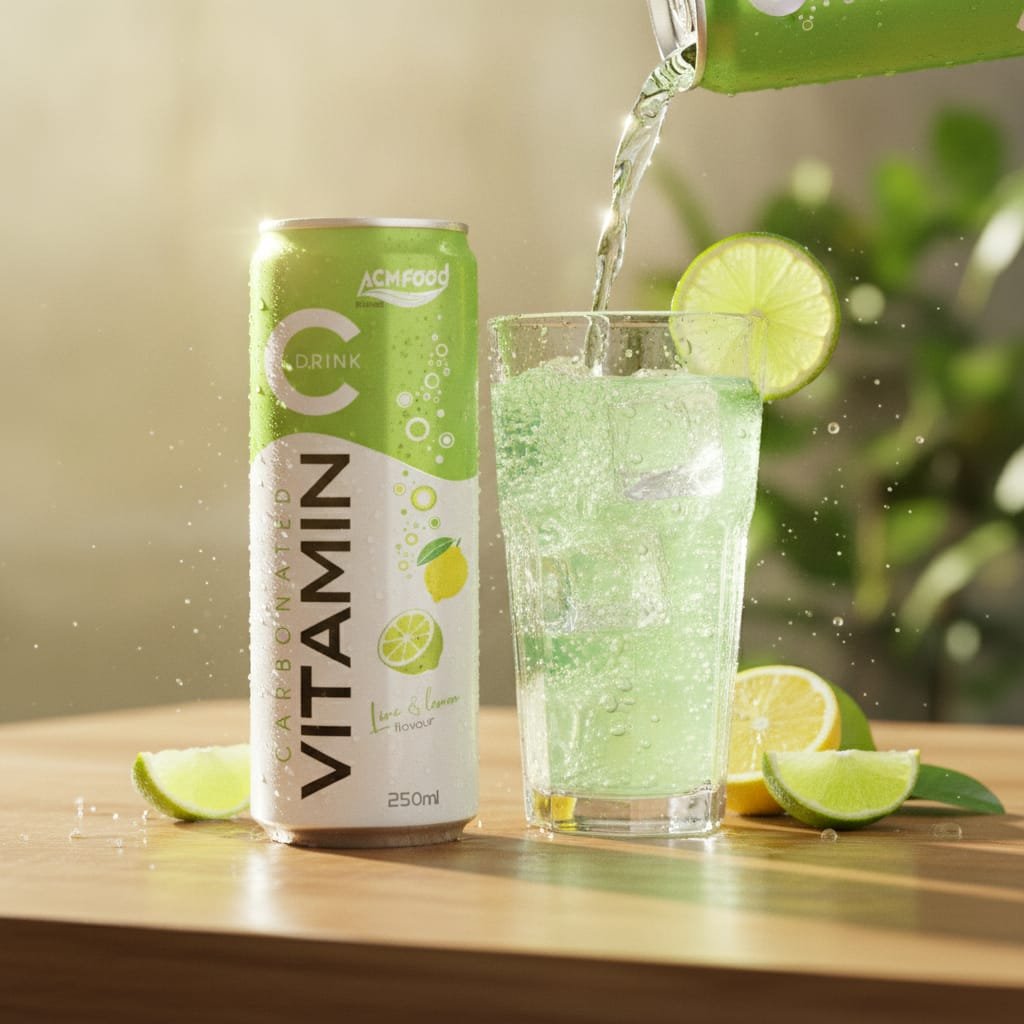
Lime offers a universally appealing tartness that pairs well with reduced sugar formulations. This makes 250ml ACM Lime Sparkling Juice an attractive option for health-conscious buyers. The product’s clean label aligns with the clean-label movement, where transparency in ingredients builds trust.
Retailers report that lime-based sparkling beverages often outperform other fruit flavors in repeat purchases. The flavor’s ability to complement both standalone consumption and mixology applications adds to its commercial viability.
Health-Conscious Consumers Drive Demand for Premium Citrus Beverages
Functional hydration has become a priority for modern consumers. A lime sparkling beverage naturally fits this narrative by offering electrolytes and vitamin C without artificial additives. Manufacturers like ACM FOOD leverage this trend by sourcing high-quality limes and using natural carbonation processes.
Clinical research underscores lime’s role in digestion and immune support. Brands that highlight these benefits in their marketing see higher engagement. For distributors, adding a lime sparkling juice to their portfolio can capture a younger, health-aware demographic.
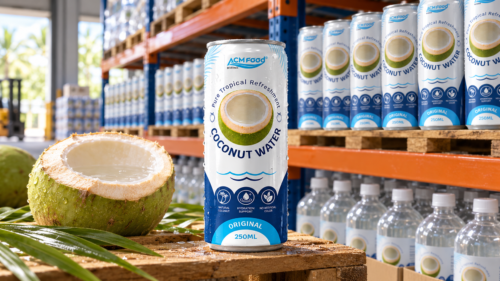
The convenience of 250ml cans also appeals on-the-go lifestyles. This format reduces packaging waste and simplifies portion control, aligning with sustainability goals.

Innovation in Flavor Profiles and Sweeteners
Product developers experiment with lime pairings such as mint, ginger, or cucumber. This lime sparkling juice maintains a crisp, clean taste that serves as a base for further customization. The ability to adjust sweetness levels using natural stevia or monk fruit appeals to diabetic consumers.
Advances in carbonation technology produce a consistent, fine bubble structure that enhances mouthfeel. This technological edge gives OEM partners a competitive advantage when launching their own labels.
OEM Manufacturing as a Strategic Enabler for Market Entry
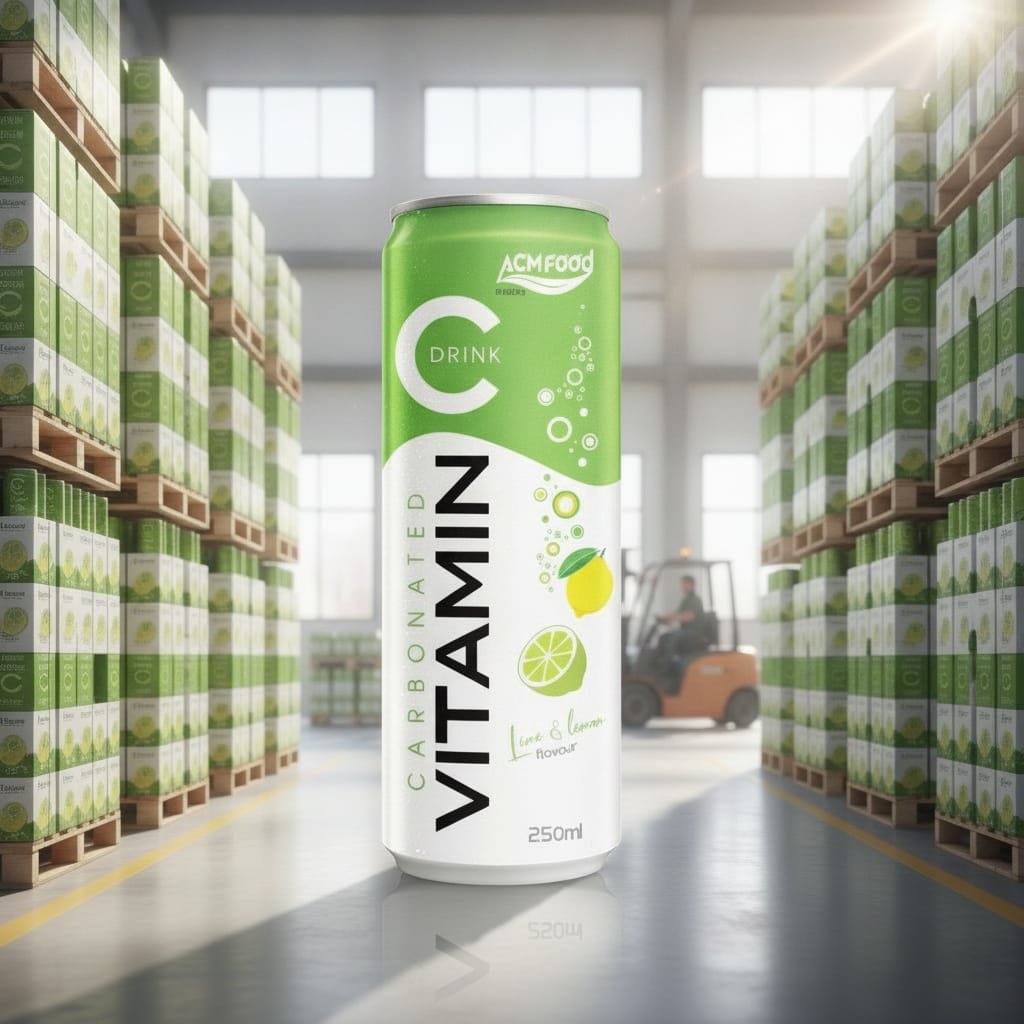
Bringing a new beverage to market requires significant capital investment. OEM partnerships reduce these barriers by offering existing production capacity and regulatory expertise. ACM FOOD’s facility in Tan Phu Trung Industrial Park operates over ten automated lines, capable of handling both small test batches and high-volume exports.
Flexibility in minimum order quantities (MOQs) allows smaller brands to test responses without overcommitting inventory. This approach is especially valuable in the competitive sparkling juice segment, where shelf space is at a premium.
Companies that choose an OEM partner gain access to proprietary formulas while maintaining full control over branding. The fresh fruit juice category benefits from this model, as does the sparkling water drink category.
Leveraging Private Label and Custom Formulation for Competitive Edge
Private label programs enable retailers to offer exclusive products that differentiate their shelves. For a partner like ACM FOOD, developing a custom lime sparkling recipe involves selecting the right lime variety, adjusting acidity, and fine-tuning carbonation levels.
Pilot production runs allow brands to evaluate consumer response before full-scale launch. This reduces market risk and ensures the final product meets taste expectations. The 250ml slim can format, for example, is designed for both retail and foodservice channels.
International certifications such as FSSC 22000, HALAL, and USDA Organic facilitate entry into regulated markets. Exporters targeting the Middle East or Europe benefit from these certifications, streamlining customs clearance.

Supply Chain Advantages from Vietnam
Vietnam’s tropical climate yields limes with intense flavor and high juice content. Proximity to raw materials shortens lead times and lowers cost. ACM FOOD’s logistics network supports shipment of 300+ containers monthly to markets in Asia, North America, and Europe.
Distributors evaluating sourcing options should consider total landed cost and reliability. The combination of quality output and competitive pricing makes Vietnamese OEM partners an increasingly popular choice.
Frequently Asked Questions
How can I start a private label lime sparkling juice brand?
Contact an OEM manufacturer with your desired specifications. They will guide you through formulation, packaging design, and regulatory compliance. A typical timeline from concept to first shipment is 60-90 days.
What is the typical MOQ for lime sparkling juice OEM?
Many manufacturers accept MOQs as low as 20,000 cans for initial orders. Larger runs reduce per-unit cost and improve margins. Discuss flexible terms with your partner.
Which certifications are needed for exporting sparkling juice to the EU?
FSSC 22000, ISO 22000, and EU organic certification are commonly required. Halal certification is essential for Middle East markets. Your OEM provider should hold these credentials.
What differentiates ACM lime sparkling juice from competitors?
The product combines natural lime flavor with fine carbonation and no artificial preservatives. Its 250ml can offers premium branding opportunities and convenient consumption.
How does the sparkling juice market growth affect investment decisions?
Growing at 8% CAGR, the segment attracts new entrants. Early movers with strong product differentiation and efficient supply chains are poised to capture market share.


Related blogs insights
The Benefits of Drinking Aloe Vera Juice
Aloe vera juice benefits: Aloe vera juice first and foremost contains antioxidants, or substances that [...]
1 Comment
Sep
Trawberry Juice A Delicious Drink Packed with Antioxidants
Contents1 Why Strawberry Juice Is So Popular2 Strawberry Juice and Antioxidant Benefits3 Strawberry Juice NFC [...]
1 Comment
Feb
ACM Low Sugar Coconut Water Drives Functional Beverage Growth Through Korean Innovation
Explore how ACM's low-sugar coconut water drives functional beverage growth with Korean innovation. OEM solutions [...]
Jun
Exploring Bentre, the Heart of Coconut Cultivation
Contents1 Drink of Vietnam: A Journey Through Coconuts1.1 Unveiling the Refreshing Allure of Coconut Water [...]
1 Comment
Mar
Passion Juice with Nata de Coco Drives Flavor Innovation in Tropical RTD Market
Discover how passion juice with nata de coco is driving flavor innovation in RTD beverages. [...]
Jul
Matcha Coconut Water Innovation Reshapes Functional Beverage Market
Explore how matcha coconut water RTD innovation is reshaping the functional beverage market. Analysis of [...]
1 Comment
May