


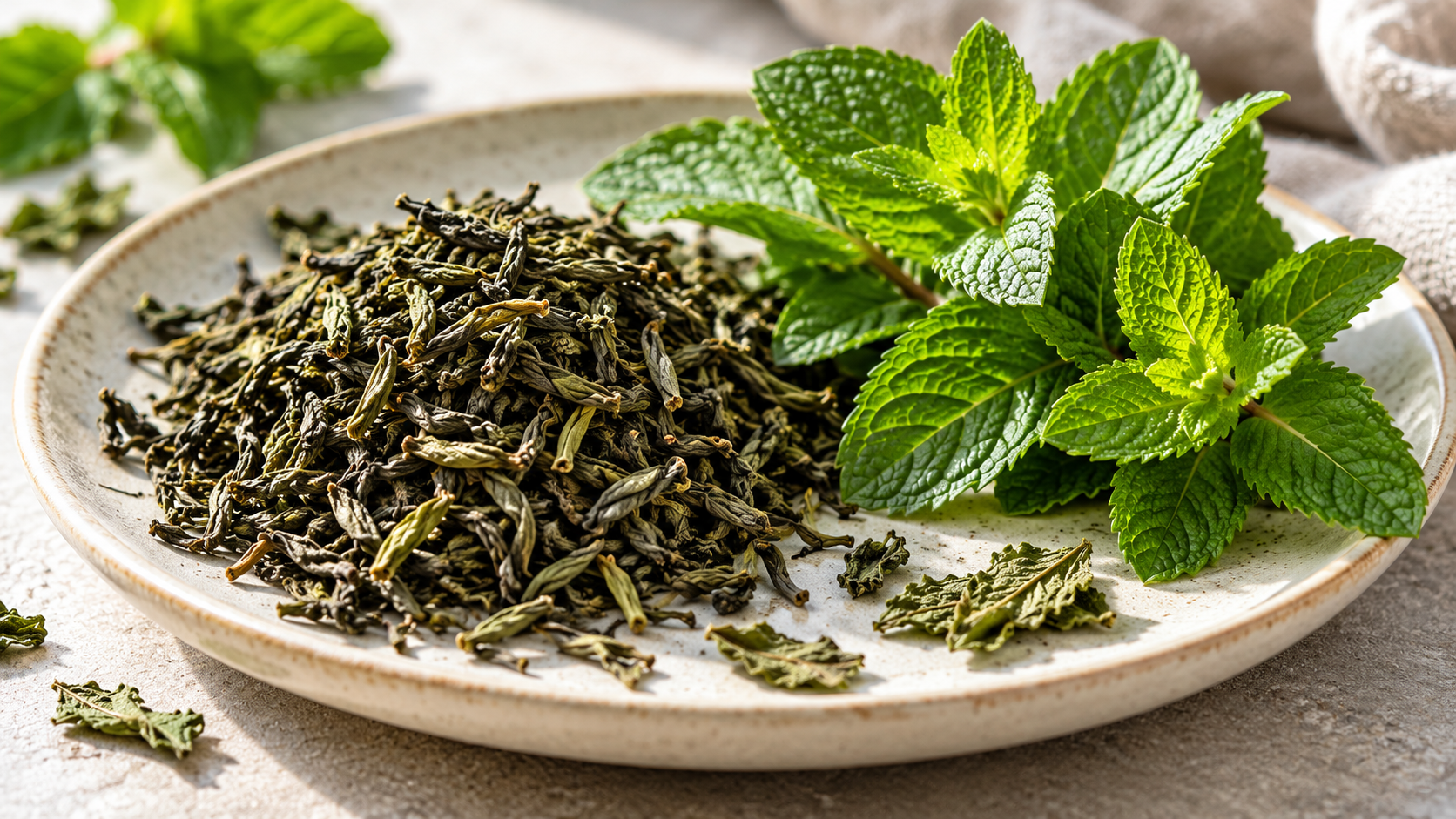
Peppermint green tea is a blend of green tea from Camellia sinensis and peppermint leaves, combining green tea’s fresh, slightly astringent body with mint’s cooling finish. Unlike pure peppermint tea, it contains caffeine from the green tea, so it is positioned as a refreshing daytime tea rather than a caffeine-free herbal drink.
This guide explains how to build a mint green tea drink for cans and bottles: balancing astringency and cooling, protecting green colour, choosing between peppermint and spearmint, and keeping the drink stable. If you want a caffeine-free option instead, start with our peppermint tea flavour options for RTD. ACM Beverage currently offers flavoured green teas but not a mint version; a peppermint green tea would be developed on request.
How is peppermint green tea different from pure peppermint tea?
Peppermint green tea contains caffeine and has the astringent, grassy body of green tea, while pure peppermint tea is caffeine-free and tastes only of mint. The green tea adds structure and a more “tea-like” mouthfeel, so the blend feels fuller, but it also brings colour stability and astringency challenges that pure mint tea does not have.
That difference affects the whole product. A peppermint green tea can be marketed as an energising or refreshing daytime drink, while pure peppermint tea suits all-day and evening use. Labelling must reflect caffeine where required, and the shelf will be different: peppermint green tea usually sits with RTD teas, while pure mint tea may sit with herbal or functional drinks.
Balancing astringency and cooling
The core of a good mint green tea is balance between green tea’s astringency and mint’s cooling. Too much green tea makes the drink dry and bitter; too much mint makes it taste like a flavoured water.
- Green tea strength: a lighter green tea base lets mint lead; a stronger base creates a “tea first, mint finish” profile.
- Mint intensity: peppermint adds sharp cooling; small amounts go a long way.
- Sweetness: a light sweetness can soften astringency and round the mint, but many brands target unsweetened versions.
- Acidity: a small amount of acid or lemon can brighten the drink and help with processing, though it changes the classic profile.
| Profile | Green tea level | Mint level | Taste impression |
|---|---|---|---|
| Mint-forward | Light | Medium to high | Cool and fresh, soft tea body |
| Balanced | Medium | Medium | Clear tea character with a cooling finish |
| Tea-forward | Medium to strong | Light | Classic green tea with a hint of mint |
Levels are qualitative. Actual dosages depend on tea grade, mint source and processing, and should be set through tasting on processed samples.
Why does green colour fade in mint green tea?
Green colour fades because chlorophyll and green tea polyphenols change under heat, light and oxygen, shifting the drink from fresh green or yellow-green toward yellow-brown. Heat treatment starts the change and storage continues it, so a drink that looks bright on day one may look dull weeks later.
Shoppers associate green colour with freshness, so this matters commercially. Practical ways to manage it include:
- Controlling extraction temperature and time to avoid pulling out compounds that brown quickly.
- Minimising oxygen during processing and filling, and in headspace.
- Using an antioxidant such as ascorbic acid where permitted, which is common in RTD green teas.
- Choosing cans or light-protective bottles when a long shelf life is required.
- Accepting a natural golden tone and positioning the drink accordingly, rather than chasing bright green.
Many commercial green tea drinks are yellow-gold rather than green, and consumers accept that. Setting a realistic colour target is easier than fighting chemistry.
Peppermint or spearmint for green tea?
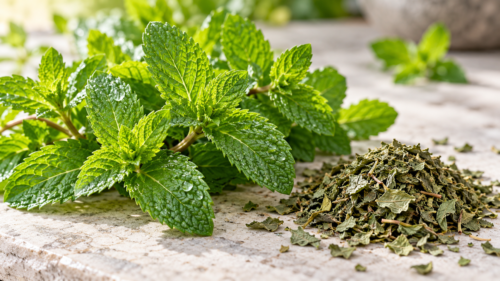
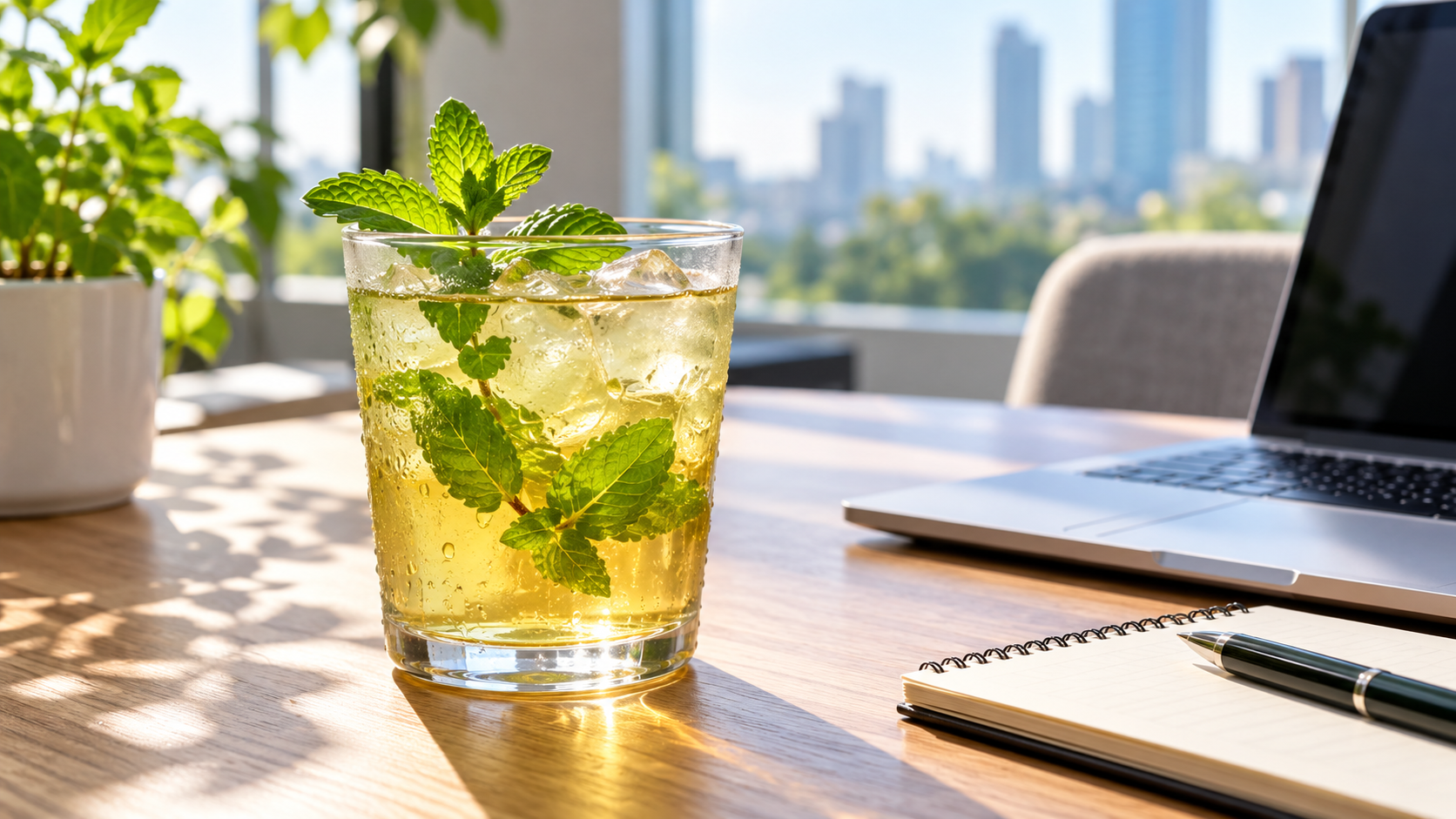
Peppermint gives a sharper, cooler, more intense mint, while spearmint gives a sweeter, softer mint that blends more gently with green tea. Spearmint is the traditional choice for Moroccan-style mint tea, while peppermint suits brands wanting a bold, cooling profile. Some formulas blend both.
The distinction matters for naming as well as taste. “Moroccan peppermint tea” is a common search, but traditional Moroccan mint tea uses spearmint with gunpowder green tea and sugar. If your product uses peppermint, avoid presenting it as traditional Moroccan; if you want the Moroccan story, see our guide to spearmint and Moroccan mint tea.
Choosing the green tea base
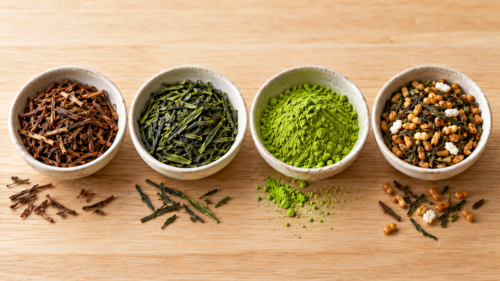
The green tea used shapes the blend. Steamed Japanese-style green teas give grassy, vegetal notes; pan-fired Chinese-style teas such as gunpowder give a toastier, rounder taste. For RTD, extract-based green tea gives consistency, while brewed leaves give a more authentic profile.
Flavoured green teas offer a useful reference for balance. The jasmine green tea in a sleek 320ml can shows how a floral note sits on a green tea base in a can format; mint would play a similar role, but with cooling rather than floral aroma. Other current flavours are listed in the green tea drink category.
Green tea with mint leaves vs mint flavour
“Green tea with mint leaves” suggests real leaves in the recipe, which supports an authentic, natural message. In practice, many RTD drinks combine brewed or extracted mint leaves with a small amount of natural mint flavour or oil to restore aroma lost during processing.
- Leaves or extract only: natural taste and label, but aroma may fade over shelf life.
- Leaves plus natural flavour: better aroma retention; flavour must be declared.
- Peppermint oil: strong, stable cooling at very low dosage; needs proper dispersion to avoid oily spots.
Whichever route you choose, label wording must match the formula. “Made with real mint leaves” is only accurate if leaves or leaf extract are used.
Processing and stability considerations
A peppermint green tea faces the challenges of both its components: green tea’s colour change and astringency, and mint’s volatile aroma. The heat treatment must make the drink safe and shelf stable while protecting flavour as much as possible. It should be chosen with the pack and the drink’s acidity in mind and validated for the specific formula.
Shelf-life testing should track colour, mint aroma, tea flavour, sediment and microbiological stability. Green tea can form a fine haze, known as tea cream, when chilled, which may need filtration or formulation adjustments. Mint aroma typically fades before other attributes, so sensory evaluation often sets the practical shelf life.
Positioning a mint green tea
Peppermint green tea suits daytime refreshment: lunch, afternoon, after exercise. Its messages can focus on taste and experience, such as fresh, cooling, smooth green tea and no or low sugar where true. Avoid claims about metabolism, fat burning, digestion or antioxidants as benefits, which are regulated health claims in most markets. Caffeine should be declared according to local rules.
Product brief checklist
- Profile: mint-forward, balanced or tea-forward.
- Mint choice: peppermint, spearmint or both.
- Green tea style and origin requirements.
- Colour target: green-leaning or golden.
- Sweetness and labelling targets.
- Pack type, size and channels.
Before drafting the brief, the beverage builder for packaging and flavour helps organise pack and size options.
How to taste peppermint green tea samples
Mint green tea combines two attributes that change with tasting conditions. Mint cooling builds with repeated sips, while green tea astringency becomes more noticeable as the palate dries. A structured approach gives better feedback.
- Taste every sample chilled, as the consumer would drink it.
- Compare no more than three or four samples per session, with water between them.
- Rate tea character, mint cooling, astringency, sweetness and aftertaste separately.
- Note colour under the same light for every sample, since colour perception changes with lighting.
- Repeat the tasting after a few weeks of storage to see how mint aroma and colour hold up.
Common development problems and fixes
| Problem | Likely cause | Typical fix |
|---|---|---|
| Dry, bitter finish | Green tea too strong or over-extracted | Lower tea strength or extraction temperature |
| Mint tastes like toothpaste | Too much peppermint oil | Reduce oil and use leaf-based mint for body |
| Colour turns brown quickly | Oxygen, light or heat exposure | Improve oxygen control, add permitted antioxidant, use protective pack |
| Haze when chilled | Tea cream formation | Adjust extraction or add a cooling and filtration step |
| Mint fades over shelf life | Aroma loss or packaging absorption | Add natural mint flavour; test in final pack |
As with any blend, change one variable at a time. That way each sample round shows clearly what improved the drink and what did not.
Where peppermint green tea fits in a tea range
Peppermint green tea works best as a member of a wider tea range rather than as a standalone product. In a green tea line, it adds a cooling option beside floral and fruit flavours such as jasmine, hibiscus or butterfly pea and lemon. In a mint line, it adds a caffeinated daytime choice beside caffeine-free peppermint and spearmint teas.
Giving each product a clear role helps shoppers choose. Pure mint teas can be presented as all-day, caffeine-free refreshment; peppermint green tea as a fresh, lightly energising tea for the working day. Packaging can support these roles through colour and size, for example a slim can for the green tea blend and a larger bottle for a herbal mint.
Retail buyers also look for clear differences between SKUs. If two products in the range taste similar, one of them is likely to be delisted, so taste each new blend side by side with existing products before finalising it.
Frequently asked questions about peppermint green tea
Does peppermint green tea have caffeine?
Yes. The green tea in the blend contains caffeine. Only pure peppermint or other herbal mint teas without tea leaves are caffeine-free.
Why does my green tea and mint sample turn yellow?
Green tea colour naturally shifts toward yellow or brown with heat, light and oxygen. Processing controls, antioxidants where permitted and protective packaging slow the change, but some shift is normal.
Is Moroccan mint tea made with peppermint?
Traditionally, no. Moroccan mint tea uses spearmint with gunpowder green tea and sugar. Peppermint versions exist but are a variation on the traditional recipe.
Can peppermint green tea be sold unsweetened?
Yes. Mint’s cooling effect helps an unsweetened green tea taste refreshing, and many brands target no-sugar shelves with this blend. The main risk is astringency, which becomes more noticeable without sugar, so a lighter green tea base or a mint-forward profile usually works best for unsweetened versions.
Building your peppermint green tea
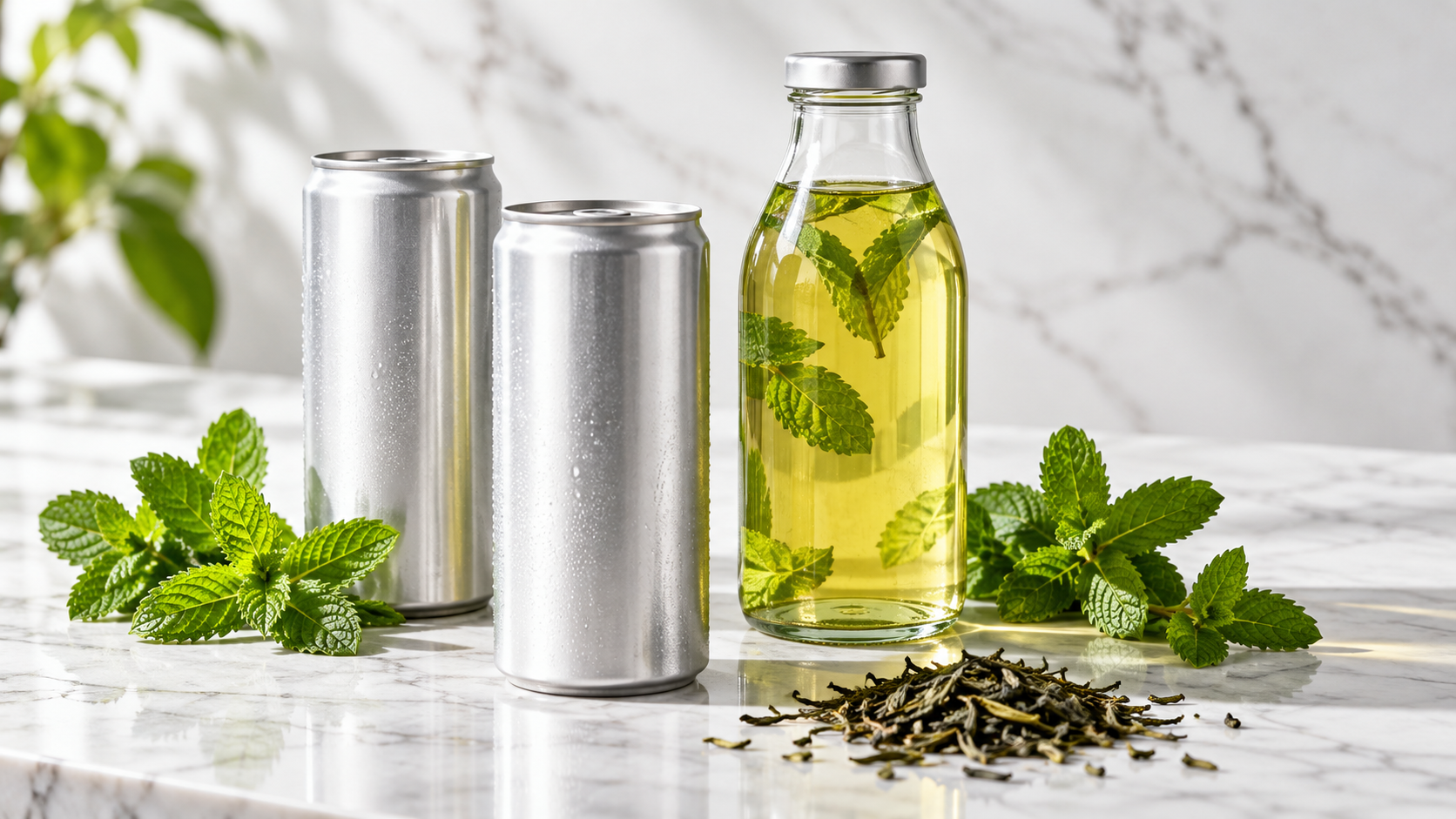
A successful peppermint green tea balances astringency and cooling, sets a realistic colour target and protects mint aroma through processing and storage. Choose your mint, tea base and profile early, and test in the final pack. ACM Beverage can review your brief and outline how a mint green tea drink in cans or bottles could be developed.
A short side-by-side tasting of mint-forward, balanced and tea-forward samples, served chilled, usually settles the direction quickly. Once the profile is agreed, decisions on colour target, sweetness and pack become much simpler, and the brief can be written with specific reference points instead of general preferences.