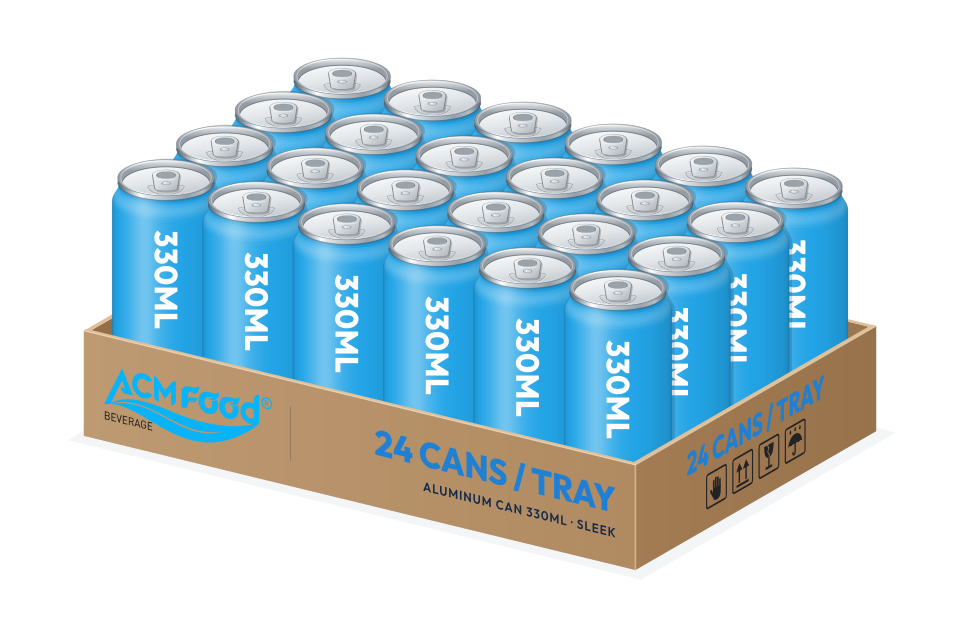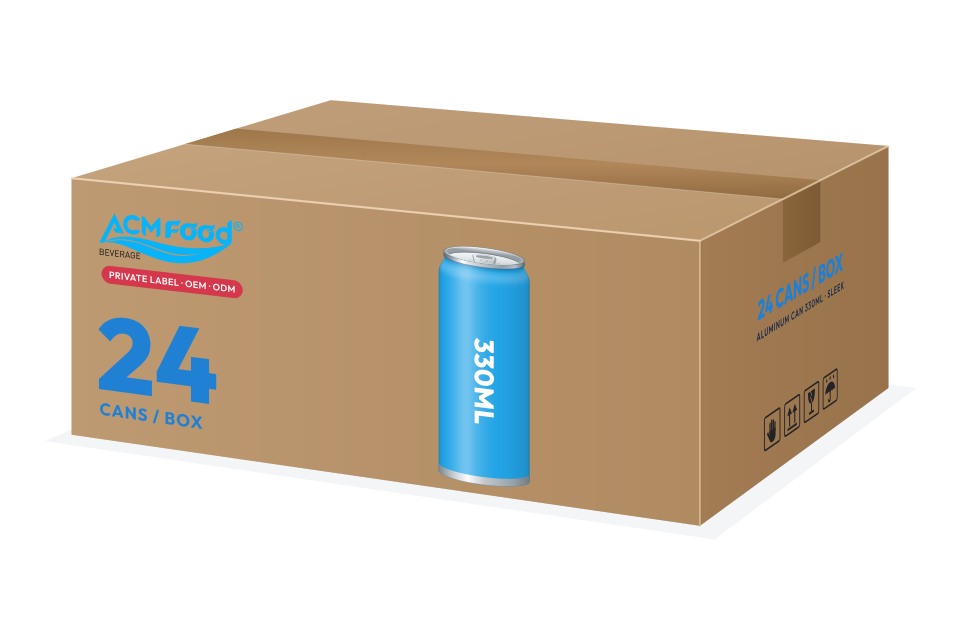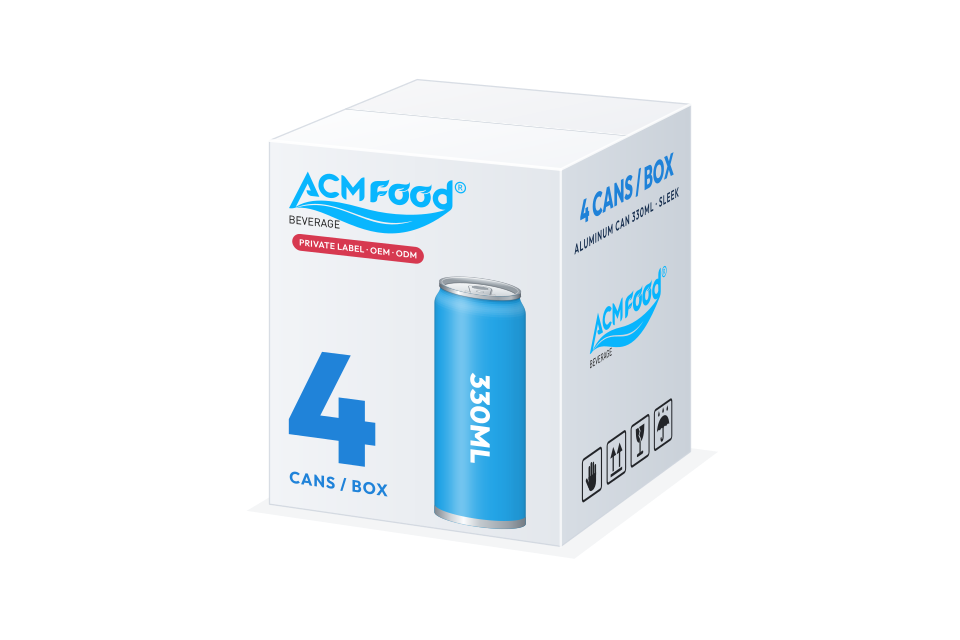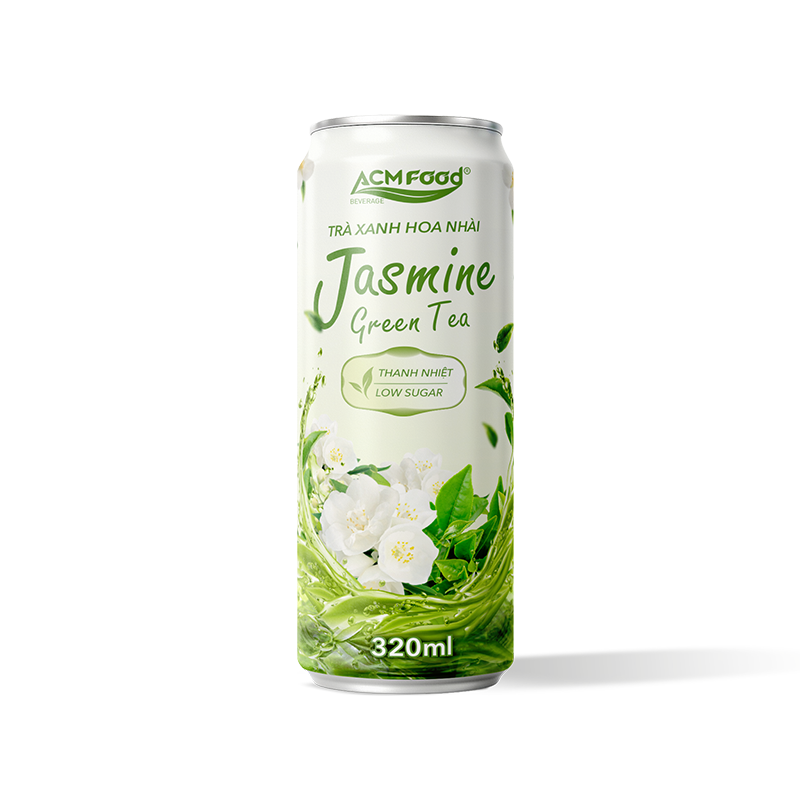
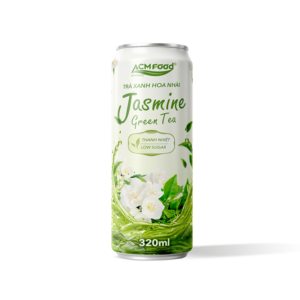
There are two ways to put jasmine into a tea drink. One is to add jasmine flavouring to brewed green tea at the mixing stage. The other is to scent the tea leaf itself with fresh blossom before brewing, repeating the exposure over several cycles so the leaf absorbs the aroma. The second method costs more and takes longer, and it is the reason traditional jasmine tea tastes different from the flavoured kind.
Scented, Not Dosed
This jasmine green tea is built on scented leaf. The practical effect a buyer can taste is in the finish: a dosed jasmine flavour peaks immediately and then drops away, while scented leaf carries the floral note through the swallow and leaves it behind. In a blind tasting against competitor samples, that tail is usually what decides the listing.
The Lowest-Risk SKU in a Tea Range
Jasmine needs no consumer education anywhere in Asia and very little elsewhere. That makes it the anchor rather than the experiment — the volume line a distributor can forecast against while newer herbal variants in the same green tea range find their audience. It carries a four-facing planogram without needing promotion to move.
Why the Can Suits This Particular Tea
Jasmine aroma is volatile and light-sensitive, and it is the first thing to fade in a clear bottle sitting under retail lighting. An opaque, fully sealed aluminium can removes both exposures, so what the consumer opens at month fifteen still smells like what was filled. Shelf life is 18 months at ambient with no refrigeration at any point, compatible with existing tea drink distribution.
Production Terms
Certification covers FSSC 22000, ISO 22000 and HACCP, with retained samples kept for every batch. Output reaches 20,000 cartons a day against a 500-carton minimum, 15 to 30 day lead time, T/T, ex Ho Chi Minh City Port. Sweetness, jasmine intensity and full private label artwork are set per order.