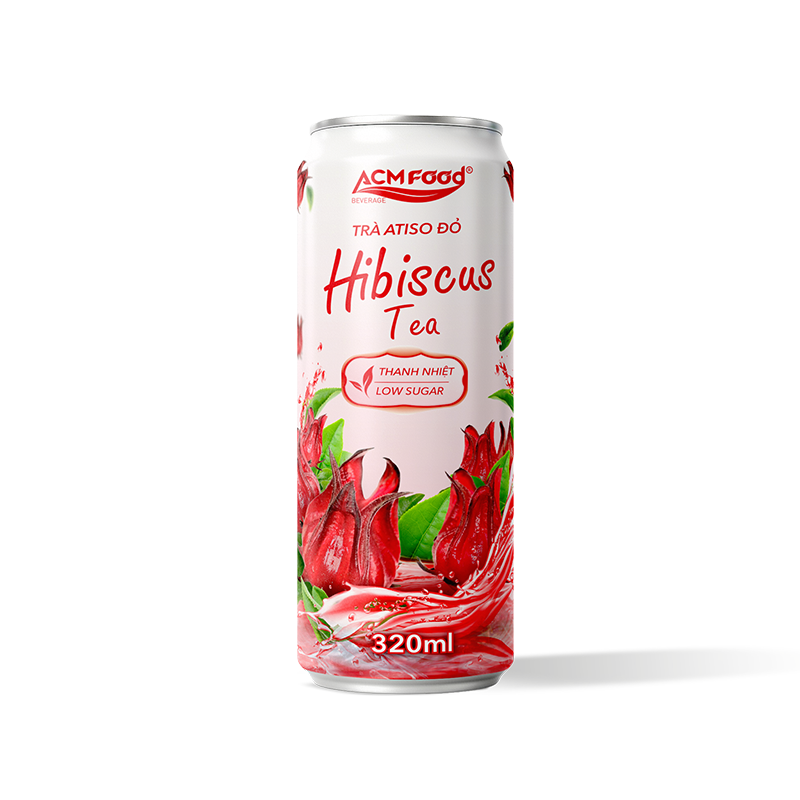
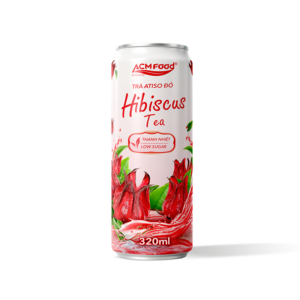
Hibiscus is one of the few botanicals that arrives in a new market already understood. It is karkade in Egypt and the Gulf, bissap across West Africa, agua de Jamaica through Mexico and the southern United States, and roselle in much of Southeast Asia. The names differ; the expectation of something deep red and sharply tart does not.
One Flower, Several Market Names
For an exporter that is a commercial advantage rather than a labelling nuisance. A private label buyer can run this hibiscus green tea under whichever local name their shopper recognises, on the same fill, without reformulating for each destination. Artwork changes; the liquid does not.
Tartness as a Range Position
Most canned tea ranges skew sweet or floral, which leaves the sour end of the shelf empty. Hibiscus fills it. Its natural acidity gives a clean, thirst-quenching finish that performs in hot climates, and it gives a buyer a second taste position that genuinely differs from a jasmine or chrysanthemum line rather than duplicating it inside the same green tea family.
Protecting the Colour
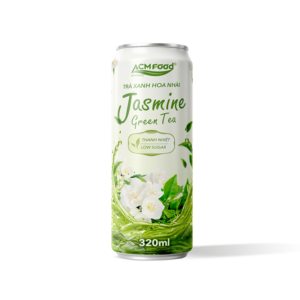
The red comes from anthocyanin, the same pigment class that fades fastest under light. In a clear bottle a hibiscus drink browns well before its stated shelf life; in an opaque aluminium can it does not. Shelf life is 18 months at ambient, no cold chain at any stage, compatible with existing ambient tea drink distribution.
Format and Terms
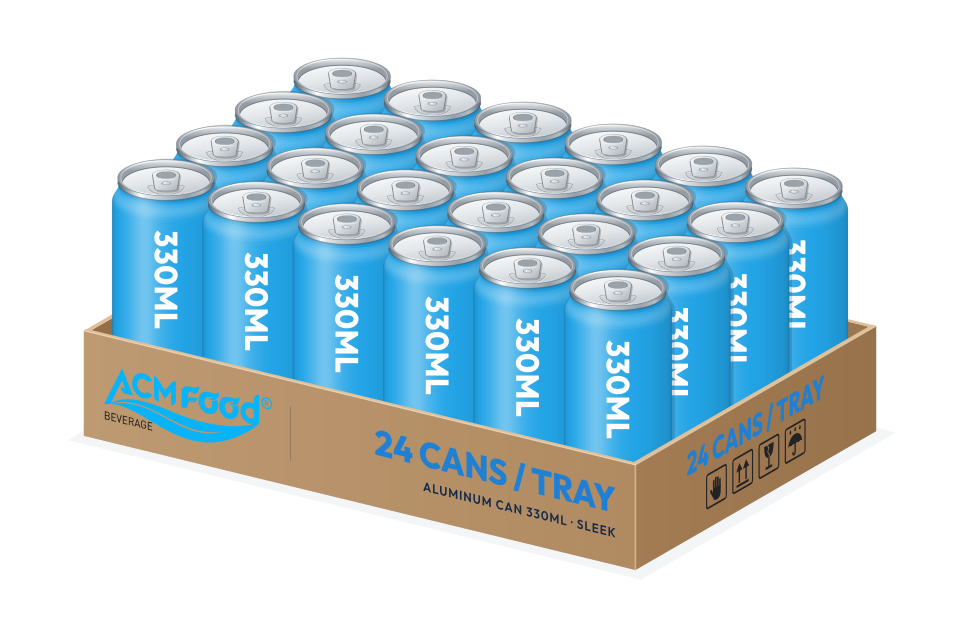
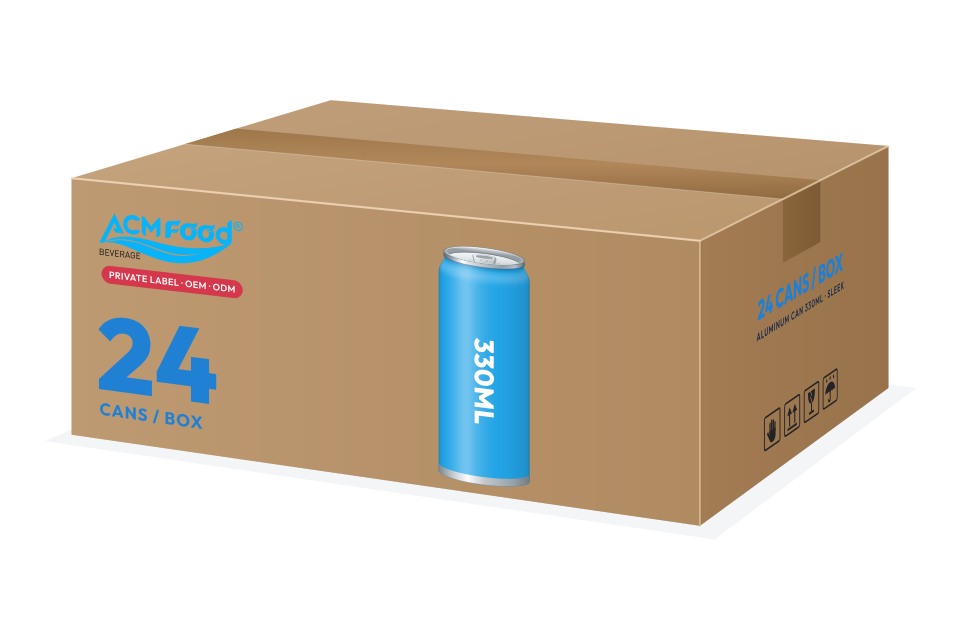
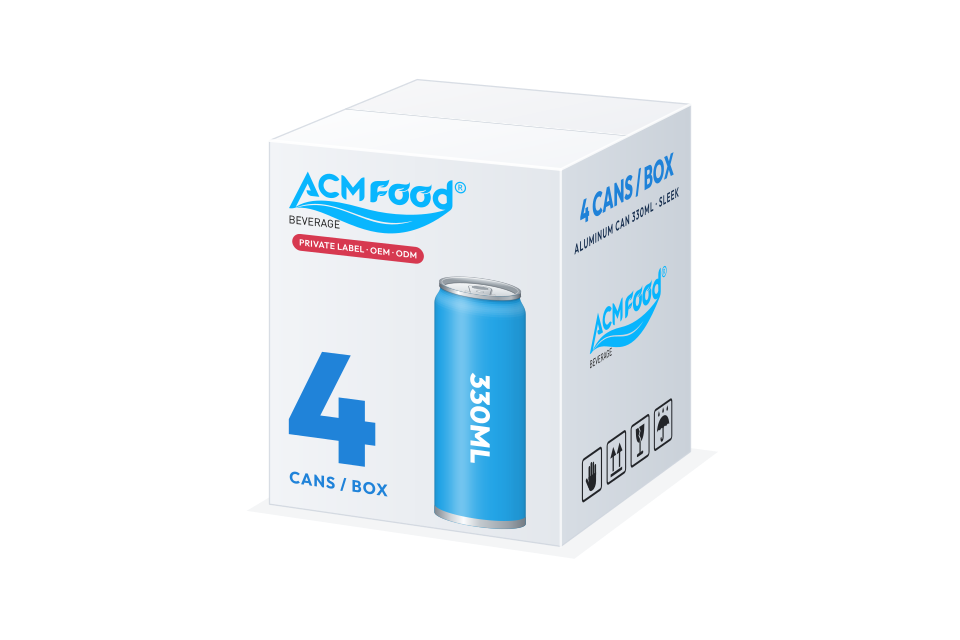
The line is FSSC 22000, ISO 22000 and HACCP certified, traceable batch by batch. Capacity stands at 20,000 cartons per day, minimum order 500 cartons, lead time 15 to 30 days, T/T terms, Ho Chi Minh City Port. Sweetness, acidity balance and full private label artwork, including local product naming, are set per order.