Honey is easy to put on a label and hard to put in a can. Heat treatment is what makes a shelf-stable beverage possible, and heat is also what strips honey of its aromatic character and drives up the markers that quality standards use to detect over-processing. A honey drink that has been treated carelessly still tests as honey but no longer tastes like it.
Putting Honey Through Heat Treatment
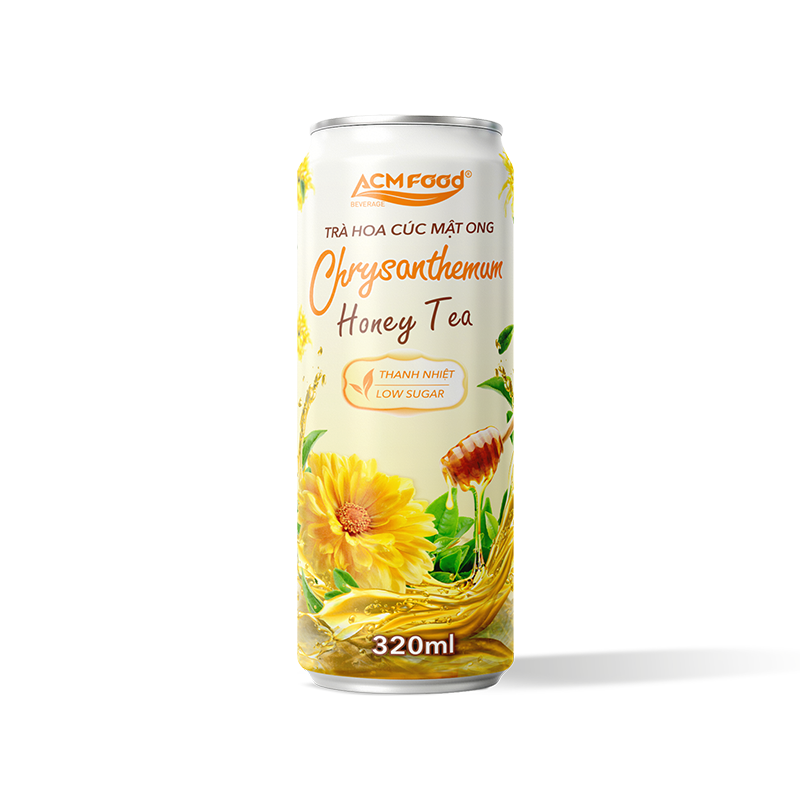
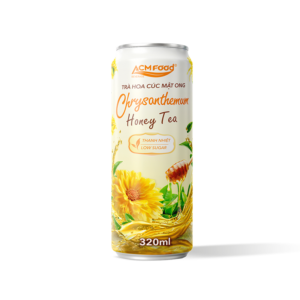
The build for this chrysanthemum honey green tea works around that by controlling when the honey enters the process and how long it sits at temperature, rather than treating it as one more ingredient dumped in at the mixing tank. The point is a finished drink where honey is doing recognisable work in the flavour, not just occupying a line on the ingredient declaration.
Why Chrysanthemum Is the Right Partner
Chrysanthemum on its own is delicate and slightly grassy, and it has a long-established place in East and Southeast Asian drinking culture as a cooling infusion. It has almost no sweetness of its own, which leaves room for honey to sit in the middle of the profile instead of fighting the botanical. Sugar would flatten it; honey rounds it.
The Buyer This Is Aimed At
Retailers moving shelf space away from high-sugar carbonates need replacements that still taste sweet enough to satisfy, and naturally sweetened positions test better with that shopper than zero-sugar ones. Ranged within a wider green tea set, this is the variant that bridges traditional herbal tea and mainstream ready-to-drink.
Format and Terms
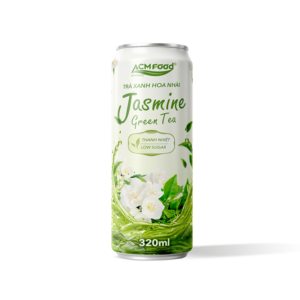
Sealed 320ml sleek aluminium can, 18 months at ambient with no refrigeration, moving through standard tea drink logistics. Production carries FSSC 22000, ISO 22000 and HACCP certification with per-batch traceability and retained samples. 20,000 cartons a day of capacity, 500 cartons minimum, 15 to 30 days to ship, T/T, loading Ho Chi Minh City Port. Honey loading, total sweetness and private label artwork are set per order.