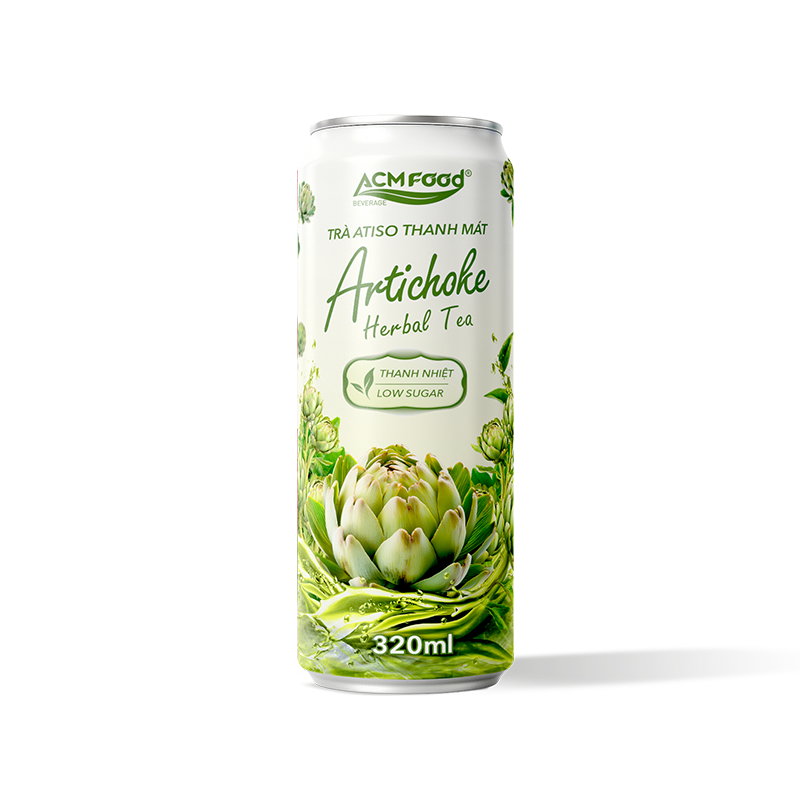
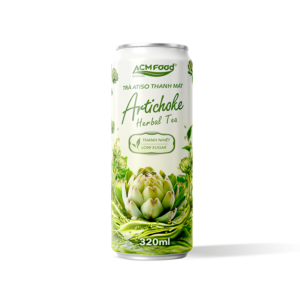
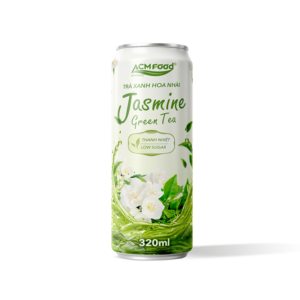
Artichoke is difficult to sell in a can for one reason: the compounds that give the plant its reputation are the same ones that taste bitter. Most ready-to-drink versions solve that by adding enough sugar to bury the problem, which leaves a drink that no longer tastes of artichoke at all.
Where the Raw Material Comes From
Vietnam has a genuine artichoke growing region in the Da Lat highlands, where the cool climate lets the plant mature slowly instead of being forced. That matters commercially, not just agriculturally — a supplier working from local fresh material can control extraction time and temperature, while one buying imported dried extract inherits whatever the extraction already did to the flavour.
Managing Bitterness at Extraction, Not with Sugar
In this artichoke green tea the extraction is stopped before the harshest fractions are pulled through, then balanced against a light green tea base that carries its own gentle astringency. The result reads as earthy and clean rather than medicinal, which is what makes it drinkable in a 320ml single serve rather than a small medicinal dose.
Who Lists It
Buyers place this alongside pharmacy-adjacent shelves, wellness aisles and modern trade, where it sits next to a conventional green tea without competing on the same benefit. Demand is steady rather than promotional, so it holds shelf space through the year instead of spiking and dying with a season.
Format and Terms
The 320ml sleek aluminium can is fully sealed and light-proof, holding 18 months at ambient temperature with no cold chain, so it moves through the same ambient tea drink logistics as the rest of a canned range. The plant holds FSSC 22000, ISO 22000 and HACCP certification and runs to 20,000 cartons per day. Orders start at 500 cartons, ship 15 to 30 days after approval on T/T terms, and load at Ho Chi Minh City Port. Formulation, sweetness level and full private label artwork are open to the buyer.