
Hojicha tea is a Japanese green tea that has been roasted over high heat, turning the leaves reddish-brown and giving the drink a toasty, caramel-like flavour with very little bitterness. Unlike most green teas, hojicha brews to an amber colour and tastes smooth and warm rather than grassy, which makes it a natural candidate for ready-to-drink formats.
This guide looks at hojicha as an RTD in cans and bottles: its flavour profile, how roasting affects caffeine, unsweetened and latte variants, sales channels and packaging. A deeper comparison of hojicha against sencha and matcha is available in our article on how hojicha differs from green tea. ACM Beverage does not currently list a hojicha SKU; the content below describes development on request for brand owners.
What is hojicha tea and how is it made?
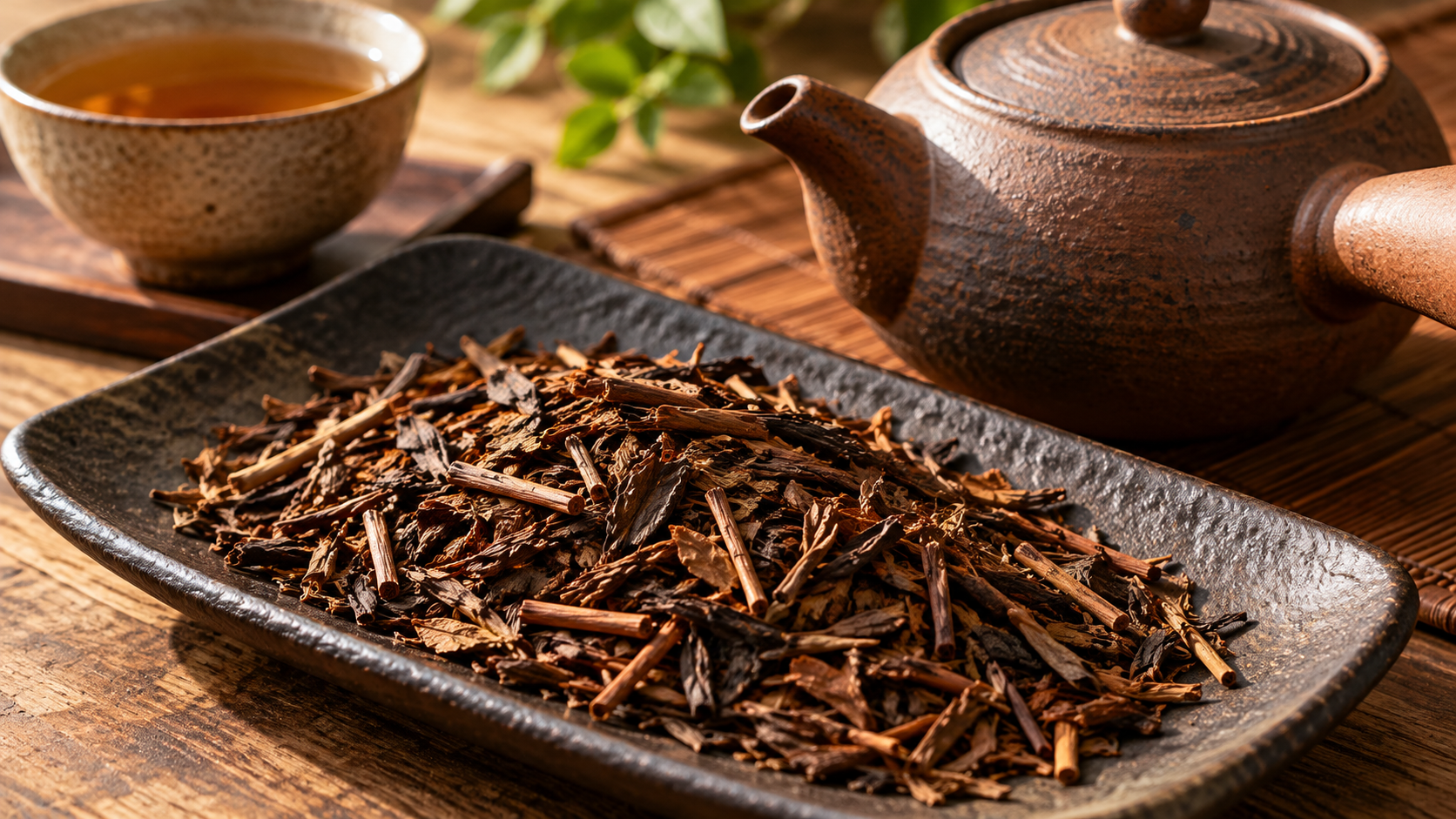
Hojicha is green tea, usually bancha or kukicha made from later-harvest leaves and stems, that is roasted at high temperature after the normal steaming and drying. Roasting changes the colour from green to brown, replaces grassy notes with toasty ones and reduces bitterness. The result is a mellow tea that many people find easy to drink hot or cold.
The name comes from Japanese: hōji means roasted, and cha means tea. Japanese hojicha tea originated as a way to make use of coarser leaves and stems, and roasting turned them into a distinctive, comforting drink. Today it appears in Japanese cafés, convenience stores and desserts, and it is gaining recognition abroad as hojicha iced tea and hojicha latte. You may also see the misspelling “hochija tea” in searches; it refers to the same product.
Because the base is green tea from Camellia sinensis, hojicha still contains caffeine. The roasting process is what changes how strong and bitter it tastes.
Hojicha tea flavour profile in RTD form
Hojicha’s flavour holds up well in cans and bottles because its toasty character is less fragile than the fresh, grassy notes of sencha. Typical descriptors include roasted, nutty, caramel, woody and lightly smoky, with low astringency.
- Light roast: softer and slightly sweet, with a faint green tea background. Good for unsweetened iced tea.
- Medium roast: the classic hojicha profile, balanced roasted and caramel notes. Suits most RTD uses.
- Dark roast: deeper, coffee-like and smoky, with a darker colour. Pairs well with milk.
Because of its low bitterness, unsweetened hojicha drinks are more approachable than unsweetened green tea for many consumers. That is an advantage for brands that want a no-sugar tea without the sharpness that some shoppers dislike.
Does hojicha have less caffeine than other green teas?
Hojicha is generally described as lower in caffeine than sencha or matcha, mainly because it is often made from more mature leaves and stems, which tend to contain less caffeine than young leaves. The difference varies by raw material and recipe, so any caffeine statement on a label must come from testing the final drink.
It is a common belief that roasting itself “burns off” much of the caffeine, but the effect of raw material choice is usually more significant than the roasting step. For a brand, the practical points are:
- Do not describe hojicha as caffeine-free. It is a green tea and contains caffeine.
- “Lower caffeine” or “low caffeine” wording may be regulated in some markets; use it only when testing supports it and local rules allow it.
- Many brands simply describe hojicha as “a mellow roasted green tea” and declare caffeine as required, which avoids comparative claims.
Hojicha drink variants for cans and bottles
Hojicha supports several RTD styles. The table below compares the main options.
| Variant | Profile | Key ingredients | Development notes |
|---|---|---|---|
| Unsweetened hojicha iced tea | Clean, roasted, light body | Hojicha extract, water | Simplest formula; focus on roast aroma and clarity |
| Lightly sweetened hojicha tea | Rounder, caramel-forward | Hojicha, sugar or reduced-sugar system | Sweetness enhances roasted notes; check sugar labelling |
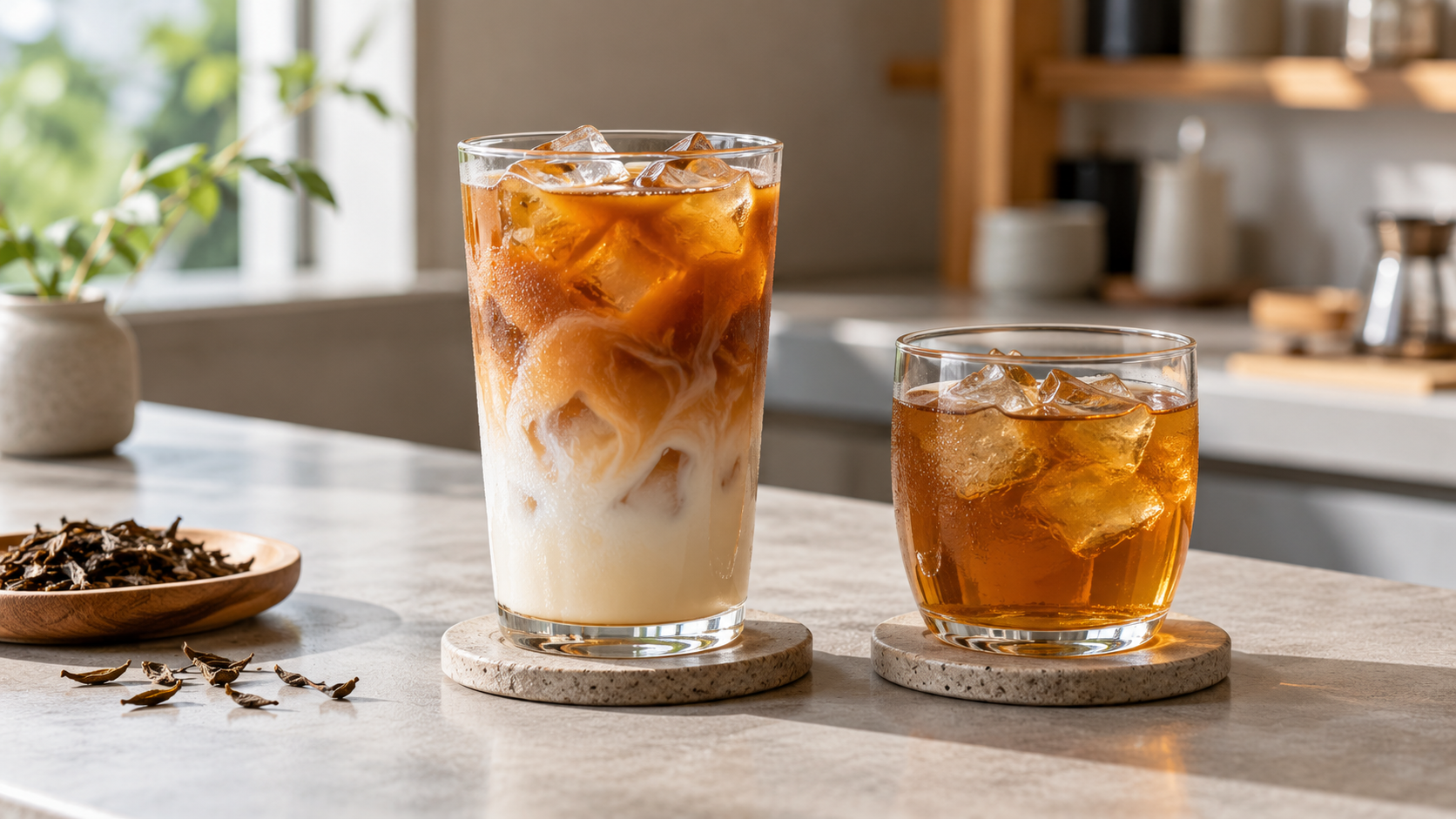
| Hojicha milk tea / hojicha latte | Creamy, dessert-like | Hojicha, dairy or plant-based milk, sweetener | Needs emulsion stability and suitable heat treatment for milk drinks |
| Hojicha with grain or citrus | Toasty with brown rice, or brighter with yuzu or lemon | Hojicha plus partner ingredient | Partner must not hide the roast; test at serving temperature |
Hojicha milk tea deserves a special note. Milk-based drinks are more technically demanding than clear teas because they can separate, form sediment or develop cooked flavours. Plant-based milks such as oat or soy each behave differently, so the base should be chosen early.
Who buys hojicha drinks and where?
Hojicha drinks sell in Japanese and East Asian retail, in specialty cafés worldwide and increasingly in Western convenience and premium grocery channels where matcha has already built interest in Japanese tea. Shoppers who find matcha too grassy or bitter often see hojicha as a smoother alternative.
Common channel opportunities include:
- Asian supermarkets and Japanese grocers abroad: shoppers know the product, so authenticity and roast quality matter most.
- Specialty coffee and tea cafés: hojicha latte is a popular menu item; a canned or bottled version extends this to retail.
- Premium convenience and grocery: unsweetened hojicha fits the growing shelf space for no-sugar teas.
- Online and subscription boxes: a good channel for testing new variants with tea-focused consumers.
Regulations on caffeine labelling, sugar taxes and milk-based drinks differ between markets, so the target country should be chosen before finalising the recipe.
Using an existing green tea range as a reference
Brands that already sell green tea RTDs can treat hojicha as a natural extension: same tea plant, different processing and flavour. The current green tea drinks in sleek cans illustrate how flavoured green teas are packaged in a 320ml format, and the jasmine green tea in a sleek can is a useful example of a lighter, aromatic profile. Hojicha would sit at the warmer, roasted end of such a range.
Packaging hojicha tea in cans and bottles
Packaging choice depends on the variant and channel.
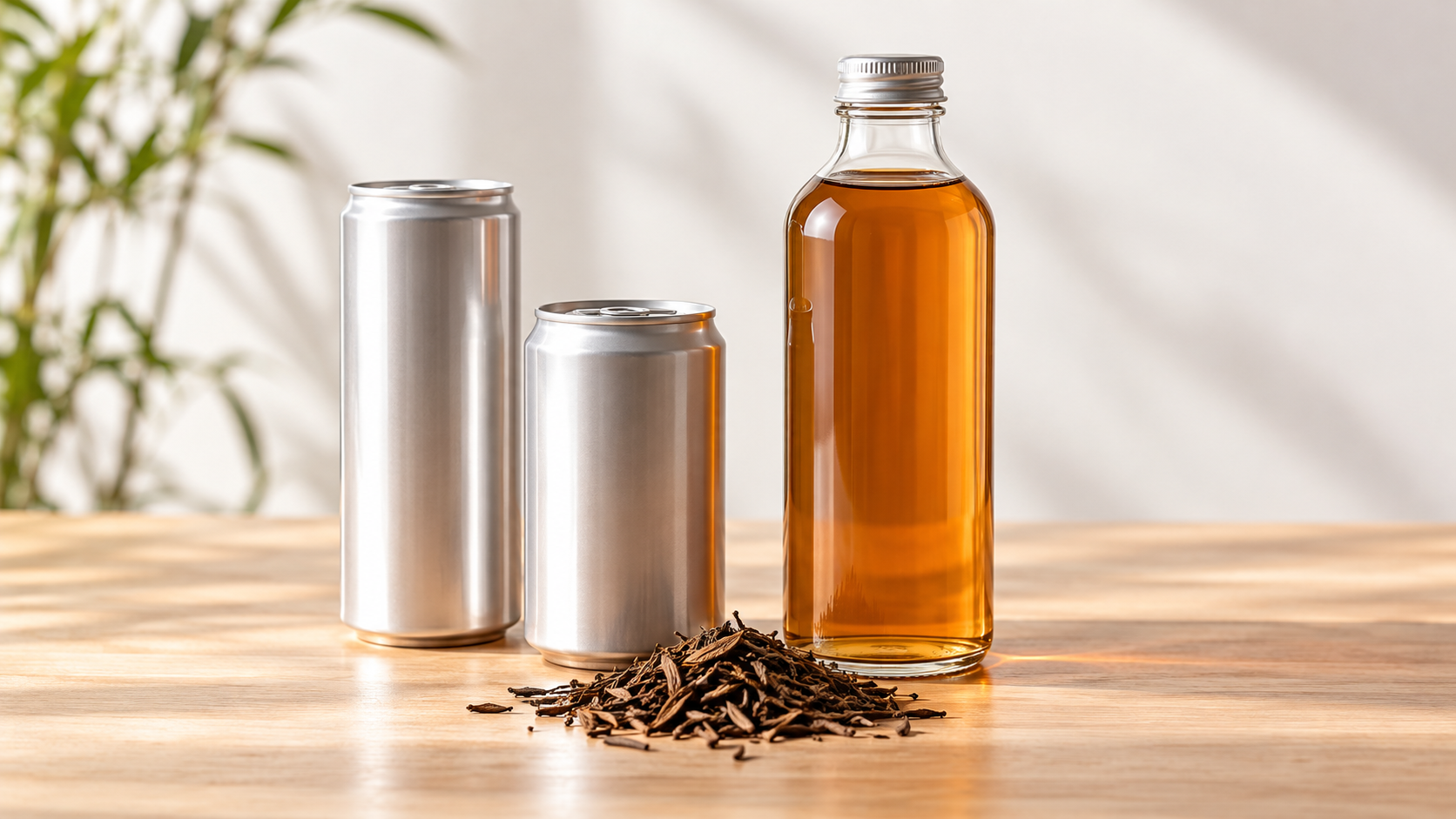
- Sleek or slim aluminium cans: protect roast aroma and colour from light and oxygen, and they suit premium convenience and café retail. They are also a good choice for milk tea because they handle demanding heat treatments.
- PET bottles: common in Japanese convenience stores for clear teas. They show the amber colour and offer resealability, but need a process suited to PET.
- Glass bottles: reserved for premium positioning or hospitality.
Roasted aroma is the attribute most likely to fade, so oxygen control during filling matters more than for many other teas.
Labelling and positioning hojicha
Hojicha’s story is about craft and taste: roasted Japanese green tea, smooth, low bitterness. These are honest, attractive messages that need no health claims. Avoid statements about digestion, relaxation or metabolism unless they are authorised in the target market. If the tea is sourced from Japan, origin claims such as “Japanese hojicha” require documentation from the supply chain.
What to include in a hojicha product brief
- Variant: unsweetened, lightly sweetened, milk tea or blend.
- Roast level preference, with a reference product if possible.
- Origin requirements for the tea leaves.
- Sweetness and sugar labelling targets for your markets.
- Pack type and size for each channel.
- Required shelf life and storage conditions.
How sampling for a hojicha drink usually works
A hojicha project is easier to manage when the tasting process is structured from the first round. Roast intensity is the variable that people describe most differently, so a shared vocabulary avoids confusion between the brand and the development team.
- Agree reference points: send one or two hojicha drinks you like and one you do not, and describe why. This anchors terms such as “light roast” or “smoky”.
- Taste a roast ladder: early samples often show the same recipe at two or three roast or strength levels, which helps identify the target quickly.
- Fix sweetness second: once the roast is right, sweetness is tuned at chilled serving temperature. Changing both at once makes feedback hard to interpret.
- Evaluate processed samples: heat treatment softens roasted aroma, so final approval should be given on processed product in the intended pack.
- Check shelf behaviour: samples held over time show whether aroma fades or sediment forms, which may lead to small final adjustments.
For milk-based hojicha, add a separate check for separation and texture after storage. Shake tests and visual checks at several points in shelf life reveal problems that are invisible in a fresh sample.
Keep notes from each tasting in a simple shared format: sample code, roast impression, bitterness, sweetness, aroma and an overall score. Over several rounds, these notes show whether the product is moving toward the target or circling around it.
Common hojicha development mistakes
- Choosing roast by name only: “dark roast” from one supplier can be lighter than “medium” from another. Always judge by a physical sample.
- Over-extracting to boost flavour: long, hot extraction brings out bitterness and stem woodiness that hide the caramel notes hojicha is known for.
- Ignoring oxygen: roasted aroma fades quickly when the drink is exposed to oxygen, so filling conditions matter as much as the recipe.
- Making the latte too sweet: heavy sugar flattens roasted flavour. A lighter sweetness often lets hojicha’s character show more clearly.
Frequently asked questions about hojicha tea
Is hojicha a green tea?
Yes. Hojicha is made from green tea leaves and stems that are roasted after the usual green tea processing. The roasting changes its colour and flavour, but it is still tea from Camellia sinensis.
Can hojicha tea be sold unsweetened?
Yes. Hojicha’s low bitterness and roasted sweetness make it well suited to unsweetened RTD tea. Many Japanese bottled hojicha drinks contain no sugar.
Is hojicha milk tea harder to produce than plain hojicha?
Yes. Milk-based drinks need emulsion stability and a heat treatment suitable for milk, and they are more prone to separation and sediment. Plain hojicha tea is simpler.
Does ACM Beverage supply loose hojicha leaves?
No. The scope covers finished drinks in cans and bottles only, not loose leaf or bulk tea.
What is the difference between hojicha iced tea and hojicha latte?
Hojicha iced tea is a clear drink made from roasted tea and water, often unsweetened. A hojicha latte adds dairy or plant-based milk and usually some sweetness, giving a creamy, dessert-like profile. The latte is more complex to produce because milk drinks need emulsion stability and suitable heat treatment, while the clear iced tea is simpler and has a longer list of compatible pack options.
Bringing hojicha tea to your shelf
Hojicha tea gives brands a roasted, smooth, approachable green tea that works unsweetened, lightly sweetened or as a milk tea, and it fits cans and bottles well when roast aroma is protected. Decide your variant, roast level and target market first, then build packaging and processing around them. To compare can and bottle options, start with the beverage builder for packaging and flavour; ACM Beverage can then review your brief and outline how a custom hojicha drink could be developed.