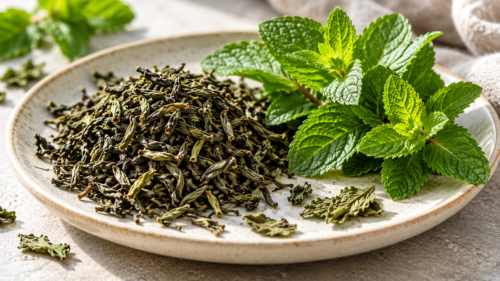


Peppermint tea is an herbal infusion made from the leaves of peppermint (Mentha × piperita), a hybrid mint known for its strong cooling taste, and it is naturally caffeine-free. As a ready-to-drink product, peppermint and other mint teas offer something few beverages do: a refreshing, cooling sensation that feels thirst-quenching without relying on sugar, acid or carbonation.
This guide is the starting point for brand owners planning a ready-to-drink mint tea line. It covers flavour options from pure peppermint to honey citrus, licorice and chocolate mint, the choice between mint oil and leaf extract, and how to keep mint aroma stable in cans and bottles. Related guides cover specific blends in more depth. ACM Beverage does not currently list a peppermint tea SKU; the information below describes development on request.
What makes peppermint tea work as an RTD?
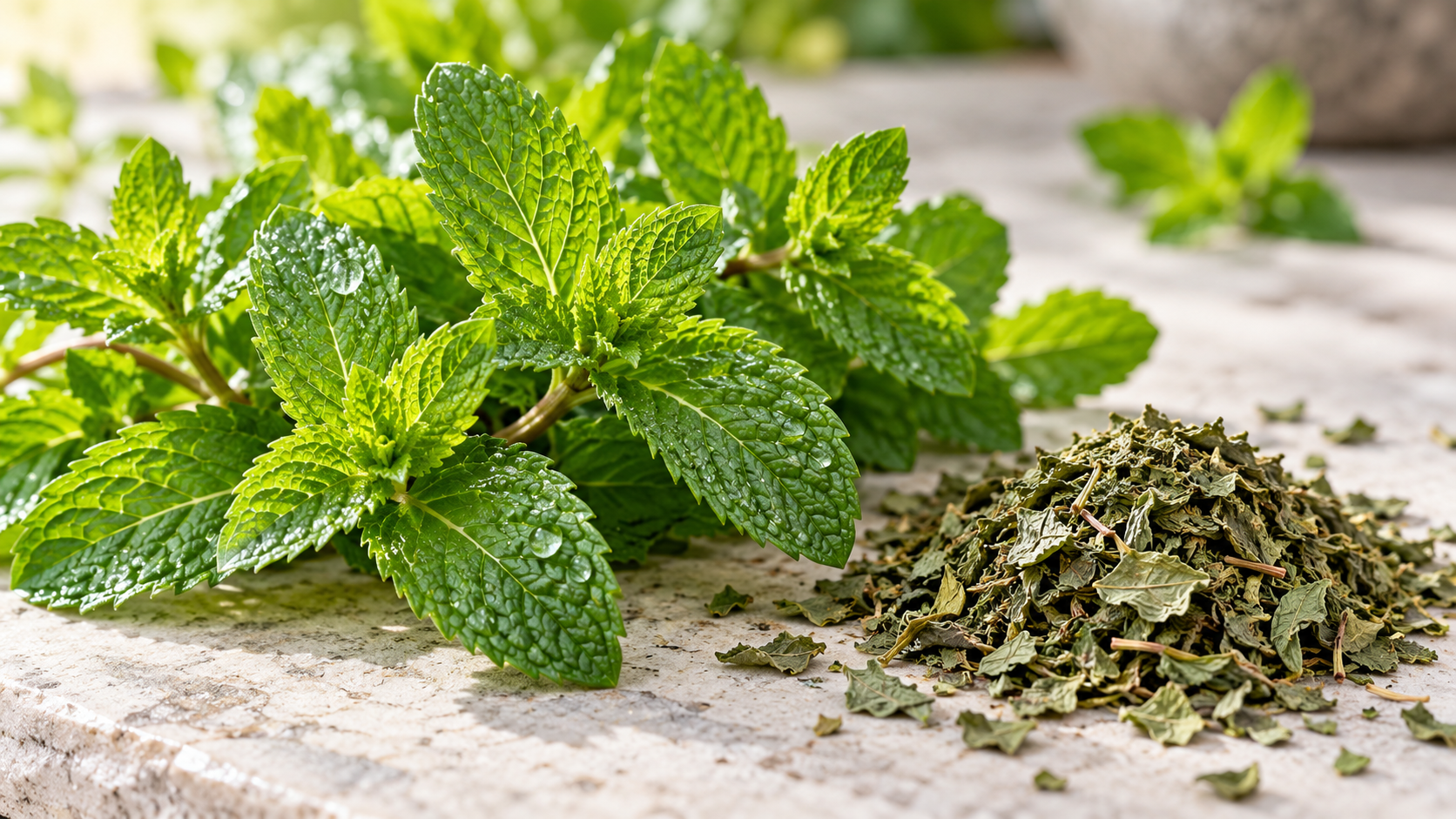
Peppermint tea works well as an RTD because its menthol-driven cooling effect is strongest when the drink is cold, it needs little or no sugar to taste finished, and it is caffeine-free. The main technical challenge is that mint aroma is volatile and can fade during heat treatment and storage, so flavour retention needs to be planned from the start.
Peppermint’s character comes largely from menthol, which creates the familiar cooling sensation, along with other aroma compounds that give it a sharp, clean, slightly sweet note. Chilling enhances that cooling, so an iced mint tea often tastes more refreshing than the same tea served hot.
That gives mint tea a clear role on shelf. It can sit beside sparkling water and unsweetened teas as a no-sugar refreshment, or beside herbal drinks as a caffeine-free option for any time of day.
Peppermint vs other mints: which mint for which drink?
“Mint tea” can mean several things. Peppermint is the strongest and coolest; spearmint (Mentha spicata) is sweeter and softer, with less menthol. Brands often choose based on the intensity they want.
| Mint type | Flavour | Cooling intensity | Typical use |
|---|---|---|---|
| Peppermint | Sharp, clean, strongly minty | High | Pure peppermint tea, chocolate mint, licorice blends |
| Spearmint | Sweet, soft, slightly herbal | Moderate | Moroccan-style mint tea, green tea blends, family-friendly profiles |
| Peppermint and spearmint blend | Rounded, balanced mint | Medium | Mainstream “real mint tea” positioning |
Spearmint and Moroccan mint tea have their own guide: spearmint and Moroccan mint tea for RTD.
Flavour options for a ready-to-drink mint tea line
A mint tea range typically begins with a core peppermint SKU and adds one or two blends that broaden its appeal. The most common directions are below.
Pure peppermint tea
A single-ingredient peppermint tea, unsweetened or very lightly sweetened, appeals to clean-label shoppers. “Pure peppermint tea” should only be used when peppermint is the sole botanical. For an “organic peppermint tea”, the leaves and, in most markets, the processing must be certified.
Honey citrus mint tea
Honey softens mint’s sharpness, while lemon or orange adds brightness. The result is a familiar, comforting profile that suits mainstream retail and cafés. When developing a honey citrus mint profile, build your own balance of honey, citrus and mint rather than imitating any specific product on the market.
Lemon mint tea
Lemon and mint together create one of the freshest caffeine-free combinations. It works unsweetened and is particularly suitable for summer and convenience channels.
Peppermint and licorice tea
Licorice root (Glycyrrhiza glabra) adds natural sweetness and an anise-like depth that pairs well with peppermint. Licorice contains glycyrrhizin, and some markets, including the EU, require specific label statements when glycyrrhizin exceeds set levels. Check the rules of your target market before formulating.
Chocolate mint tea
Chocolate or cocoa notes with peppermint create a dessert-like drink. It can be made with cocoa extract, cocoa shell infusion or natural chocolate flavour. This profile suits seasonal or indulgent ranges more than everyday hydration.
Mint with tea or spice
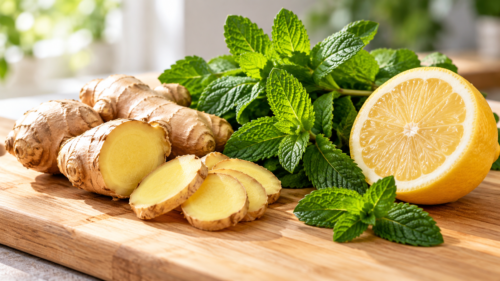
Peppermint blends with green tea add caffeine and astringency, and are covered in our guide to building a peppermint green tea drink. Ginger and mint together create a warm-and-cool contrast, covered in our ginger peppermint tea blend guide.

Should you use mint oil or mint leaf extract?
Mint oil gives a strong, consistent aroma at very low dosage but can taste one-dimensional, while leaf extract or brewed leaves give a more natural, rounded tea flavour but are less consistent and more prone to aroma loss. Many RTD formulas combine the two: a leaf-based tea body with a small amount of oil or natural flavour to restore top notes.
| Source | Strengths | Limitations | Label impact |
|---|---|---|---|
| Brewed dried leaves | Most authentic tea taste and colour | Batch variation; aroma loss in processing | “Brewed from peppermint leaves” |
| Leaf extract | More consistent body and colour | May need aroma support | “Peppermint extract” |
| Peppermint essential oil | Intense, stable dosing; strong cooling | Can taste harsh or “toothpaste-like” if overdosed; dispersion needed | Declared as oil or natural flavour, depending on rules |
| Natural mint flavour | Flexible, restores top notes | Reduces “pure” claim options | “Natural flavour” |
Essential oils do not mix easily with water, so they need proper dispersion or an emulsion to avoid oily rings or uneven flavour. Dosage should be tested carefully, since the gap between refreshing and overpowering is small.
Keeping mint aroma stable
Mint aroma compounds are volatile, so they can escape during heat treatment and gradually fade during storage. Common approaches to protect them include:
- Adding aroma-sensitive ingredients as late as practical in the process.
- Choosing a heat treatment that delivers safety without unnecessary heat exposure, and validating it for the specific formula.
- Minimising oxygen in the pack, since oxidation can create off-notes in mint.
- Using light-protective packaging, especially for long shelf lives.
- Evaluating flavour at intervals during shelf-life testing, because aroma typically fades before other attributes change.
Mint can also interact with packaging. Some flavour compounds can be absorbed by certain plastics or can linings, a process known as flavour scalping, which is another reason to test in the final pack.
Cans or bottles for peppermint tea?
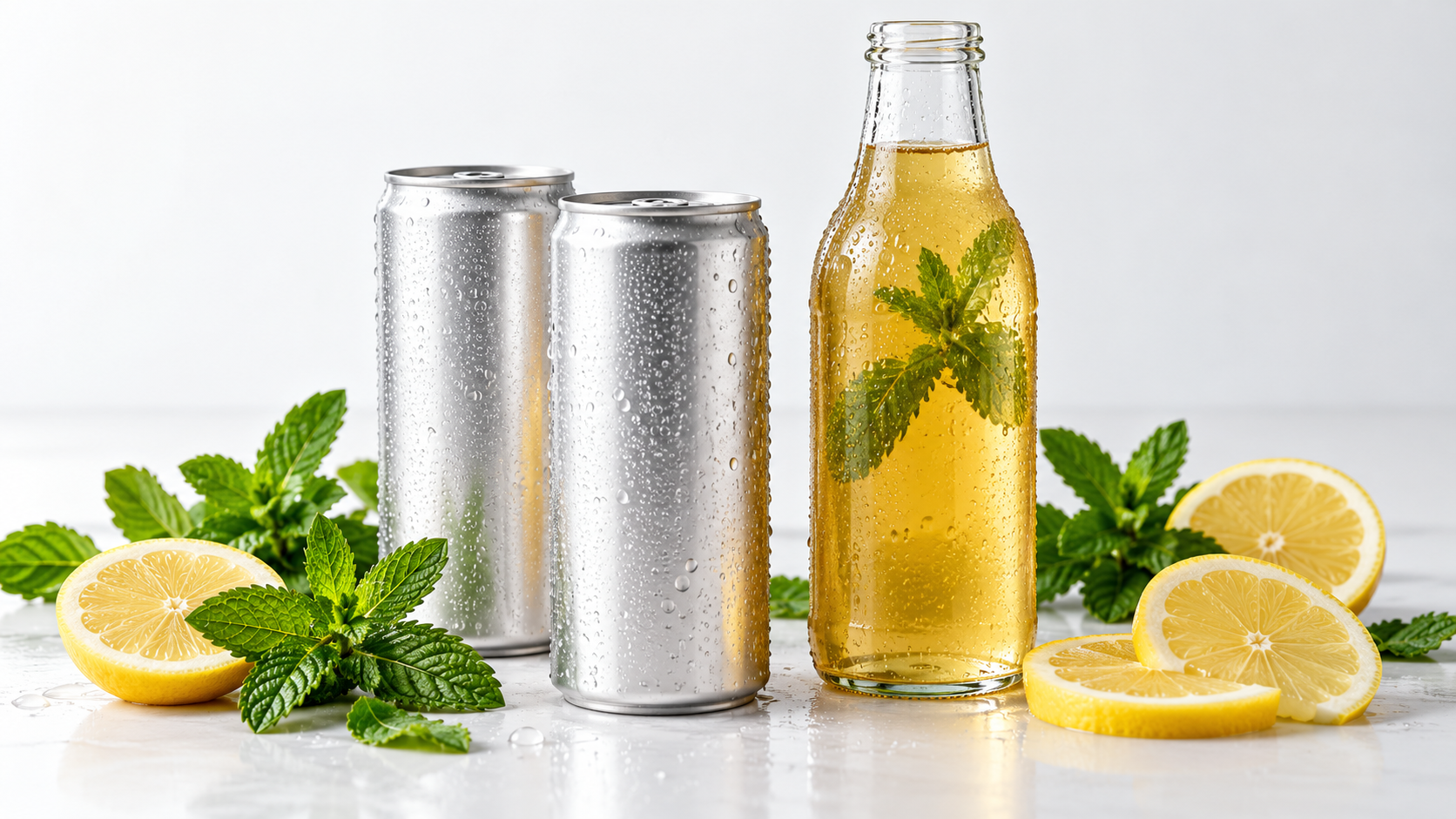
Aluminium cans protect mint aroma from light and oxygen and chill quickly, which suits a cooling drink. Sleek and slim cans fit premium and convenience positioning. Clear PET or glass bottles show the drink’s pale green to golden colour and work well in grab-and-go formats, but they require stronger colour and aroma stability. To compare formats and sizes before writing your brief, use the beverage builder for cans and bottles.
Positioning a mint tea without health claims
Peppermint has a long tradition of use after meals, but claims about digestion, bloating or headaches are health claims in most markets. Position the drink on what consumers can taste and experience: cooling, refreshing, clean, caffeine-free, no sugar where true. Occasion-based messages such as “after lunch”, “post-workout refresh” or “afternoon reset” are effective and compliant.
What to put in a mint tea product brief
- Core mint choice: peppermint, spearmint or a blend.
- Range plan: the hero SKU and any blends to follow.
- Ingredient claims such as pure, organic or brewed from leaves.
- Sweetness position and any regulated ingredients, such as licorice.
- Pack type, size and target channels.
- Target shelf life and storage conditions.
How to taste and compare mint tea samples
Mint is easy to judge badly. The cooling effect builds with each sip, so the third sip of a sample tastes stronger than the first, and tasting several samples in a row can numb the palate. A simple tasting method gives more reliable feedback.
- Serve cold: taste every sample at the temperature the shopper will drink it, usually straight from the fridge.
- Limit the set: compare three or four samples per session at most, with water and a plain cracker between them.
- Judge on several sips: note the first impression, then the cooling after three sips, then the aftertaste a minute later.
- Use shared terms: words such as sharp, sweet, cooling, herbal, toothpaste-like and flat help the development team translate feedback into recipe changes.
- Re-taste after storage: mint aroma fades, so samples held for several weeks should be compared with fresh ones.
Brands that follow this method usually reach a final profile in fewer rounds, because each piece of feedback can be linked to a specific change in mint level, sweetness or acidity.
Common mint tea development mistakes
- Overdosing oil: a few extra drops of peppermint oil can turn a refreshing tea into something that tastes like mouthwash.
- Ignoring pack effects: mint aroma can be absorbed by some packaging materials, so a recipe approved in glass may taste weaker in another pack.
- Too many SKUs at launch: a strong hero SKU with one blend is easier to sell and to stock than five flavours with low volume each.
Peppermint tea range planning by channel
Channel shapes the range as much as flavour does. Convenience stores favour one or two fast-moving SKUs in single-serve cans; supermarkets can carry a hero SKU plus a blend in multipacks; cafés and hospitality may prefer a premium unsweetened mint in glass. Online retail is useful for testing seasonal profiles such as chocolate mint before committing to wider distribution. Planning the channel first helps decide pack size, case count and how many flavours are realistic at launch.
Frequently asked questions about peppermint tea drinks
Is peppermint tea caffeine-free?
Yes. Peppermint tea made only from peppermint leaves is naturally caffeine-free. Blends with green or black tea contain caffeine and must be labelled accordingly.
What is the difference between peppermint tea and mint tea?
“Mint tea” is a broad term that can include peppermint, spearmint or blends. Peppermint tea specifically uses peppermint, which is stronger and cooler than spearmint.
Can a mint iced tea be sold without sugar?
Yes. Mint’s cooling effect makes unsweetened iced tea taste refreshing and complete, which is why many mint RTDs are sugar-free or lightly sweetened.
Does ACM Beverage sell loose peppermint leaves?
No. The scope covers finished drinks in cans and bottles only, not loose leaf or bulk tea.
Which mint tea flavour should launch first?
A pure peppermint or a lemon mint tea is usually the safest first launch, because both are refreshing, easy to understand and work without sugar. Honey citrus mint suits mainstream shoppers who prefer a softer taste. Licorice and chocolate mint are better as second-wave or seasonal SKUs once the core range has a following.
Planning your peppermint tea range
A strong peppermint tea line starts with a clear mint choice, a well-protected aroma and a hero SKU that tastes refreshing without sugar, then expands into blends like honey citrus, lemon mint, licorice or chocolate mint. Test on processed samples in the final pack and keep labels focused on taste and occasion. ACM Beverage can review your brief covering flavour direction, ingredient claims, packaging and target markets, and outline how a custom mint tea drink could be developed.
Before writing the brief, taste a few mint drinks already on the market side by side, chilled, and note which level of cooling feels right for your shoppers. That reference point makes early samples far more accurate and keeps the range focused on the mint profile your customers actually prefer.