


Beverage products for Australia have to satisfy a strict food labelling standard and a health-conscious retail environment where natural, low-sugar and functional positioning consistently outperforms generic flavour launches. Australian shoppers scrutinise ingredient lists and nutrition panels closely, and the country’s regulatory framework is precise about what claims a product can carry.
This guide sets out the product and formulation decisions that matter most for the Australian market, and where genuine opportunity exists for a brand entering the market for the first time, rather than listing product categories in isolation from the regulatory and shopper behaviour that determines whether they actually succeed.
What makes the Australian market distinct
Australia and New Zealand share a joint food standards framework, which gives the region a single, consistent nutrition labelling and claims structure rather than the country-by-country variation seen in Europe. That consistency simplifies planning once a product is developed correctly, but the standard itself is specific and precise about what a label may and may not state, particularly around health and nutrition content claims.
Australian shoppers also engage closely with ingredient lists and nutrition panels, more so than in some other export markets, which rewards a product with a genuinely simple, verifiable composition over one relying on an elaborate marketing story to carry a less clean formulation. This is worth internalising early, since a formulation decision that looks defensible on paper can still underperform commercially if the ingredient list reads as complicated or unfamiliar to a shopper making a quick shelf decision.
Natural and functional positioning
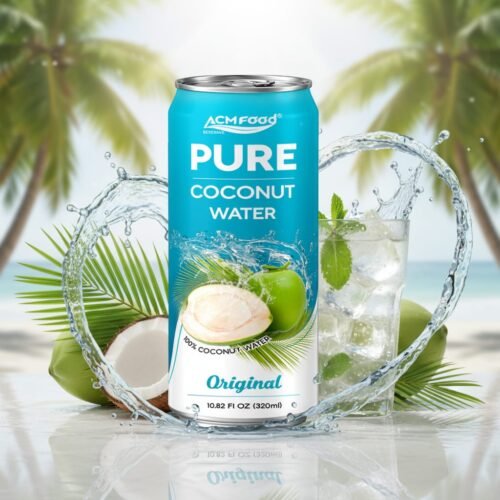
Natural, minimally processed and functional beverages perform strongly in Australian retail, and the category has grown well ahead of conventional sugar-sweetened soft drinks for some time. Coconut water is a particularly strong example of this pattern, since it combines a natural positioning with genuine functional credentials that need no exaggeration to appeal to the market.
| Consideration | What it means for an Australia-bound product |
|---|---|
| Labelling standard | Shared Australia-New Zealand food standard, precise on permitted claims |
| Ingredient scrutiny | Shoppers actively read ingredient lists and nutrition panels |
| Category strength | Natural, functional and low-sugar categories outperform generic soft drinks |
| Sparkling and carbonated | Strong growth, particularly for natural and functional sparkling formats |
| Claims discipline | Health and nutrition content claims must meet defined regulatory conditions |
A brand entering the market with a coconut water-based product benefits from a category that is already a high-potential product for building a beverage brand, since the ingredient itself does most of the positioning work without requiring an elaborate claim structure around it.
Sparkling and functional formats in growth
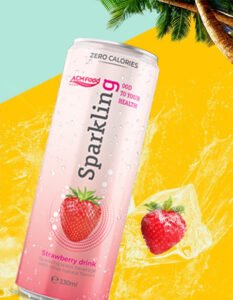
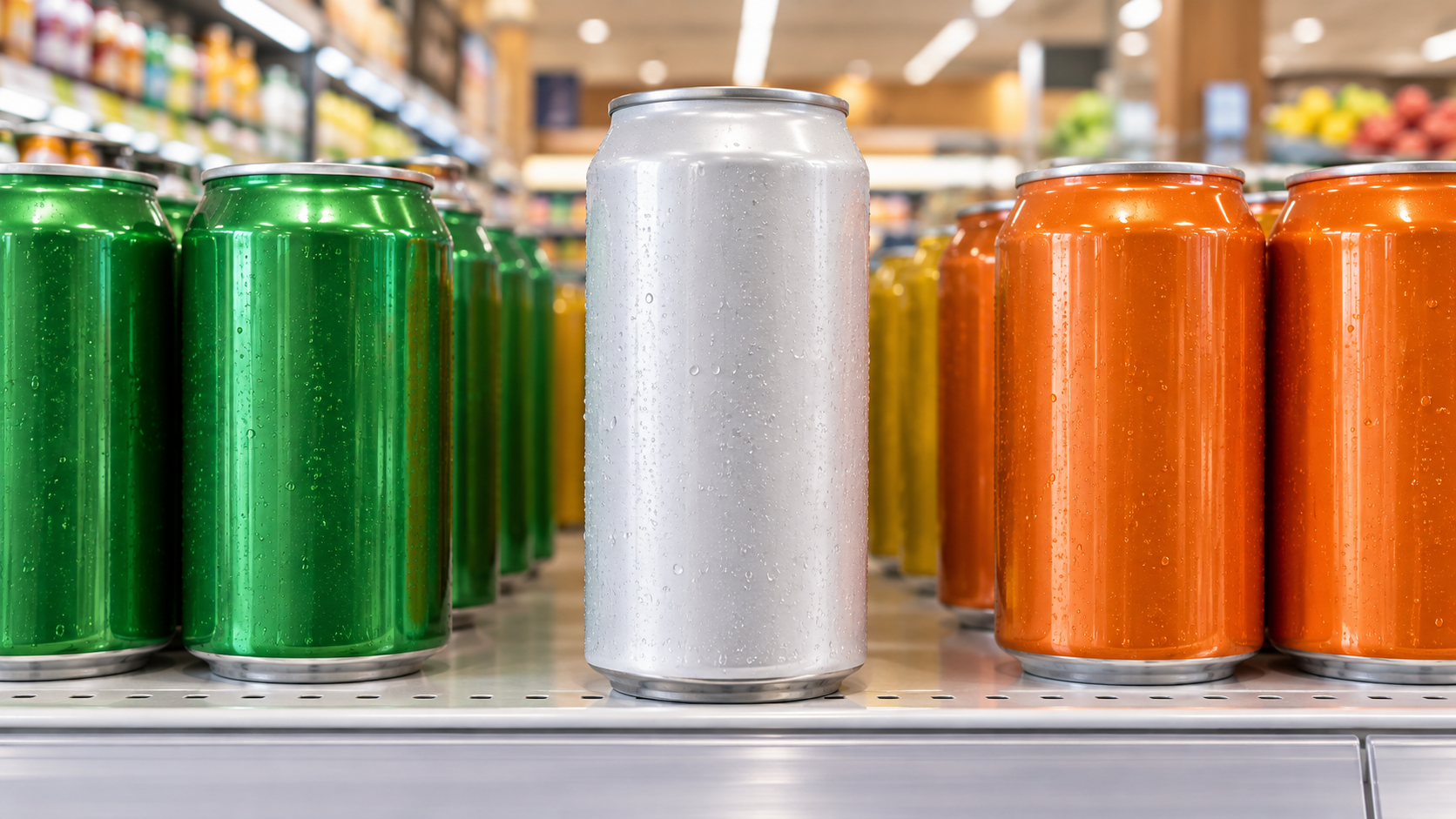
Sparkling and carbonated beverages built around natural or functional ingredients are a genuine growth category in Australia, distinct from conventional carbonated soft drinks. A format such as sparkling coconut water combines two things the Australian market already rewards independently: the natural hydration positioning of coconut water and the refreshment appeal of carbonation, without relying on added sugar to carry the product.
This pattern of combining an already-strong category with a format innovation, rather than launching an entirely unfamiliar ingredient, tends to be a lower-risk entry point for a brand new to the market, since neither element needs to be explained to the shopper from scratch. The same logic applies well beyond coconut water: pairing a recognised base ingredient with a genuine but modest format or process innovation consistently outperforms a launch built around an ingredient the shopper has never encountered, because it asks the shopper to make only one new decision rather than several at once.
Emerging and trend-led categories
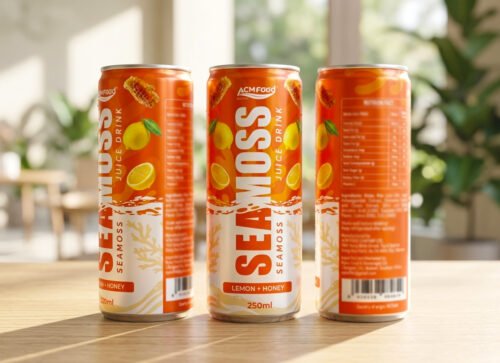
Beyond the established natural and functional space, several emerging categories are gaining traction with a health-conscious Australian shopper base. Sea moss beverages have moved from a niche interest to a recognised functional category, as covered in the article on sea moss beverages as a functional drink category, and pure, less common fruit juices with a distinct nutritional story, such as pure soursop juice, have found a genuine audience among shoppers actively seeking less common functional options. Both categories share a common thread with the coconut water pattern described above: the ingredient itself carries a genuine story that needs supporting rather than inventing, which keeps the claims work simple and defensible.
Fermented beverages are a related area worth understanding accurately before building a product around them, since consumer interest is genuine but the actual functional and nutritional case varies by product and needs to be represented carefully rather than overstated.
Choosing flavours for the Australian market
Flavour selection for Australian export deserves the same deliberate approach as any other market decision rather than defaulting to whatever performs best domestically in the country of origin. The considerations for choosing the right juice flavours for export, covered in choosing the right juice flavours for export markets, apply directly to Australia: familiar profiles reduce trial friction, while a distinctive flavour needs a clear reason for the shopper to choose it over an established local alternative. Where a distinctive flavour is chosen deliberately, pairing it with the natural or functional positioning the market already rewards gives the shopper two separate reasons to try it rather than relying on novelty alone.
Building an Australia-ready product brief
Five inputs shape a product concept that fits the Australian regulatory and retail environment without a late correction.
- Claims discipline from the outset. Any health or nutrition content claim needs to meet the specific conditions set by the joint food standard, so claims should be planned against the formulation rather than aspirational.
- Ingredient list simplicity. A short, recognisable ingredient list supports both regulatory ease and the scrutiny Australian shoppers apply to labels.
- Sugar position. Low-sugar and no-added-sugar positioning aligns with strong category growth and shopper preference.
- Category pairing. Combining an already-trusted ingredient, such as coconut water, with a format innovation like sparkling carbonation is a lower-risk entry than an entirely novel concept.
- Flavour familiarity assessment. Decide deliberately whether a flavour needs to be broadly familiar or can carry a distinctive story, rather than defaulting without consideration.
Common mistakes brands make entering Australia for the first time
A handful of avoidable errors account for most of the friction brands encounter on a first Australian listing attempt.
- Writing a health claim before confirming the formulation supports it. The joint food standard sets specific conditions for permitted claims, and a claim added to marketing copy without a formulation that meets those conditions has to be removed or corrected before the product can be sold.
- Treating a strong domestic flavour as automatically suitable for export. A flavour that performs well in the country of origin does not automatically translate to Australian taste preferences, which tend to favour cleaner, less heavily sweetened profiles than some other markets.
- Underestimating how closely shoppers read ingredient lists. A longer list with unfamiliar additives is scrutinised more in Australia than in some less label-conscious markets, and can work against an otherwise strong product.
- Assuming New Zealand and Australia require separate labelling work. The shared food standard means most labelling decisions serve both markets at once, and treating them as fully separate projects duplicates work unnecessarily.
Each of these is avoidable by building the claim, the flavour and the ingredient list around Australian expectations from the start of development rather than adjusting a product designed for a different market afterward. Brands that make this investment at the brief stage typically move through the remainder of development, artwork and listing conversations with fewer surprises than those that treat Australia as a variant of a launch built for somewhere else.
Frequently asked questions
Does a product need reformulation specifically for Australia, or can an existing recipe work?
Many existing recipes work with label and claims adjustment rather than a full reformulation, provided the underlying ingredient list is already reasonably clean. The main development work is usually in aligning any claim with the specific conditions of the joint food standard rather than in changing the recipe itself.
Are New Zealand and Australia the same market for labelling purposes?
They share a joint food standards framework covering nutrition labelling and permitted claims, which simplifies planning across both markets compared with treating them as entirely separate regulatory environments. Distribution and retail structure still differ between the two countries even where the labelling standard is shared.
Is functional positioning necessary to compete in Australia?
Not strictly necessary, but it is a strong category tailwind. A well-executed conventional product can still succeed, but a genuinely functional or natural positioning aligns with where category growth has been concentrated, which is worth weighing when deciding where to focus development effort.
How cautious should health claims be for the Australian market?
Quite cautious. The joint food standard sets defined conditions for permitted health and nutrition content claims, and a claim that does not meet those conditions should not appear on the label regardless of how well it might test with consumers elsewhere. Building the formulation to genuinely meet a claim’s conditions, rather than writing the claim first and hoping the recipe supports it, is the reliable sequence.
Is private label a realistic way to enter the Australian market?
Yes, private label is well established across Australian grocery and speciality retail, and it is a realistic entry route for a brand without existing local distribution. Starting from a formula already close to Australian expectations, rather than beginning entirely from scratch, generally shortens the path to a first listing.
Does pack format matter as much as formulation in Australia?
Format matters, though generally less than formulation and claims accuracy. Standard single-serve and multipack-anchor formats are widely stocked and reduce friction in a listing conversation, while an unusual format is not disqualifying but does require a clearer commercial rationale for the retail buyer.
Should development start with the claim or the formulation?
The two are best developed together rather than sequentially. Starting purely from a desired claim risks a formulation that cannot genuinely support it; starting purely from a formulation without considering what claim it might eventually carry risks a missed positioning opportunity. Reviewing both at the brief stage, before any bench work begins, avoids both failure modes.
Starting an Australia-focused product brief
The products that perform best in Australian beverage retail combine a genuinely clean ingredient list, a defensible claims position, and a category or flavour choice that either taps an already-strong trend or pairs a familiar ingredient with a distinctive format. None of these require a large development budget; they require the formulation and the claim to be built together from the outset rather than the claim being layered onto a recipe that was not designed to support it.
ACM Beverage develops and supplies products against these Australian requirements and can review an existing concept or formula for fit before a first order is placed. A brief naming the intended claims and the target retail channel is enough to start that review against the specific requirements of the joint food standard, and reviewing claims accuracy before development begins is consistently the step that saves the most time later in the project.