
Introduction: The global beverage aisle is undergoing a quiet revolution. Where categories once stood distinct, bold hybrids now blur the lines, driven by consumer demand for multifunctional, experiential drinking. At the forefront is sparkling coconut water, a product exemplifying the fusion of natural hydration, exotic flavor, and sensory delight. This analysis delves into the market forces propelling this segment, examining the strategic innovation behind products like ACM’s lychee-infused offering. We explore the implications for manufacturers, distributors, and investors navigating the complex, opportunity-rich landscape of modern functional drinks, where convenience meets health and global tastes converge in a single, effervescent can.
Contents
- 1 Market Dynamics and the Sparkling Coconut Water Launch
- 2 Product Analysis and Feature Innovation
- 3 Market Trends and Consumer Demand Drivers
- 4 Business Strategy and Distribution Channels
- 5 Expert Perspectives and Industry Commentary
- 6 Future Outlook and Category Evolution
- 7 FAQ
- 7.1 What is sparkling coconut water and its primary market appeal?
- 7.2 What are key production considerations for a carbonated functional beverage like this?
- 7.3 What is a typical MOQ for OEM production of a new ready-to-drink product?
- 7.4 Which export markets show highest potential for innovative functional drinks?
- 7.5 How does this product category fit into broader sustainability trends?
Market Dynamics and the Sparkling Coconut Water Launch
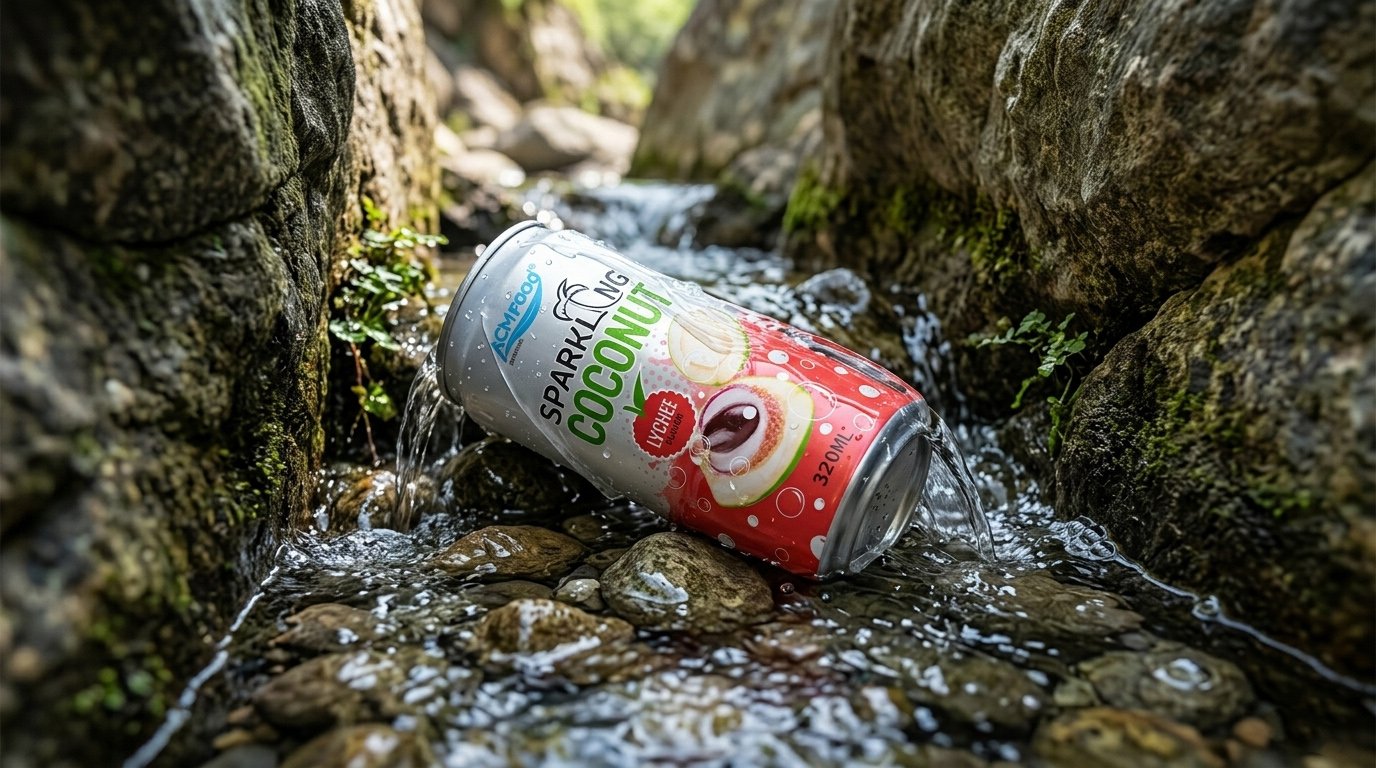
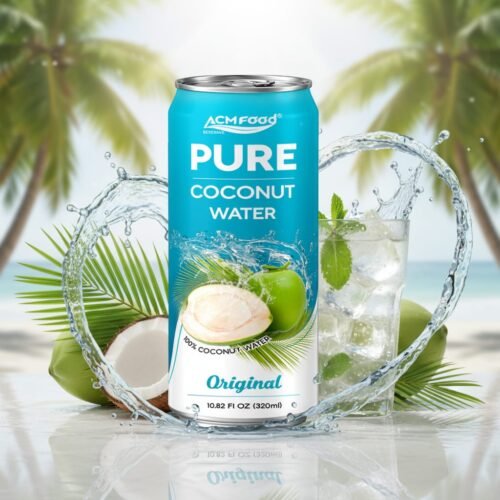
Sparkling coconut water is reshaping the functional drink landscape. This category merges natural hydration with effervescent refreshment. The launch of products like ACM Sparkling Coconut Water with Lychee Flavor 320ml signals a strategic pivot. Manufacturers are targeting health-conscious consumers seeking novel experiences.
Global beverage manufacturers face intense competition for shelf space. Innovation in ready-to-drink segments offers a critical differentiation strategy. The fusion of coconut water with sparkling formats creates a premium positioning. This approach taps into multiple converging consumer trends simultaneously.
Consumer Shift Towards Hybrid Beverages
Hybrid beverages are gaining significant market traction. Consumers no longer want single-function drinks. They demand products that combine hydration, flavor, and functional benefits. Sparkling coconut water perfectly embodies this hybrid demand.
The RTD beverage market thrives on constant novelty. Product developers must anticipate taste preferences and format innovations. Combining tropical flavors like lychee with coconut water creates a unique profile. This appeals to adventurous palates seeking authentic global tastes.
Product Analysis and Feature Innovation
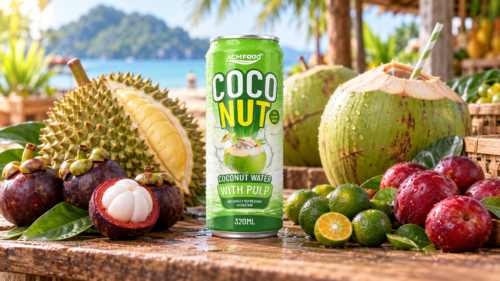
The ACM sparkling coconut water presents a compelling functional drink proposition. Its formulation centers on natural coconut water as the primary base. This provides inherent electrolytes and a clean label appeal. The addition of lychee flavor introduces an exotic, aromatic dimension.
Sparkling functionality transforms the traditional coconut water experience. Carbonation adds a sensory element of refreshment and sophistication. The 320ml can format aligns with on-the-go consumption patterns. This makes the product suitable for convenience channels and outdoor occasions.
Private label beverage development often follows such innovative commercial successes. The product’s architecture demonstrates a scalable manufacturing template. A beverage manufacturer can adapt the core concept for different markets. This involves tweaking sweetness levels or introducing complementary flavors.
Packaging and Formulation Synergy
Packaging plays a crucial role in the product’s market positioning. The can ensures product integrity and portability for the sparkling format. It also offers excellent branding real estate for visual storytelling. This is vital for standing out in crowded chilled beverage sections.
The formulation avoids common pitfalls in functional drink development. It maintains a balance between natural flavor and added sparkle. The ingredient list appears streamlined, focusing on key components. This simplicity supports a health-oriented and transparent brand message.
Exploring the broader fresh coconut water category reveals evolutionary trends. The shift from pure hydration to enhanced experiential drinks is clear. This sparkling variant represents a logical and commercially viable next step.
Market Trends and Consumer Demand Drivers
Health and wellness remain the dominant force in beverage development. Consumers actively seek products with natural hydration benefits. Coconut water is perceived as a superior source of potassium and electrolytes. Its low-calorie profile aligns with weight management and active lifestyle goals.

The demand for premiumization and experience is equally powerful. A standard coconut water is now a commodity in many markets. Adding sparkling texture and lychee flavor elevates the product into a treat. This allows for higher price points and improved margin structures.
Convenience is a non-negotiable attribute for modern RTD beverages. The single-serve, ready-to-consume format meets immediate consumption needs. It fits into busy urban lifestyles where preparation time is limited. For distributors, this translates to faster inventory turnover and repeat purchases.
OEM beverage production must adapt to these multifaceted demands. Partners need expertise in natural ingredient stability and carbonation technology. The ability to manage small-batch runs for flavor testing is also valuable. This agility is key for brands launching in uncertain new categories.
The Functional and Flavor Fusion Trend
Flavor fusion is accelerating across all beverage segments. Combining familiar health bases with novel tastes reduces adoption barriers. Lychee offers a recognizable yet exotic flavor profile for many Western consumers. It pairs well with the mild, nutty sweetness of coconut water.
This trend opens significant opportunities for beverage manufacturer collaboration. Brands can leverage a manufacturer’s flavor library and application expertise. The goal is to create distinctive yet palatable product combinations. Success in this area often depends on sophisticated sensory science and consumer testing.
Business Strategy and Distribution Channels
Effective distribution is critical for sparkling functional drink success. The product likely targets multiple channels simultaneously. Natural food stores, premium supermarkets, and online platforms are primary targets. Fitness centers and hospitality venues represent high-value secondary channels.
For businesses evaluating a sparkling coconut water line, MOQ flexibility is paramount. Launching in test markets requires lower minimum order quantities. A manufacturing partner offering scalable production from pilot to full run mitigates risk. This approach allows for data-driven market expansion.
Export market strategy should be built on regional taste preference analysis. The US market has a strong affinity for coconut water and sparkling beverages. The EU shows growing demand for exotic flavors and reduced-sugar options. Asia presents opportunities for flavor localization and premium gift positioning.
Strategic partnerships with distributors require clear value proposition alignment. The product must fill a specific gap in their existing portfolio. Demonstrating consumer pull through targeted marketing support is essential. For private label operators, exclusivity by region or channel can be a powerful incentive.
Expert Perspectives and Industry Commentary
Industry analysts note the blurring lines between beverage categories. The traditional separation of juices, soft drinks, and functional waters is dissolving. Products like sparkling coconut water occupy a new hybrid space. This creates both opportunity and complexity for brand positioning and retailer placement.
Supply chain experts emphasize ingredient sourcing resilience. Natural coconut water supply can be subject to climatic and geopolitical volatility. Forward-thinking beverage manufacturers develop diversified sourcing networks. They also invest in aseptic processing to extend shelf life without compromising quality.
For distributors looking to future-proof their portfolios, diversification into adjacent categories is wise. The milk drink segment shows similar trends towards flavor and function fusion. A manufacturer with expertise across multiple beverage types offers a consolidated partnership advantage. This reduces the complexity of managing multiple suppliers for a varied product range.
The Role of OEM in Market Responsiveness
OEM production capacity is a strategic asset in fast-moving markets. It allows brands to respond quickly to emerging flavor trends without heavy capital investment. The key is finding a partner with strong R&D and regulatory compliance capabilities. Speed-to-market is often the difference between leading a trend and following it.
Successful private label beverage programs require deep category understanding. The manufacturer must guide the client on formulation, packaging, and costing. This collaborative model turns a simple production contract into a strategic growth partnership. The shared goal is to create a product that wins at retail and builds brand equity.
Future Outlook and Category Evolution
The sparkling coconut water segment is poised for sustained growth. Its appeal bridges several powerful macro-trends. Expect to see further flavor innovations and functional additive integrations. Ingredients like adaptogens, nootropics, or enhanced electrolytes are logical next steps.

Packaging innovation will also play a major role in differentiation. Sustainable materials, resealable formats, and smart packaging for engagement are on the horizon. The 320ml can is just the beginning of format exploration for this product type. Cartons, bottles, and novel single-serve pouches may emerge.
Global expansion will be fueled by localization strategies. While lychee is a compelling flavor, regional variants using local superfruits will emerge. A beverage manufacturer with global experience can adeptly navigate these localization requirements. This includes understanding regional sweetener preferences and labeling regulations.
The long-term winner will be the entity that masters the supply chain. Consistent quality, reliable supply, and cost management are foundational. Building a brand in the functional drink space requires a partner that excels in these operational fundamentals. The product concept provides the spark, but execution determines the fire.
FAQ
What is sparkling coconut water and its primary market appeal?
Sparkling coconut water is a hybrid beverage combining natural coconut water with carbonation. Its appeal lies in offering hydration, natural electrolytes, and a refreshing, sophisticated mouthfeel. It targets health-conscious consumers seeking alternatives to sugary sodas or plain water, positioning itself as a guilt-free, enjoyable functional drink.
What are key production considerations for a carbonated functional beverage like this?
Key production challenges include maintaining ingredient stability under carbonation, achieving consistent flavor dispersion, and ensuring packaging integrity to hold pressure. Sourcing high-quality, consistent natural coconut water is crucial. A skilled beverage manufacturer must also manage the interaction between natural acids, sugars, and carbonation to prevent flavor degradation or over-fermentation.
What is a typical MOQ for OEM production of a new ready-to-drink product?
Minimum order quantities vary significantly based on complexity, packaging, and manufacturer scale. For a new product like a sparkling coconut water, initial MOQs might range from 10,000 to 50,000 units for a first production run. Progressive manufacturers offer tiered MOQ structures, allowing brands to start small for market testing before committing to larger volumes.
Which export markets show highest potential for innovative functional drinks?
The United States, Canada, Western Europe (especially the UK, Germany, and Scandinavia), Australia, and developed Asian markets like Japan and South Korea show high potential. These regions have established health and wellness trends, robust retail channels for premium products, and consumers willing to pay for innovation. The Middle East also presents growing opportunities for premium, halal-certified beverages.
How does this product category fit into broader sustainability trends?
It aligns well if sourced and produced responsibly. Coconut water is a byproduct of the coconut meat industry, utilizing a resource that might otherwise be wasted. The key sustainability levers are ethical sourcing of coconuts, using recyclable or renewable packaging materials like aluminum cans, and optimizing logistics to reduce carbon footprint. Consumers increasingly factor these elements into their purchasing decisions.