
The global beverage aisle is undergoing a quiet revolution. At the intersection of health consciousness and sensory delight, a new category is bubbling up: sparkling natural beverages. Leading this charge are innovations like sparkling coconut water, which transform simple hydration into an experiential refreshment. This analysis delves into the market forces, consumer behaviors, and strategic manufacturing implications behind this trend. For industry professionals, from brand managers to distributors, understanding this shift is key to capitalizing on the next wave of growth in the dynamic ready-to-drink sector.
Contents
- 1 Market Dynamics and the Sparkling Coconut Water Launch
- 2 Product Analysis and Innovation Features
- 3 Market Trends and Evolving Consumer Demand
- 4 Business Strategy and Distribution Channels
- 5 Expert Insights and Industry Commentary
- 6 Future Outlook and Industry Trajectory
- 7 FAQ
- 7.1 What is ACM Sparkling Coconut Water and its primary benefits?
- 7.2 What are the key production challenges for sparkling natural beverages?
- 7.3 What is a typical MOQ for OEM beverage production on a product like this?
- 7.4 Which international markets hold the most potential for exporting sparkling coconut water?
- 7.5 How does sparkling coconut water fit into current beverage manufacturing trends?
Market Dynamics and the Sparkling Coconut Water Launch
Sparkling coconut water is reshaping the functional drink landscape. This innovation merges natural hydration with effervescent appeal. It directly targets a consumer base seeking sophisticated alternatives.
This trend reflects a broader shift in the RTD beverage sector. Health-conscious consumers are moving beyond traditional sodas. They demand beverages that offer both refreshment and functional benefits.
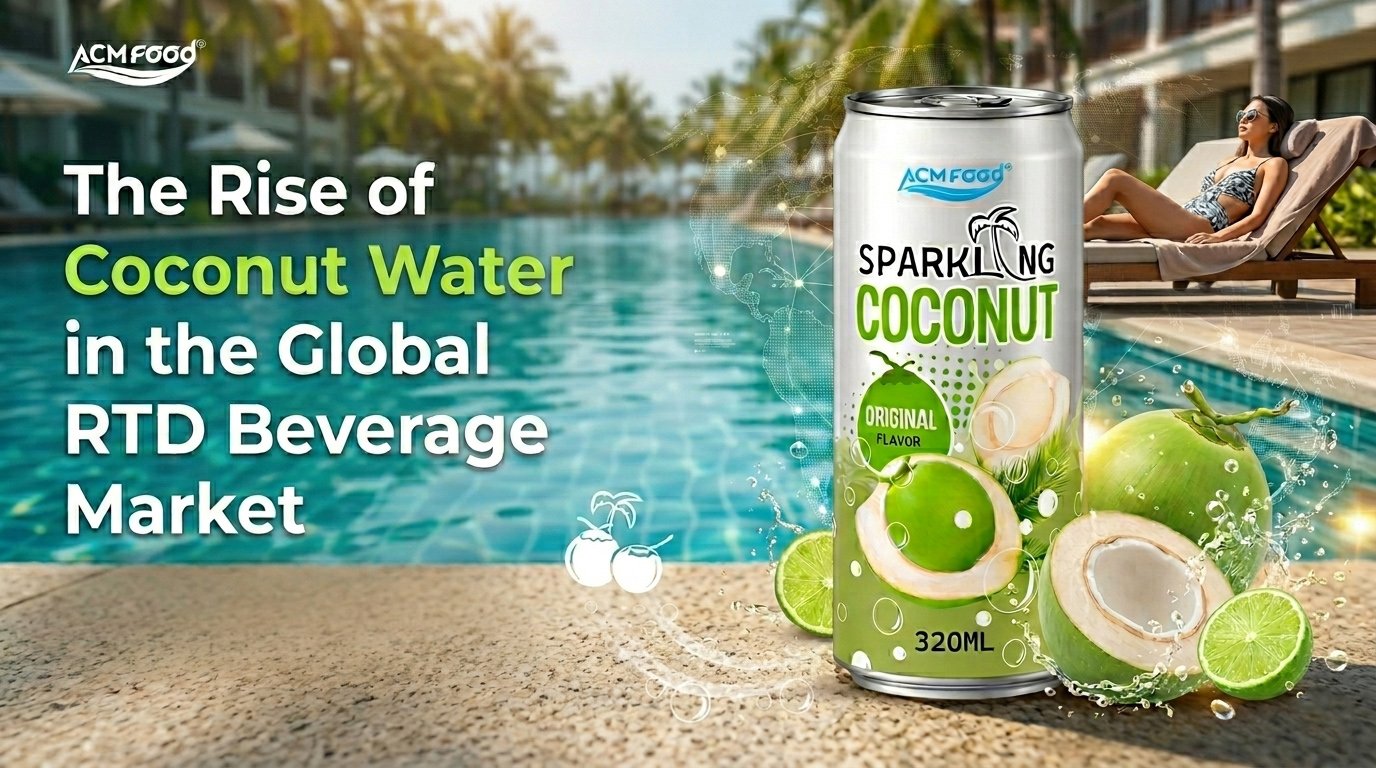
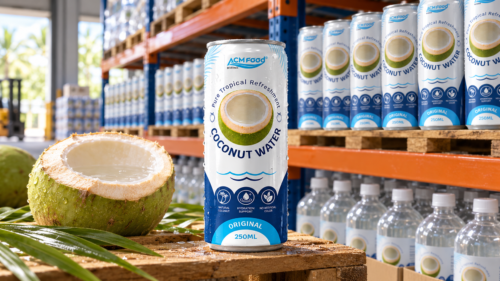
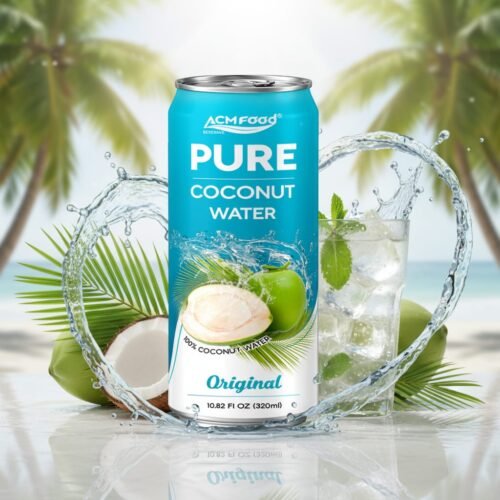
The launch of products like ACM Sparkling Coconut Water Original 320ml is a strategic response. It capitalizes on the established popularity of coconut water. The addition of carbonation introduces a novel texture and drinking experience.
For beverage manufacturers, this represents a significant product development opportunity. The private label beverage market is ripe for such functional innovations. It allows brands to quickly enter a growing niche with a premium offering.
Consumer Behavior Driving Product Development
Modern beverage choices are heavily influenced by wellness trends. Consumers actively seek drinks with clean labels and natural ingredients. This has propelled coconut-based products to the forefront of the industry.
The desire for convenience is another powerful driver. Ready-to-drink formats eliminate preparation time. They fit seamlessly into active, on-the-go lifestyles, making them a staple in the functional drink category.
There is also a growing appetite for experiential consumption. Consumers want their beverages to offer more than just hydration. Sparkling variations provide a sensory experience that still water cannot match.
This behavioral shift creates a clear path for market expansion. Beverage manufacturers must adapt their portfolios to include these hybrid offerings. Success hinges on understanding these nuanced consumer demands.
Product Analysis and Innovation Features
The ACM Sparkling Coconut Water exemplifies a key market innovation. Its primary ingredient is pure coconut water, a natural source of electrolytes. This positions it as a healthier alternative to artificially flavored sparkling waters.

Its unique selling proposition lies in its simplicity and purity. The product avoids added sugars, colors, or preservatives. This clean-label approach is a critical selling point in today’s health-focused market.
The 320ml can format is a deliberate choice for convenience and portability. It aligns with single-serve consumption patterns prevalent in urban environments. This packaging also supports the product’s premium positioning on shelves.
For businesses, this product highlights the potential of OEM beverage production. A manufacturer capable of handling delicate, natural ingredients like coconut water demonstrates advanced technical prowess. This expertise is valuable for brands looking to develop their own fresh coconut water lines.
The Science Behind the Fizz
Carbonating a natural product like coconut water presents technical challenges. The process must preserve the drink’s nutritional profile and delicate flavor. Successful execution requires precise control over pressure and temperature.
This technical capability is a major asset for any beverage manufacturer. It opens doors to creating a wide range of sparkling natural drinks. Partners seeking a reliable OEM partner should prioritize those with proven expertise in this area.
The result is a beverage that offers the hydrating benefits of coconut water. It combines them with the refreshing mouthfeel of carbonation. This fusion creates a distinct product that stands out in a crowded cooler.
Exploring the broader milk drink category reveals similar innovation trajectories. The industry is consistently blending familiar bases with new textures and functions. This cross-category experimentation drives overall market growth.
Market Trends and Evolving Consumer Demand
The global functional drink market is experiencing sustained growth. Sparkling coconut water sits at the intersection of several powerful trends. These include natural hydration, low-sugar options, and premium indulgence.
Demand for plant-based beverages continues its upward trajectory. Coconut water, as a plant-derived product, benefits directly from this movement. It is perceived as a sustainable and ethical choice compared to some animal-based drinks.
There is also a clear demand for multifunctional products. Consumers want beverages that hydrate, provide nutrients, and taste great. A sparkling coconut water checks all these boxes, making it a versatile option for various occasions.
For distributors and retailers, these trends dictate portfolio strategy. Stocking innovative products like sparkling coconut water can attract a new customer segment. It also helps differentiate a store’s offering from competitors.
The Premiumization of Everyday Hydration
Consumers are increasingly willing to pay more for enhanced hydration. They view it as an investment in their daily wellness. This has elevated simple categories like water and coconut water into premium spaces.
Packaging plays a crucial role in this premium perception. Sleek cans and bottles signal quality and modernity. They justify a higher price point compared to standard offerings.
This shift creates lucrative opportunities for private label beverage programs. Retailers can develop their own high-margin, premium hydration lines. Partnering with an experienced manufacturer is the first critical step in this process.
The success of products in the fresh coconut water category proves the demand exists. The next evolution is adding value through format and function, as seen with carbonation.
Business Strategy and Distribution Channels
Effective distribution is key for any new RTD beverage. Sparkling coconut water typically targets multiple channels simultaneously. These include natural food stores, mainstream supermarkets, gyms, and online platforms.
A dual B2C and B2B strategy often yields the best results. Direct consumer marketing builds brand awareness and pull-through demand. Simultaneously, securing placements in corporate wellness programs or hotels creates steady volume.
For a beverage manufacturer, offering flexible MOQ (Minimum Order Quantity) options is a strategic advantage. It allows smaller brands and entrepreneurs to enter the market with lower risk. This agility can be a decisive factor for partners choosing a production facility.
Export strategy must consider regional taste preferences and regulations. Markets like the EU have strict standards for natural product claims and additives. A manufacturer with robust quality control and export documentation is essential for international success.
The United States remains a top market for innovative functional drinks. Its large health-conscious population provides a ready audience for sparkling coconut water. However, competition is intense, requiring a strong unique selling proposition.
European markets value sustainability and organic certification highly. Products that can meet these credentials often command a price premium. This makes the EU a attractive, though demanding, target for export.
Markets in the Middle East and Asia show strong growth potential for premium beverages. Rising disposable incomes and exposure to global trends fuel demand. A localized approach to flavor and marketing is often necessary for success in these diverse regions.
Companies evaluating milk drink and plant-based beverage exports should conduct thorough market research. Understanding local distribution networks and competitor activity is crucial before launch.
Expert Insights and Industry Commentary
Industry analysts note the blurring lines between beverage categories. The success of sparkling coconut water is a prime example. It borrows from juice, sparkling water, and functional hydration segments to create something new.
This innovation is driven by advanced production capabilities. Modern beverage manufacturers can now handle delicate, natural ingredients at scale. This technical progress enables the creation of products that were not feasible a decade ago.
The move towards customization is another dominant theme. Brands seek OEM partners who offer more than just production. They want collaborative development, custom formulation, and flexible packaging solutions.
For a brand considering a new product like sparkling coconut water, the choice of manufacturer is critical. The partner must balance innovation with consistent, scalable quality. Their expertise directly impacts the final product’s market viability.
Future Outlook and Industry Trajectory
The future for sparkling natural beverages appears exceptionally bright. Consumer interest in health, sustainability, and experience shows no signs of waning. This will continue to drive investment and innovation in the category.
We can expect to see further flavor exploration and functional fortification. Ingredients like adaptogens, nootropics, or additional vitamins may be integrated. The base of sparkling coconut water provides an excellent carrier for these additives.
Sustainability will move from a marketing point to a core operational requirement. This includes sourcing, packaging, and production energy use. Beverage manufacturers leading in this area will secure long-term partnerships with major brands.
The role of the contract manufacturer will evolve from a passive producer to an active innovation partner. The most successful OEM beverage providers will have dedicated R&D teams. They will work alongside clients to co-create the next generation of market-leading drinks.
FAQ
What is ACM Sparkling Coconut Water and its primary benefits?
ACM Sparkling Coconut Water is a ready-to-drink beverage combining pure coconut water with carbonation. Its primary benefits include natural hydration from electrolytes like potassium, a refreshing effervescent texture, and a clean label with no added sugars or artificial ingredients.
What are the key production challenges for sparkling natural beverages?
Key challenges include preserving the natural flavor and nutritional integrity of ingredients like coconut water during carbonation, ensuring consistent carbonation levels, maintaining shelf stability without artificial preservatives, and sourcing high-quality, consistent raw materials for large-scale production.
What is a typical MOQ for OEM beverage production on a product like this?
MOQs vary significantly by manufacturer. For a complex product like sparkling coconut water, initial MOQs might range from 10,000 to 50,000 units, depending on packaging and complexity. Progressive manufacturers are now offering lower, more flexible MOQs to accommodate startup brands and test markets, which is a critical factor for market entry.
Which international markets hold the most potential for exporting sparkling coconut water?
High-potential markets include the United States (for its large health-conscious segment), Western Europe (particularly countries with strong wellness cultures), East Asia (like South Korea and Japan for premium trends), and the Middle East (for its growing demand for premium non-alcoholic beverages). Each requires specific regulatory and taste profile adaptations.
How does sparkling coconut water fit into current beverage manufacturing trends?
It aligns perfectly with trends towards hybrid functionality, clean-label formulation, and premiumization. For beverage manufacturers, it represents an opportunity to showcase expertise in natural ingredient processing and carbonation technology, serving brands looking to capitalize on the growing demand for sophisticated, health-oriented refreshment.