


Introduction: The global beverage aisle is undergoing a profound transformation, moving beyond mere refreshment into the realm of targeted nourishment. At the forefront of this shift is the rapid emergence of sea moss as a key functional ingredient, transitioning from holistic health stores to mainstream ready-to-drink formats. This analysis delves into the market forces, product innovation, and strategic commercial pathways defining the rise of sea moss beverages, examining what their success signals for the future of OEM and private label opportunities in the functional drink sector. The launch of products like canned sea moss juice with lemon and honey exemplifies a strategic response to consumer demand for convenient, clean-label wellness solutions, creating new avenues for brand differentiation and manufacturing partnership.
Contents
- 1 The Wellness Surge and a New Functional Frontier
- 2 Deconstructing the Premium Sea Moss Juice Proposition
- 3 Market Forces Driving Superfood RTD Adoption
- 4 Strategic Pathways for Commercialization and Scale
- 5 Industry Outlook and Future Formulation Evolution
- 6 FAQ
- 6.1 What is sea moss and why is it used in beverages?
- 6.2 What are the main challenges in manufacturing a sea moss drink?
- 6.3 Is the canned format suitable for a functional wellness drink?
- 6.4 What is the typical MOQ for producing a private label beverage like this?
- 6.5 Which export markets show the most promise for functional juices?
The Wellness Surge and a New Functional Frontier
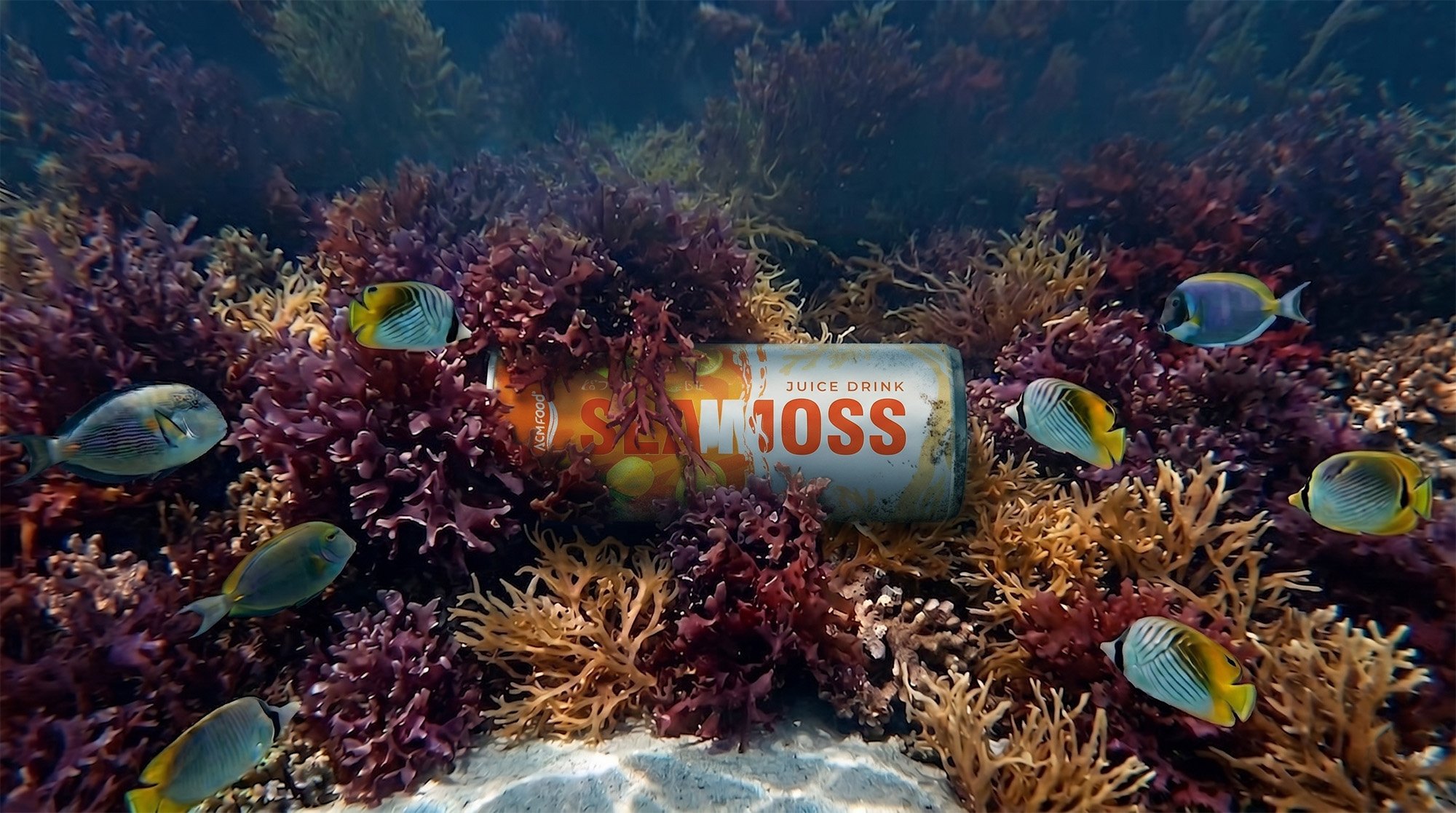
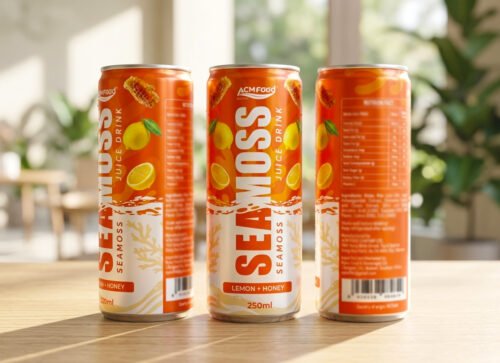
Sea moss beverages are capturing significant market share in the functional drink sector. This growth is driven by a consumer base demanding holistic health solutions beyond traditional vitamins. The launch of products like Premium Sea Moss Juice with Lemon and Honey in 250ml cans exemplifies this strategic shift towards convenient, nutrient-dense formats.
This innovation directly responds to the rising demand for clean-label, plant-based wellness options. Manufacturers are rapidly adapting their portfolios to include such superfood-infused fresh fruit juice alternatives. The canned format itself signals a commitment to portability and extended shelf life, key drivers in the modern RTD beverage market.
Deconstructing the Premium Sea Moss Juice Proposition
Analyzing the product reveals a calculated fusion of traditional wellness and modern convenience. The core formula leverages sea moss (Irish moss) as its functional hero ingredient, renowned for its mineral and vitamin content. This is strategically balanced with natural lemon and honey, creating a palatable profile that mitigates any potential oceanic notes.
The 250ml canned serving is a masterclass in meeting contemporary consumption habits. It provides a single-serve, on-the-go portion that aligns with active lifestyles, a crucial factor for sparkling water drink and juice consumers alike. The can also offers superior protection against light and oxygen, preserving the delicate nutrient profile better than some transparent packaging.
Ingredient Synergy and Functional Positioning
Each component serves a dual purpose of flavor and function. Sea moss delivers a dense matrix of iodine, potassium, and calcium, supporting thyroid and digestive health. Lemon introduces vitamin C and a refreshing tartness, while honey acts as a natural prebiotic and sweetener. This combination positions the drink not just as a juice, but as a targeted wellness elixir in the functional beverage space.
For a beverage manufacturer, this formula represents a scalable template for private label beverage development. The ingredient list is recognizable and appeals to clean-label trends, making it an attractive base for brand owners. Success in this niche requires partners with expertise in handling viscous, natural ingredients and ensuring consistent suspension in the final product.
Market Forces Driving Superfood RTD Adoption
The ascent of sea moss drinks is not an isolated trend but part of a macro shift towards preventative health. Consumers are proactively seeking foods and beverages that offer tangible functional benefits, moving beyond mere hydration or refreshment. This has created a fertile ground for novel ingredients with historical wellness pedigrees to enter the mainstream through accessible RTD formats.
Demographic analysis shows particular strength among millennials and Gen Z, who prioritize ingredient transparency and ethical sourcing. They are less loyal to traditional brands and more willing to experiment with new functional offerings. This openness presents a prime opportunity for agile OEM beverage producers to introduce innovative lines quickly.
The Private Label and OEM Opportunity
This trend creates immense potential for private label beverage programs. Retailers and brand entrepreneurs can leverage existing consumer interest without the R&D overhead. The key is partnering with a contract manufacturer that offers flexibility in recipe customization, low minimum order quantities (MOQ), and expertise in stability testing for emulsion-based drinks.
For distributors looking to differentiate their portfolio, evaluating a manufacturing partner’s agility in low-MOQ production has become a strategic imperative. It allows for market testing with minimized financial risk. A partner capable of handling everything from Premium Sea Moss Juice to complex probiotic blends is a valuable asset in a fast-moving market.
Strategic Pathways for Commercialization and Scale
Effective go-to-market strategy for a functional drink like this hinges on channel selection and storytelling. Initial traction is often found in specialty health food stores, premium grocers, and online direct-to-consumer platforms where education-driven marketing thrives. The narrative must connect the modern format with the ancient wisdom of using sea moss, creating a compelling brand story.

Export potential is significant, particularly in markets with high wellness adoption rates. Regions like North America and Western Europe have established demand for superfood products. Meanwhile, markets in the Middle East and Asia-Pacific are experiencing rapid growth in functional spending, representing key expansion frontiers for brands with robust international compliance and logistics support from their manufacturing partner.
Scaling production of a sea moss-based beverage presents distinct challenges. Sourcing consistent, high-quality, and sustainably harvested sea moss is paramount. The processing of raw sea moss into a stable, safe ingredient for beverage application requires specialized equipment and knowledge to maintain its functional properties and achieve a smooth mouthfeel.
Beverage manufacturers entering this space must invest in robust quality assurance protocols. This includes testing for heavy metals, ensuring consistent viscosity, and validating shelf-life claims. Brands that succeed will be those that pair marketing allure with unwavering product integrity, a balance best achieved through expert OEM partnerships.
Industry Outlook and Future Formulation Evolution
The future for sea moss and similar functional ingredients in RTD formats appears robust. Expect to see further segmentation, with products targeting specific benefits like immune support, gut health, or energy through synergistic blends. Combining sea moss with other adaptogens, nootropics, or botanicals will be the next wave of innovation within the functional drink category.
Packaging innovation will also play a role, with a focus on recyclability and portion control. The 250ml can is just the beginning; stick packs, tetra packs, and even sustainable single-serve pouches could emerge as vehicles. For any sea moss and lemon juice product, maintaining nutrient potency while meeting sustainability goals will be the dual challenge.
Strategic partnerships between brand owners and full-service OEMs will be the engine of this growth. The complexity of formulating, producing, and distributing these products makes vertical integration less feasible for most startups. The winning model involves leveraging the scale, expertise, and regulatory knowledge of an established fruit juice manufacturer to bring a brand vision to market efficiently.
FAQ
What is sea moss and why is it used in beverages?
Sea moss, or Irish moss, is a red algae rich in minerals, vitamins, and antioxidants. It’s used in beverages for its potential health benefits and as a natural source of nutrients, aligning with clean-label and functional food trends.
What are the main challenges in manufacturing a sea moss drink?
Key challenges include sourcing consistent, high-quality raw material, achieving a stable emulsion to prevent separation, managing the natural viscosity, and ensuring the final product has a pleasant taste and mouthfeel while retaining nutritional value.
Is the canned format suitable for a functional wellness drink?
Yes. Cans provide excellent barrier properties against light and oxygen, which helps preserve sensitive nutrients and flavors. They are also portable, recyclable, and offer a strong shelf presence, making them a strategic choice for RTD functional beverages.
What is the typical MOQ for producing a private label beverage like this?
MOQs vary significantly by manufacturer. Forward-thinking partners now offer more flexible programs, with some MOQs starting in the range of 5,000 to 10,000 units for established base recipes, allowing brands to test the market with lower risk and capital outlay.
Which export markets show the most promise for functional juices?
North America and Western Europe are established high-value markets. The Asia-Pacific region, particularly China, Japan, and Australia, shows explosive growth in wellness spending. The Middle East also represents a strong opportunity for premium, health-positioned products.