

The global beverage landscape is being reshaped by a potent demand for functionality, convenience, and natural wellness. At the forefront of this shift are innovative elixirs like sea moss beverages, which encapsulate the convergence of ancient superfoods and modern ready-to-drink (RTD) formats. This analysis delves beyond the product label to examine the market forces, manufacturing imperatives, and strategic opportunities presented by this growing category.
For distributors, investors, and brand owners, understanding the dynamics behind such functional drink innovation is key to navigating a competitive market where health-conscious consumption drives portfolio decisions and partnership strategies. The rise of the sea moss beverage is not just a trend story; it’s a case study in the future of the industry.
Contents
- 1 The Wellness Wave and the Rise of Superfood Elixirs
- 2 Deconstructing a Modern Superfood Beverage
- 3 Market Dynamics: Why Sea Moss is Capturing Capital and Shelves
- 4 Strategic Implications for Beverage Businesses and Investors
- 5 Expert Insights: The Future of Functional Formulation
- 6 Navigating the Next Wave of Beverage Innovation
- 7 Frequently Asked Questions (FAQ)
- 7.1 What are the primary health benefits associated with sea moss in beverage form?
- 7.2 What should a brand look for when selecting an OEM manufacturer for a functional beverage like this?
- 7.3 How does the taste profile of a sea moss drink appeal to mainstream consumers?
- 7.4 What are the key export considerations for a functional sea moss beverage?
- 7.5 Can the formulation of a premium sea moss juice be customized for a private label?
The Wellness Wave and the Rise of Superfood Elixirs
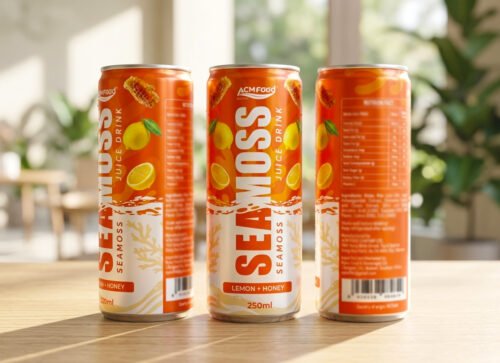
The global functional beverage market is experiencing a seismic shift, driven by consumers who demand more than mere refreshment from their drinks. This evolution has propelled niche ingredients like sea moss from the fringes of health food stores into the mainstream of ready-to-drink (RTD) innovation. As a beverage manufacturer, recognizing this demand for nutrient-dense, convenient formats is no longer optional but a core strategic requirement for portfolio relevance. The recent introduction of products like the Premium Sea Moss Juice with Ginger and Pineapple exemplifies this precise convergence of ancient wellness wisdom and modern consumption habits.
This specific sea moss beverage leverages a powerful combination of superfoods to target the health-conscious consumer segment. The drink’s formulation, blending Irish moss with ginger and pineapple, directly addresses growing desires for digestive support, immune function, and natural energy. For private label beverage partners, such product development signals a lucrative opportunity to tap into the plant-based functional drink boom without extensive in-house R&D investment. The agility to source and scale these innovative recipes defines the next generation of successful OEM beverage collaborations.
Deconstructing a Modern Superfood Beverage
Analyzing the Premium Sea Moss Juice reveals a calculated approach to modern functional drink formulation. The product positions itself squarely within the premium wellness category, avoiding the sugary, artificial pitfalls of earlier generation functional beverages. Its primary ingredient, sea moss (Chondrus crispus), is a marine algae celebrated for its rich mineral content, including iodine, potassium, and calcium. This foundation is strategically paired with ginger for its anti-inflammatory and digestive properties and pineapple for natural sweetness and enzymatic activity.
The unique selling proposition of this sea moss drink innovation lies in its fusion of traditional herbalism with accessible, pleasurable consumption. Ginger provides a warming, spicy note that cuts through any potential marine earthiness, while pineapple ensures the product is palatable to a broad audience. This careful balancing act between efficacy and taste is a critical lesson for any beverage manufacturer operating in the functional space. Success hinges on delivering promised health benefits without compromising on the fundamental enjoyment of the drinking experience, a key consideration for successful market expansion.
Packaging and Positioning for a Premium Audience
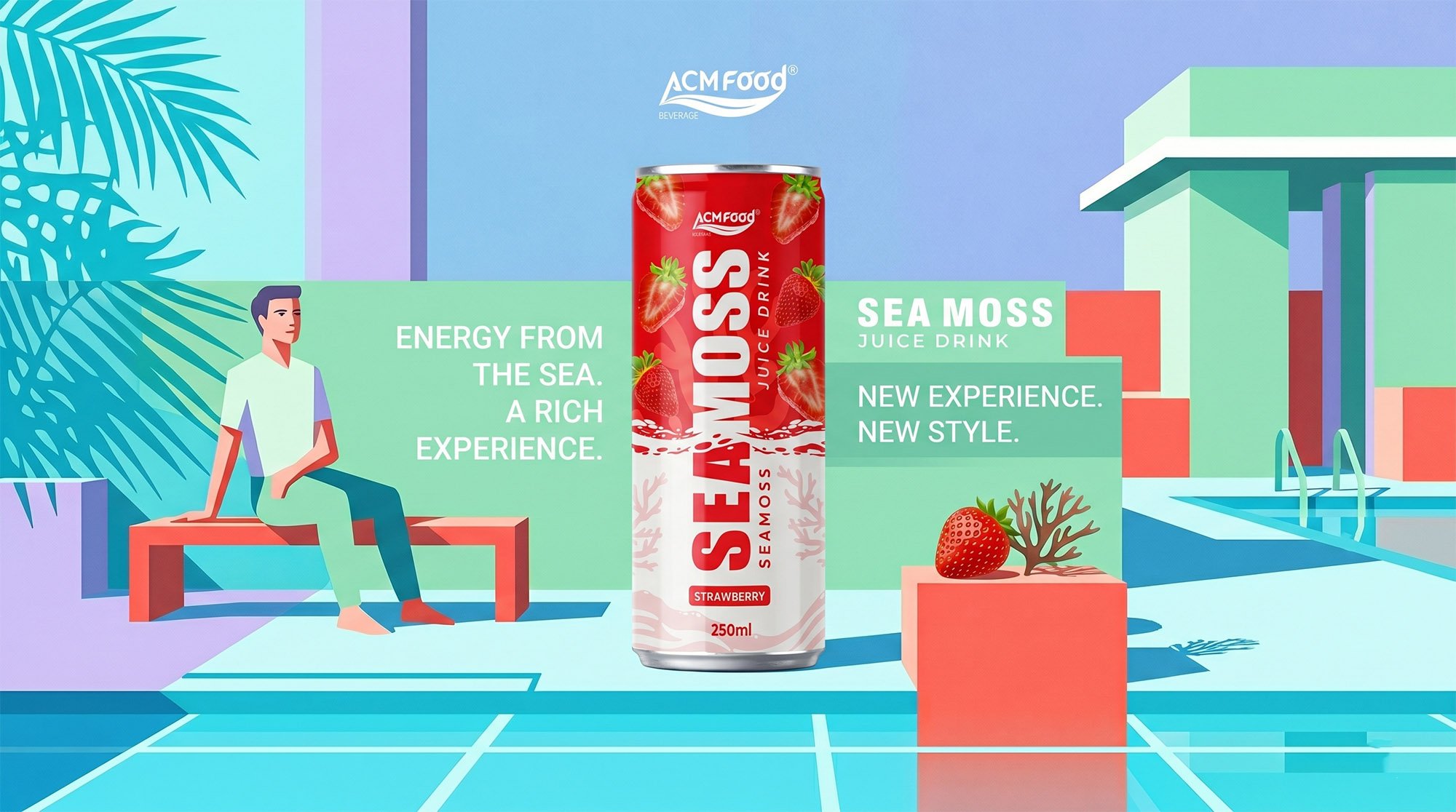
The 250ml format of this moss juice product is a deliberate choice, aligning with the premium, single-serve portion trends dominating urban wellness markets. This size suggests a positioning not as a staple hydration item but as a targeted functional shot or a premium lunch companion. The packaging likely emphasizes clean labeling, highlighting the natural ingredients and health benefits, which resonates deeply with today’s label-reading consumers. For distributors, such attributes are essential for securing shelf space in high-end grocery, specialty health stores, and online wellness platforms.

From a B2B perspective, the product’s category placement—potentially spanning fresh fruit juice and functional elixirs—demonstrates the blurring lines in modern beverage aisles. A manufacturer with expertise in both fresh fruit juice production and stable functional blends holds a distinct advantage. This capability allows for the creation of hybrid products that offer the freshness perception of juice with the extended shelf-life and nutrient density of a fortified functional beverage, a compelling proposition for brands looking to enter the sparkling water and functional drink segment.
Market Dynamics: Why Sea Moss is Capturing Capital and Shelves
The ascent of sea moss and similar superfoods is not a fleeting trend but a reflection of deeper macroeconomic and social currents. Rising healthcare costs, increased nutritional awareness post-pandemic, and a growing distrust of synthetic supplements have created a perfect storm for whole-food-based functional products. Market data consistently shows double-digit growth in categories like plant-based beverages, gut-health products, and natural energy solutions, of which this premium sea moss beverage is a direct beneficiary.
Consumer demand is increasingly bifurcated: seeking both profound functional benefits and holistic, clean-label transparency. A sea moss drink directly answers this call, offering a story rooted in tradition (Irish and Jamaican folk medicine) with a nutrient profile that appeals to scientific scrutiny. For a private label beverage partner, this narrative is as valuable as the formula itself. It provides marketing teams with authentic storytelling angles—sustainability (wild-harvested or sustainable aquaculture), heritage, and nutrient density—that are far more effective than generic health claims.
The Supply Chain and Sourcing Imperative
However, capitalizing on this trend introduces complex supply chain considerations. Consistent, high-quality sourcing of raw sea moss is paramount, as is ensuring sustainable harvesting practices to avoid depleting natural stocks. The most reliable beverage manufacturer partners are those who have invested in transparent, ethical supply chains for their key superfood ingredients. This due diligence becomes a critical factor for brands, as consumers and retailers increasingly penalize companies with opaque or environmentally damaging sourcing practices.
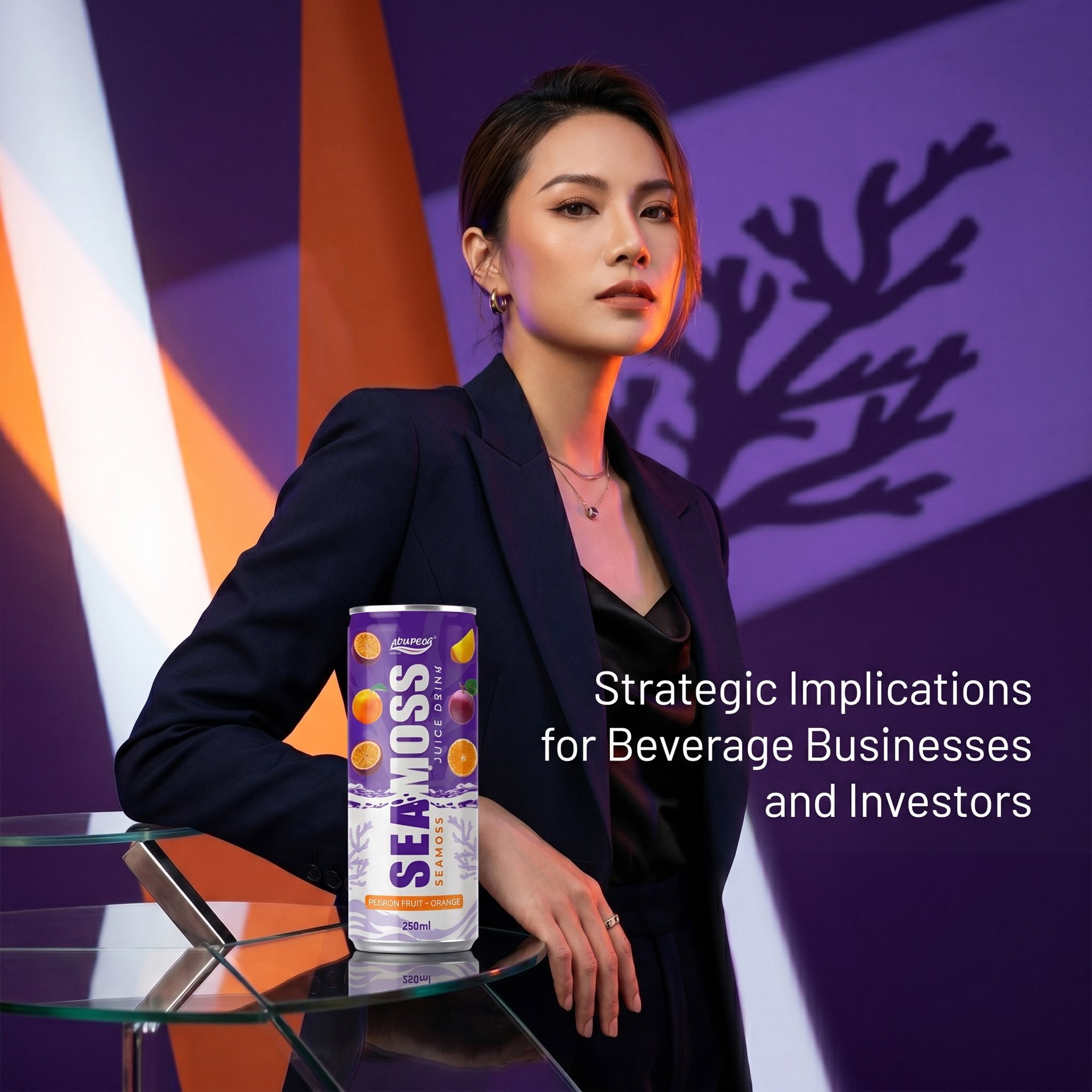
Strategic Implications for Beverage Businesses and Investors
For distributors and brand owners, the functional beverage shift necessitates a reevaluation of partnership criteria. The ability to execute small-batch, agile production runs is crucial for testing novel products like sea moss juice in niche markets before scaling. A manufacturer’s minimum order quantity (MOQ) flexibility can be the difference between capitalizing on a trend and missing the window entirely. The most forward-thinking OEMs now offer tiered MOQ structures, allowing entrepreneurs and established brands alike to innovate with manageable risk.

Furthermore, the service spectrum of a full-service beverage manufacturer now must extend beyond production. Comprehensive private label services encompassing regulatory compliance (FDA, EFSA), label design support, and export documentation are non-negotiable for global ambition. A sea moss beverage, with its unique ingredient profile, may face specific regulatory hurdles in markets like the European Union or the Middle East; a partner with navigational experience in these regions provides invaluable strategic leverage.
The Export Opportunity in Functional Beverages
The potential for premium functional drinks in export markets is substantial. In the United States, the wellness market is insatiable. In the EU, clean-label, plant-based products command premium prices. Across the Middle East and Asia, there is growing demand for natural health products and novel imported beverages. A sea moss juice, with its exotic yet health-focused appeal, is well-positioned for these markets. For brands considering expansion, partnering with a manufacturer that has established export logistics and understands regional taste preferences—perhaps adjusting sweetness levels or introducing variant flavors—is a critical strategic move.
Expert Insights: The Future of Functional Formulation
Industry analysts point to the hybridization of beverage categories as the dominant theme for the coming decade. “We are moving beyond single-benefit claims,” notes a leading food technology consultant. “The winners will be products like a sea moss beverage that layer multiple functional benefits—immune support, digestive aid, mineral replenishment—into a single, enjoyable format. The innovation challenge is sensory; making these nutrient-dense ingredients taste great is where true R&D expertise separates the contenders from the pretenders.”
This sentiment underscores a vital B2B consideration. When evaluating an OEM beverage partner, scrutinize their flavor-masking and sensory science capabilities. Can they effectively blend potent, sometimes challenging functional ingredients into a universally palatable profile? This technical prowess is what transforms a good concept into a commercially viable product ready for the rigors of national distribution.
The trajectory for the functional RTD sector points toward increased personalization and even greater ingredient specificity. While sea moss has its moment, the infrastructure and consumer appetite it helps build will pave the way for the next generation of adaptogen, nootropic, and precision-fermented beverages. The manufacturing partnerships forged today will determine who leads tomorrow. For brand owners, this means prioritizing partners with robust R&D pipelines, agile production lines, and a proven track record of moving products from concept to shelf with speed and compliance.
Ultimately, the success of a product like the Premium Sea Moss Juice is a bellwether. It confirms that the beverage industry’s future is inextricably linked to health, authenticity, and experiential consumption. The businesses that will thrive are those that view their manufacturing partners not as mere contractors but as strategic allies in innovation, capable of navigating the complex interplay of nutrition science, regulatory landscapes, and evolving consumer tastes across global markets.
Frequently Asked Questions (FAQ)
What are the primary health benefits associated with sea moss in beverage form?
Sea moss is rich in minerals like iodine, which supports thyroid function, and potassium, calcium, and magnesium. When consumed in a beverage like sea moss juice, it is often marketed for supporting digestive health due to its carrageenan content (a prebiotic fiber), boosting immune function with its vitamin and mineral profile, and providing a natural source of electrolytes. The synergistic effect with ginger and pineapple in a formulated drink can further enhance digestive and anti-inflammatory benefits.
What should a brand look for when selecting an OEM manufacturer for a functional beverage like this?
Brands should prioritize manufacturers with specific expertise in handling sensitive functional ingredients, ensuring nutrient stability and shelf-life. Key criteria include: low minimum order quantity (MOQ) flexibility for market testing, proven capability in clean-label and natural formulation, strong quality control and food safety certifications (FSSC 22000, SQF), and comprehensive private label services including regulatory guidance and export support for target markets.
How does the taste profile of a sea moss drink appeal to mainstream consumers?
Successful sea moss beverages, like the one analyzed, use strategic flavor pairing to mask any potential oceanic or earthy notes. The inclusion of tropical pineapple provides natural sweetness and a familiar fruit flavor, while ginger adds a bright, spicy kick that enhances complexity and palatability. A skilled beverage manufacturer employs advanced flavor systems to create a balanced, approachable, and even enjoyable taste that delivers the functional ingredients without an off-putting aftertaste.
What are the key export considerations for a functional sea moss beverage?
Exporting a functional drink requires navigating varied regulatory frameworks. In the EU, health claims are strictly regulated under EFSA. In the US, FDA labeling rules and GRAS (Generally Recognized As Safe) status for novel ingredients are crucial. Halal certification may be important for the Middle East. A competent manufacturing partner will have experience with these regional requirements, assist with documentation, and understand tariff codes, shelf-life testing for longer logistics chains, and packaging durability for export.
Absolutely. This is a core service of OEM beverage manufacturers. Customization can range from adjusting the sweetness level (using alternative sweeteners like stevia or monk fruit), altering the flavor profile (e.g., adding turmeric or lemon), fortifying with additional vitamins, changing the juice concentration, or modifying the packaging size and design. A collaborative development process allows a brand to create a unique product that fits its specific market positioning and target audience preferences.