
Coconut water, coconut milk and coconut cream all come from coconuts, but they are completely different products. Coconut water is the clear liquid found inside young green coconuts, light and naturally sweet. Coconut milk is made by grating the white flesh of mature coconuts and pressing it with water, giving a rich, creamy liquid. Coconut cream is a thicker, higher-fat version of coconut milk.
This guide compares where each comes from, how they differ in fat, calories and texture, how they are used in drinks and cooking, and how ready-to-drink coconut milk drinks differ from the coconut milk sold for cooking. Nutrition values vary by product, so labels and reference databases are the place to check exact figures.
What is the difference between coconut water and coconut milk?
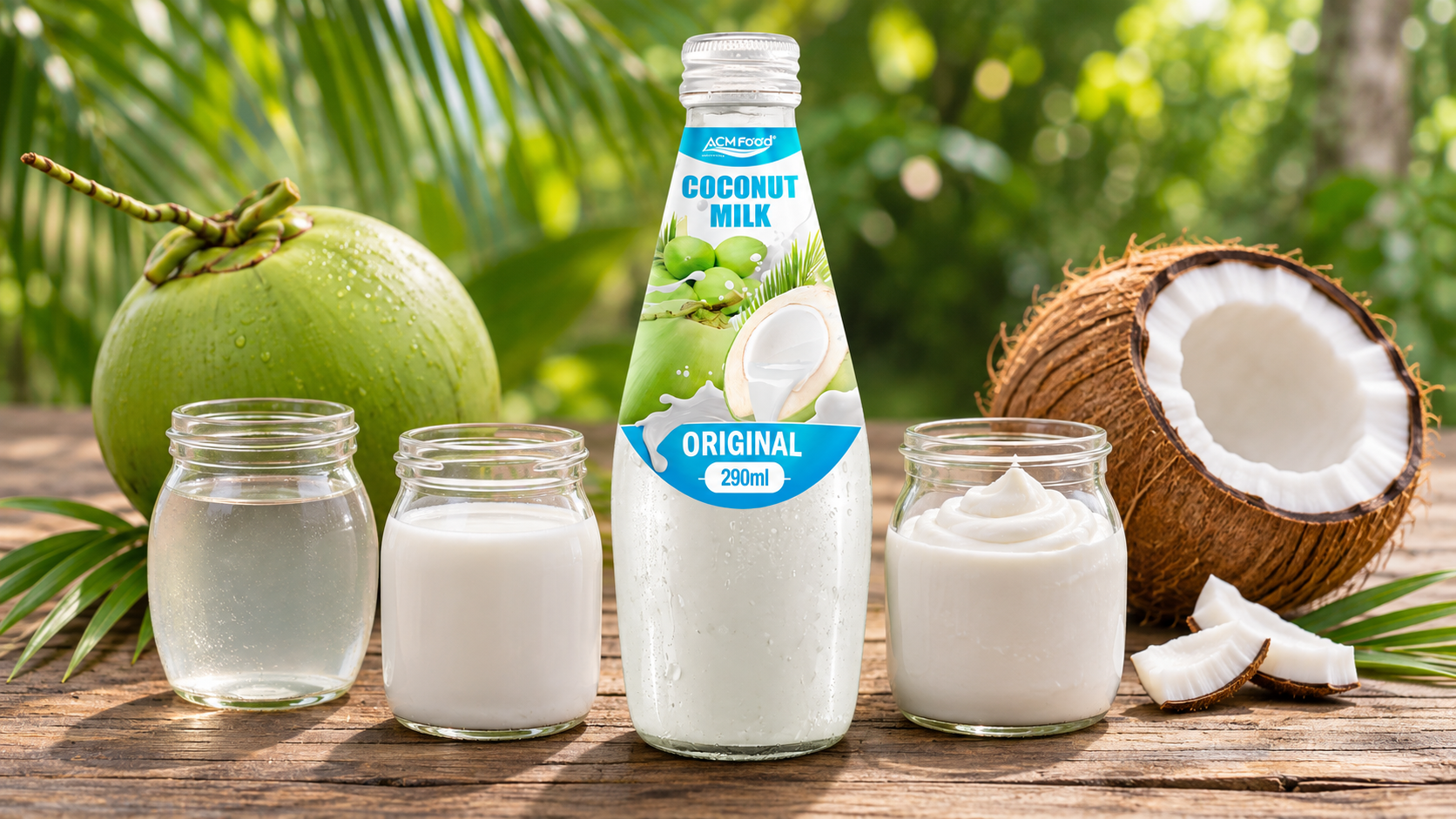
Coconut water is the natural clear liquid inside young coconuts, while coconut milk is made by extracting the grated flesh of mature coconuts with water. Coconut water is thin, low in fat and lightly sweet; coconut milk is opaque, creamy and rich in fat.
- Source: coconut water comes straight from the inside of young coconuts; coconut milk is made from the flesh of mature coconuts.
- Appearance: coconut water is clear or slightly cloudy; coconut milk is white and opaque.
- Fat: coconut water contains very little; coconut milk contains a lot.
- Taste: coconut water is light, slightly sweet and nutty; coconut milk is rich and creamy.
- Use: coconut water is drunk as a beverage; coconut milk is mainly used in cooking and desserts.
Where does each product come from?
Coconut water comes from young coconuts, usually harvested at around six to eight months, when the cavity is full of water and the flesh is soft and thin. Coconut milk and cream come from mature coconuts, which have less water and a thick layer of firm white flesh that is grated and pressed.
As a coconut matures, part of the water is absorbed into the developing flesh, and the flesh becomes thicker and richer in fat. That is why young coconuts are best for drinking and mature coconuts for milk, cream, desiccated coconut and oil. Maturity also affects coconut water’s sweetness, as explained in our article on why coconut water is sweet.
How are coconut milk and coconut cream made?
Coconut milk and cream are made by grating the flesh of mature coconuts, mixing it with warm water and squeezing or pressing out the liquid. The first, concentrated pressing produces a thick, rich liquid; adding more water and pressing again produces a thinner milk. Coconut cream is the thicker, fattier portion, either from the first pressing or skimmed from the top of coconut milk.
- Mature coconut flesh is removed and grated.
- Warm water is added to the grated coconut.
- The mixture is pressed or squeezed through cloth or machines.
- The first extract is thick and rich; later extracts are thinner.
- For canned products, the liquid is standardised, heat-treated and sealed.
In canned coconut milk, the cream often rises to the top during storage, which is why cans are shaken or stirred before use.
What is light coconut milk?
Light coconut milk is coconut milk with more water and less coconut fat, made either by using a higher ratio of water during pressing or by diluting standard coconut milk. It is thinner and lower in calories than regular coconut milk, but still much richer than coconut water. It suits soups and curries where a lighter texture is acceptable, though desserts and rich sauces usually taste better with full-fat coconut milk or cream.
What other products come from mature coconuts?
Mature coconuts provide many products besides milk and cream. Desiccated coconut is dried, grated flesh used in baking and confectionery. Coconut oil is extracted from dried flesh or from coconut milk. Coconut flour is made from the dried, defatted flesh left after extraction. Young coconuts, by contrast, are prized mainly for their water and soft, jelly-like flesh, which is eaten with a spoon. This division explains why coconut water and coconut milk come from different harvests and different parts of the supply chain.
How do fat, calories and sugar compare?
Coconut water is low in fat and calories and contains natural sugars, while coconut milk and especially coconut cream are high in fat and therefore much higher in calories. The fat in coconut milk is largely saturated fat. Exact values vary by product and dilution, and reference sources such as the USDA FoodData Central database list typical figures.
| Feature | Coconut water | Coconut milk (cooking) | Coconut cream |
|---|---|---|---|
| Source | Liquid inside young coconuts | Pressed flesh of mature coconuts with water | Thick, fatty part of coconut milk |
| Fat | Very low | High | Very high |
| Calories | Low | High | Very high |
| Sugar | Natural sugars, moderate | Low unless sweetened | Low unless sweetened |
| Potassium | Naturally contains potassium | Contains potassium | Contains potassium |
| Texture | Thin, watery | Creamy, pourable | Thick, spoonable |
For a detailed look at what is in coconut water specifically, see our coconut water nutrition facts per 100ml. For milk and cream, check the nutrition panel on the specific product, as fat content varies with how much water is used.
How do they taste?
Coconut water tastes light, slightly sweet and nutty, sometimes with a faint salty or mineral note. Coconut milk tastes rich, creamy and distinctly coconutty, with no sweetness unless sugar is added. Coconut cream tastes even richer and fuller, like a dense, buttery version of coconut milk.
How are they used?
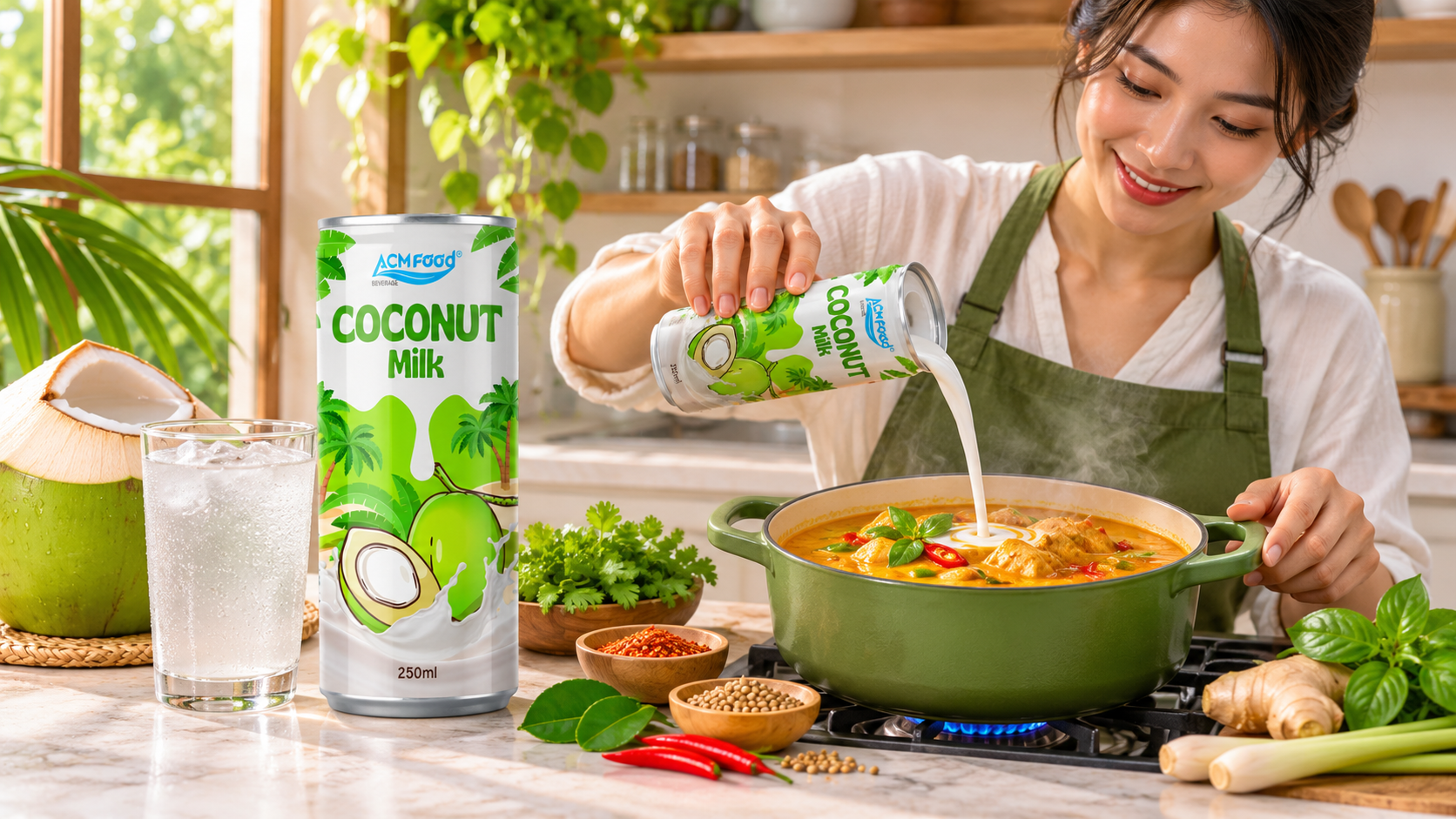
Coconut water is mainly drunk as a refreshing beverage and used in smoothies and mocktails. Coconut milk is a cooking ingredient for curries, soups, sauces, rice dishes and desserts, and a base for plant-based drinks. Coconut cream is used in rich curries, desserts, whipped toppings and some drinks.
- Coconut water: drinking straight, smoothies, mocktails, light cooking such as braising.
- Coconut milk: Thai and Indian curries, laksa, soups, sticky rice, puddings, baking.
- Coconut cream: rich curries, desserts, whipped dairy-free cream, piña colada-style drinks.
Coconut water can also be used in cooking, for example to braise pork or fish in Vietnamese dishes, where it adds gentle sweetness without richness.
What is a coconut milk drink?
A coconut milk drink is a ready-to-drink beverage made by diluting coconut milk with water and usually adding sugar, flavour and stabilisers so it can be drunk like milk or a dairy-free beverage. It is much thinner and lower in fat per serving than cooking coconut milk, and it is designed to be poured into a glass rather than a pot.
Differences between cooking coconut milk and coconut milk drinks:
- Coconut milk drinks are more diluted and lighter in texture.
- They are often sweetened and sometimes flavoured.
- They may contain stabilisers to stop separation.
- They are sold in bottles or cartons for drinking, not cans for cooking.
- Some include toppings such as nata de coco.
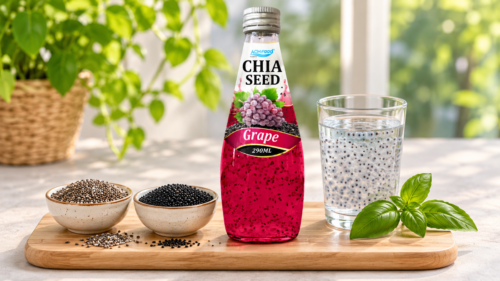
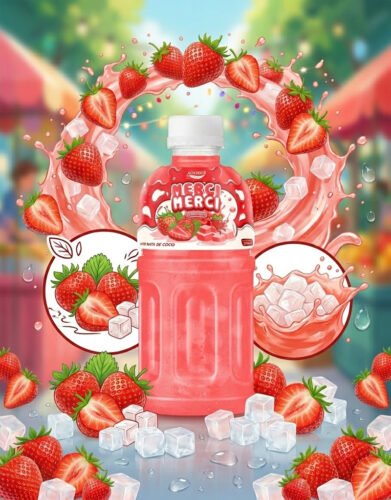
As an example, ACM Beverage offers an ACM FOOD coconut milk drink in a 290ml glass bottle, available with and without nata de coco. A wider look at these drinks is in our guide to fruit milk and coconut milk drinks.
Which is healthier: coconut water or coconut milk?
Neither is simply healthier; they serve different purposes. Coconut water is low in fat and calories and suits everyday drinking, while coconut milk is energy-dense and high in saturated fat, so it is typically used in smaller amounts in cooking. Choosing between them depends on what you need: a light drink or a rich cooking ingredient.
People watching saturated fat or calories may prefer coconut water for drinking and light coconut milk for cooking. Anyone with specific dietary needs should follow advice from a healthcare professional.
Coconut water or coconut milk in smoothies?
Both work in smoothies but give different results. Coconut water makes a light, refreshing smoothie with fewer calories and a thinner texture, ideal for fruit-heavy blends. Coconut milk makes a creamy, rich smoothie that feels more like a milkshake and is more filling. Many people combine a little coconut milk with coconut water to get creaminess without too much richness.
Where are they most popular?
Coconut water is widely drunk fresh across tropical Asia, Latin America, Africa and the Pacific, and packaged coconut water is now popular worldwide as a light drink. Coconut milk is a cornerstone of cooking in Southeast Asia, South Asia, the Caribbean and parts of Africa, from Thai curries and Indonesian rendang to Caribbean rice and peas. Coconut milk drinks are particularly popular in Southeast Asia, where sweet, milky coconut beverages are a familiar treat.
Can you substitute one for another?
Coconut water and coconut milk are not interchangeable in most recipes. Coconut water is too thin to replace coconut milk in curries or desserts, and coconut milk is too rich to replace coconut water as a refreshing drink. Coconut cream can replace coconut milk if diluted with water, and coconut milk can partly replace cream if a lighter result is acceptable.
Why does canned coconut milk separate?
Canned coconut milk separates because coconut fat is lighter than water and solidifies at cooler temperatures, so a thick layer of cream rises to the top and may set firmly, especially in a cold room or fridge. This is natural and does not mean the product has spoiled. Shaking the can before opening or stirring the contents restores a smooth texture. Some brands add stabilisers to reduce separation. Coconut water, which contains very little fat, does not separate in the same way, although products with pulp may settle.
How should they be stored?
Store unopened shelf-stable coconut water, coconut milk and coconut cream in a cool, dry place. After opening, refrigerate all three, keep them covered and use within the time stated on the label. Coconut milk and cream may separate or firm up in the fridge; stir or warm gently before use.
What coconut water options are available?
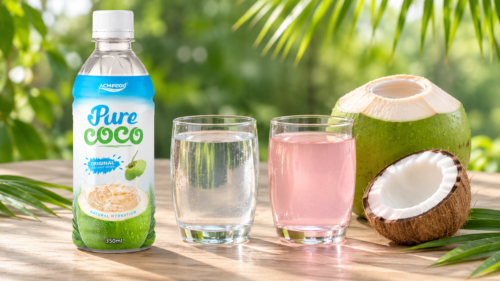
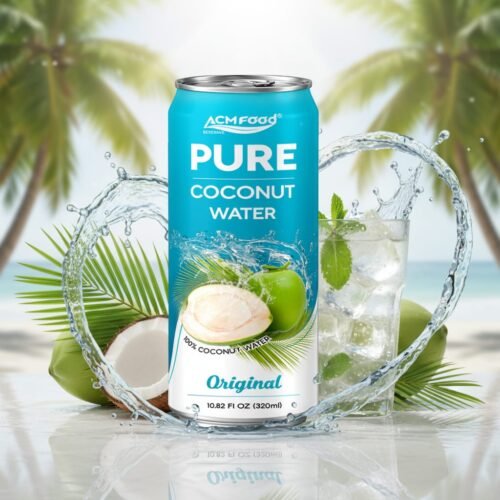
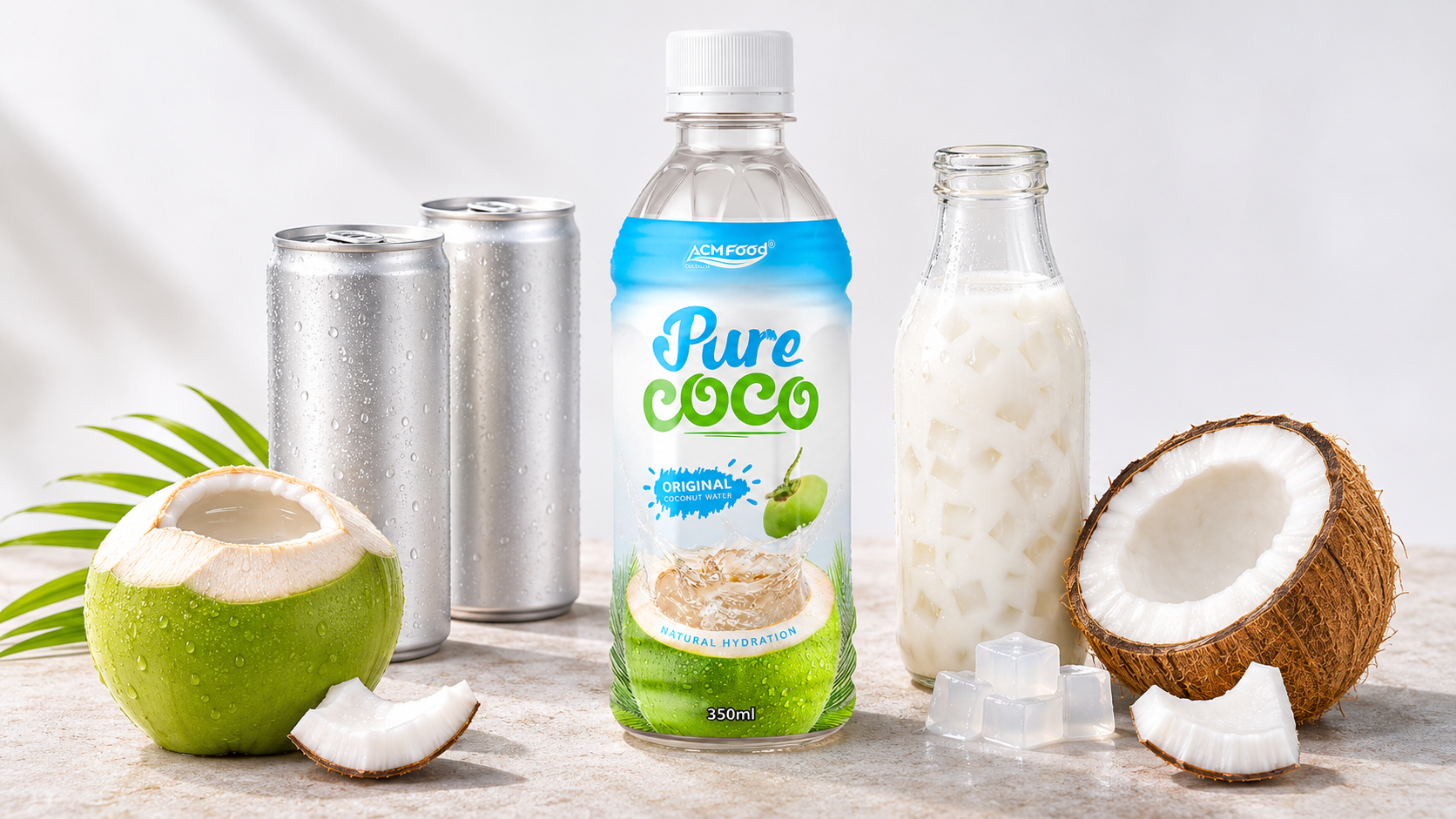
Coconut water is available as pure coconut water, with pulp, flavoured, sparkling and blended with fruit juice, in cans and bottles of many sizes. ACM Beverage offers a wide range of ACM FOOD coconut water drinks, shown in the coconut water range.
FAQ: coconut water vs coconut milk
Is coconut milk the liquid inside a coconut?
No. The liquid inside a coconut is coconut water. Coconut milk is made by pressing grated coconut flesh with water.
Is coconut cream the same as cream of coconut?
Not quite. Coconut cream is unsweetened and thick, while cream of coconut is a sweetened product often used in cocktails and desserts.
Does coconut water contain fat?
Coconut water contains very little fat compared with coconut milk and cream.
Can I drink coconut milk like milk?
Cooking coconut milk is very rich. Coconut milk drinks, which are diluted and often sweetened, are designed for drinking.
Coconut water vs coconut milk vs cream in summary
Coconut water is the clear, light liquid inside young coconuts, low in fat and naturally sweet. Coconut milk is pressed from the flesh of mature coconuts and is rich and creamy, while coconut cream is its thicker, fattier form. Coconut milk drinks are diluted, ready-to-drink versions. Each has its own role, from refreshing drinks to rich curries and desserts.
For product details on coconut water and coconut milk drinks, contact the ACM Beverage team through the website enquiry page.