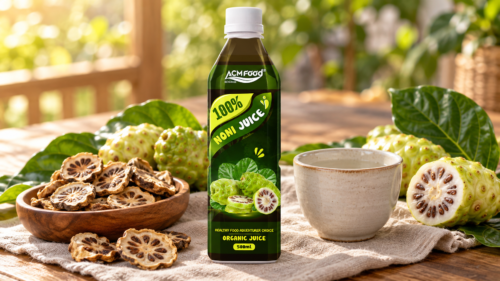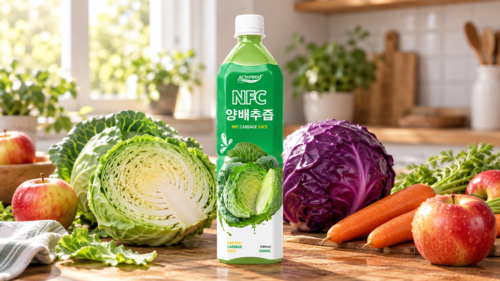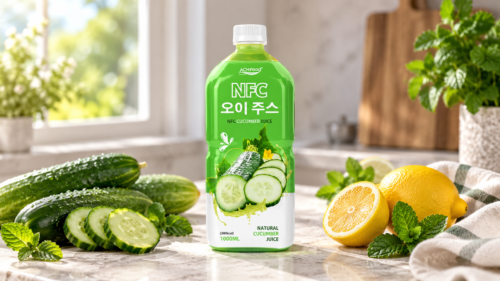






Vegetable and fruit juices deliver vitamins, minerals and polyphenols in a form that is quick to absorb — but juicing removes most of the fibre. Most national guidelines count one 150–250 ml glass as a single portion of fruit or vegetables per day, regardless of volume. Vegetable juices carry far less sugar than fruit juices.
Key facts at a glance
- Daily limit: one 150–250 ml serving, counted as one portion however much you drink.
- Fibre: largely removed by straining — whole produce keeps it, juice does not.
- Vegetable vs fruit: tomato juice is around 17 kcal per 100 ml; orange juice around 45 kcal.
- Best used as: an addition to whole vegetables and fruit, not a replacement.
- Drink within 20 minutes of pressing — vitamin C degrades on contact with oxygen and light.

What vegetable and fruit juices genuinely do
1. They concentrate vitamins and minerals
A glass of juice contains the soluble nutrients of more produce than most people would eat at one sitting. Vitamin C, potassium, folate and magnesium all pass through into the liquid. For someone who struggles to eat enough vegetables, a vegetable juice is a practical way to raise intake.
2. They hydrate while supplying electrolytes
Juices are roughly 85–90% water and carry potassium and magnesium. That makes them more useful than a soft drink for rehydration, though less targeted than a formulated electrolyte drink.
3. Vegetable juices are genuinely low in sugar
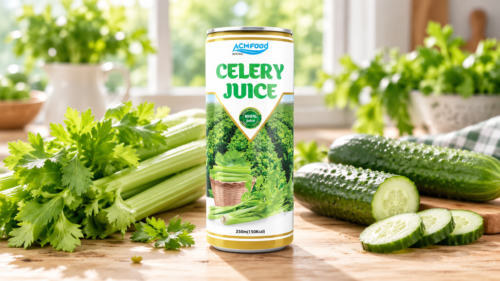
This is the clearest advantage in the category and it is often lost in generic “juice is healthy” messaging. Tomato, celery, cucumber and leafy-green juices carry a fraction of the sugar of fruit juice while keeping most of the micronutrients.
4. Beetroot juice has specific cardiovascular evidence
Beetroot is the one juice with a well-defined mechanism: it is high in dietary nitrate, which the body converts to nitric oxide, and controlled trials have shown modest reductions in blood pressure. This is a narrow, specific finding — not a general property of all juices.
5. Carotenoids absorb better from processed produce
Breaking plant cell walls makes carotenoids such as beta-carotene and lycopene more bioavailable than in raw whole vegetables. Tomato and carrot juice are better sources of these compounds than the raw vegetable.
Three claims about juice that do not hold up
- “Juice detoxes the liver and kidneys.” The liver and kidneys perform detoxification continuously and do not need assistance from cucumber, lemon or parsley. No juice has been shown to increase their function. If something genuinely impaired them, a drink would not fix it.
- “The natural enzymes aid digestion.” Enzymes in raw juice are proteins, and stomach acid denatures them before they reach the small intestine. Any digestive benefit comes from fluid and from whatever fibre remains.
- “Juice gives steady energy without a crash.” The opposite is closer to true for fruit juice. Removing fibre raises the glycaemic response, so fruit juice is absorbed faster than the whole fruit. Vegetable juices, being lower in sugar, do behave more steadily.
Vegetable juice or fruit juice?
| Vegetable juice | Fruit juice | |
|---|---|---|
| Typical energy | ~17–30 kcal per 100 ml | ~40–55 kcal per 100 ml |
| Sugar | Low | High — counts as free sugars |
| Sodium | Often added — check the label | Negligible |
| Palatability | Lower — often blended with fruit | High |
| Best for | Daily drinking, nutrient density | Vitamin C, occasional use |
A common compromise is a blend weighted towards vegetables with a small share of fruit for palatability. Read the label: some “vegetable” juices are majority apple or pear juice. Our vegetable drinks range covers both builds.
How to get the most from juice
- Weight the blend towards vegetables. Use fruit to make it drinkable, not as the base.
- Drink it within 20 minutes. Oxidation starts as soon as the cell walls break.
- Keep the pulp where you can. Straining removes fibre and some polyphenols with it.
- Add no sugar. Fruit already supplies it; a vegetable juice that needs sugar needs a different recipe.
- Pair with a meal. Drinking juice alongside food blunts the glycaemic response.
- Check sodium on commercial vegetable juices. Salt is often added for taste and adds up quickly.
Who should be careful
- People managing blood glucose: treat fruit juice as a source of free sugars and prefer vegetable blends.
- People on potassium-restricted diets: juices concentrate potassium significantly.
- Anyone on warfarin: green juices are high in vitamin K, which interacts with the drug. Consistency of intake matters more than avoidance — discuss it with a clinician.
- Young children: paediatric guidance limits juice sharply by age. See fruit juice for children.
Frequently asked questions
Is juicing as good as eating whole vegetables and fruit?
No. Juicing retains vitamins, minerals and polyphenols but removes most of the fibre, which is a significant part of the benefit of whole produce. Juice is a useful addition to a diet that already includes whole vegetables and fruit, not a substitute for them.
How much juice can I drink a day?
Most national guidelines cap 100% juice at one 150–250 ml serving per day and count it as a single portion of fruit or vegetables regardless of how much you drink. Low-sugar vegetable juices are treated more leniently in practice, but the portion rule still applies.
Does juice really detox your body?
No. Detoxification is carried out continuously by the liver and kidneys, and no juice has been shown to enhance that process. “Detox” claims on juice products are marketing rather than physiology.
Is bottled juice as nutritious as fresh?
It depends on the process. Not-from-concentrate juice, pasteurised once and kept cold or filled aseptically, retains most of its vitamin C and aroma. Juice reconstituted from concentrate loses more to the heat of evaporation. See NFC versus from concentrate.
Which vegetable juice is the healthiest?
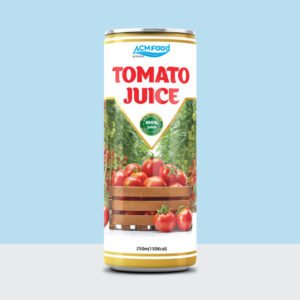
Tomato juice has the strongest overall profile: low sugar, high lycopene, and the carotenoids absorb better from juice than from the raw fruit. Beetroot juice has the most specific evidence, for blood pressure. Choose by what you want rather than by a general ranking.
Should I drink juice on an empty stomach?
Fruit juice is better taken with a meal, which slows sugar absorption. Acidic juices on an empty stomach can also irritate the stomach lining in people prone to reflux. Vegetable juices are less of an issue either way.
Commercial juice production
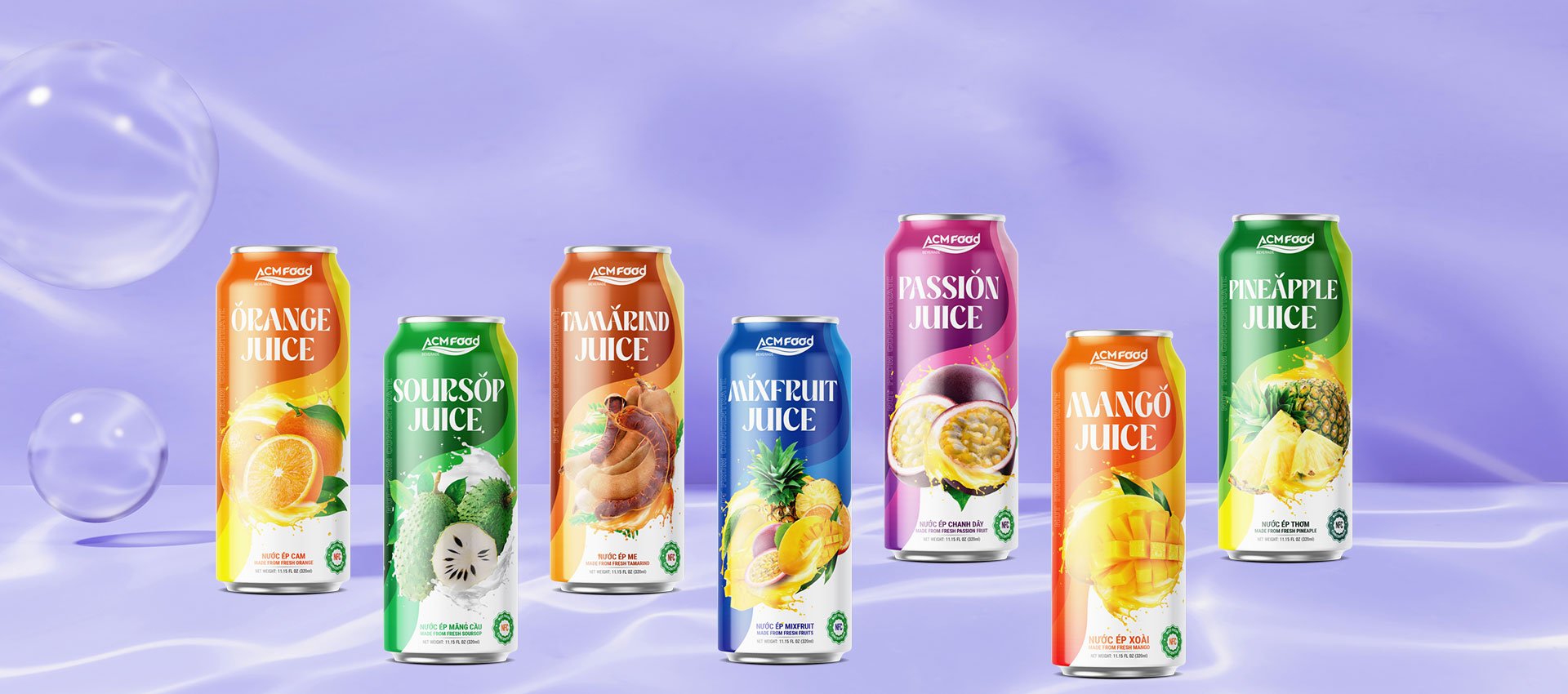
ACM Beverage manufactures vegetable and fruit juices in Vietnam under OEM and private label terms, in facilities certified to ISO 22000, FSSC 22000 and HACCP, exporting to more than 40 countries. Formats run from NFC single-fruit builds to low-sugar vegetable blends.
See the vegetable drinks range (17 SKUs), the fresh fruit juice range (175 SKUs), or the full beverage product range. To discuss a formulation, contact our export team.
This article is general nutrition information, not medical advice. Consult a qualified healthcare professional about your own diet.