
Contents
- 1 The Rise of Sparkling Juices in the Premium Segment
- 2 Flavor Innovation and Consumer Appeal
- 3 OEM Manufacturing as a Market Accelerator
- 4 Packaging and Sustainability Considerations
- 5 Global Market Outlook and Strategic Advice
- 6 Frequently Asked Questions
- 6.1 What is driving the growth of sparkling fruit juices worldwide?
- 6.2 How can OEM manufacturers help brands enter this segment quickly?
- 6.3 What certifications are important for exporting sparkling juice to Europe or the US?
- 6.4 What packaging formats are most popular for premium sparkling juices?
- 6.5 How can a distributor test the market with minimal risk?
The global non-alcoholic beverage landscape is rapidly evolving as consumers shift away from traditional sodas toward premium, functional alternatives. Sparkling fruit juices, led by innovative flavors like raspberry, have become a powerful category driving this transformation.
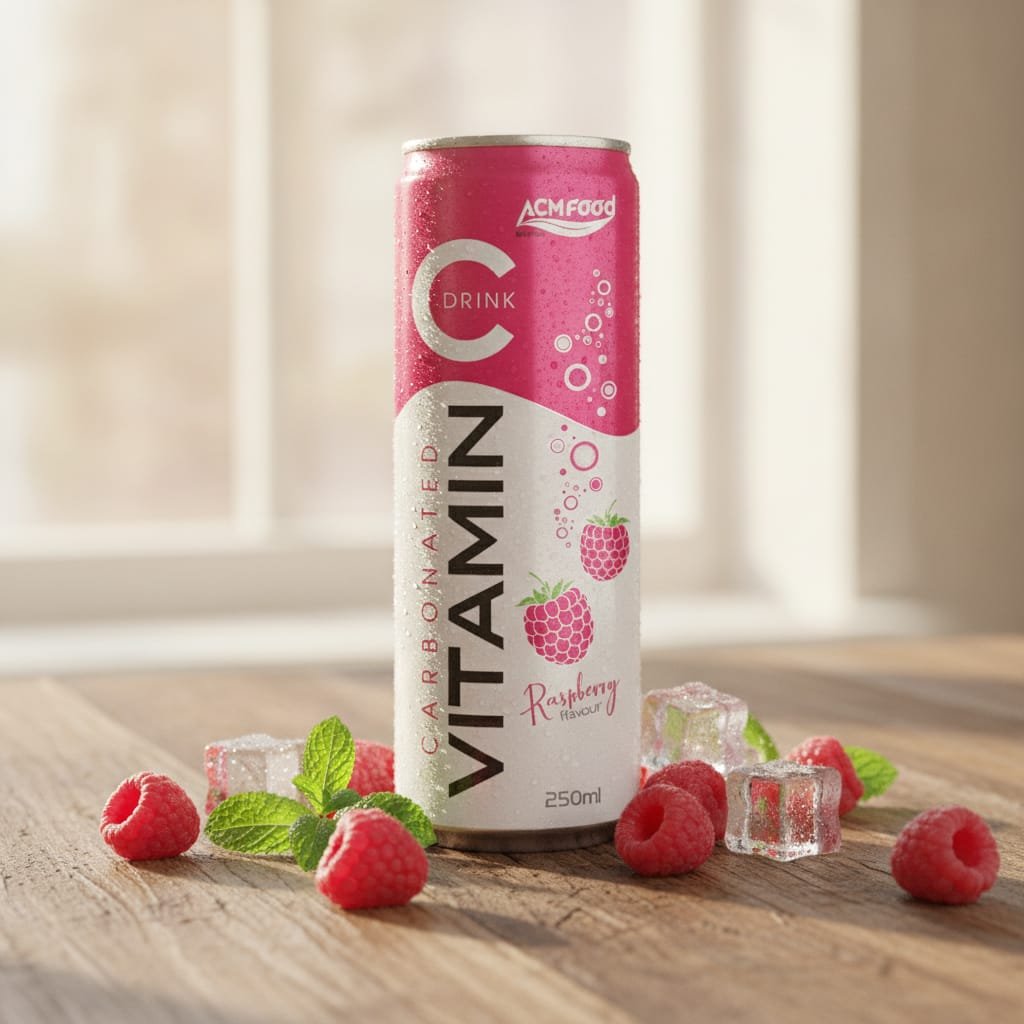
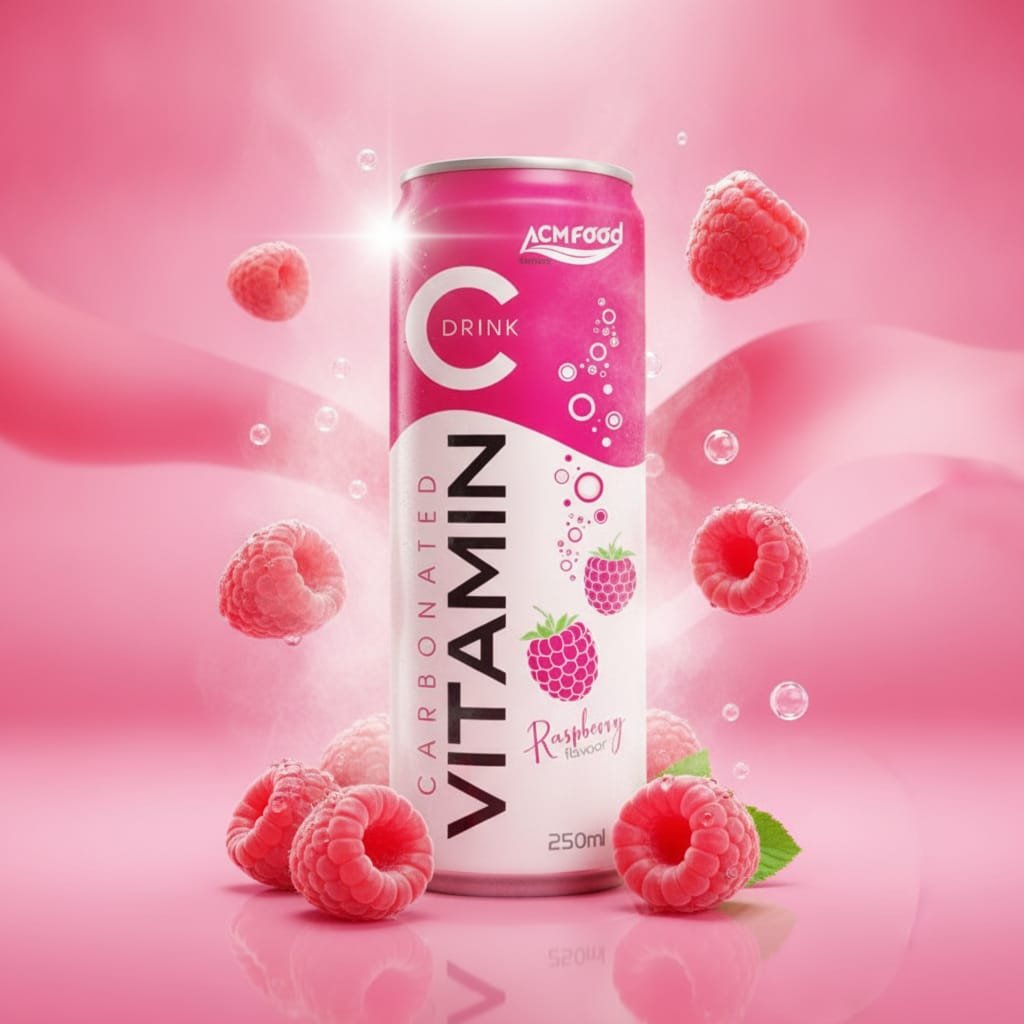
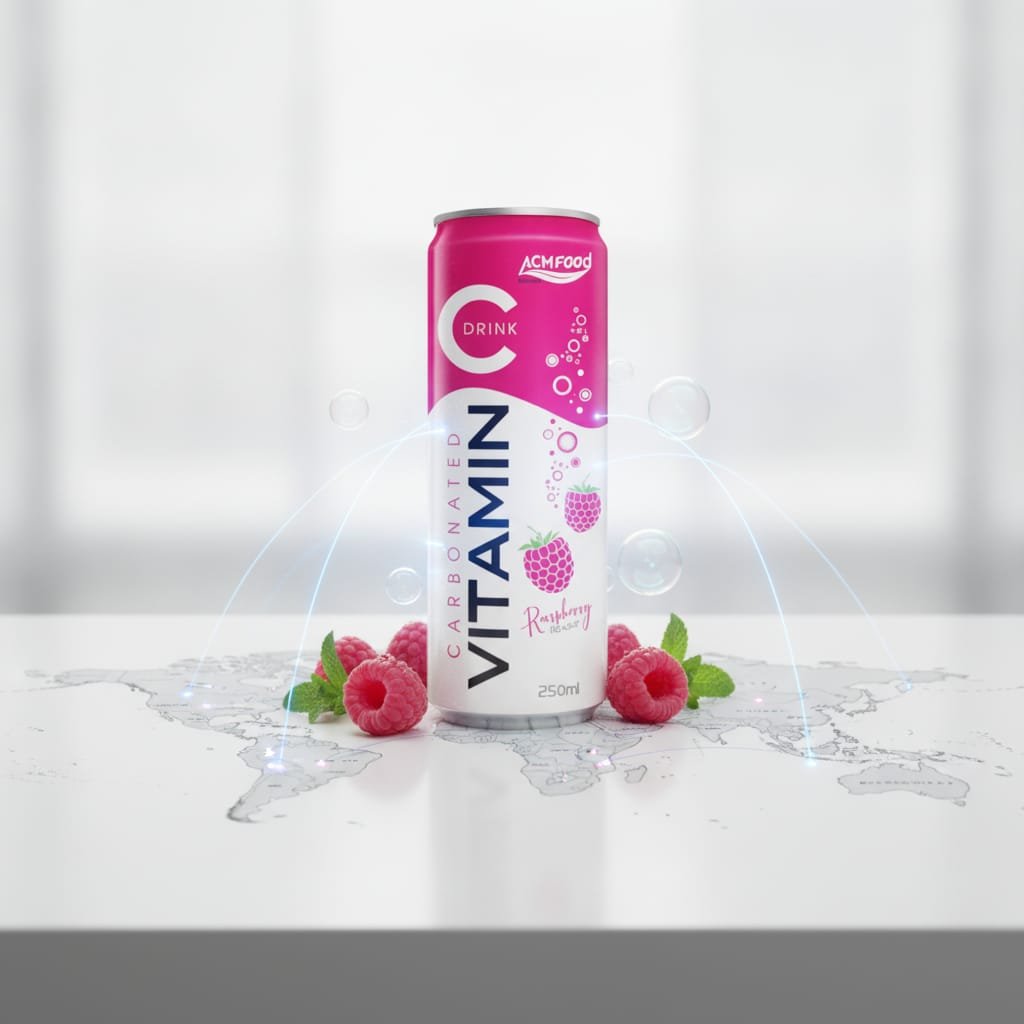
This trend is reshaping supply chains and creating new entry points for distributors and private-label brands. The 250ml ACM Raspberry Sparkling Juice stands at the intersection of taste innovation and manufacturing flexibility, offering a blueprint for OEM success in a competitive market.
The Rise of Sparkling Juices in the Premium Segment
Sparkling juice innovation is redefining the premium non-alcoholic segment by merging the refreshment of carbonation with the perceived health benefits of real fruit juice. Consumers now expect more than just flavor; they seek beverages that feel indulgent yet align with clean-label values.
This category has recorded double-digit growth in key markets like North America, Europe, and the Middle East. The raspberry sparkling juice format, especially in single-serve 250ml cans, appeals to on-the-go consumers who prioritize convenience without compromising quality.
For OEM manufacturers, this shift presents an opportunity to deliver customizable formulas that meet diverse regional preferences. The combination of natural raspberry flavor and carbonation creates a product that stands out on crowded retail shelves.
Flavor Innovation and Consumer Appeal
Raspberry as a flavor profile offers a perfect balance of tartness and sweetness, making it a versatile base for sparkling beverages. Flavor innovation in this space goes beyond simple extraction; it involves creating a sensory experience that mimics freshly muddled fruit.
Leading manufacturers invest in cold-pressed juice extraction and gentle carbonation techniques to preserve delicate fruit notes. The result is a product that tastes authentic and sophisticated, appealing to health-conscious Millennials and Gen Z buyers.

Distributors looking to differentiate their portfolios should evaluate how a raspberry-focused product can anchor a line of premium sparkling juices. The ability to tailor sweetness levels, carbonation intensity, and flavor blends is a key driver of private-label success.
OEM Manufacturing as a Market Accelerator
OEM manufacturing flexibility is a critical enabler for brands entering the sparkling juice market. The fresh fruit juice production ecosystem at ACM Food allows for rapid scaling from concept to container.
With over a decade of experience and certifications like FSSC 22000, HALAL, and USDA Organic, ACM supports global clients in navigating regulatory landscapes. This is especially valuable for importers targeting the EU and US markets, where compliance is stringent.
The OEM model reduces capital expenditure for new entrants while allowing established brands to expand their SKU range without operational disruption. Low MOQ options further lower the barrier for testing new flavors or regional variations.

For illustrative purposes only
Packaging and Sustainability Considerations
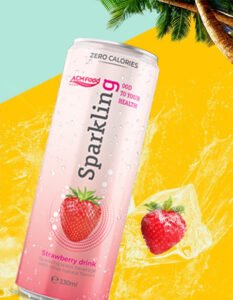
The 250ml aluminum can format aligns with sustainability trends, offering high recyclability and protection against light and oxygen. Sparkling water drink packaging innovations now emphasize lightweight materials and eco-friendly inks.
For B2B buyers, packaging decisions directly impact logistics costs and shelf appeal. ACM provides customization from can design to shrink-sleeve labeling, ensuring that each brand’s identity is clearly communicated at the point of sale.
Sustainability certifications are becoming a non-negotiable factor for European retailers. ACM’s BSCI and ISO-compliant factories give partners a competitive advantage in tenders and listing processes.
Global Market Outlook and Strategic Advice
The premium non-alcoholic beverage market is projected to exceed $500 billion by 2030, with sparkling juices capturing an increasing share. Raspberry sparkling juice specifically benefits from the superfruit health halo and vibrant color that drives social media visibility.
For distributors, the immediate opportunity lies in partnering with manufacturers that offer end-to-end support: from concept development (sampling, R&D) to logistics and customs clearance. ACM’s monthly export capacity of 300+ containers ensures reliable supply for high-volume commitments.
Strategic recommendation: Launch a limited-edition seasonal flavor variant to test market response, then scale based on data. This approach minimizes risk while building a loyal consumer base. Evaluating a partner’s agility in low-MOQ production has become a strategic imperative for forward-looking buyers.
Frequently Asked Questions
What is driving the growth of sparkling fruit juices worldwide?
Rising health awareness and demand for low-sugar, natural-ingredient drinks are key drivers. Sparkling juices offer a refreshing alternative to sodas without artificial additives.
How can OEM manufacturers help brands enter this segment quickly?
OEM partners provide ready formulations, packaging expertise, and regulatory support, reducing time-to-market from years to months. Sampling and R&D allow for flavor customization.
What certifications are important for exporting sparkling juice to Europe or the US?
FSSC 22000, ISO, BSCI, HALAL, and USDA Organic are highly valued. ACM Food holds these certifications, facilitating market access for partners.
The 250ml can is favored for single-serve convenience and premium perception. Larger glass bottles are also used in foodservice, while PET offers cost efficiency.
How can a distributor test the market with minimal risk?
Partner with an OEM offering low MOQ and sampling. Launch a pilot run in a specific region or channel, then expand based on consumer feedback and sales data.


Related blogs insights
Natural Mixology: Creative & Refreshing Drinks with Canned Coconut Water
Contents1 Unlocking the Refreshing Potential of Canned Coconut Water .2 5 Creative Mixology Ideas Using [...]
1 Comment
Jan
Understanding Pineapple Juice: Nutritional Profile and Caloric Content
Contents1 The Nutritional Profile of Pineapple Juice: Calories and Key Nutrients2 Health Benefits of Pineapple [...]
1 Comment
Jan
Pineapple Juice A Tropical Beverage with Health Benefits
Contents1 Vietnam’s Pineapple Industry and the Rise of Pineapple Juice1.1 The Evolution of Pineapple Juice [...]
1 Comment
Apr
Coconut Jelly Fruit Juice – The “Super Nutrient” Drink Taking the Market by Storm
Contents1 Coconut Jelly Fruit Juice – The “Super Nutrient” Drink Taking the Market by Storm1.1 [...]
1 Comment
Jan
The Strategic Rise of Pure Passion Fruit Juice in the Global RTD Market
Explore the strategic market rise of pure passion fruit juice as a premium RTD beverage. [...]
May
Benefits of Strawberry Drink Juice
Contents1 1. Rich in Antioxidants2 2. Strawberry Drink Boosts Immune System3 3. Strawberry Drink Promotes [...]
1 Comment
Jan