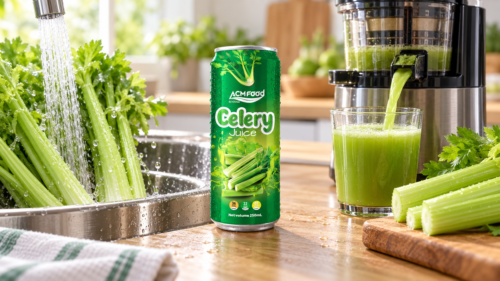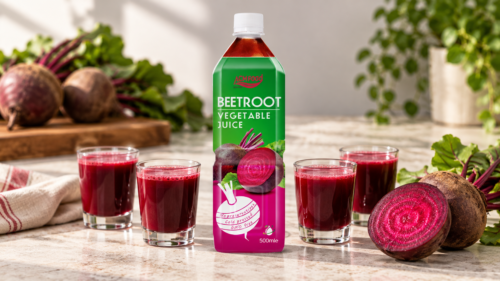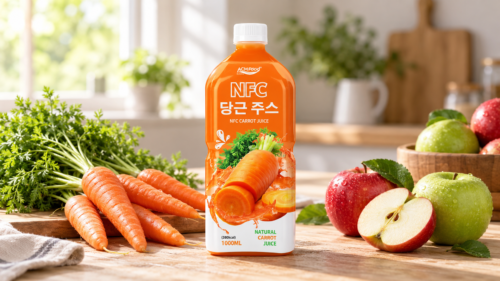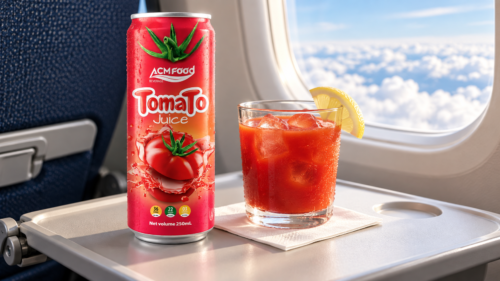

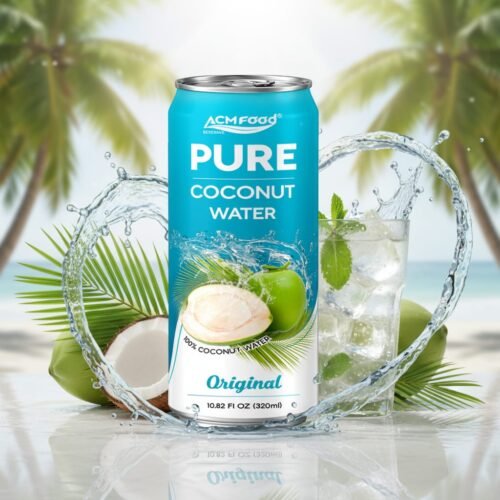
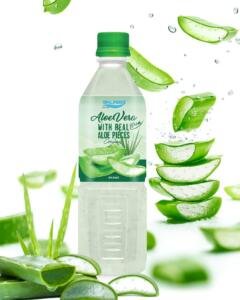
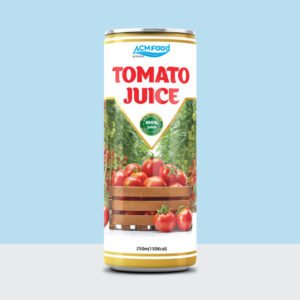
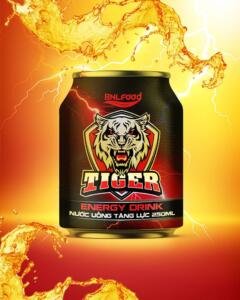
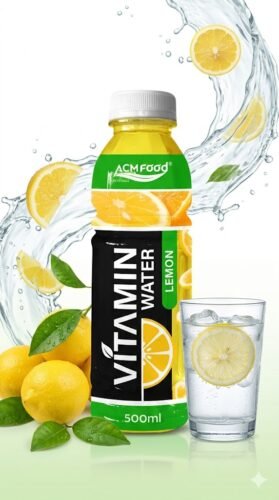
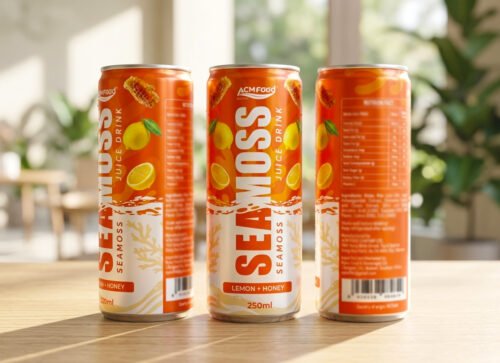
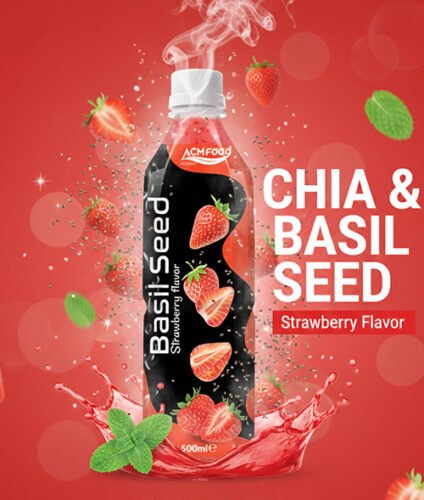
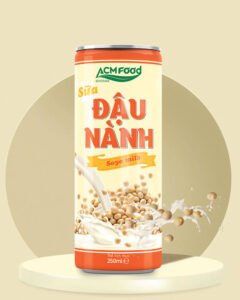
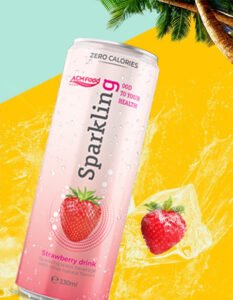
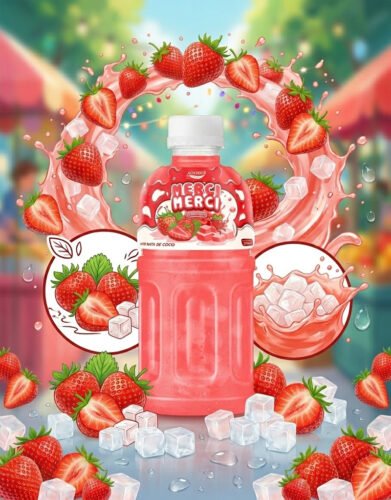
Colour is usually the first thing shoppers judge in a juice: before tasting, they use it to guess flavour, ripeness and freshness. Bright, natural colours signal quality, while dull or unnatural shades reduce purchase intent. Clarity is the 2nd visual cue, and cloudy juice is not a defect – it often means more fruit solids.
How does colour influence purchasing decisions?
- Flavour expectation: people expect orange juice to be deep orange and grape juice purple; a mismatch makes a drink taste “wrong” even when it is not.
- Perceived ripeness and quality: vivid, natural tones suggest ripe fruit; brownish or faded tones suggest age or oxidation.
- Sweetness perception: sensory studies show deeper colours can make a drink seem sweeter.
- Shelf impact: colour helps shoppers find a flavour quickly among many packs.
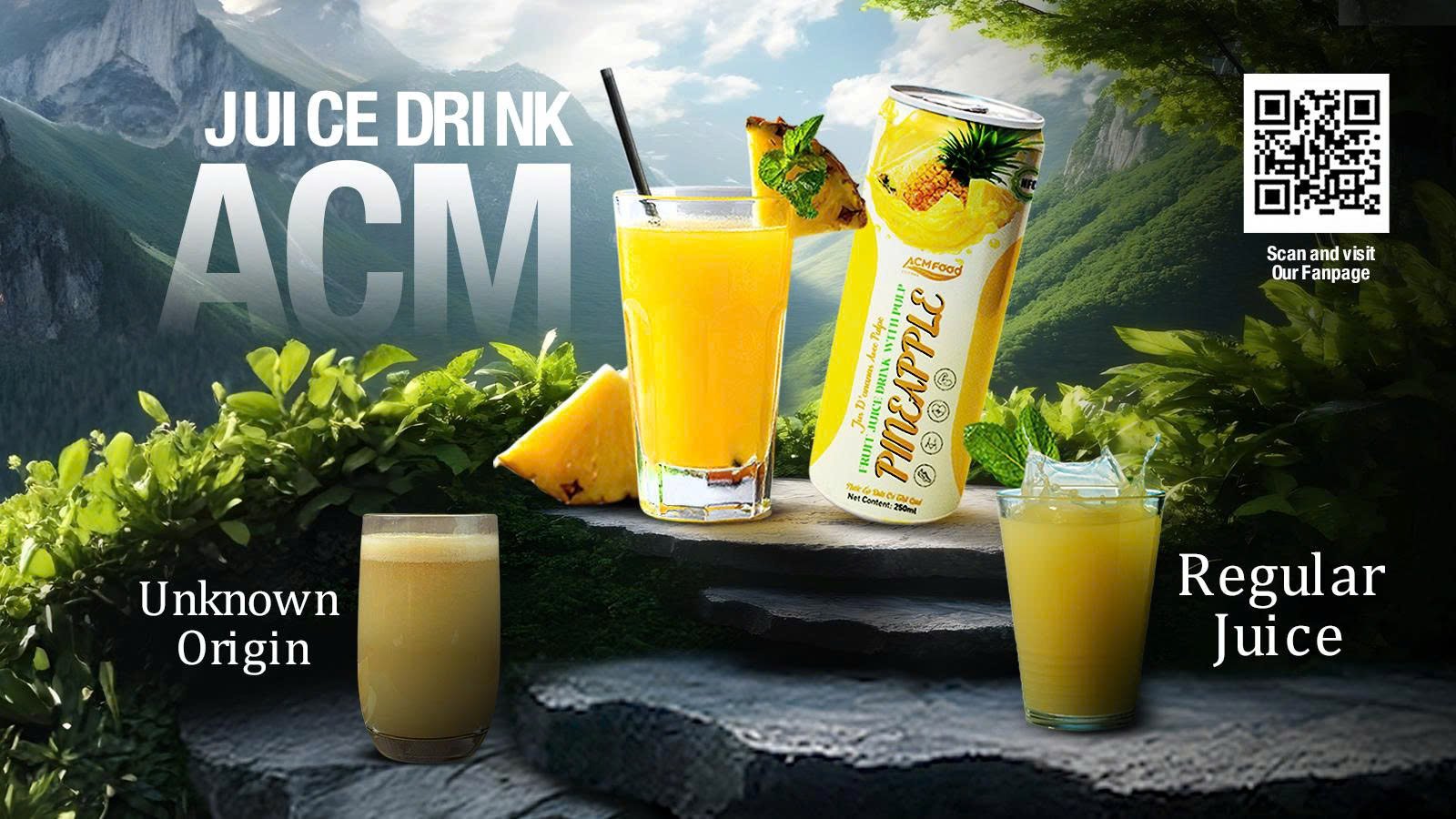
Why is colour consistency important?
Colour that changes between batches makes shoppers doubt quality. Consistency depends on:
- Raw material: fruit variety, ripeness and season.
- Processing: heat and oxygen exposure can brown juice.
- Packaging: light-proof cans and cartons protect pigments better than clear bottles.
- Storage: high temperatures speed up colour loss.
Natural colouring foods, such as carrot, black carrot or beetroot concentrates, can standardise colour while keeping a clean label.
Is cloudy juice lower quality?
| Type | What it contains | Consumer perception |
|---|---|---|
| Clear juice | Filtered; most pulp and particles removed | Clean, refreshing, “processed well” |
| Cloudy juice | Keeps fine fruit particles and some polyphenols | Natural, “fresh-pressed” |
| Juice with pulp | Visible fruit cells | Authentic, more filling |
Cloudy apple juice, for example, contains more polyphenols than clear apple juice. Clarity should be chosen to fit the product type, market and brand promise, not treated as a quality score.
What should brands do?
- Define a colour and clarity standard for each SKU and check every batch.
- Use packaging that protects colour, or show the colour through clear packs only when it is stable.
- Explain cloudiness on the label (“naturally cloudy”, “shake well”) so shoppers do not see it as a defect.
- Match pack graphics to the real colour of the drink.
For more on buyer expectations, read what consumers consider when choosing bottled juice and custom beverage formulas.
Frequently asked questions
Why does juice turn brown?
Oxidation and heat break down natural pigments; enzymes in some fruits speed this up.
Is clear juice healthier than cloudy juice?
Not necessarily. Cloudy juice often keeps more fruit compounds.
Can natural colours be used in juice drinks?
Yes. Fruit and vegetable concentrates are widely used and label-friendly in most markets.
Does colour change the perceived taste?
Yes. Studies show colour strongly shapes how sweet and fruity people think a drink tastes.