
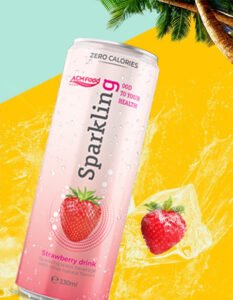

Tropical superfruit innovation is reshaping the functional beverage landscape, as consumers increasingly seek natural, health-enhancing drinks. This trend, driven by demand for antioxidants and electrolytes, positions ingredients like coconut water and guava at the forefront of product development.
For B2B buyers, understanding this shift is critical for capturing market share in a rapidly growing category. The convergence of flavor, function, and clean-label attributes creates unprecedented opportunities for brands and manufacturers alike.
Contents
- 1 The Rise of Tropical Superfruits in Functional Beverages
- 2 Case Study: ACM Coconut Water Original Drink
- 3 Market Impact and Consumer Demand Trends
- 4 Business Strategies for B2B Success
- 5 Expert Perspectives on Tropical Superfruit Innovation
- 6 Future Outlook for Tropical Superfruit Beverages (2025-2030)
- 7 Frequently Asked Questions
- 7.1 What are the key health benefits of tropical superfruit beverages?
- 7.2 How can brands use OEM partnerships to enter the functional beverage market?
- 7.3 What market trends are driving demand for coconut water-based drinks?
- 7.4 What should B2B buyers consider when selecting an OEM manufacturer?
- 7.5 How is sustainability influencing the tropical superfruit beverage industry?
The Rise of Tropical Superfruits in Functional Beverages
Tropical superfruit innovation is rapidly transforming the functional beverage sector, driven by consumer demand for natural, health-enhancing ingredients. Guava, coconut, and other exotic fruits are no longer niche but central to product development strategies. This shift reflects a broader move toward clean-label, nutrient-dense options that deliver tangible wellness benefits.
Industry data from 2023 shows the global functional beverage market grew by 8.5%, with tropical fruit flavors accounting for over 30% of new product launches. Consumers increasingly seek beverages that combine hydration with antioxidant support, electrolyte balance, and immune function. The convergence of taste and health creates a powerful value proposition for brands.
For manufacturers, this trend opens opportunities to develop customized formulations using authentic fruit extracts and natural sweeteners. The challenge lies in maintaining flavor integrity and nutritional stability during processing, which requires advanced production capabilities.
Drivers of Tropical Superfruit Popularity
Several factors fuel the tropical superfruit wave. First, rising awareness of oxidative stress and inflammation pushes consumers toward antioxidant-rich ingredients like guava, which contains four times the vitamin C of oranges. Second, the clean-label movement demands simple, recognizable ingredient lists without artificial additives.
Third, social media and influencer marketing amplify exotic fruit stories, making ingredients like coconut water and guava aspirational. This cultural shift makes tropical superfruits a strategic choice for brands targeting health-conscious millennials and Gen Z.
Finally, climate change and supply chain innovations have improved year-round availability of tropical fruits, reducing cost barriers for large-scale production. These factors collectively create a favorable environment for tropical superfruit beverages.
Case Study: ACM Coconut Water Original Drink
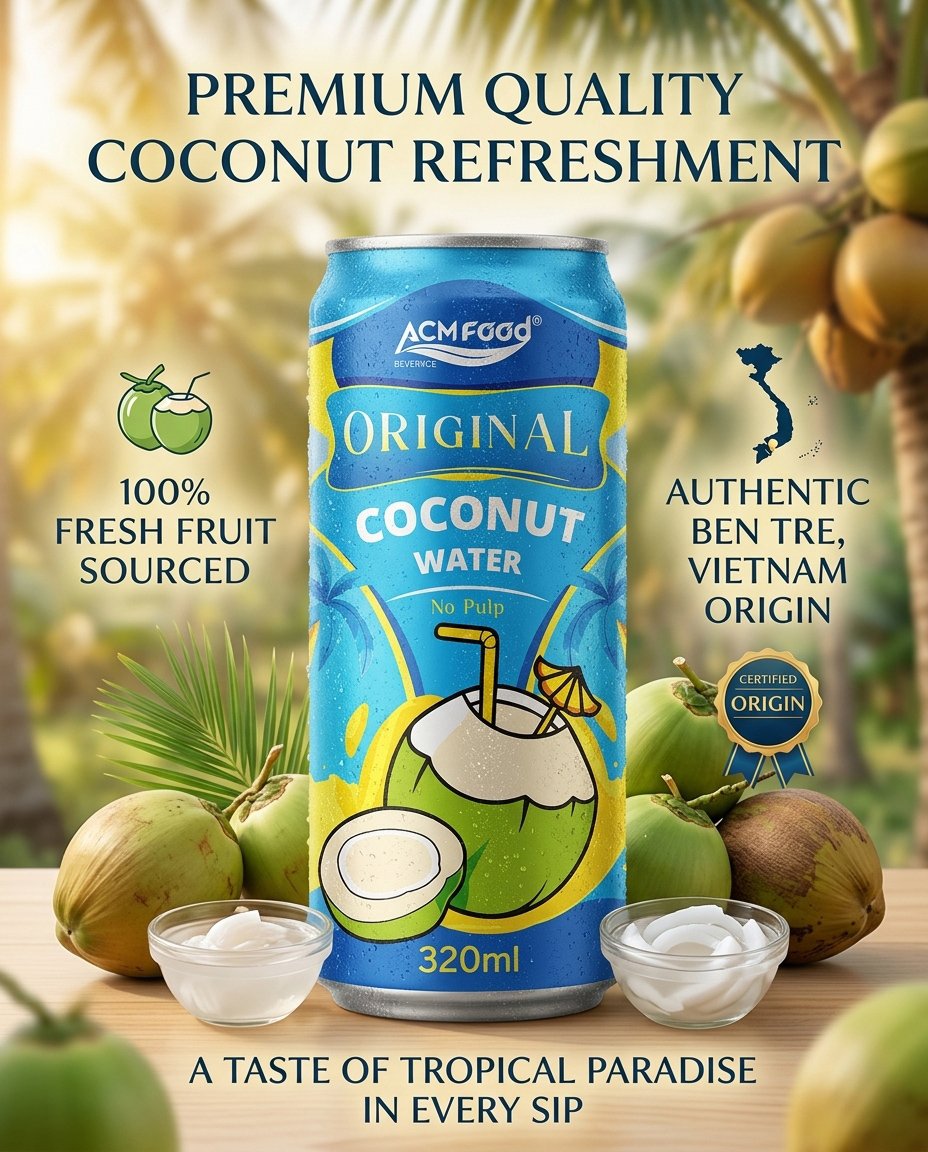
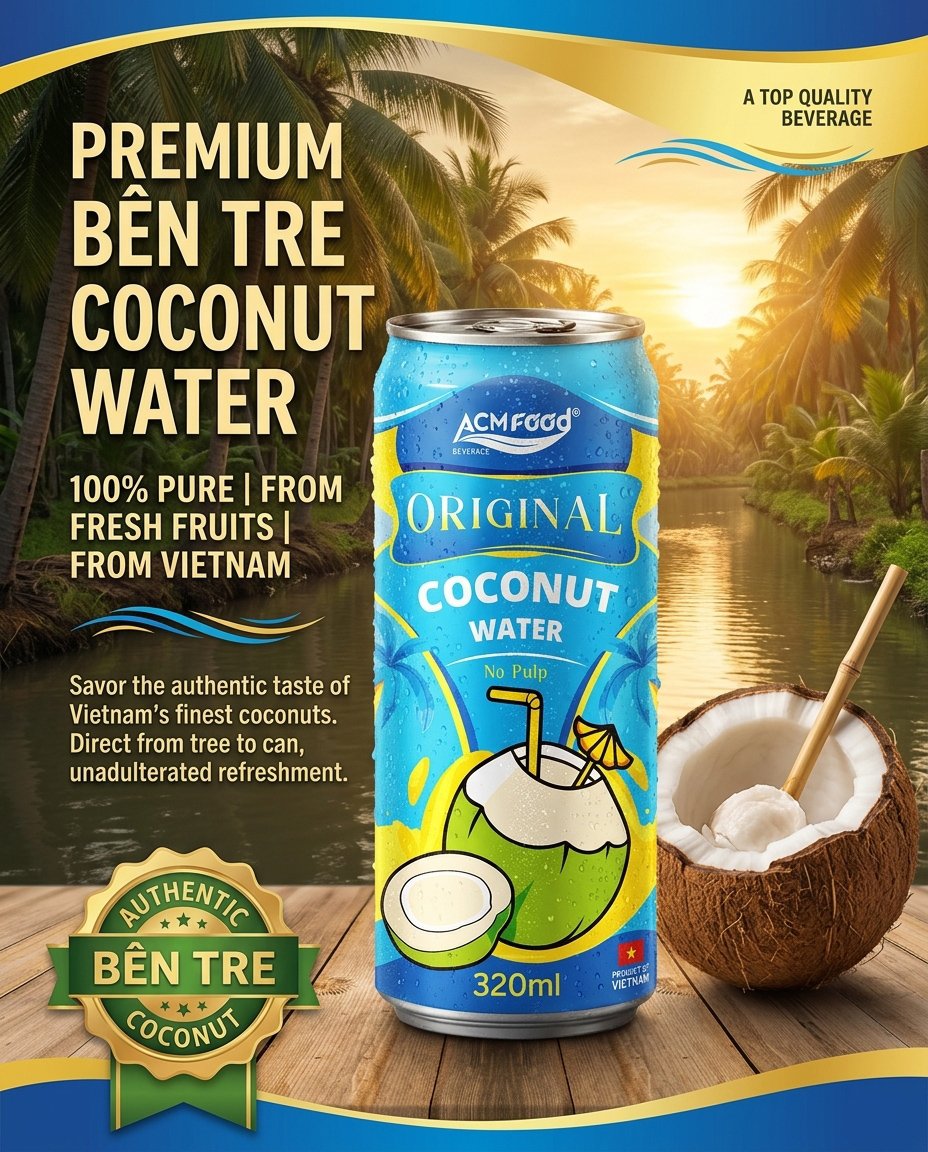
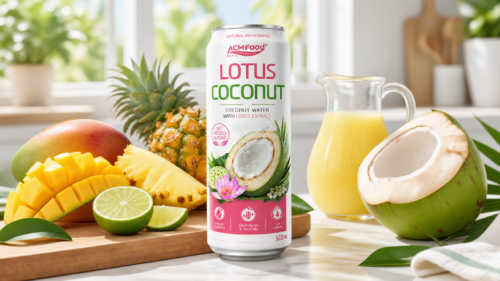
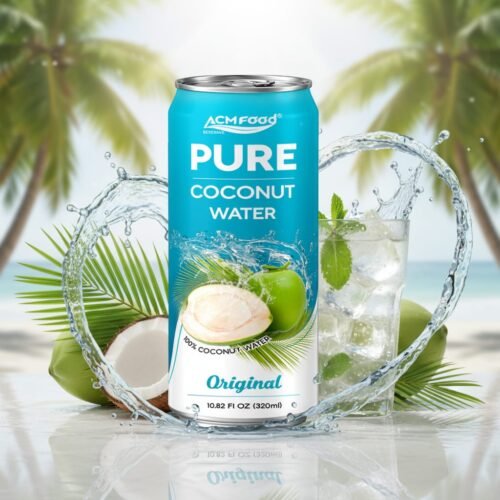
A compelling example of tropical superfruit innovation is the 10.8 fl oz Cans Coconut Water Original Drink RTD Beverage from ACM Beverage. This product leverages natural coconut water as a base, which is rich in electrolytes like potassium and magnesium, making it ideal for hydration and recovery.

The ready-to-drink format in convenient cans caters to on-the-go consumption, a key trend in modern lifestyles. By focusing on a single, pure ingredient, ACM aligns with the clean-label movement while delivering functional benefits. The product serves as a base for potential flavor innovations, such as guava or pineapple infusions.
ACM’s OEM capabilities allow brands to customize this coconut water platform with tropical fruit flavors, creating unique products for different markets. This flexibility is crucial for capturing regional taste preferences and differentiating in a crowded category.
Product Positioning and Market Fit
Positioned as a premium hydration option, the coconut water drink competes directly with sports drinks and enhanced waters. Its natural electrolyte profile appeals to athletes, fitness enthusiasts, and health-conscious consumers seeking alternatives to sugary beverages.
The clean-label positioning also attracts parents looking for healthy drinks for children. With no added sugars or artificial ingredients, the product fits into school and family settings. This broad appeal makes it a strong candidate for retail and foodservice channels.
ACM’s coconut water original drink demonstrates how a simple, functional product can serve as a foundation for tropical superfruit innovation, offering both immediate sales potential and long-term brand building opportunities.
Market Impact and Consumer Demand Trends
The functional beverage market is projected to reach $280 billion by 2028, growing at a CAGR of 7.2%. Tropical superfruit beverages are a key growth driver, with coconut water alone expected to exceed $12 billion by 2027. This growth is fueled by increasing health awareness and disposable income in emerging markets.
Consumer surveys indicate that 68% of global consumers are willing to pay a premium for beverages with functional benefits. Among these, natural electrolyte drinks like coconut water rank highest for trust and efficacy. This preference creates a strong tailwind for products that combine tropical flavors with proven health claims.
In North America and Europe, tropical superfruit beverages are moving from specialty stores to mainstream retail shelves. Major retailers like Whole Foods and Tesco have expanded their functional beverage sections, dedicating shelf space to coconut water, guava drinks, and blends. This shift signals mainstream acceptance and growing demand.
Regional Market Dynamics
Asia-Pacific leads consumption of tropical superfruit beverages, driven by local familiarity with ingredients like coconut and guava. However, the fastest growth is occurring in North America, where exotic flavors are seen as novel and aspirational. Latin America and the Middle East also show strong potential due to warm climates and active lifestyles.
For OEM manufacturers like ACM, this geographic diversity requires adaptable formulations. Products must meet varying regulatory standards, taste preferences, and packaging requirements across regions. Flexible production lines and global ingredient sourcing become competitive advantages.
The ability to offer private label solutions allows brands to enter new markets quickly without heavy R&D investment. This model reduces time-to-market and enables rapid testing of tropical superfruit concepts in different regions.
Business Strategies for B2B Success
For distributors and brands, partnering with an experienced OEM manufacturer is critical for capitalizing on the tropical superfruit trend. Key considerations include production scalability, ingredient sourcing, and formulation expertise. Manufacturers that offer low MOQ flexibility enable smaller brands to test concepts without excessive risk.
ACM Beverage provides comprehensive fresh coconut water OEM solutions, from concept to finished product. Their capabilities include custom flavor development, packaging options, and regulatory compliance support. This end-to-end service reduces complexity for brands entering the functional beverage space.

Another strategic advantage is the ability to produce both coconut water-based and milk drink products, allowing cross-category innovation. Brands can develop hybrid beverages that combine tropical fruits with dairy or plant-based bases, targeting new consumer segments.
For distributors looking to differentiate their portfolio, evaluating a manufacturing partner’s agility in low-MOQ production has become a strategic imperative. This flexibility allows for rapid market testing and seasonal product launches, which are essential in the fast-moving functional beverage category.
Private Label and Customization Opportunities
Private label programs offer retailers and distributors a way to build exclusive brand equity. By leveraging ACM’s OEM expertise, companies can create unique tropical superfruit beverages that align with their brand identity. Customization options include flavor profiles, packaging design, and nutritional enhancements.
For example, a retailer could develop a guava-coconut blend targeting the Latin American market, while another partner might create a turmeric-coconut drink for the wellness segment. This level of customization requires a manufacturer with broad ingredient sourcing and formulation flexibility.
Additionally, ACM’s experience in export markets ensures that products meet international quality and labeling standards, facilitating entry into regions like the EU, US, and Middle East. This global capability is a significant asset for B2B partners aiming to expand their footprint.
Expert Perspectives on Tropical Superfruit Innovation
Industry analysts emphasize that tropical superfruit innovation is not just about adding exotic flavors but about delivering measurable health benefits. Dr. Maria Santos, a food scientist at the Institute of Beverage Research, notes: ‘Consumers are more educated than ever. They look for scientific backing for health claims, such as antioxidant capacity or electrolyte content.’
This demand for evidence-based products pushes manufacturers to invest in clinical studies and transparent labeling. Brands that can substantiate their functional claims gain a competitive edge. ACM’s focus on natural coconut water, with its well-documented health benefits, aligns with this trend.
Supply chain experts also highlight the importance of sustainable sourcing. Tropical fruit cultivation faces challenges from climate change and land use. Manufacturers that prioritize ethical sourcing and environmental stewardship will appeal to increasingly conscious consumers and retailers.
For B2B partners, choosing a manufacturer with robust sustainability practices can enhance brand reputation and meet corporate social responsibility goals. This alignment is becoming a prerequisite for major retail partnerships.
Future Outlook for Tropical Superfruit Beverages (2025-2030)
The next five years will see tropical superfruit beverages move further into the mainstream. Innovations in extraction and preservation technologies will improve flavor and nutrient retention, making products more appealing. We can expect to see more blends combining multiple superfruits for synergistic health effects.
Personalization will also emerge as a key trend, with brands offering functional beverages tailored to specific health needs, such as immunity, energy, or stress relief. Tropical superfruits, with their diverse nutrient profiles, are ideal for this customization.
Finally, sustainability will become a differentiator. Brands that adopt eco-friendly packaging, support local farming communities, and reduce carbon footprints will resonate with values-driven consumers. ACM’s commitment to sustainable practices positions it well for this future.
For B2B partners, the window of opportunity is open. Early movers who establish relationships with agile OEM manufacturers will be best positioned to capture market share in this dynamic and growing category.
Frequently Asked Questions
What are the key health benefits of tropical superfruit beverages?
Tropical superfruits like coconut and guava offer high levels of antioxidants, vitamins, and electrolytes. These nutrients support immune function, hydration, and cellular health. Many also contain anti-inflammatory compounds that benefit overall wellness.
How can brands use OEM partnerships to enter the functional beverage market?
OEM partnerships allow brands to leverage existing production expertise and supply chains. This reduces upfront investment and time-to-market. Manufacturers like ACM offer customization in flavors, packaging, and formulations, enabling rapid product development and testing.
What market trends are driving demand for coconut water-based drinks?
Key trends include the clean-label movement, rising health consciousness, and demand for natural hydration solutions. Coconut water is perceived as a healthier alternative to sugary sports drinks, appealing to athletes and everyday consumers alike.
What should B2B buyers consider when selecting an OEM manufacturer?
Buyers should evaluate production capacity, ingredient sourcing quality, regulatory compliance, and flexibility in MOQs. A manufacturer’s experience in export markets and ability to provide private label services are also important factors for long-term partnership.
How is sustainability influencing the tropical superfruit beverage industry?
Sustainability affects sourcing, packaging, and production practices. Consumers and retailers increasingly prefer brands that use eco-friendly materials and support ethical farming. Manufacturers that adopt sustainable practices can enhance brand value and meet corporate social responsibility goals.


This article captures a pivotal shift—consumers increasingly demand functional benefits from everyday beverages, and tropical superfruits offer a potent combination of exotic appeal and proven health properties. The innovation here lies in bridging flavor novelty with measurable wellness outcomes, which positions this segment for sustained expansion. Brands focusing on clean-label sourcing and transparent efficacy will likely capture the most growth in this evolving landscape.