

Developing a successful juice brand requires much more than producing a tasty product. It demands thorough preparation in strategy, resources, and market understanding. Especially in today’s highly competitive beverage industry, building and growing a juice brand calls for a systematic plan that leverages emerging trends and readiness in both technical and marketing aspects. This article highlights the essential factors businesses must prepare when starting and developing a sustainable juice brand.
Market Research and Competitor Analysis

Before launching a juice brand, comprehensive market research is the foundational step.
- Understand target customer segments: Identify who you want to target (e.g., young consumers, families, health-conscious customers, premium buyers).
- Analyze consumption trends: Keep up with new trends such as functional drinks, organic juices, sugar-free options, freshly pressed juices, and eco-friendly packaging.
- Study competitors: Research existing juice brands, their strengths and weaknesses, pricing strategies, distribution, and marketing tactics.
- Find market gaps: Identify unmet needs or niche segments to develop unique products.
Product Formulation and Selecting a Reliable Manufacturer
- Develop juice formulas: Focus on ingredient quality, flavor, freshness, and nutritional value aligned with target customer needs.
- OEM/ODM cooperation: Choose reputable juice manufacturers with quality certifications (ISO, HACCP, GMP) to ensure safe, efficient production that can meet international standards if exporting.
- Product testing: Create prototypes, gather feedback from potential customers, and refine formulas to optimize taste and quality.
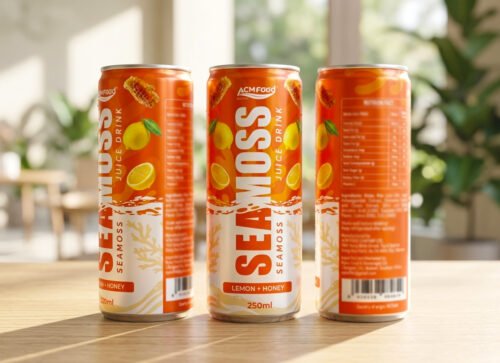
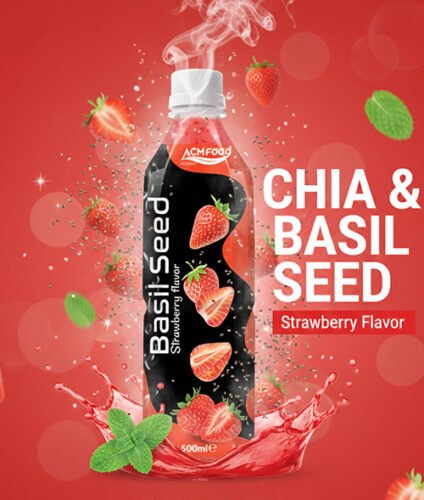
- Packaging customization: Design packaging that is attractive, functional, and reflects brand messaging and market trends (e.g., eco-friendly, minimalist, premium design).
Building a Strong Brand and Effective Marketing Strategy

- Clear brand positioning: Define your core values, brand message, and image to communicate to customers.
- Develop brand identity: Create cohesive logos, slogans, color schemes, and communication styles that stand out.
- Multi-channel marketing plan: Combine online channels (website, social media, email marketing, digital ads) with offline activities (events, POS materials, PR) for wider reach.
- Leverage influencers and communities: Collaborate with health, food, and lifestyle influencers to boost brand credibility and awareness.
Distribution Network and Customer Care
- Choose suitable distribution channels: Traditional retail (supermarkets, convenience stores, distributors) and modern channels (e-commerce, delivery apps, beverage chains).
- Build strong partner relationships: Develop sustainable collaborations with distributors and retailers to ensure wide and timely product availability.
- Customer service policies: Provide consultation, prompt support, and feedback resolution to foster loyalty.
- Sales data monitoring: Analyze distribution effectiveness and adapt strategies according to markets and customer segments.
Financial Planning and Risk Management
- Detailed budgeting: Include costs for R&D, production, marketing, distribution, and operations.
- Cash flow management: Monitor income and expenses closely; prepare reserves for unexpected situations.
- Risk mitigation planning: Assess potential risks such as changing consumer trends, raw material price volatility, fierce competition, and regulatory changes; prepare contingency plans.
Technology Adoption and Innovation
- Digital tools: Use CRM, production management, distribution tracking, and digital marketing software to optimize operations.
- Product innovation: Continuously develop new products, improve formulas, and refresh packaging to maintain customer interest and meet fast-changing demands.
Conclusion
In conclusion, building a successful and sustainable juice brand is a long-term journey that requires careful planning across multiple dimensions, from market research and product formulation to branding, distribution, and financial management. Businesses that invest in understanding consumer needs, selecting reliable manufacturing partners, and implementing structured marketing and operational strategies are better positioned to compete in an increasingly dynamic beverage market. By combining strategic preparation with continuous innovation and data-driven decision-making, juice brands can not only achieve market entry but also establish lasting value, resilience, and growth in both domestic and international markets.