

Cold fill means coconut water is packed at low temperature, typically below 10 °C, instead of being hot-filled at 85–95 °C. It keeps more fresh aroma, but cold-filled coconut water must be made safe another way – usually high pressure processing (HPP) plus refrigeration – so it lasts weeks, not the 12+ months of shelf-stable cans.
What is cold fill technology?
Cold fill is a filling method in which the beverage enters the container chilled rather than hot. Because the liquid is never heated during filling, heat-sensitive aroma compounds that give fresh coconut water its clean, slightly nutty taste are better preserved.
Cold filling on its own does not kill microorganisms. Coconut water is a low-acid drink (pH around 5.0–5.4), so a cold-filled product needs a separate safety step, such as:
- High pressure processing (HPP): sealed bottles are pressed at roughly 400–600 MPa. HPP needs flexible plastic packaging, so it is not used for metal cans.
- Microfiltration or UV treatment: reduces microbial load before filling, usually combined with cold-chain storage.
- Aseptic filling after UHT: the drink is flash-heated, cooled, then filled cold into sterile packs. The fill is cold, but the product has still been heat-treated.
How does the cold fill process work?
- Extraction: coconut water is drained from fresh coconuts with minimal air contact to slow oxidation and pinking.
- Rapid cooling: the liquid is chilled quickly to slow enzyme activity and microbial growth.
- Filtration: pulp and fibres are removed to give a clear drink.
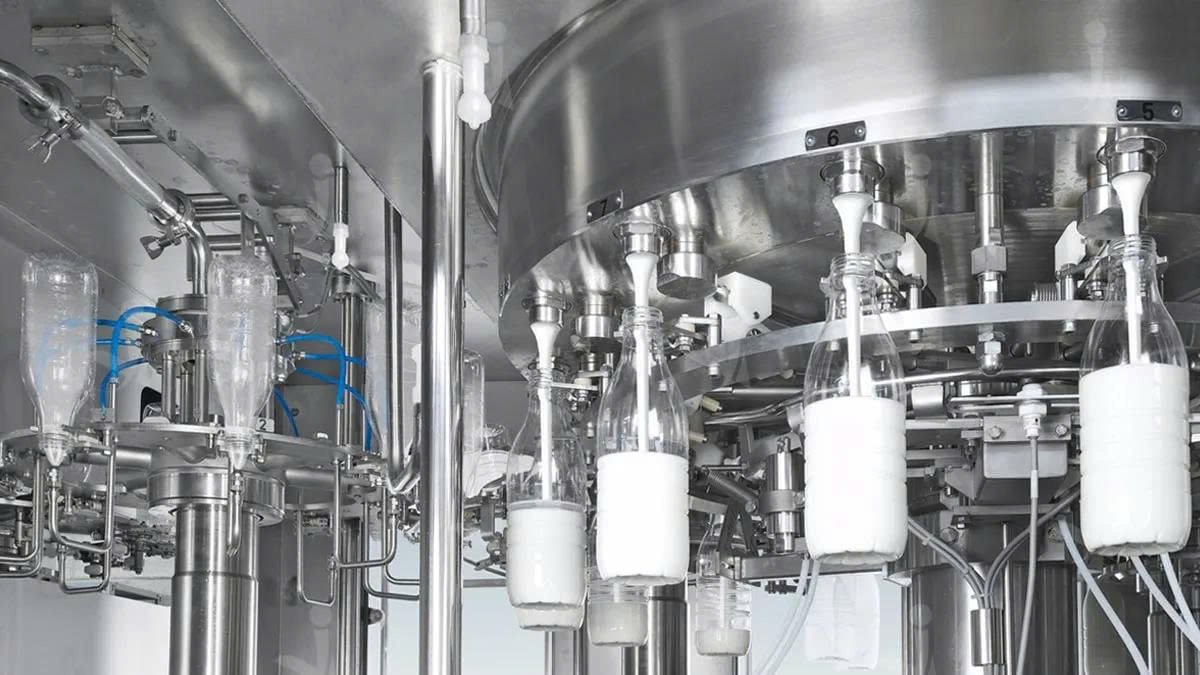
- Filling and sealing: the chilled liquid is filled in a hygienic or sterile zone.
- Safety step: HPP or another validated treatment, followed by storage at 0–4 °C through distribution.
Cold fill vs hot fill: what is the difference?
| Criteria | Cold fill (with HPP) | Hot fill / retort (canned) |
|---|---|---|
| Filling temperature | Below 10 °C | 85–95 °C, or sterilised after sealing |
| Fresh aroma | Largely retained | Reduced; can taste slightly cooked |
| Vitamin C | Better retained | Partly lost to heat |
| Minerals (potassium) | Unchanged | Unchanged – minerals are heat-stable |
| Storage | Refrigerated | Ambient |
| Typical shelf life | About 30–90 days | About 12–24 months |
| Packaging | PET or other flexible bottles | Aluminium cans, glass, PET |
| Cost and logistics | Higher; needs cold chain | Lower; suited to long-distance export |
The trade-off is simple: cold fill wins on fresh taste, while heat-treated cans win on shelf life, cost and export reach. Most coconut water sold in cans across export markets is heat-treated for that reason.
Why does minimally heated coconut water taste fresher?
- Aroma: volatile compounds that smell like freshly opened coconut break down with heat.
- Sweetness: long heating can give sugars a faint cooked or caramel note.
- Colour: less heat and oxygen exposure keeps the drink clearer and slows browning.
Potassium and other minerals, which make coconut water popular for hydration, stay the same in both methods, so the nutrition difference is mainly in vitamin C and flavour.
Which method should a coconut water brand choose?
Choose cold fill with HPP for a premium, chilled product sold in local or regional markets with reliable cold chain. Choose hot fill or retort-processed cans for ambient shelf-stable products, long sea freight and wide retail distribution. For more on pack formats, see choosing the right packaging for coconut water and aluminium cans in the beverage industry.
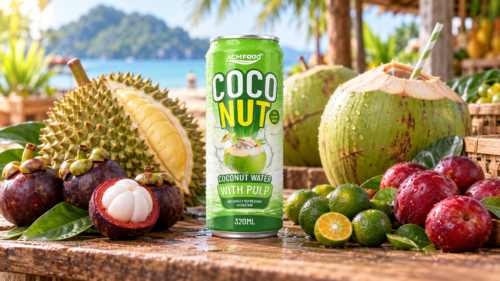
ACM supplies ready-to-drink coconut water such as coconut water with pulp 330 ml, and quality systems for coconut water production are covered in our guide to FDA, HACCP and ISO in coconut water production.
Frequently asked questions
Is canned coconut water cold filled?
Usually not. Shelf-stable canned coconut water is normally heat-treated (hot fill or retort) because cans cannot go through HPP and the product must be safe at room temperature.
How long does cold-filled coconut water last?
Cold-filled coconut water treated with HPP typically lasts about 30–90 days and must be kept refrigerated at 0–4 °C.
Does heat treatment destroy the electrolytes in coconut water?
No. Potassium, sodium and magnesium are heat-stable. Heat mainly affects aroma and vitamin C.
Why does some coconut water turn pink?
Pinking is caused by natural oxidation of phenolic compounds and is harmless. Less oxygen and less heat exposure make it less likely.