




There is no single best time to drink coconut water; it is most useful after light exercise or during hot weather, when you are replacing fluid and potassium. Per 100 ml it provides about 19 kcal, 250 mg of potassium and 105 mg of sodium. One glass of 250–330 ml a day suits most healthy adults.
Key facts at a glance
- Best overall: after light to moderate exercise, or in heat.
- Morning on an empty stomach: fine for hydration, but no special effect has been shown.
- Before bed: harmless in small amounts; large amounts mean waking to urinate.
- “Detox” claims are not supported — the liver and kidneys do that job.
- Limit it if you have kidney disease or take medicines that raise potassium.
What coconut water provides
| Nutrient | Per 100 ml | Per 330 ml serving |
|---|---|---|
| Energy | 19 kcal | 63 kcal |
| Sugars | 2.6 g | 8.6 g |
| Potassium | 250 mg | 825 mg |
| Sodium | 105 mg | 347 mg |
| Magnesium | 25 mg | 83 mg |
Source: USDA FoodData Central, coconut water. Packaged products vary with coconut origin and processing.
Best times, by goal
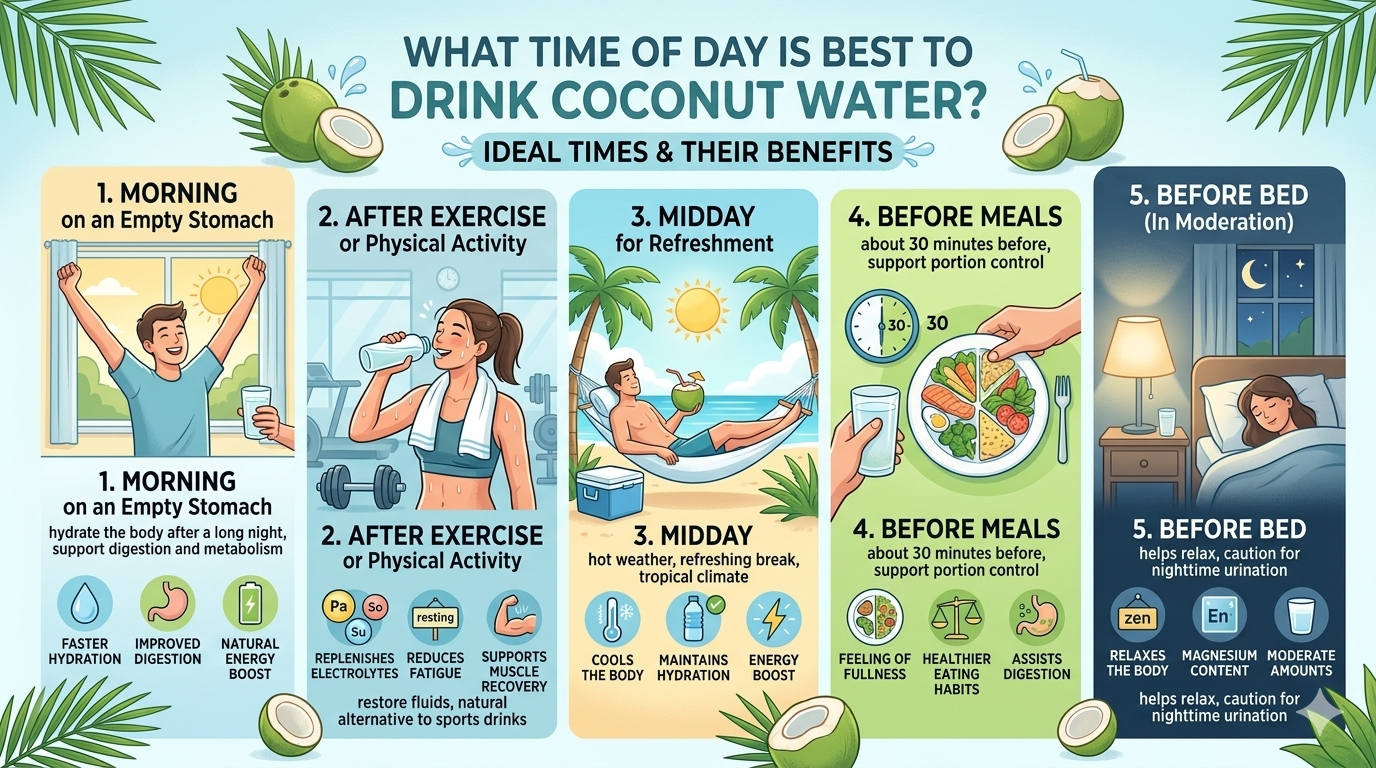
| Time | Why it helps | Caveat |
|---|---|---|
| After light exercise | Replaces fluid and potassium lost in sweat | For long, heavy sweating a higher-sodium drink is better |
| Hot afternoons | Pleasant way to keep fluid intake up | Plain water does the same job with no sugar |
| Morning | Rehydrates after the night | No proven benefit from an empty stomach |
| Before meals | May add slight fullness | Effect on appetite is small |
| Evening | Light, low-calorie alternative to sweet drinks | Keep to a small glass to avoid night-time urination |
After exercise
Studies comparing coconut water with sports drinks after moderate exercise found similar rehydration. Sweat, however, loses far more sodium than potassium, and coconut water is low in sodium relative to sports drinks. For workouts over about an hour, or heavy sweating in heat, a drink with more sodium replaces losses better.
In the morning
Drinking any fluid after waking helps you rehydrate. Claims that coconut water on an empty stomach “boosts metabolism” or “detoxifies” have no supporting evidence.
Before bed
Coconut water contains some magnesium, but a glass does not supply enough to affect sleep. The practical issue is volume: a large drink late in the evening may wake you up.
How much is sensible
For healthy adults, one serving of 250–330 ml a day is a reasonable amount. Drinking several litres can push potassium intake unusually high; rare cases of hyperkalaemia have been reported after very large intakes.
Who should be careful
- People with kidney disease, who may not clear potassium efficiently.
- People taking ACE inhibitors, ARBs or potassium-sparing diuretics, which raise blood potassium.
- People managing blood sugar — coconut water is low in sugar, but sweetened versions are not.
Frequently asked questions
Is it good to drink coconut water every day?
For most healthy adults, one glass a day is fine. People with kidney problems or on potassium-raising medicines should ask their doctor first.
Is coconut water better than water for hydration?
For everyday hydration, water is just as effective and has no sugar. Coconut water adds potassium and flavour, which some people find makes it easier to drink more.
Can I drink coconut water at night?
Yes, in a small amount. It is low in calories and caffeine-free; the only drawback is needing the toilet at night.
Does coconut water help you lose weight?
Only indirectly, if it replaces higher-calorie drinks. At 19 kcal per 100 ml it is lighter than most juices and soft drinks.
Is coconut water a good sports drink?
For light or moderate activity, yes. For long or intense sessions with heavy sweating, it provides too little sodium on its own.
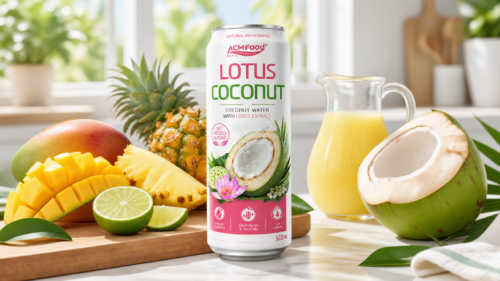
Coconut water from ACM Beverage
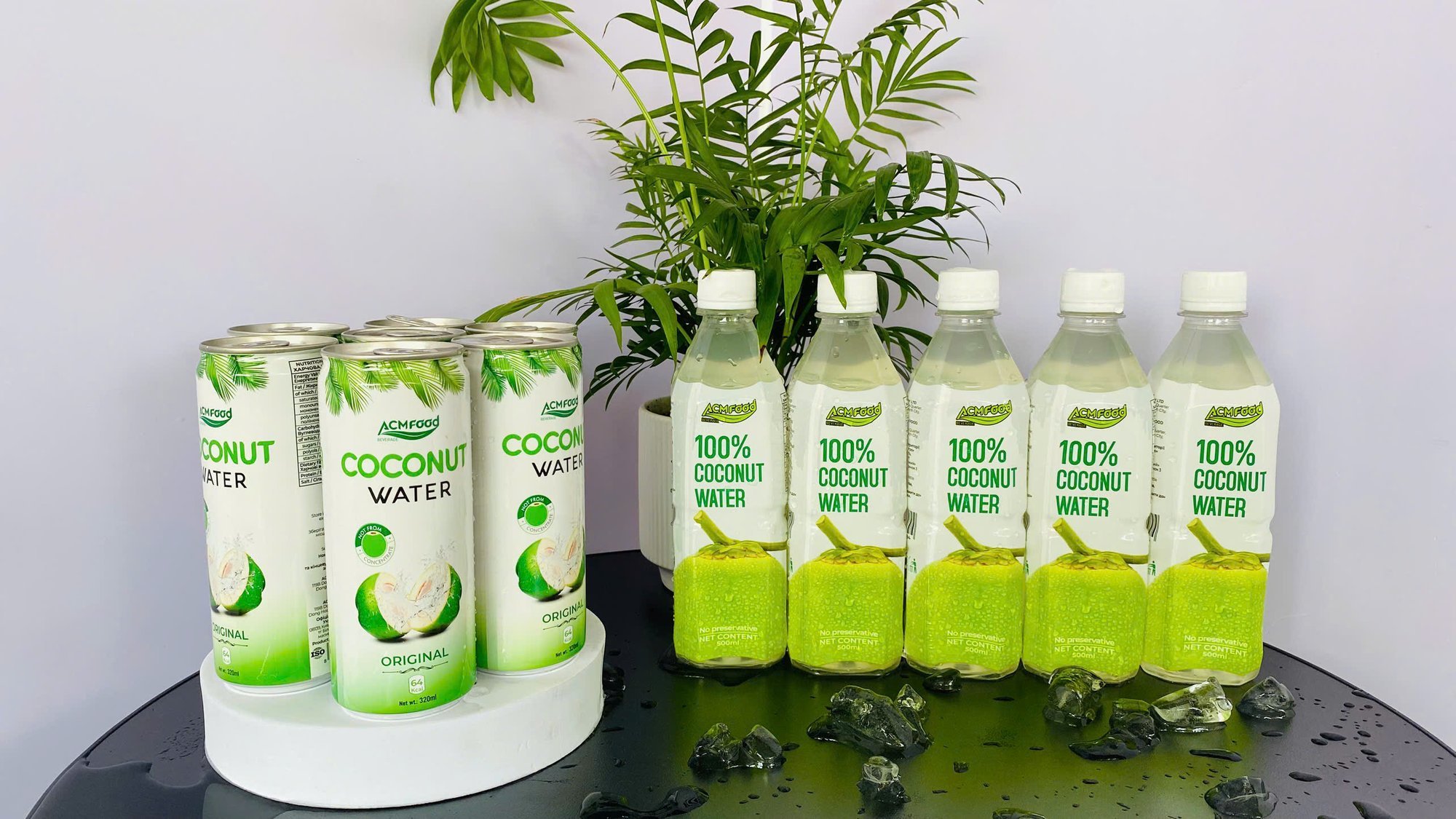
ACM Beverage produces coconut water in Vietnam in cans, PET and cartons for OEM and private label buyers. See the coconut water range or the sparkling drinks. Related reading: coconut water nutrition facts and coconut water and heart health. To discuss a formulation, contact our export team.
This article is general nutrition information, not medical advice.