
Introduction: The global beverage aisle is undergoing a quiet revolution. Driven by an unwavering consumer demand for authenticity and wellness, categories are converging, and purity has become the ultimate currency. At the forefront of this shift is the humble fruit juice, reinvented. Products like 100% pure mango juice are no longer simple commodities but strategic vehicles for health, premiumization, and market differentiation. This analysis delves into how this specific innovation reflects broader trends, the critical role of agile OEM manufacturing, and the strategic implications for brands and distributors navigating a thirsty, yet discerning, global marketplace. The convergence of health trends and sophisticated supply chains is creating unprecedented opportunities for those who understand the new rules of the game.
Contents
- 1 Market Dynamics and the Rise of Premium Juice
- 2 Product Analysis and Innovation in Formulation
- 3 Aligning with Consumer Trends and Market Expansion
- 4 Business Strategy and the OEM Advantage
- 5 Expert Insights and Industry Commentary
- 6 Future Outlook and Strategic Recommendations
- 7 FAQ
- 7.1 What are the key health benefits of pure mango juice?
- 7.2 What is the typical MOQ for OEM beverage production of a product like this?
- 7.3 Which export markets show the highest potential for premium pure fruit juices?
- 7.4 What are the main challenges in producing a 100% pure juice with no additives?
- 7.5 How does a pure juice product fit into a private label strategy for a retailer?
Market Dynamics and the Rise of Premium Juice
Global beverage consumption patterns are shifting dramatically. The ready-to-drink (RTD) segment is experiencing unprecedented growth, fueled by health-conscious consumers. This trend is particularly evident in the fruit juice category, where purity and authenticity are paramount. Manufacturers are responding with innovative formulations and packaging solutions to capture this lucrative demand.
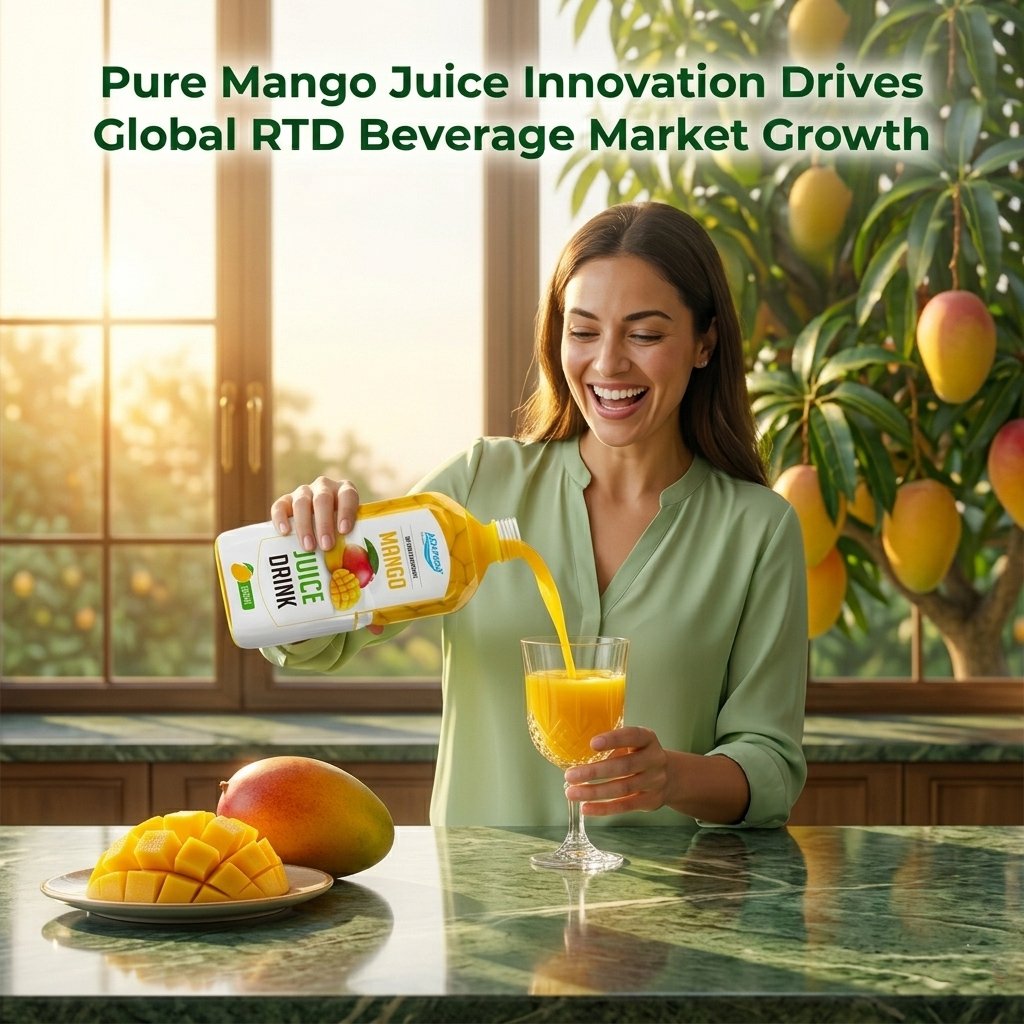
The launch of products like the 100% Pure Mango Juice exemplifies this strategic pivot. This product directly addresses the consumer desire for unadulterated, natural flavors without added sugars or preservatives. Its positioning taps into the powerful wellness movement reshaping the entire food and beverage landscape, creating new opportunities for brand differentiation.

Consumer Demand for Transparency
Shoppers now scrutinize ingredient lists more than ever before. Clean label products are no longer a niche preference but a mainstream expectation. This demand for transparency forces beverage companies to reformulate and innovate. The functional drink sector often leads this charge, but traditional categories like juice are rapidly catching up.
This environment makes a product’s unique selling proposition (USP) critical for success. A clear, verifiable claim like “100% pure” becomes a powerful marketing tool. It builds immediate trust and simplifies the consumer’s decision-making process at the point of sale, whether in physical retail or e-commerce channels.
Product Analysis and Innovation in Formulation
The core innovation lies in the commitment to a simple, pure ingredient profile. The pure mango juice beverage leverages a single, recognizable component. This approach minimizes processing and preserves the natural nutritional profile of the mango. For a beverage manufacturer, achieving consistent flavor and quality from a single ingredient requires sophisticated sourcing and production expertise.
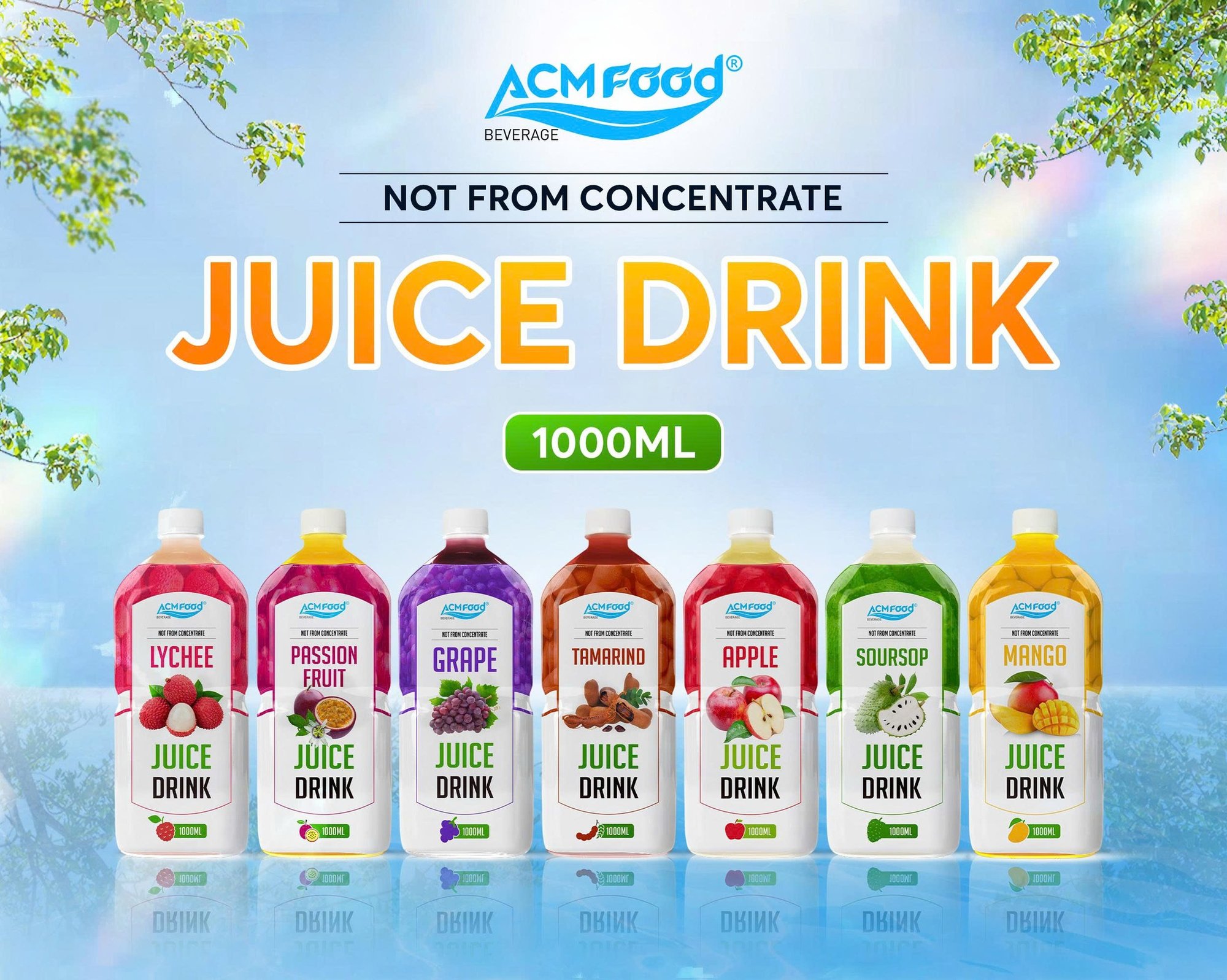
This product’s positioning is squarely in the health and premium categories. It avoids the pitfalls of being perceived as a sugary, diluted drink. Instead, it aligns with the premiumization trend, where consumers are willing to pay more for perceived higher quality, authenticity, and health benefits. The 1L PET bottle format further emphasizes convenience and family-sized consumption, appealing to modern, busy households.
Packaging as a Strategic Asset
The choice of PET packaging is a calculated business decision. PET is lightweight, shatterproof, and highly recyclable, addressing both logistical and sustainability concerns. For a private label beverage partner, offering such packaging options is a key service. It provides brands with a safe, cost-effective, and consumer-friendly vessel that supports shelf appeal and brand safety during transport.
This packaging flexibility is a cornerstone of modern OEM beverage services. Leading manufacturers offer a range of bottle sizes, shapes, and materials to suit different brand identities and market requirements. The ability to customize this aspect allows emerging brands to compete with established players without massive capital investment in packaging lines.
Aligning with Consumer Trends and Market Expansion
The global thirst for exotic and tropical flavors continues to intensify. Mango, as a universally beloved fruit, has exceptional cross-cultural appeal. This makes it an ideal candidate for market expansion strategies, particularly into regions like North America, Europe, and the Middle East. For distributors, adding a high-quality, pure mango juice to their portfolio mitigates risk and taps into a proven flavor preference.

Export potential is significantly enhanced when a product has a clean, simple formulation. Complex ingredient lists can create regulatory hurdles in different markets. A pure juice product often faces fewer barriers, streamlining the export process. This simplicity is a strategic advantage for companies looking to scale internationally through partnerships with capable OEM producers.
The Functional Beverage Convergence
While positioned as a pure juice, this product naturally intersects with the functional drink market. Mango is rich in vitamins A and C, antioxidants, and dietary fiber. Consumers increasingly seek these inherent functional benefits from their everyday beverages, not just from specially formulated products. This blurring of lines between categories creates fertile ground for innovation and niche marketing.
Beverage manufacturers that can highlight these natural functional properties gain a competitive edge. It allows a traditional product like juice to command a higher price point and appeal to a broader, health-focused demographic. The narrative shifts from simple refreshment to nourishing sustenance, which is a far more powerful market proposition.
Business Strategy and the OEM Advantage
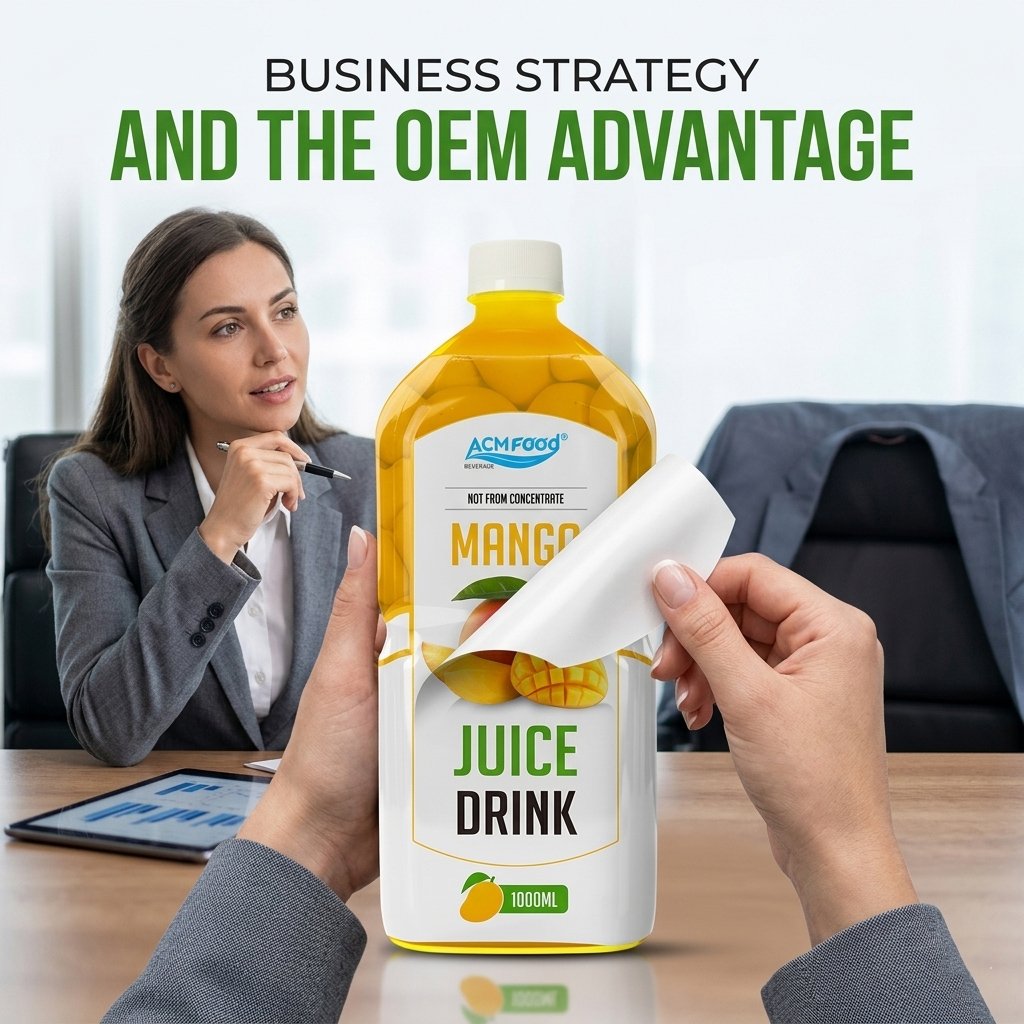
For entrepreneurs and established brands, the path to market is increasingly paved by OEM partnerships. The era of needing a multi-million dollar factory to launch a beverage brand is over. Today’s successful market entrants leverage the expertise, scale, and efficiency of specialized beverage manufacturers. This model reduces time-to-market and allows for greater focus on branding and distribution.

A critical factor in selecting an OEM partner is their minimum order quantity (MOQ) policy. Flexible MOQs lower the barrier to entry, enabling smaller brands to test concepts and scale gradually. For distributors looking to differentiate their portfolio, evaluating a manufacturing partner’s agility in low-MOQ production has become a strategic imperative. It allows for a more responsive and less capital-intensive approach to inventory management.
Private Label as a Growth Engine
The private label beverage sector is exploding, driven by retailers and digital-native brands seeking higher margins and exclusive offerings. A high-quality product like pure mango juice is a perfect candidate for a private label program. It offers a recognizable flavor profile with a premium, clean-label twist that can help a retailer’s own-brand stand out against national competitors.
Successful private label ventures depend on a manufacturer’s ability to provide end-to-end solutions. This includes not just production, but also regulatory compliance support, packaging design assistance, and logistical expertise. The manufacturer becomes a true strategic partner, integral to the brand’s success in a crowded marketplace. Exploring a manufacturer’s fresh fruit juice capabilities is the first step in this collaborative journey.
Expert Insights and Industry Commentary
Industry analysts note a consolidation in sourcing strategies. Brands are seeking manufacturers with vertical integration or strong, transparent supply chains for key ingredients like fruit purees and concentrates. This ensures consistent quality and mitigates supply chain volatility, which has been a major challenge post-pandemic. A product reliant on a single fruit source demands particularly robust supply chain management.
The competitive pressure is no longer just about taste; it’s about story and provenance. Consumers want to know where the mangoes are grown, how they are processed, and the environmental impact of production. Beverage manufacturers that can provide this narrative and certify sustainable practices add immense value for their brand partners. This transparency becomes a sellable asset in B2B negotiations.
The Role of Certification and Standards
Certifications like Non-GMO, Organic, or Fair Trade are moving from premium add-ons to baseline expectations in many export markets, particularly the EU. An OEM partner’s ability to navigate these certification processes and maintain compliant production lines is a significant value driver. It opens doors to higher-margin channels and discerning consumer segments that prioritize ethical and clean consumption.
This regulatory expertise is a hidden strength of established beverage manufacturers. They possess the institutional knowledge and quality control systems to ensure products meet diverse international standards. For a brand aiming at global distribution, this expertise is as crucial as the production capability itself. It turns a complex barrier into a manageable process.
Future Outlook and Strategic Recommendations
The trajectory for the pure juice segment points toward continued premiumization and segmentation. Expect to see more single-origin claims, rare mango varieties, and blends designed for specific functional benefits. The innovation will focus on enhancing the natural product rather than adding to it. This aligns with the overarching “less is more” philosophy driving consumer packaged goods.
For business leaders, the strategic recommendation is to prioritize partnership agility. The most successful beverage brands of the next decade will be those that can rapidly prototype, launch, and iterate based on real-time market feedback. This requires a manufacturing partner whose systems are built for flexibility, not just volume. The capacity for small-batch, custom formulation runs will be a key differentiator.
Embracing Packaging Innovation
Future growth will also be linked to sustainable packaging breakthroughs. While PET is effective, next-generation materials like rPET (recycled PET), bio-based plastics, and advanced paper composites are on the horizon. Forward-thinking manufacturers are already investing in these technologies. Partnering with a producer that has a roadmap for sustainable packaging future-proofs a brand against shifting consumer sentiments and potential regulatory changes.
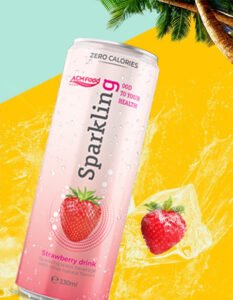
Furthermore, format innovation in categories like sparkling water drinks shows the potential for cross-category inspiration. Could a sparkling pure mango juice emerge? The blending of segments presents endless opportunities for creative brand builders working with innovative OEM partners.
FAQ
What are the key health benefits of pure mango juice?
Pure mango juice is a rich source of vitamins A and C, which support immune function and vision. It contains antioxidants like mangiferin and provides natural dietary fiber, aiding digestion. Its natural sugars offer a quick energy source without the need for added sweeteners.
What is the typical MOQ for OEM beverage production of a product like this?
Minimum order quantities vary significantly by manufacturer and packaging complexity. For a standard 1L PET bottle, MOQs can range from 5,000 to 50,000 units for a first run. Progressive manufacturers offer tiered MOQs, allowing brands to start smaller and scale as demand grows, which is crucial for market testing.
North America and Western Europe remain top markets due to high disposable income and strong health trends. The Middle East, particularly the GCC nations, has growing demand for premium, healthy beverages. East Asian markets like South Korea and Japan also present significant opportunities for clean-label, high-quality imports.
What are the main challenges in producing a 100% pure juice with no additives?
The primary challenges are shelf stability and consistent flavor. Without preservatives, production hygiene and advanced pasteurization techniques are critical. Sourcing consistent, high-quality fruit year-round is another major hurdle, requiring strong supply chain relationships and sometimes using aseptic processing or concentration for storage.
How does a pure juice product fit into a private label strategy for a retailer?
It serves as a high-margin, traffic-driving item that enhances the retailer’s brand image for quality and wellness. A pure mango juice allows a retailer to compete directly with national brands on a premium playing field, offering consumers a trustworthy, often more affordable alternative with the retailer’s exclusive branding.