

ACM Carbonated Energy Drink Functional Benefits Drive OEM Innovation in Global Markets

The global functional beverage sector is undergoing a significant transformation. Energy drinks, once a niche category, now command a substantial share of the ready-to-drink (RTD) market. Consumers increasingly demand beverages that deliver more than just hydration.

They seek mental alertness, physical endurance, and metabolic support in a single can. This shift toward functional benefits has opened vast opportunities for original equipment manufacturers (OEMs) who can quickly adapt formulations and packaging. The carbonated lemon-lime energy drink 250ml ready-to-drink exemplifies how a classic flavor profile combined with targeted functional ingredients can meet evolving consumer expectations.

Functional Energy Drinks Reshape the Beverage Landscape

The global functional beverage sector is undergoing a significant transformation. Energy drinks, once a niche category, now command a substantial share of the ready-to-drink (RTD) market. Consumers increasingly demand beverages that deliver more than just hydration. They seek mental alertness, physical endurance, and metabolic support in a single can.

This shift toward functional benefits has opened vast opportunities for original equipment manufacturers (OEMs) who can quickly adapt formulations and packaging. The carbonated lemon-lime energy drink 250ml ready-to-drink exemplifies how a classic flavor profile combined with targeted functional ingredients can meet evolving consumer expectations.

Market data from Euromonitor indicates that the global energy drink market reached $86 billion in 2024, with a compound annual growth rate (CAGR) of 8.2% projected through 2030. This growth is fueled by younger demographics, rising health awareness, and the expanding role of energy drinks in sports and lifestyle contexts.

For OEMs like ACM, this presents a chance to leverage production flexibility and scale to capture demand across regions. The functional benefits of energy drinks—caffeine for stimulation, taurine for performance, B vitamins for metabolism—are now expected by consumers as standard. Products that deliver these benefits in a convenient 250ml can format are especially appealing for on-the-go consumption.

Functional Benefits as Core Market Driver

Key Ingredients and Their Roles

The functional efficacy of an energy drink hinges on its ingredient profile. Caffeine, typically 80–150 mg per serving, acts as a central nervous system stimulant, reducing fatigue and increasing focus. Taurine, an amino acid, supports muscle function and cardiovascular health during physical exertion. B vitamins (B3, B6, B12) are essential for energy metabolism, converting food into usable energy. The lemon-lime energy drink OEM can customize these levels based on target market regulations and consumer preferences.

Regulatory landscapes vary widely. In the European Union, caffeine content must not exceed 320 mg/L, while the US FDA allows up to 71 mg per 12 oz serving for general use. OEMs must navigate these differences to ensure compliance. ACM’s approach to formulation allows brands to adjust sweeteners (sugar, stevia, erythritol) and add functional extras like electrolytes or nootropics. This flexibility is crucial for entering markets like the Middle East, where halal certification and natural ingredients are highly valued, or Asia, where unique flavors and lower sugar options dominate trends.

Case Study ACM Carbonated Lemon Lime Energy Drink

Product Analysis and Strategic Positioning

The carbonated lemon-lime energy drink 250ml ready-to-drink serves as an ideal case study for functional OEM success. Its classic lemon-lime flavor appeals to a broad consumer base, while the carbonation provides a refreshing sensory experience. The 250ml can size is convenient for single servings, meeting the needs of busy professionals, students, and athletes. The drink contains a balanced mix of caffeine, taurine, and B vitamins, delivering the standard functional benefits expected in this category.

From a manufacturing perspective, this product demonstrates

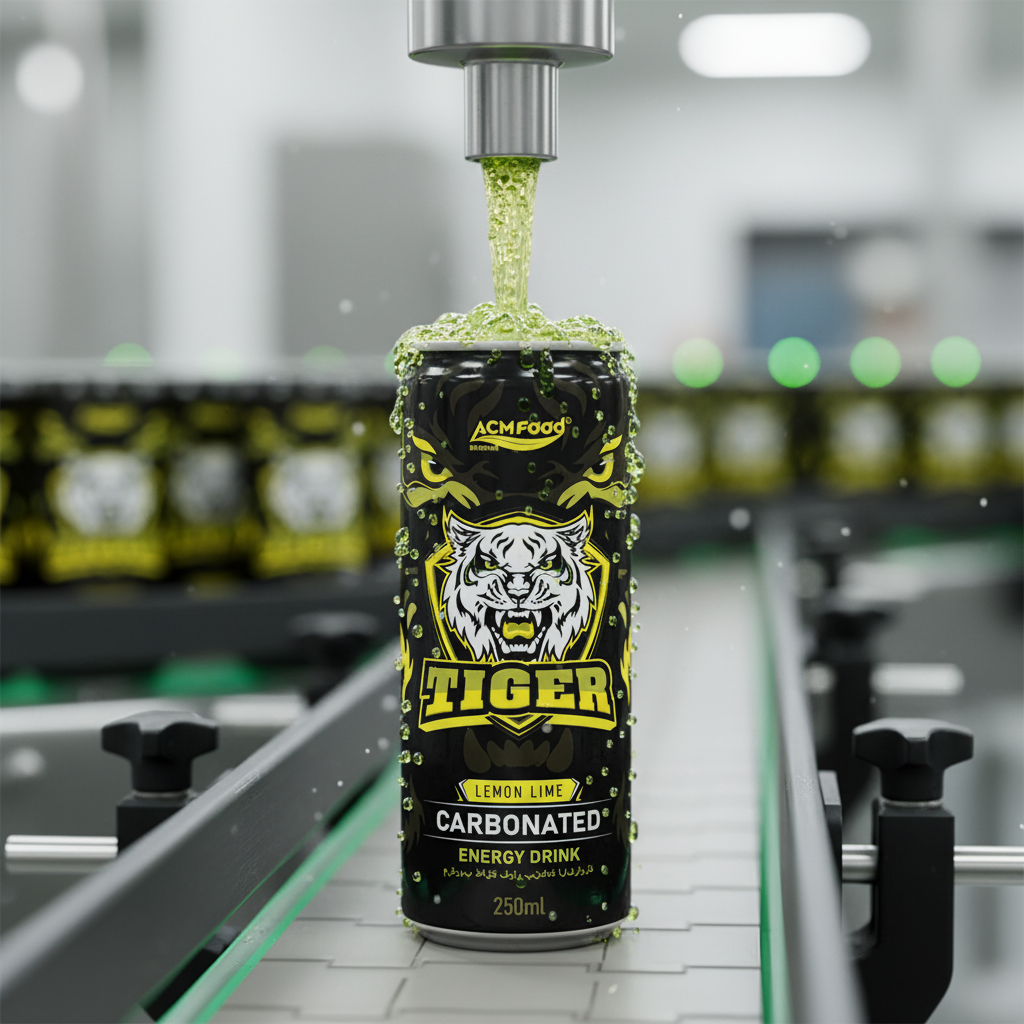
Closeup of ACM energy drink can being filled with carbonated liquid bright lemonlime colors highspeed filling machine

ACM’s capability in producing consistent, high-quality RTD beverages at scale. The company offers private label services, allowing brands to launch their own energy drink variants with customized branding and minor formulation tweaks. Minimum order quantities (MOQs) are kept flexible to accommodate both startups and established distributors. This agility is a key competitive advantage in a market where speed-to-market often determines success.

Market Impact and Consumer Demand for Functional Beverages

Shifting Preferences and Regional Opportunities

Consumer behavior is increasingly leaning toward beverages that serve a dual purpose. According to a 2024 survey by Mintel, 62% of global consumers actively seek functional drinks that improve mental or physical performance. Energy drinks, among the most established functional categories, benefit from this trend. However, the market is fragmenting into sub-segments: clean label energy drinks (with no artificial colors), low-sugar variants, and those fortified with vitamins or adaptogens.

The energy drink OEM category on ACM’s site showcases multiple formulations that address these sub-trends. For instance, a sugar-free version using natural sweeteners appeals to health-conscious buyers, while a high-caffeine variant targets extreme athletes. This breadth allows brands to test multiple products under one partnership, reducing risk and accelerating portfolio expansion.

In the US market, the functional energy drink segment has grown by 12% year-over-year, while in Asia-Pacific, growth exceeds 15% due to increasing disposable incomes and urbanization.

B2B Strategies and OEM Opportunities in Functional Energy Drinks

Leveraging Manufacturing Flexibility for Market Entry

For beverage brands looking to enter the functional energy drink space, partnering with an experienced OEM is often the most efficient path. ACM provides turnkey solutions from concept to delivery, including formula development, packaging design, and regulatory compliance support. The company’s production facilities in Vietnam offer cost advantages without compromising quality, making it attractive for brands targeting the US, EU, and Middle East markets.

One strategic imperative for distributors is to evaluate an OEM’s ability to handle low MOQs for initial test runs. ACM typically requires only 5,000 units for first orders, allowing brands to validate demand before committing to larger volumes. This lower barrier to entry is especially beneficial for startups and regional players. Additionally, the private label service enables brands to own the intellectual property, ensuring long-term margin protection.

From a logistics perspective, ACM’s location in Southeast Asia provides proximity to key shipping routes and raw material suppliers. The company sources ingredients globally to ensure consistency and cost efficiency. For buyers seeking to differentiate their portfolio, energy drink OEM ACM offers a reliable choice with proven export success to over 20 countries.

Expert Perspectives on Functional Beverage Innovation

Insights from Industry Leaders

Dr. Sarah Lin, a food scientist specializing in functional beverages, notes that the next frontier for energy drinks is personalization. “Consumers no longer accept a one-size-fits-all approach. OEMs that can offer modular formulations—like adjusting caffeine levels or adding nootropics—will capture the loyalty of niche audiences.” ACM’s product line already includes customizable caffeine and sweetener options, aligning with this trend.

John Carter, a supply chain consultant with 20 years in beverage manufacturing, emphasizes the importance of certification. “Exporting functional energy drinks requires adherence to local food safety standards. ACM’s ISO 22000 and HACCP certifications provide the necessary trust for international buyers.” These certificates are listed on the company website, reinforcing credibility. The combination of technical expertise and flexible manufacturing positions ACM as a strong partner for brands worldwide.

Future Outlook for Functional Energy Drinks 2025–2030

Trends Shaping the Next Wave of Innovation

Over the next five years, functional energy drinks will likely incorporate more plant-based stimulants like guarana and green tea extract, responding to clean label demands. The use of adaptogens (ashwagandha, rhodiola) to reduce stress while maintaining energy will grow. ACM’s R&D team is already experimenting with such ingredients, preparing for market shifts.

Packaging innovation will also play a role. Aluminum cans remain popular due to recyclability and premium feel, but new formats like resealable pouches and 200ml slim cans are gaining traction in convenience channels. The 250ml can, as used in the featured product, strikes a balance between portability and sufficient volume. ACM’s investment in multi-format production lines ensures brands can pivot quickly as consumer preferences evolve.

Geographically, Africa and Latin America present untapped opportunities for affordable, functional beverages. OEMs that establish a presence early can ride the wave of growing middle classes. With its existing export infrastructure and competitive pricing, ACM is well-positioned to serve these emerging markets.

Frequently Asked Questions

Functional Energy Drinks and OEM Partnerships

Q1: What are the key functional benefits of energy drinks for consumers?
A: Energy drinks primarily provide mental alertness through caffeine, physical performance support via taurine and B vitamins, and metabolic energy conversion. These benefits are backed by decades of research and are sought by athletes, professionals, and students.

Q2: How can an OEM help a brand launch a new functional energy drink?
A: An OEM offers end-to-end services: custom formulation, sourcing of ingredients, production, packaging, and regulatory compliance. This reduces the brand’s upfront investment and time to market. ACM, for example, handles everything from concept to container.

Q3: What certifications should an OEM have for exporting energy drinks?
A: Essential certifications include ISO 22000 (food safety), HACCP, and sometimes organic (USDA, EU) or halal if targeting Muslim-majority markets. ACM holds these and can assist with additional certifications per destination.

Q4: Are there low-MOQ options for testing a new energy drink brand?
A: Yes, many OEMs, including ACM, offer flexible MOQs starting from about 5,000 units for initial test runs. This allows startups to validate market demand without large financial risk.

Q5: What trends will shape the future of functional energy drinks?
A: Clean label ingredients, lower sugar, plant-based stimulants, adaptogens for stress reduction, and sustainable packaging are the top trends. OEMs with R&D capabilities can adapt formulations to these shifts quickly.

Related blogs insights

Peach Tea Drinks: A Refreshing and Flavorful Beverage

Tea is a widely popular beverage enjoyed by people all over the world. With its [...]

The Benefits of Coconut Water and Juice

Coconut water and juice have become increasingly popular in recent years, with many people touting [...]

The Strategic Rise of 100 Orange Juice in the Global RTD Beverage Market

Explore the strategic rise of 100% orange juice in the global RTD market. Analysis of [...]

The Delicious Coconut Milk Drink with Nata de Coco

Coconut milk drink with nata de coco is a delightful and refreshing beverage that combines [...]

Cold Fill Technology in Canned Coconut Water

Contents1 Have You Ever Wondered Why Some Canned Coconut Water Tastes So Fresh?2 1. What [...]

What types of organic juices are good for health?

In recent years, the trend of using “clean” and “green” foods has become an integral [...]

Leave a Reply

Your email address will not be published. Required fields are marked *