
The global beverage aisle is undergoing a quiet revolution, driven by a fusion of health consciousness and sensory delight. At the forefront sits an unlikely contender: sparkling coconut water. This category, exemplified by innovative products like ACM Sparkling Coconut Water with Guava Flavor, is not merely a new SKU but a strategic response to profound shifts in consumer behavior and manufacturing agility. For business leaders, distributors, and brand owners, understanding this convergence of natural hydration, functional benefits, and carbonated refreshment reveals significant opportunities in private label development, OEM partnerships, and international market expansion. The rise of such hybrids signals a broader move towards sophisticated, multi-attribute drinks that command premium shelf space and consumer loyalty.
Contents
- 1 Market Dynamics and Product Launch
- 2 Product Analysis and Innovation Features
- 3 Consumer Trends and Market Demand
- 4 Business Strategy and Distribution Channels
- 5 Expert Insights and Industry Commentary
- 6 Future Outlook and Category Evolution
- 7 FAQ
- 7.1 What is ACM Sparkling Coconut Water with Guava and its market appeal?
- 7.2 What are the key production considerations for a sparkling functional drink?
- 7.3 What is the strategic importance of MOQ flexibility for beverage brands?
- 7.4 Which export markets show the most potential for innovative coconut-based beverages?
- 7.5 How does a sparkling coconut water fit into a private label or OEM strategy?
Market Dynamics and Product Launch
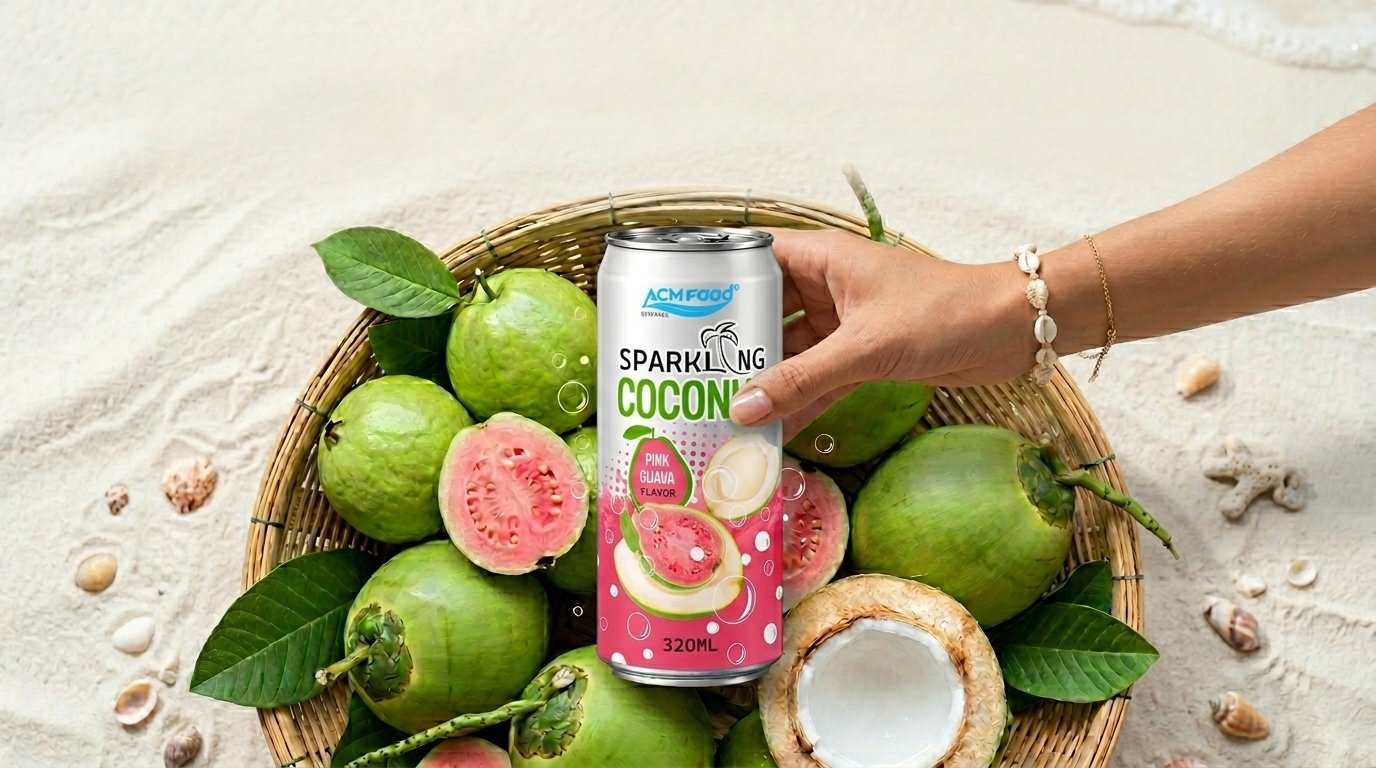
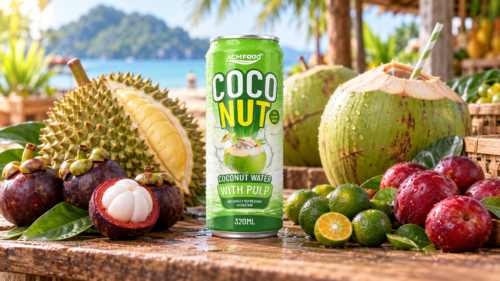
Sparkling coconut water is reshaping the functional beverage landscape. This innovative category merges hydration with a premium drinking experience. It directly responds to consumer demand for sophisticated, low-sugar alternatives. The launch of products like ACM Sparkling Coconut Water with Guava Flavor 320ml exemplifies this strategic shift.
Beverage manufacturers are aggressively targeting health-conscious demographics. The RTD beverage sector thrives on constant flavor experimentation. Guava infusion adds a tropical, vitamin C-rich profile to the base electrolyte drink. This combination creates a compelling value proposition for modern retailers.
Product Analysis and Innovation Features
The core innovation lies in carbonating a natural hydration staple. Sparkling coconut water offers a crisp mouthfeel distinct from still versions. This functional drink leverages coconut water’s inherent potassium and mineral content. The guava flavor provides a familiar yet exotic twist, enhancing palatability.
Packaging plays a critical role in market positioning. The 320ml format is ideal for on-the-go consumption and single-serve retail. It aligns with the convenience trend dominating the beverage manufacturer space. For businesses, this represents a ready-to-market SKU for private label beverage programs.
Formulation and Health Positioning
Ingredient transparency is a non-negotiable for today’s brands. A sparkling coconut water blend avoids artificial sweeteners and colors. Its positioning as a naturally functional drink appeals to a broad audience. This clean-label approach is essential for successful export to markets like the EU and US.
The product sits at the intersection of several key trends. It is a plant-based, electrolyte-rich beverage with added flavor complexity. For OEM partners, this formula offers a blueprint for customization. Manufacturers can adjust sweetness levels or introduce complementary superfood extracts.
Consumer Trends and Market Demand
Demand for hybrid beverages is accelerating globally. Consumers seek multi-functional products that deliver taste and benefit. The sparkling coconut water category satisfies thirst while offering a perceived wellness boost. This dual appeal drives trial and repeat purchase in competitive retail environments.

Flavor fusion is a dominant strategy for capturing market share. Combining coconut water with guava taps into the popularity of tropical profiles. This RTD beverage format meets the demand for premium, convenient hydration. Success in this space requires deep understanding of regional taste preferences.
The Private Label Opportunity
Retailers and distributors are actively expanding their owned-brand portfolios. A product like sparkling coconut water with guava presents a high-margin opportunity. Private label beverage programs allow for rapid go-to-market strategies. Partnering with an experienced OEM provider mitigates development risk and cost.
Minimum order quantity flexibility is a key differentiator for manufacturers. Low MOQ production runs enable brands to test market receptivity without major capital commitment. This agility is crucial for launching innovative products in fast-moving categories. It allows distributors to refine their assortment based on real-time sales data.
Business Strategy and Distribution Channels
Effective distribution requires a multi-channel approach. Sparkling functional drinks perform well in convenience stores, gyms, and specialty food retailers. Online D2C channels are also critical for building brand narrative and community. A robust beverage manufacturer supports partners across all these touchpoints.
Export strategy must consider regulatory and taste profile nuances. The Middle East shows strong demand for premium, healthy beverages, while Asian markets may prefer less sweetness. An OEM partner with export certification and experience is invaluable. They navigate complex logistics, allowing the brand to focus on marketing and sales.
For companies evaluating fresh coconut water extensions, carbonation offers a clear point of differentiation. It creates a new occasion for consumption, moving beyond post-workout into social and casual settings. This expands the total addressable market for coconut-based products significantly.
Expert Insights and Industry Commentary
Industry analysts note the blurring lines between soft drinks and functional beverages. ‘Better-for-you’ carbonation is a major growth vector, moving market share from traditional sodas. Success hinges on maintaining a clean ingredient list while delivering on taste. The most successful functional drink launches often originate from collaborative OEM relationships.
Supply chain resilience for natural ingredients like coconut water is paramount. Leading manufacturers secure transparent, sustainable sourcing to ensure consistent quality. This is a critical factor for brands considering long-term private label partnerships. It directly impacts product stability and brand reputation in the market.
Strategic Imperatives for Brand Owners
For distributors looking to differentiate their portfolio, evaluating a manufacturing partner’s agility in low-MOQ production has become a strategic imperative. It allows for faster iteration and reduces inventory risk in an unpredictable market.
Brands aiming for international expansion should prioritize OEM partners with proven export capabilities to key regions. Expertise in documentation, formulation compliance, and packaging regulations can accelerate market entry by months.
Future Outlook and Category Evolution
The sparkling functional beverage segment is poised for sustained growth. Expect further ingredient integration, such as adaptogens, nootropics, or enhanced electrolytes. Packaging innovation, including lightweight and sustainable materials, will be a key battleground. The role of the beverage manufacturer will evolve from pure production to full-service innovation partner.
Market expansion will be driven by continuous flavor and functional innovation. Exploring adjacent categories, like milk-based functional drinks, can reveal new hybrid opportunities. The future belongs to manufacturers that can seamlessly blend science, sourcing, and speed-to-market.
Ultimately, the success of products like sparkling coconut water validates consumer desire for sophisticated, health-aligned indulgences. It creates a lucrative blueprint for future RTD beverage development across multiple sub-categories.
FAQ
What is ACM Sparkling Coconut Water with Guava and its market appeal?
It is a carbonated beverage combining natural coconut water with guava flavor. Its appeal lies in offering a healthier, flavorful alternative to traditional soft drinks, targeting health-conscious consumers seeking convenient, functional hydration.
What are the key production considerations for a sparkling functional drink?
Key considerations include maintaining carbonation stability, preserving natural flavors and nutrients during processing, ensuring consistent sourcing of ingredients like coconut water, and achieving a clean label without artificial preservatives.
What is the strategic importance of MOQ flexibility for beverage brands?
Low Minimum Order Quantity (MOQ) allows brands and distributors to test new products like sparkling coconut water with lower financial risk. It enables faster market response, smaller batch production for niche markets, and reduces unsold inventory, which is crucial in the fast-moving consumer goods sector.
Which export markets show the most potential for innovative coconut-based beverages?
North America and Europe have strong demand for premium, functional, and natural beverages. The Middle East values premium healthy drinks, while parts of Asia are receptive to tropical flavors. Success depends on tailoring sweetness levels and marketing to local preferences.
How does a sparkling coconut water fit into a private label or OEM strategy?
It represents a turnkey, on-trend product for retailers or brands to launch under their own label. An OEM partner provides the formulation, production, and packaging, allowing the brand to go to market quickly with a differentiated product in the competitive functional beverage space, leveraging existing category growth.