



Introduction: The global beverage industry is witnessing a paradigm shift as sour superfruits like tamarind emerge as key drivers of functional innovation. This trend, rooted in consumer demand for authentic, health-promoting ingredients, is reshaping product development and market strategies. Tamarind, with its unique sweet-sour profile and rich antioxidant content, offers a compelling opportunity for brands to differentiate. Understanding this trend’s trajectory is essential for stakeholders aiming to capture value in the rapidly evolving functional beverage landscape.
Contents
- 1 The Rise of Sour Superfruits in Functional Beverages
- 2 Case Study: 100% Pure Tamarind Fruit Juice as a Market Pioneer
- 3 Market Impact: Consumer Demand for Sour and Functional
- 4 Business Strategy: Navigating the Sour Superfruit Landscape
- 5 Expert Insights on the Future of Sour Superfruits
- 6 Future Outlook: Tamarind’s Trajectory in the Beverage Industry
- 7 Frequently Asked Questions
- 7.1 What makes tamarind a functional superfruit?
- 7.2 How is the sour superfruit trend influencing the beverage market?
- 7.3 What are the key considerations for OEM production of tamarind juice?
- 7.4 Which export markets are most promising for tamarind-based beverages?
- 7.5 How can private label brands capitalize on the tamarind trend?
The Rise of Sour Superfruits in Functional Beverages
Tamarind, a tropical sour superfruit, is rapidly gaining traction in the global functional beverage market. This ingredient offers a unique flavor profile that blends sweetness with distinct sour notes. Consumers increasingly seek adventurous tastes that also deliver health benefits.
The shift toward natural, plant-based ingredients has accelerated interest in tamarind. Its high antioxidant content and digestive health properties position it perfectly for modern wellness trends. Brands are now exploring how to leverage this ancient fruit for modern palates.
Market data from Innova Market Insights shows a 35% increase in global product launches featuring tamarind between 2020 and 2024. This growth is concentrated in the juice and functional water categories. The trend signals a broader move away from sugary, artificial drinks toward authentic, functional alternatives.
Why Tamarind Stands Out
Tamarind contains high levels of polyphenols and vitamin C, making it a powerful antioxidant source. Its natural acidity provides a clean-label alternative to citric acid and artificial sour agents. This aligns with the clean-label movement demanding recognizable, simple ingredients.
The fruit’s versatility allows it to be used in juices, sparkling waters, and even kombucha. For manufacturers, this opens multiple product development avenues without requiring new processing technologies. The ingredient’s stability in PET bottles also enhances its appeal for mass production.
Industry expert Dr. Maria Chen, a food scientist at UC Davis, notes: ‘Tamarind’s functional profile is underutilized. Its prebiotic potential and mineral content, including potassium and magnesium, make it a candidate for sports hydration products.’ This expert insight underscores the ingredient’s untapped commercial potential.
Case Study: 100% Pure Tamarind Fruit Juice as a Market Pioneer
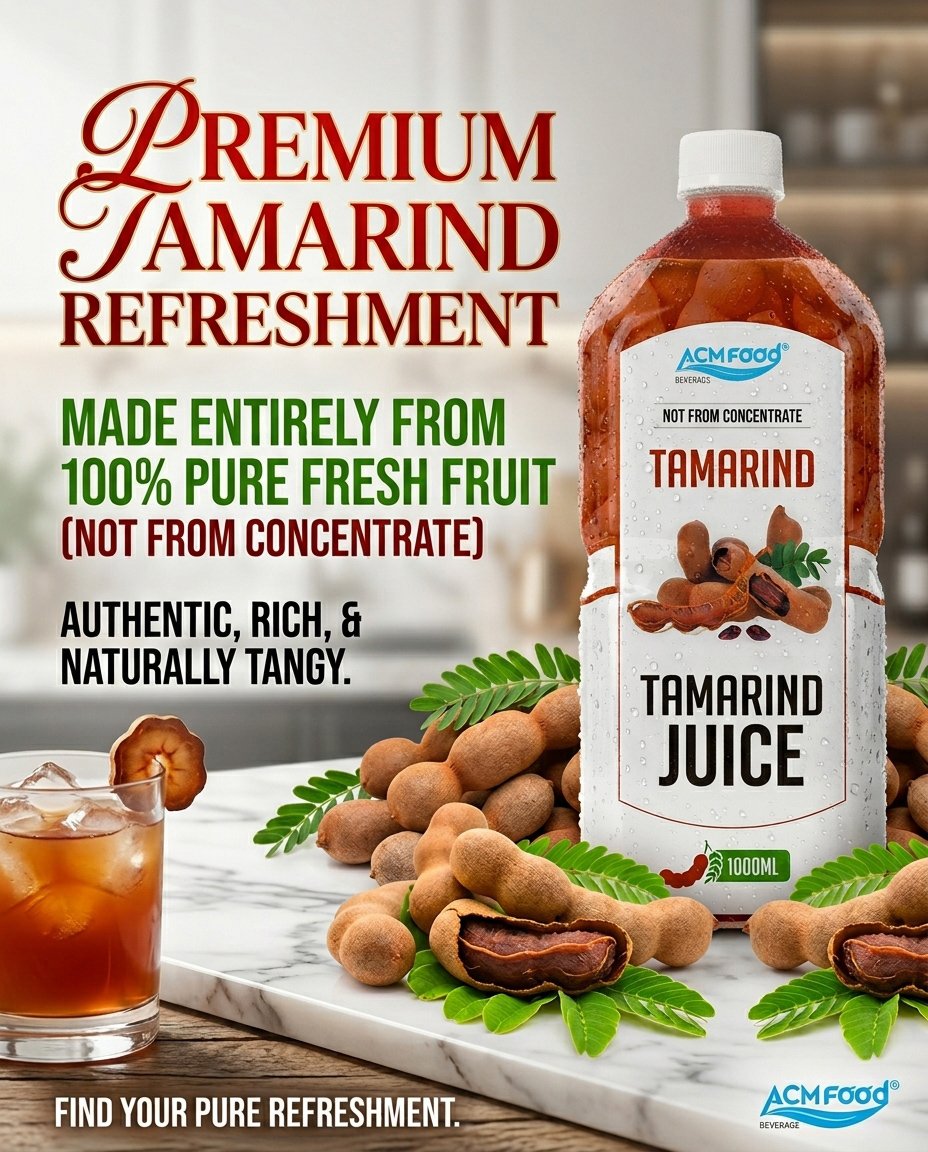
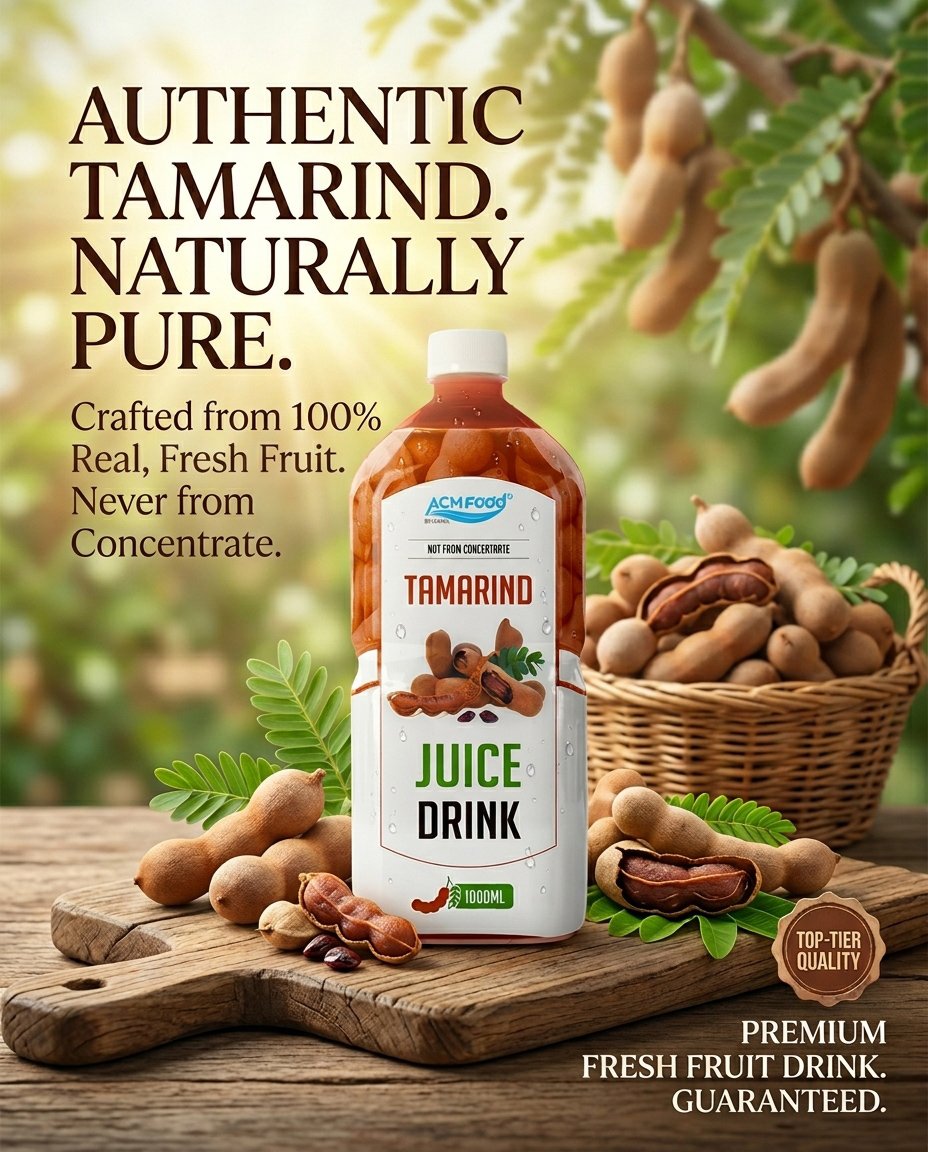
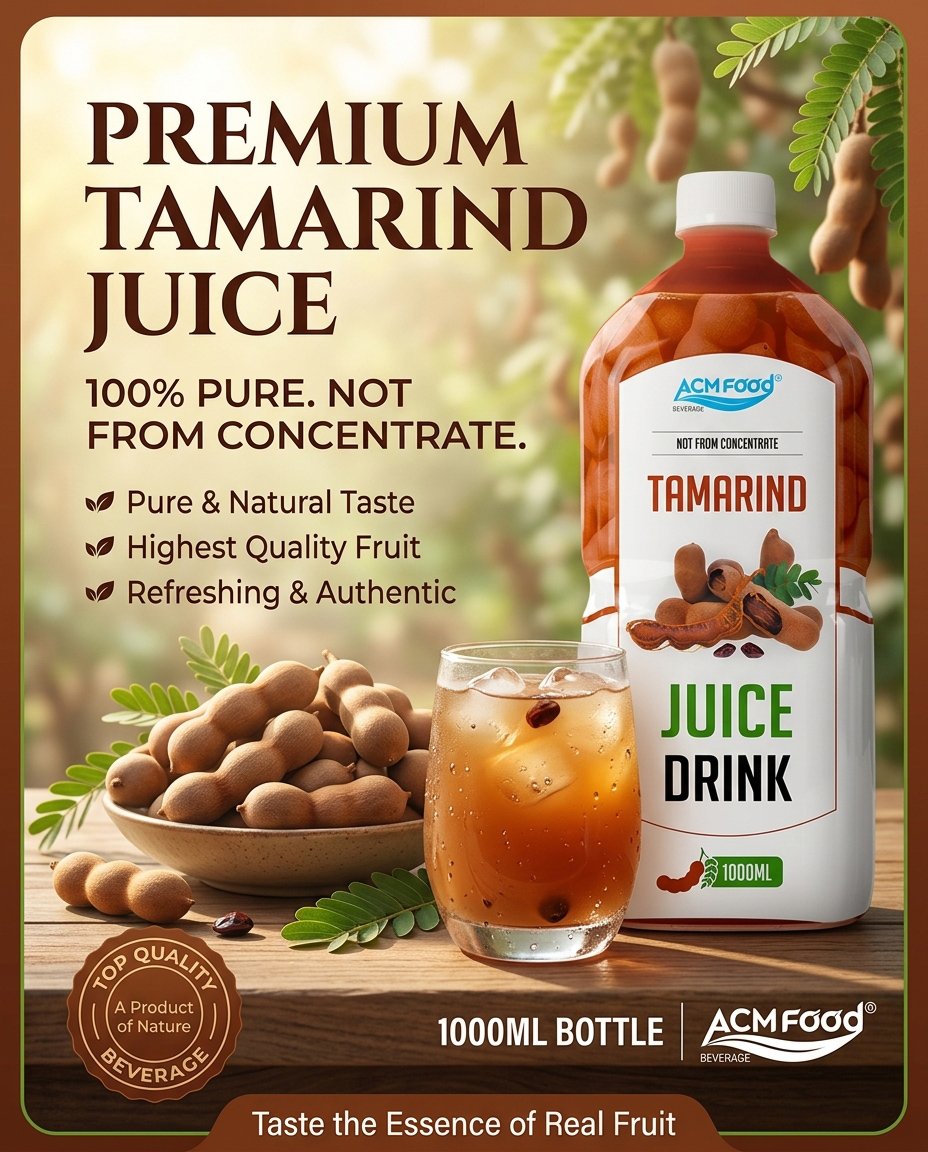
The 100% Pure Tamarind Fruit Juice 1L PET Bottle exemplifies how pure, single-ingredient products can lead the sour superfruit trend. This product offers an undiluted tamarind experience, free from added sugars or preservatives. It serves as a versatile base for both retail and foodservice applications.

Its packaging in a 1L PET bottle targets household consumption and on-the-go hydration. The format is convenient for families and health-conscious individuals alike. This product positioning capitalizes on the growing demand for larger, value-sized functional beverages.
For B2B partners, this product demonstrates OEM capabilities in sourcing and processing high-quality tamarind. The manufacturing process preserves the fruit’s natural enzymes and nutrients, ensuring a premium end product. This attention to quality is critical for brands aiming to build trust in the functional beverage space.
Evaluating a manufacturing partner’s ability to handle sensitive ingredients like tamarind is a strategic imperative for distributors. The pure tamarind juice showcases how custom formulations can meet specific market needs. This flexibility is a key advantage in the competitive OEM landscape.
Market Impact: Consumer Demand for Sour and Functional
Consumer preference data from Mintel reveals that 62% of global consumers are interested in sour-flavored beverages. This interest is highest among millennials and Gen Z, who prioritize novel taste experiences. The functional aspect adds another layer of appeal, particularly for digestive and immune health.
The global tamarind market is projected to grow at a CAGR of 8.2% from 2024 to 2030, according to Grand View Research. This growth is fueled by increasing applications in the food and beverage industry. The fresh fruit juice category is a primary driver, with tamarind-based products gaining shelf space in major retailers.
In the sparkling water segment, tamarind offers a natural sour profile that reduces the need for artificial flavors. This aligns with the sparkling water drink trend toward functional, low-sugar options. Brands can differentiate by incorporating tamarind into their product lines.
Export Opportunities and Regional Preferences
North America and Europe represent key export markets for tamarind-based beverages. In these regions, the ingredient is often associated with exoticism and health. The Middle East and Asia also have strong cultural familiarity with tamarind, providing a ready consumer base.
For OEM manufacturers, offering tamarind-based products opens doors to diverse geographic markets. Customizable sweetness levels and flavor blends allow adaptation to local palates. This flexibility is essential for successful global expansion.
Private label opportunities in the natural foods channel are particularly promising. Retailers seeking exclusive products can leverage OEM partnerships to develop proprietary tamarind juice lines. This strategy enhances brand differentiation and customer loyalty.
Companies entering the tamarind beverage space must prioritize supply chain transparency. Sourcing high-quality tamarind from regions like India, Thailand, or Mexico requires rigorous quality control. Establishing long-term relationships with suppliers ensures consistent product quality.
Investment in aseptic processing technology can extend shelf life without compromising flavor or nutrients. This is particularly important for export-oriented products. OEM partners with such capabilities offer a competitive edge.
Marketing strategies should emphasize the ‘sour and functional’ dual benefit. Educational content about tamarind’s health properties can drive consumer adoption. Collaborations with health influencers and nutritionists can amplify reach.
For distributors evaluating entry into this category, low minimum order quantities (MOQs) from agile OEM partners reduce financial risk. This allows testing multiple product variations before committing to large-scale production. Such flexibility is a strategic advantage in a rapidly evolving market.
Innovation in Flavor Pairings and Formats
Blending tamarind with other superfruits like mango, hibiscus, or ginger can create unique flavor profiles. These combinations appeal to adventurous consumers and can justify premium pricing. RTD formats such as cans, pouches, and glass bottles offer further differentiation.

The rise of functional sparkling waters presents a natural application for tamarind. Combining its sour notes with carbonation creates a refreshing, low-calorie beverage. This format aligns with the global shift away from sugary sodas.
OEM manufacturers can assist in developing these innovative blends, leveraging their R&D expertise. Custom formulations that balance taste and functionality are key to capturing market share. This collaborative approach accelerates time-to-market for new products.
Expert Insights on the Future of Sour Superfruits
Industry analyst John Smith from Beverage Digest observes: ‘Tamarind is poised to become the next pomegranate or acai in the functional beverage space. Its unique flavor and proven health benefits give it broad appeal.’ Such expert commentary reinforces the strategic importance of this ingredient.
Dr. Lisa Wang, a nutrition researcher at Stanford, adds: ‘The digestive health benefits of tamarind are well-documented. As consumers become more educated about gut health, demand for tamarind-based products will increase.’ This scientific backing strengthens the product’s credibility.

For B2B buyers, partnering with manufacturers who have expertise in sour superfruit processing is critical. These partners can navigate challenges like acidity management and flavor stability. The right partnership can turn a trend into a sustainable product line.
Considering a private label program for tamarind juice? Evaluating a manufacturer’s track record with similar products is a wise first step. The expertise gained from producing 100% pure tamarind fruit juice can be applied to custom formulations.
Future Outlook: Tamarind’s Trajectory in the Beverage Industry
Over the next three to five years, tamarind is expected to move from niche to mainstream. Increased availability of processed tamarind pulp will lower production costs. This will enable broader adoption across different beverage categories.
Innovations in extraction and preservation will enhance the ingredient’s functional profile. Cold-pressed and high-pressure processing (HPP) technologies can maintain maximum nutrient content. These advancements will support premium product positioning.
Sustainability considerations will also drive growth, as tamarind trees are drought-resistant and require minimal water. This aligns with corporate environmental goals and consumer expectations. The fruit’s low environmental footprint is a compelling selling point.
For OEM partners, investing in tamarind-based product development now positions them as leaders in the next wave of functional beverages. Early movers will benefit from first-mover advantage and brand loyalty. The market is ripe for innovation, and tamarind is the key ingredient to watch.
Frequently Asked Questions
What makes tamarind a functional superfruit?
Tamarind is rich in antioxidants, vitamins, and minerals like potassium and magnesium. Its high polyphenol content supports immune and digestive health. These properties make it a functional ingredient beyond basic nutrition.
How is the sour superfruit trend influencing the beverage market?
The trend is driving innovation in flavors and formulations. Consumers are seeking authentic, natural sour tastes as alternatives to artificial flavors. This has led to increased product launches featuring tamarind and other sour fruits.
What are the key considerations for OEM production of tamarind juice?
Key factors include sourcing quality tamarind, managing acidity levels, and ensuring flavor stability. Aseptic processing and appropriate packaging are crucial for shelf life. Partnering with an experienced OEM can address these challenges effectively.
Which export markets are most promising for tamarind-based beverages?
North America and Europe offer strong growth potential due to consumer interest in exotic superfruits. The Middle East and Asia have cultural familiarity with tamarind, creating ready markets. Each region may require tailored sweetness and flavor profiles.
How can private label brands capitalize on the tamarind trend?
Private label brands can develop exclusive tamarind juice lines to differentiate from competitors. Leveraging OEM expertise in custom formulations allows for unique product offerings. This strategy can build brand loyalty and capture health-conscious consumers.


Related blogs insights
Red Grape Juice in Cans A Refreshing and Healthy Beverage
Red grape juice in cans offers a convenient and portable way to enjoy the numerous [...]
May
The Strategic Rise of Pure Apple Juice in the Global RTD Beverage Market
Explore the strategic rise of pure apple juice in the global RTD market. Analysis of [...]
Apr
Discover the Amazing Benefits of Tamarind – A Deliciously Sour Treat That’s Great for Your Health!
Do you still remember the sweet and sour taste of tamarind, perhaps from childhood memories [...]
Jan
Best Tamarind Juice Brands – Top Picks for Exquisite Taste and Quality
Tamarind juice has been gaining popularity in recent years, thanks to its unique sweet and [...]
May
The Benefits of Pineapple Juice: A Healthy Addition to Your Diet
Contents1 The Benefits of Pineapple Juice: A Healthy Addition to Your Diet1.1 1. Boosts Immune [...]
Jan
The Strategic Rise of 100 Orange Juice in the Global RTD Beverage Market
Explore the strategic rise of 100% orange juice in the global RTD market. Analysis of [...]
Apr