














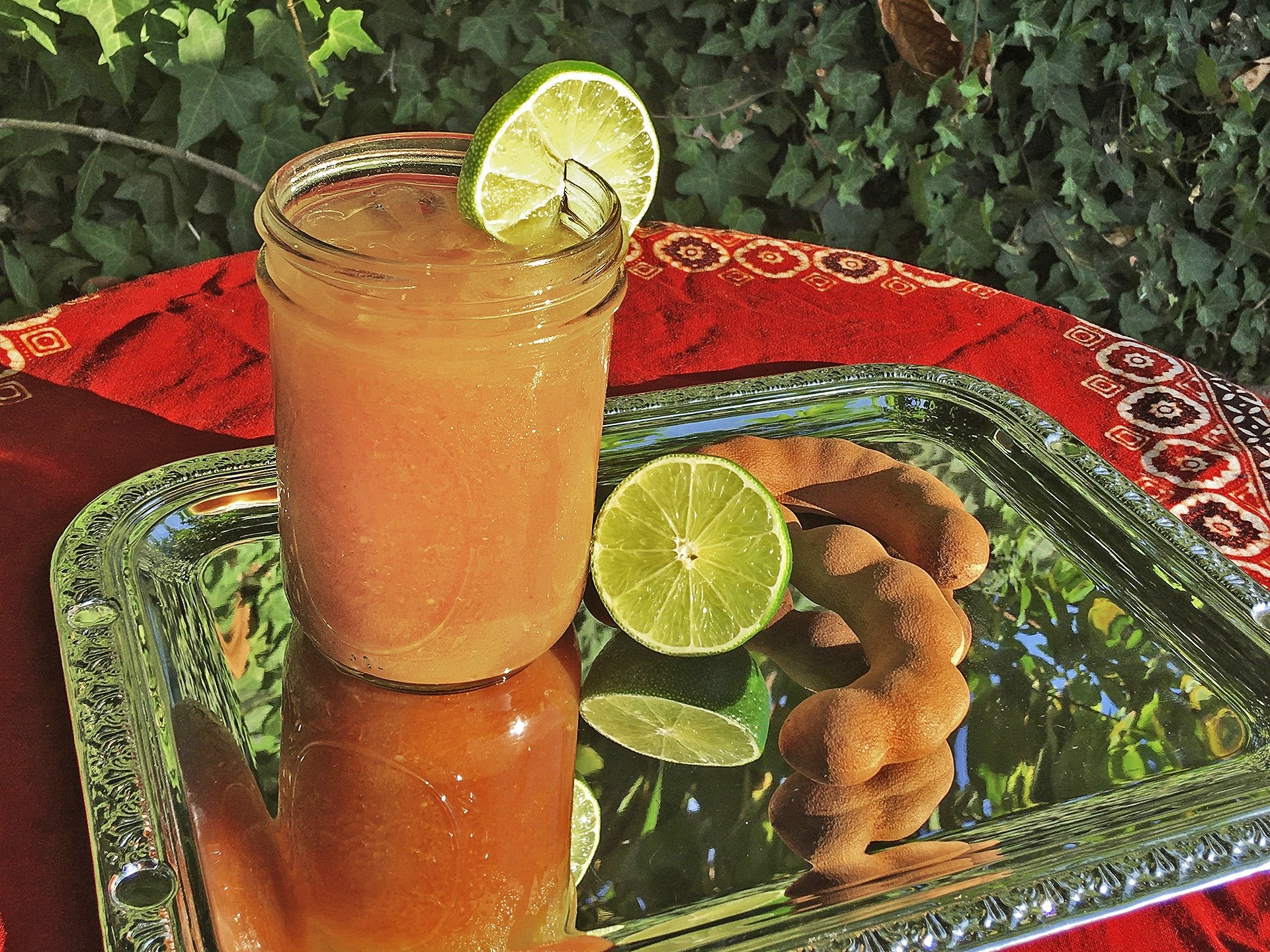
Tamarind juice is a drink made by soaking tamarind pulp in water, straining it and usually sweetening it, because raw pulp is very sour (pH around 2.5–3). The best products state a pulp or juice percentage, keep added sugar moderate and are heat-treated rather than preserved. Per 100 g, raw tamarind pulp provides 5.1 g of fibre and 628 mg of potassium.
Key facts at a glance
- Tamarind is not juiced — it is extracted. The pulp is dry and sticky, so it is soaked and strained.
- Almost every tamarind drink is sweetened. Tartaric acid makes the unsweetened extract hard to drink.
- Most commercial versions are nectars, typically 10–30% pulp, not 100% juice.
- Tamarind is low in vitamin C — about 3.5 mg per 100 g pulp, despite frequent claims otherwise.
- Fibre stays mostly in the pulp. A strained drink keeps only a small share of it.
How to choose a good tamarind juice
Brand names matter less than four things printed on the label:
- Pulp or juice percentage. A declared figure tells you how much tamarind is actually in the drink. Higher percentage means stronger, more sour flavour and more of the fruit’s minerals.
- Sugar per serving. Tamarind needs some sweetening, but totals above about 12 g per 100 ml put the drink in soft-drink territory. Many markets now tax sugar above 5–8 g per 100 ml.
- Processing. Pasteurised or retorted juice in cans or bottles keeps without preservatives. A long preservative list usually means a thinner, lower-pulp product.
- Ingredient list order. Water first is normal; sugar listed before tamarind is a warning sign.
Tamarind nutrition: what it really provides
| Nutrient | Raw tamarind pulp, per 100 g |
|---|---|
| Energy | 239 kcal |
| Carbohydrate | 62.5 g (of which sugars ~57 g) |
| Fibre | 5.1 g |
| Potassium | 628 mg |
| Magnesium | 92 mg |
| Calcium | 74 mg |
| Iron | 2.8 mg |
| Vitamin C | 3.5 mg |
Source: USDA FoodData Central, tamarinds, raw. A drink contains a fraction of these amounts, depending on how much pulp is used.
What the evidence supports, and what it does not:
- Laxative effect — supported. Tamarind pulp has a long, reasonably documented use as a mild laxative, linked to its tartaric and malic acids and fibre.
- Antioxidants — present. The pulp and especially the seed coat contain polyphenols. Seed-coat compounds are largely absent from a strained drink.
- Cholesterol lowering — not established in people. Results come mainly from animal studies and small trials using extracts, not drinks.
- Immune support via vitamin C — not supported. Tamarind is a poor source of vitamin C.
Tamarind in Vietnam
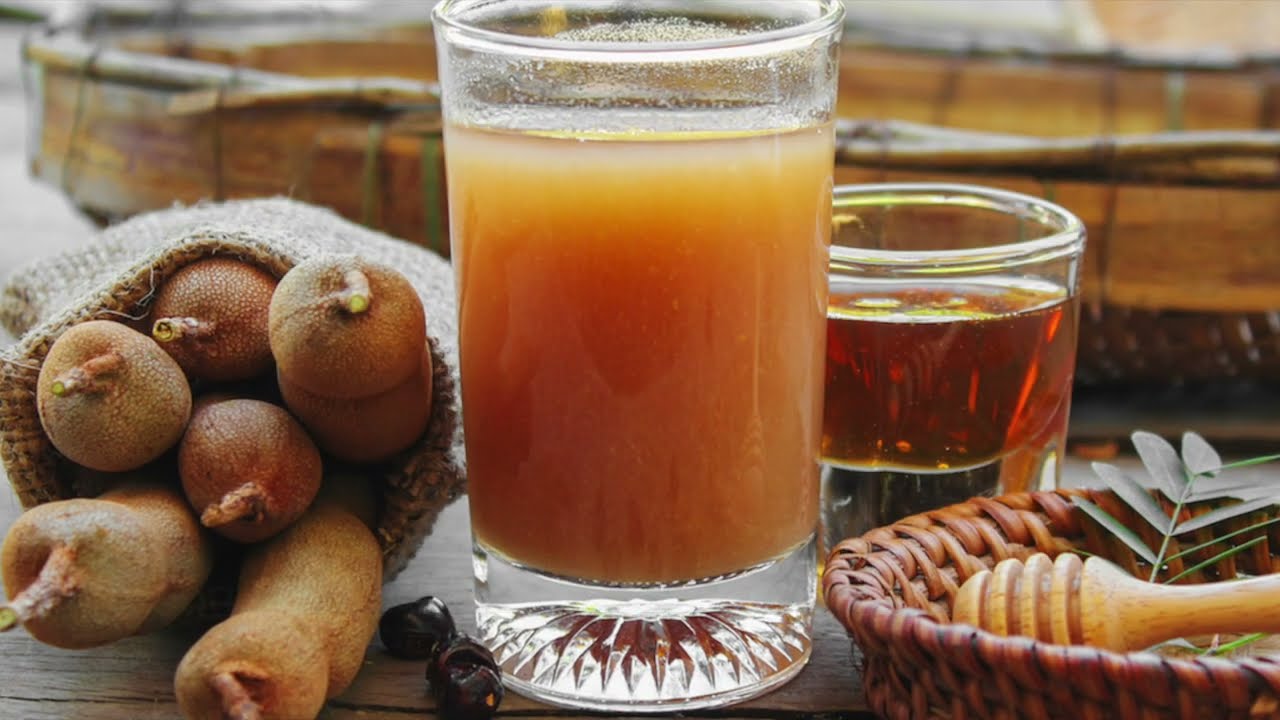
In Vietnam, tamarind (me) is more a cooking ingredient than a drink. It gives the sourness to canh chua (sour soup), the glaze on cua rang me (tamarind crab) and dipping sauces for fried food. As a drink, street vendors serve đá me: tamarind cooked with sugar, served over crushed ice and topped with roasted peanuts.
Home preparation is simple: soak about 100 g of pulp in 500 ml of hot water for 15 minutes, press through a sieve, then sweeten to taste and dilute with cold water.
Canned and bottled tamarind juice
Packaged tamarind juice is extracted and sweetened the same way, then heat-treated and sealed. Unopened, it keeps for 12–24 months at room temperature depending on format. Once opened, refrigerate and use within 2–3 days.
| Homemade | Canned / bottled | |
|---|---|---|
| Pulp content | You control it | Declared on label (often 10–30%) |
| Sugar | You control it | Fixed; check the panel |
| Shelf life | 2–3 days refrigerated | 12–24 months unopened |
| Consistency | Varies batch to batch | Standardised |
Using tamarind juice in food and drinks
- Glaze: reduce with fish sauce and sugar for grilled chicken or crab.
- Stir-fry and dipping sauce: mix with fish sauce, garlic, sugar and chilli.
- Mocktails: use in place of lime for a deeper, fruitier sourness; pairs well with ginger and soda water.
- Frozen treats: blend with coconut milk and freeze as ice lollies.
Frequently asked questions
What does tamarind juice taste like?
Sweet and sour, with a date-like, slightly caramel depth. The sourness comes mainly from tartaric acid, which is sharper than the citric acid in lime.
Is tamarind juice healthy?
It provides potassium and some magnesium, and has a mild laxative effect. Its main drawback is added sugar, which most versions need. Choose products that declare pulp content and keep sugar moderate.
Is tamarind juice high in vitamin C?
No. Raw tamarind pulp contains about 3.5 mg of vitamin C per 100 g, far less than citrus or guava.
Can tamarind juice help with constipation?
Tamarind has a traditional and reasonably documented mild laxative effect. Large amounts can cause loose stools.
Who should be careful with tamarind juice?
People on potassium-restricted diets, people managing blood sugar because of added sugar, and anyone with sensitive teeth, as the drink is highly acidic.
How long does opened tamarind juice last?
Refrigerated, 2–3 days for packaged juice once opened, and the same for homemade.
Tamarind juice from ACM Beverage

ACM Beverage produces tamarind juice in Vietnam for OEM and private label customers, with pulp percentage, sugar level and pack format set to each market’s requirements. See the 330 ml tamarind juice, or the wider tropical fruit juice range. For label terms, see NFC, concentrate and nectar explained. To discuss a formulation, contact our export team.
This article is general nutrition information, not medical advice.






