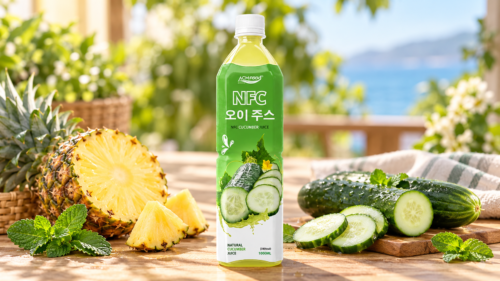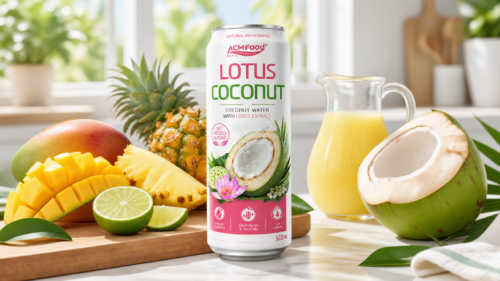

NFC and from-concentrate juice are both 100% juice — the difference is processing, not purity. NFC is pressed and packed without ever removing water. From-concentrate has its water evaporated for shipping, then added back. Nectar (25–50% juice) and juice drink (5–20%) are separate categories entirely.
The four categories, ranked by juice content
| Label term | Juice content | Added sugar | Added water |
|---|---|---|---|
| 100% juice (NFC or from concentrate) | 100% | Not permitted | Only to restore original strength |
| Nectar | ~25–50% | Usually | Yes |
| Juice drink | ~5–20% | Usually | Yes |
| Flavoured drink | 0% | Yes | Yes |
Exact thresholds differ by market, but the ranking holds everywhere. The important point: NFC and from-concentrate are both inside the top row. They are two routes to 100% juice, not two different grades of purity.
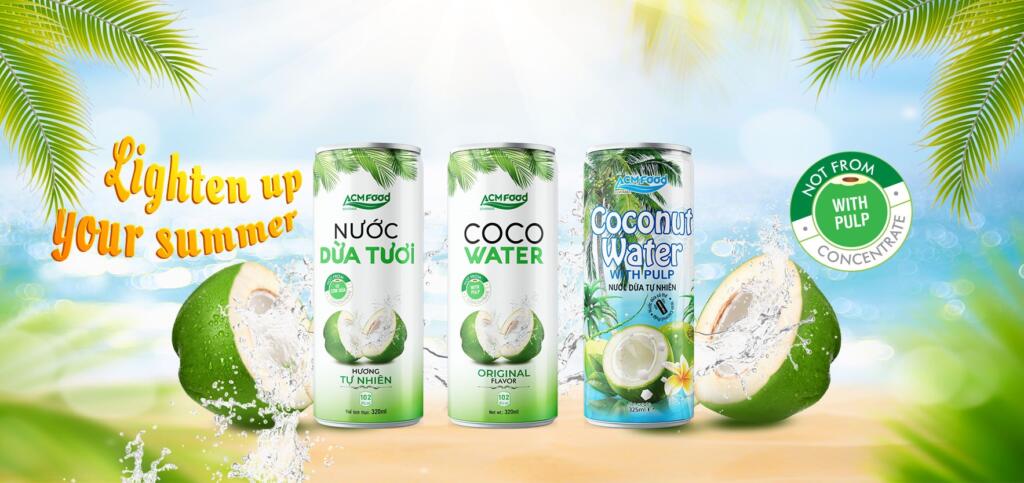
What NFC actually means
NFC stands for Not From Concentrate. The fruit is pressed, the juice is pasteurised, and it goes into the pack at its natural strength. Water is never removed and never added back.
This is worth stating plainly because the term is frequently explained backwards — including in a lot of published material. If a process involves removing water, the result is by definition not NFC.
What NFC costs: you are shipping and storing water. A tanker of NFC orange juice is mostly water by weight, which makes freight and cold storage significantly more expensive per litre of finished product.
What NFC buys: aroma. The volatile compounds that make juice smell like the fruit are the first things lost to the heat of evaporation. NFC keeps them because the heat step never happens.
What from-concentrate means
The juice is pressed, then water is evaporated off — typically reducing it to around one sixth of its original volume. The concentrate is shipped or stored, and water is added back before packing to restore the original strength.
A detail most explanations omit: aroma recovery. During evaporation the volatile aroma compounds are captured separately and added back to the reconstituted juice. This is why good from-concentrate juice tastes like the fruit at all — and why cheaper versions, which skip or skimp on recovery, taste flat.
What from-concentrate buys: logistics. Six times less volume to ship, longer storage life for the raw material, and year-round production from a seasonal crop.
What it costs: some aroma and some vitamin C to the heat of evaporation, even with recovery.
NFC versus from concentrate, side by side
| NFC | From concentrate | |
|---|---|---|
| Is it 100% juice? | Yes | Yes |
| Water removed | Never | Yes, then restored |
| Aroma retention | Higher | Lower, partly restored by recovery |
| Vitamin C retention | Higher | Somewhat lower |
| Sugar content | Essentially the same — both restore natural strength | |
| Freight cost | High | Low |
| Year-round supply | Harder | Easier |
| Typical price | Premium | Standard |
A common misconception is that from-concentrate juice is higher in sugar. It is not — reconstitution restores the original Brix. Higher sugar comes from added sugar, which is not permitted in 100% juice at all.
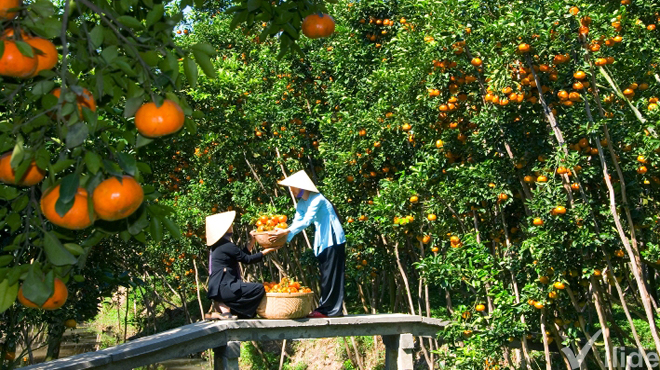
How to read any juice label in four steps
- Find the juice percentage. It is legally required in most markets and is the single most informative figure on the pack.
- Read the first ingredient. Juice, or water? If water leads, it is a nectar or juice drink regardless of the fruit imagery.
- Check for added sugar. Not permitted in 100% juice. Its presence tells you the category immediately.
- Compare sugar per 100 ml, not per serving. Serving sizes are not standardised and per-serving figures are not comparable between brands.
Phrases to treat carefully: “made with real fruit juice” and “contains real juice” are compatible with 5% juice. Neither means 100%.
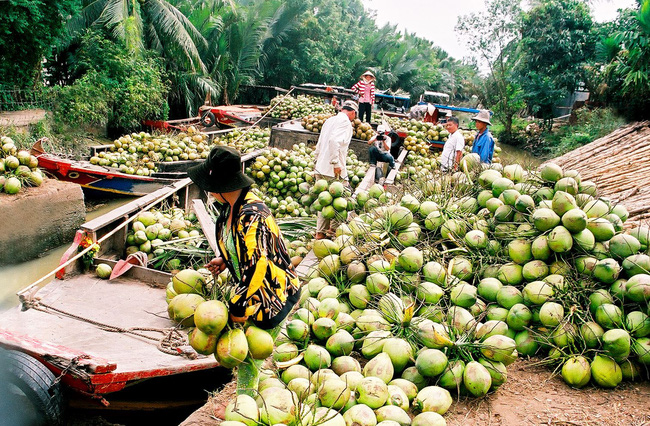
Where tropical juice is produced
Vietnam’s Mekong Delta, and Bến Tre province in particular, is a major source of coconut and tropical fruit for juice production. The climate supports year-round harvest of several fruits, which reduces reliance on concentrate for continuity of supply — one of the practical reasons NFC production is viable there.
Bến Tre is a geographic origin rather than a brand. Many manufacturers source from the same growing region.
Frequently asked questions
Is NFC juice the same as 100% juice?
NFC juice is one kind of 100% juice. The other kind is reconstituted from concentrate. Both are 100% juice with no added sugar or water beyond restoring original strength — they differ in processing, not in category.
Does NFC mean the juice was concentrated a little?
No — the opposite. NFC means Not From Concentrate: water is never removed at any stage. Any process that removes water produces concentrate, not NFC.
Is from-concentrate juice higher in sugar?
No. Reconstitution restores the juice to its original strength, so the sugar content matches the fruit. Higher sugar indicates added sugar, which means the product is a nectar or juice drink rather than 100% juice.
Which tastes better, NFC or from concentrate?
NFC generally tastes closer to fresh fruit because the volatile aroma compounds are never driven off by evaporation. Good from-concentrate juice recovers and restores those aromas and can taste very close; cheaper versions cannot.
What is the difference between nectar and juice?
Nectar typically contains 25 to 50% juice with added water and usually sugar. 100% juice contains no added water or sugar. Nectar exists mainly for fruits too thick or too acidic to drink undiluted, such as guava, mango and blackcurrant.
Does “made with real fruit juice” mean 100% juice?
No. That phrase is compatible with a very small juice share. Look for a declared percentage, and check whether water or juice is the first ingredient.
NFC and concentrate production at ACM Beverage
ACM Beverage manufactures NFC and from-concentrate juices in Vietnam under OEM and private label terms, in facilities certified to ISO 22000, FSSC 22000 and HACCP, exporting to more than 40 countries. The choice between the two is usually decided by freight economics and target shelf price rather than by quality alone — NFC costs more to ship, and that cost has to be recoverable at retail.
See the fresh fruit juice range (175 SKUs) and the coconut water range (96 SKUs). For a deeper comparison see NFC versus from concentrate in detail, and for buying factors see what consumers look for in bottled juice. To discuss a specification, contact our export team.