














A typical 240 ml cup of brewed coffee contains about 80–100 mg of caffeine plus polyphenols such as chlorogenic acids. Large observational studies link 3–4 cups a day with a lower risk of type 2 diabetes, liver disease and Parkinson’s disease, though they cannot prove cause and effect. Healthy adults should keep caffeine under 400 mg a day.
What is in a cup of coffee?
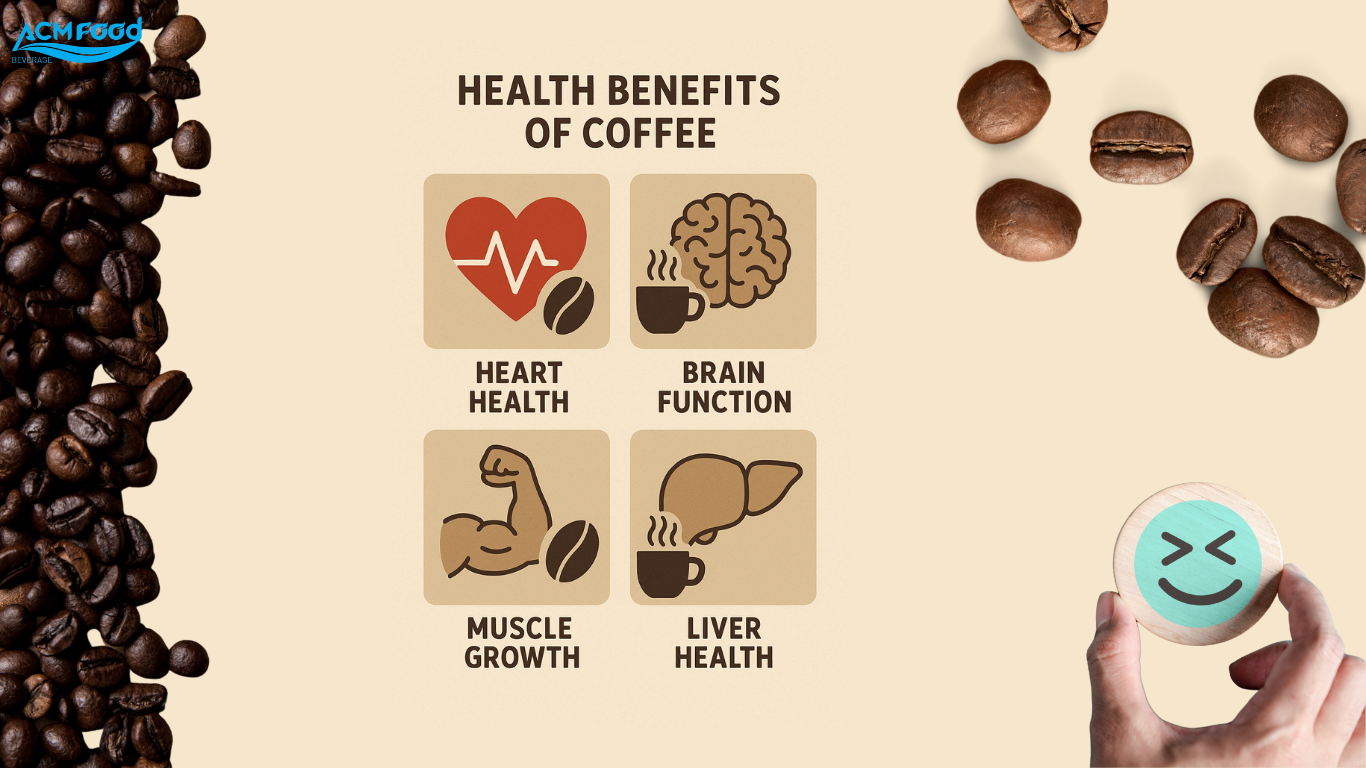
| Component | What it does |
|---|---|
| Caffeine | Blocks adenosine, the brain’s “sleepiness” signal, improving alertness |
| Chlorogenic acids | Polyphenols with antioxidant activity |
| Trigonelline, diterpenes | Flavour compounds; unfiltered coffee’s diterpenes can raise LDL cholesterol |
| Calories | About 2 kcal black; milk and sugar add much more |
What does the evidence say about coffee and health?
| Claim | Evidence |
|---|---|
| Alertness and focus | Strong – well established |
| Exercise performance | Strong – about 3 mg/kg caffeine improves endurance |
| Lower type 2 diabetes risk | Consistent in observational studies |
| Liver protection | Consistent association with less cirrhosis and liver cancer |
| Parkinson’s disease | Lower risk in observational studies |
| Weight loss | Small, short-term metabolic effect; not a weight-loss tool |
How much coffee is safe?
- Healthy adults: up to 400 mg caffeine a day – about 3–4 cups of brewed coffee.
- Pregnancy: up to 200 mg a day.
- Avoid coffee within about 6 hours of bedtime if sleep is affected.
- Watch added sugar and syrups; a sweetened coffee drink can exceed 30 g of sugar.
- People with anxiety, heart rhythm problems or reflux may need less.
How is coffee used beyond drinking?

- Cosmetics: caffeine in eye creams may temporarily reduce puffiness; grounds are used in body scrubs.
- Gardening: spent grounds add organic matter to compost.
- Materials: researchers are turning grounds into bioplastics, biofuel and activated carbon.
- Food: coffee extract flavours desserts, rubs and sauces.
Ready-to-drink coffee

Canned and bottled coffee is growing fast. ACM produces RTD coffee drinks such as black coffee 200ml slim can; browse the coffee drink range and read our Vietnamese coffee guide.
Frequently asked questions
How much caffeine is in one cup of coffee?
About 80–100 mg in 240 ml of brewed coffee; espresso has about 60–75 mg per shot.
Is coffee bad for your heart?
Moderate coffee is not linked to higher heart disease risk in most people; unfiltered coffee can raise cholesterol.
Does coffee dehydrate you?
Not at normal intakes; coffee counts towards daily fluids.
Is decaf still healthy?
Decaf keeps most polyphenols and is linked to some of the same benefits.






