









Dragon Fruit – From Vietnam’s Farms to Global Juice Production

Dragon fruit isn’t just a common fruit; it’s a symbol of exotic beauty and high nutritional value. With its striking name and unique shape, dragon fruit has become a beloved choice worldwide. This article will give you a comprehensive look at its origins, characteristics, health benefits, and amazing uses in everyday life.

1. Origin and Background

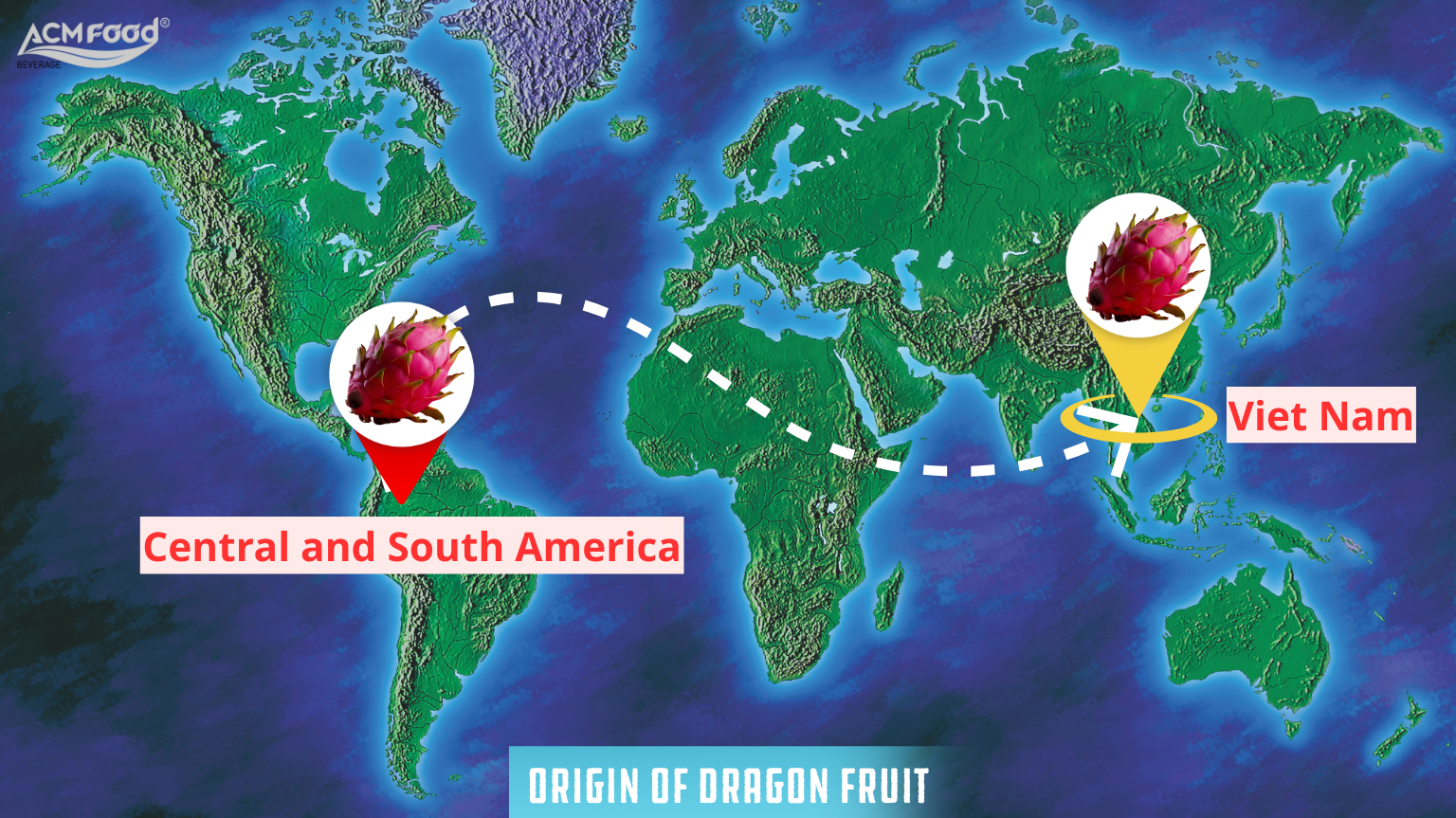
Dragon fruit (Hylocereus undatus), also known as Queen Dragon Fruit, is a tropical fruit native to Central and South America. It later spread across Asia and found ideal growing conditions in Vietnam, Thailand, and Malaysia.  

                   It later spread across Asia and found ideal growing conditions in Vietnam, Thailand, and Malaysia.

Today, Vietnam is one of the world’s largest dragon fruit exporters, especially from Binh Thuan, Long An, and Tien Giang provinces, where the soil and climate produce superior fruit quality and sweetness.


2. Appearance and Characteristics


Dragon fruit has a unique oval shape, covered with bright pink or red skin and green scales — resembling the mythical dragon’s body, hence its name.


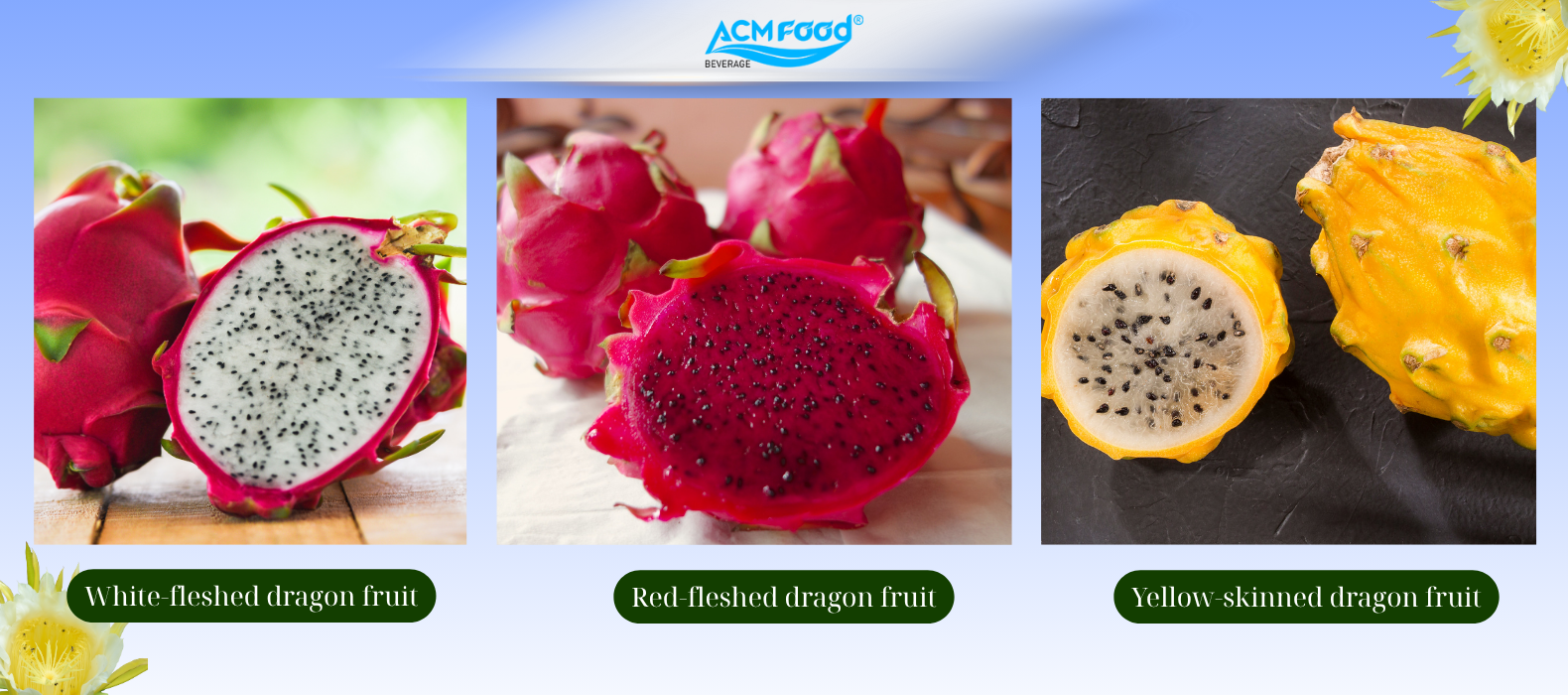
There are three main varieties:

  • White-fleshed dragon fruit (Hylocereus undatus): has pink skin, white flesh, sweet taste and is the most popular in Vietnam.
  • Red-fleshed dragon fruit (Hylocereus costaricensis): has a deep red flesh, sweeter taste, contains many antioxidants.
  • Purple-fleshed dragon fruit (Hylocereus polyrhizus): has a bright purple-pink flesh, often used in juice processing or high-end export products.

Each type offers a mildly sweet, refreshing flavor and a juicy texture, perfect for fresh consumption or juice processing.

In addition, there is now a yellow-skinned dragon fruit variety – a unique hybrid variation, featuring a golden skin and white flesh, with a sweeter taste than traditional varieties.

3. Nutritional Value and Key Properties

Dragon fruit is low in calories but rich in fiber, vitamins, and antioxidants, making it one of the healthiest tropical fruits.

Nutritional highlights:

  • High in Vitamin C, B1, B2, and B3 for immune support

  • Contains betalain (in red varieties) – a natural antioxidant that helps reduce inflammation

  • Rich in fiber and prebiotics – supporting digestion and gut health

  • Provides essential minerals like iron, calcium, and phosphorus

Key properties:

  • Naturally sweet and mildly fragrant

  • Retains color and flavor well during juicing or processing

  • Suitable for blending with other tropical fruits

4. Health Benefits of Dragon Fruit

Regular consumption of dragon fruit brings multiple health advantages:

  1. Boosts immunity thanks to its vitamin C content

  2. Improves digestion with natural fiber

  3. Supports blood sugar balance and suits low-sugar diets

  4. Slows aging and promotes healthy skin through antioxidants

  5. Supports heart health by reducing bad cholesterol

  6. Cools the body and aids detoxification in hot climates

5. Applications in Food and Beverage Industry

Culinary Uses

  • Eaten fresh or in fruit salads

  • Used for smoothies, desserts, sorbets, and ice cream

  • Adds natural color and flavor to gourmet dishes

In Beverage Manufacturing

Dragon fruit is widely used in juice, smoothie, fermented drinks, and puree production.
Its natural sweetness and vibrant color make it a preferred ingredient for non-alcoholic beverages.
Vietnamese dragon fruit juice products are now exported to Europe, the United States, Japan, and South Korea.

In Food Processing and Export

  • Fresh fruit export with cold-chain preservation

  • Processed forms such as juice, puree, dried fruit, or frozen IQF cubes

  • Serves as a key ingredient in fruit juice manufacturing plants, contributing to high-quality, value-added exports.

6. Dragon Fruit – Connecting Vietnam’s Agriculture to Global Markets

With abundant supply and VietGAP / GlobalG.A.P certified farms, Vietnam continues to expand its footprint in global fruit exports.
Through modern processing and sustainable farming, dragon fruit has become a signature ingredient in premium juice products representing Vietnam’s tropical richness and craftsmanship.

7. Overall

Dragon fruit is more than just a delicious tropical fruit — it’s a symbol of health, sustainability, and innovation.
From local farms to global juice factories, dragon fruit plays a vital role in enhancing the value of Vietnamese agriculture and strengthening Vietnam’s position in the global non-alcoholic beverage market.

Related blogs insights

Strawberry Sparkling Drink The Ultimate Guide

Contents1 330ml Canned Strawberry Sparkling Drinks1.1 Nutritional Information1.2 Health Benefits2 330ml Canned Strawberry Sparkling Drink [...]

1 Comment

The Rise of Non-Alcoholic Drinks with Coconut Water: A Refreshing Trend

Contents1 A Healthier Choice2 Innovative Recipes3 Market Growth4 Celebrity Endorsements5 Sustainability Factor6 Conclusion In recent [...]

1 Comment

How to Make Carrot Detox Juice – Weight Loss, Glowing Skin & Better Health

Contents1 The Origin of Carrots:2 Main Components and Structure of Carrots:2.1 Health Benefits of Carrot [...]

1 Comment

Nata de Coco Drink Recipe A Refreshing Twist on a Classic Summer Drink

Contents1 1. What is Nata de Coco and How is it Made?1.1 What is Nata [...]

1 Comment

COCONUT – THE ESSENCE OF THE TROPICAL REGION, TIMELESS VALUE

Contents1 ORIGIN & GLOBAL PROGRESS2 FAMOUS COCONUT GROWING AREAS IN VIETNAM3 FROM FARM TO WATER [...]

1 Comment

The Ultimate Guide to High-Quality Ginger Tea

Contents1 Introduction1.1 What is High-Quality Ginger Tea?1.2 Benefits of Consuming High-Quality Ginger Tea2 Health Benefits [...]

1 Comment

One thought on “Dragon Fruit – From Vietnam’s Farms to Global Juice Production

  1. Christopherbarkley says:

    This article captures a compelling shift in global sourcing trends. Vietnam’s dragon fruit supply chain has matured remarkably, offering consistent quality and scalability that Western juice processors increasingly demand. The strategic move from fresh fruit to high-value liquid concentrates aligns perfectly with clean-label consumer preferences. The industry’s infrastructure improvements and cold-chain logistics are underappreciated assets that will drive further expansion.

Leave a Reply

Your email address will not be published. Required fields are marked *