














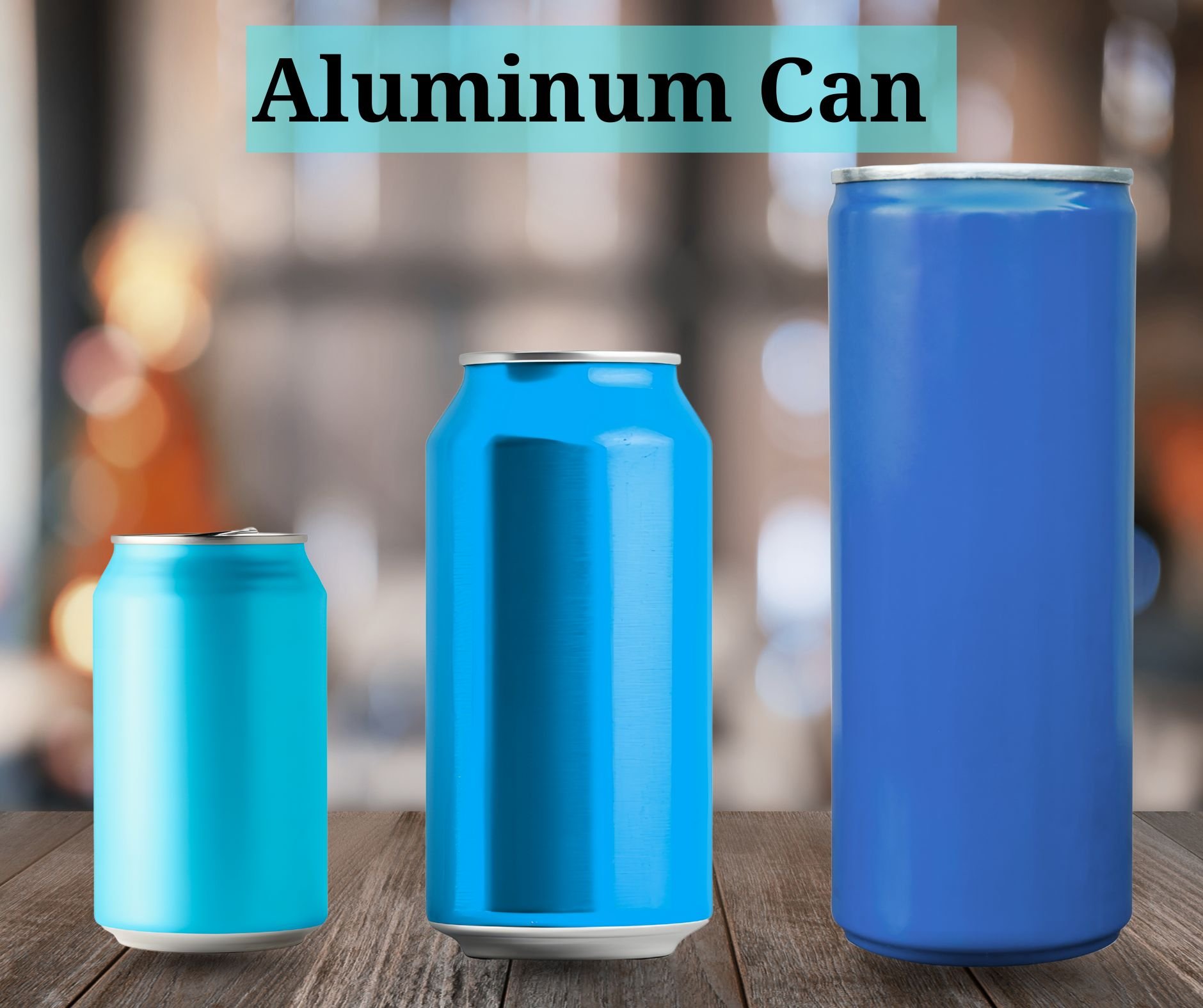
Aluminium cans suit carbonated and export drinks, PET bottles suit high-volume and resealable products, and glass suits premium positioning. Weight drives much of the difference: an empty 330 ml can weighs about 13 g, a comparable PET bottle about 15–20 g, and a glass bottle around 200 g, which raises freight cost and breakage risk.
Key facts at a glance
- Cans: full light and oxygen barrier, hold carbonation well, light to ship.
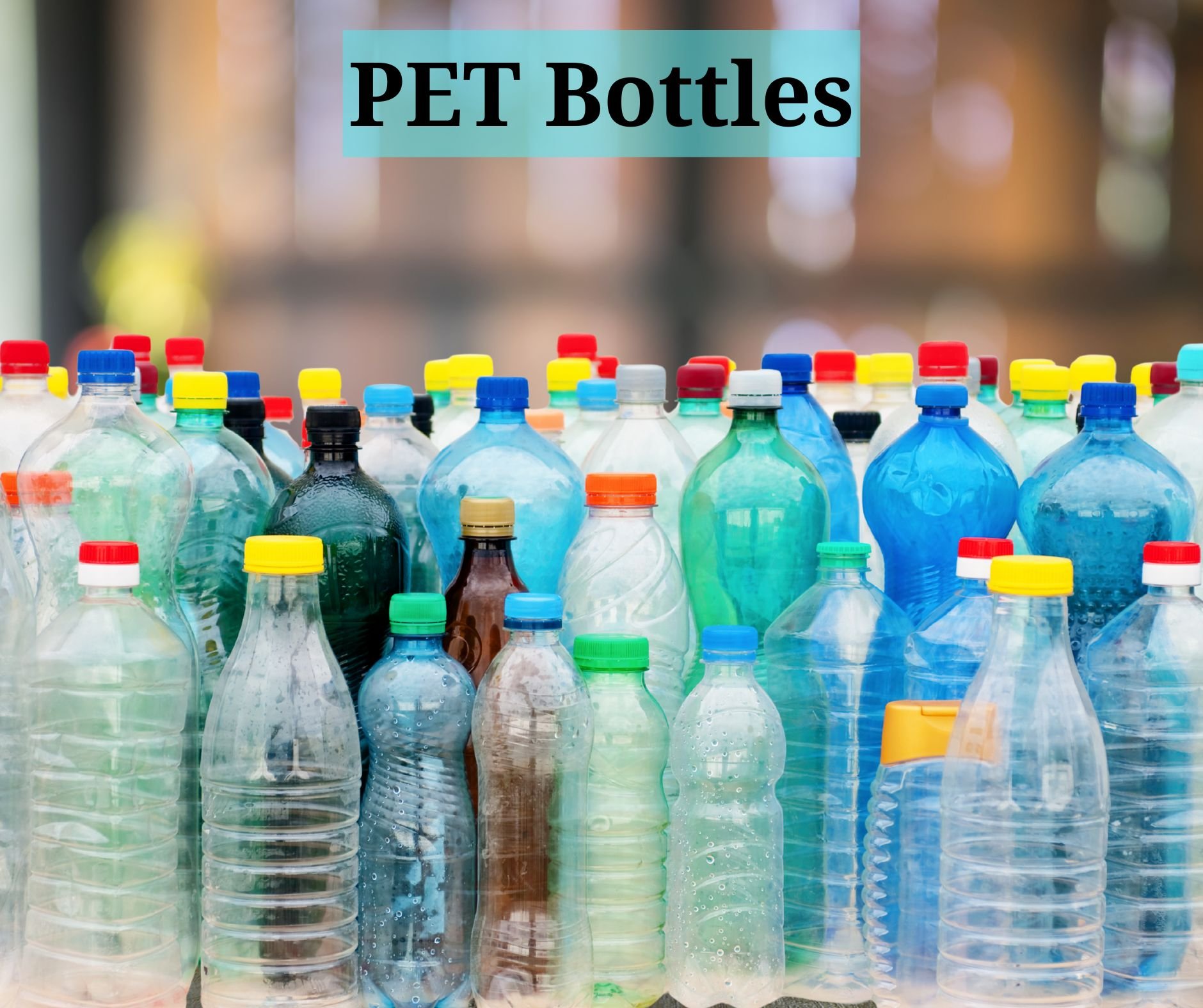
- PET: cheapest per unit in most sizes, resealable, shows the product.
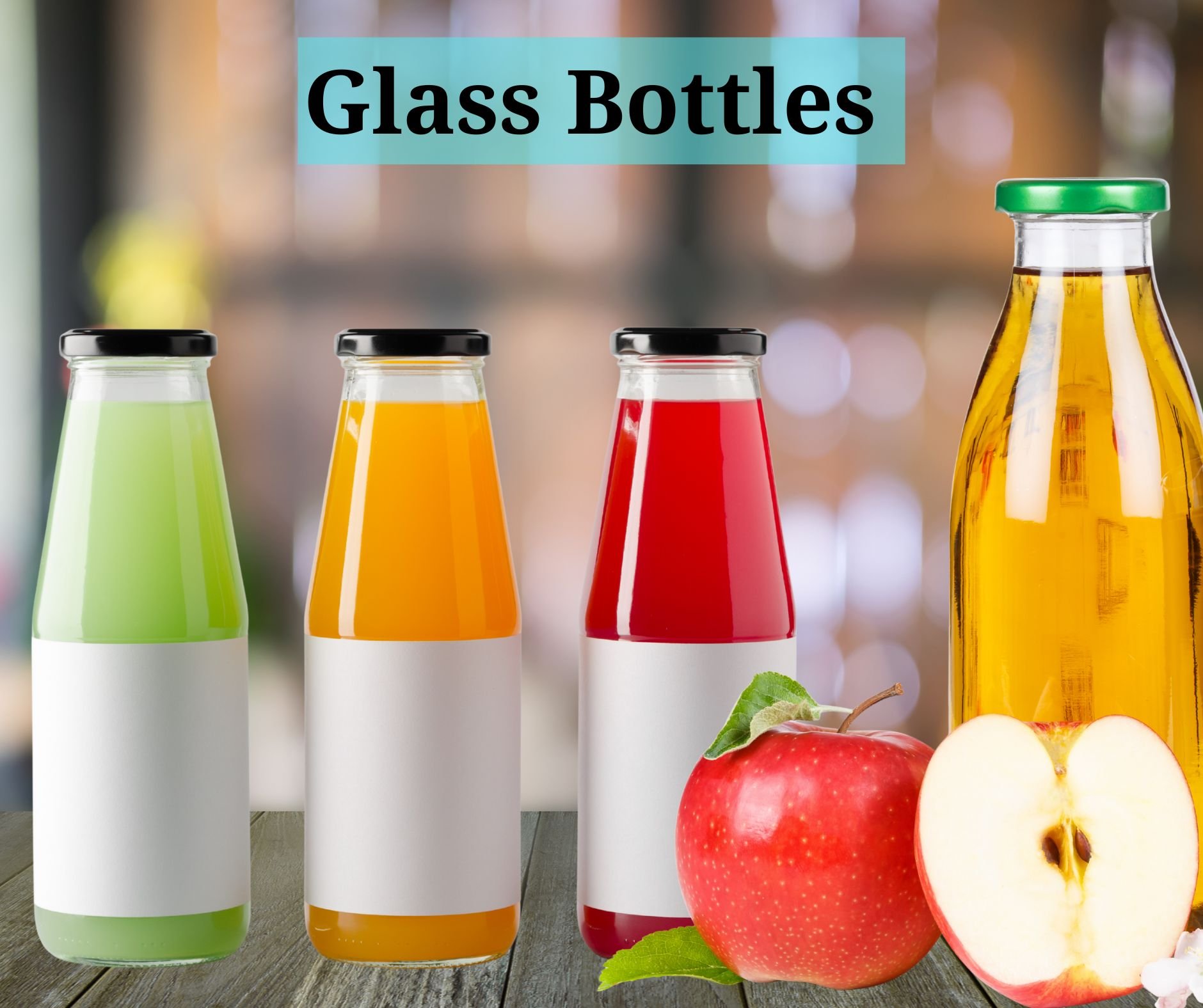
- Glass: premium, inert, but heavy and fragile.
- Recycling: aluminium keeps its value through repeated recycling; PET is widely collected; glass depends on local systems.
- Printed cans usually need large minimum runs; sleeves or labels help small brands.
Side-by-side comparison
| Aluminium can | PET bottle | Glass bottle | |
|---|---|---|---|
| Unit cost | Medium | Low | High |
| Weight (330 ml, empty) | about 13 g | about 15–20 g | about 200 g |
| Light barrier | Complete | Low (clear) to medium (coloured) | Good if amber or green |
| Oxygen and CO₂ barrier | Complete | Moderate; CO₂ slowly escapes | Complete |
| Resealable | No | Yes | Sometimes |
| Breakage | Dents | Very low | High |
| Brand perception | Modern, sporty | Everyday, practical | Premium, craft |
| Best for | Sparkling, energy, export | Water, juice, tea, large packs | Premium juice, mixers, HoReCa |
Aluminium cans
Cans chill fast, stack efficiently and protect flavour completely, which is why they dominate carbonated and energy drinks. Their limits are that the drink cannot be seen and cannot be resealed. Custom-printed cans need large orders; small brands often start with plain cans and shrink sleeves.
PET bottles
PET is light, shatter-resistant and cheap, and it shows off colour and inclusions such as nata de coco or chia. Oxygen and CO₂ pass slowly through the wall, so sparkling drinks and oxygen-sensitive juices generally have shorter shelf lives in PET than in cans or glass. Barrier layers and oxygen scavengers narrow the gap at extra cost.
Glass bottles
Glass is inert and signals quality, suiting premium juices, mixers and hotel or restaurant channels. The weight raises freight costs and carbon footprint per litre, and breakage must be managed through packing.
Quick decision guide
- Carbonated or energy drink for export? Can.
- Everyday juice, tea or water, price-sensitive? PET.
- Product with visible pieces? PET.
- Premium or foodservice positioning? Glass.
- Small first run with custom branding? Plain can or PET with sleeve or label.
Frequently asked questions
Which packaging is cheapest for beverages?
PET is usually cheapest per unit, especially in larger sizes. Freight and shelf-life needs can change the overall answer.
Which keeps drinks fresh longest?
Cans and glass, because they block light and oxygen completely. PET allows slow gas exchange.
Are cans better for the environment than PET?
Aluminium is highly recyclable and keeps its value, but its production is energy-intensive. The better choice depends on local recycling rates and recycled content.
Can PET be used for sparkling drinks?
Yes, but CO₂ slowly escapes, so shelf life is shorter than in cans unless barrier PET is used.
Packaging options at ACM Beverage
ACM Beverage fills drinks in cans, PET and glass in Vietnam for OEM and private label customers. See the sparkling drinks, energy drinks and fruit juices. Related reading: beverage packaging customisation and PET bottles for beverage brands.






