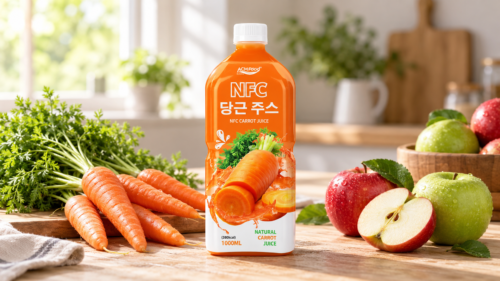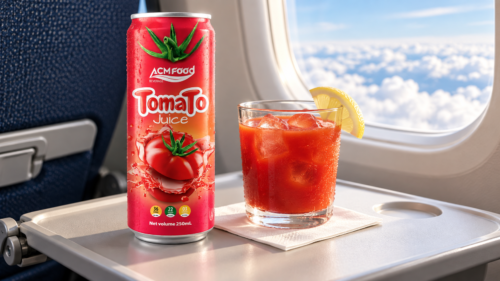


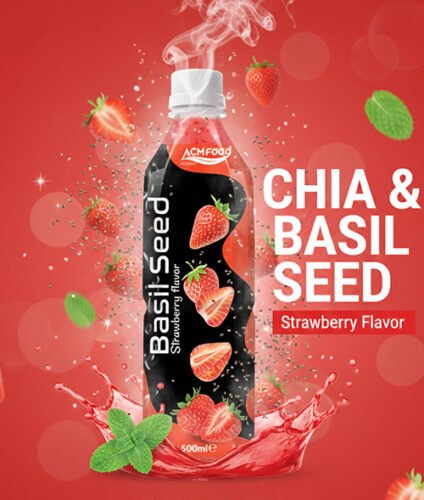

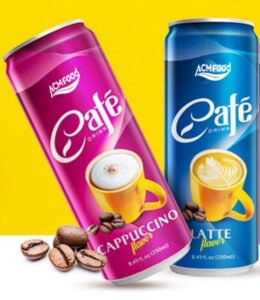

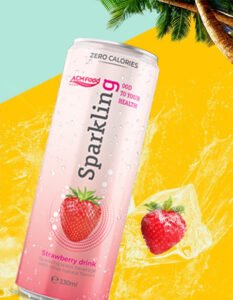

Beverage packaging customization covers the container format, the fill size, the decoration method and the outer packaging that carries the product through the supply chain. These choices are usually treated as a late-stage branding exercise. In practice they are made early, they constrain the product technically, and they account for a substantial share of landed cost.
Packaging also does something no other part of the product does: it protects the liquid from light and oxygen. That protective function varies enormously between materials, which means a format decision is a product quality decision before it is an aesthetic one. This guide works through both dimensions.
Which packaging format suits your product?
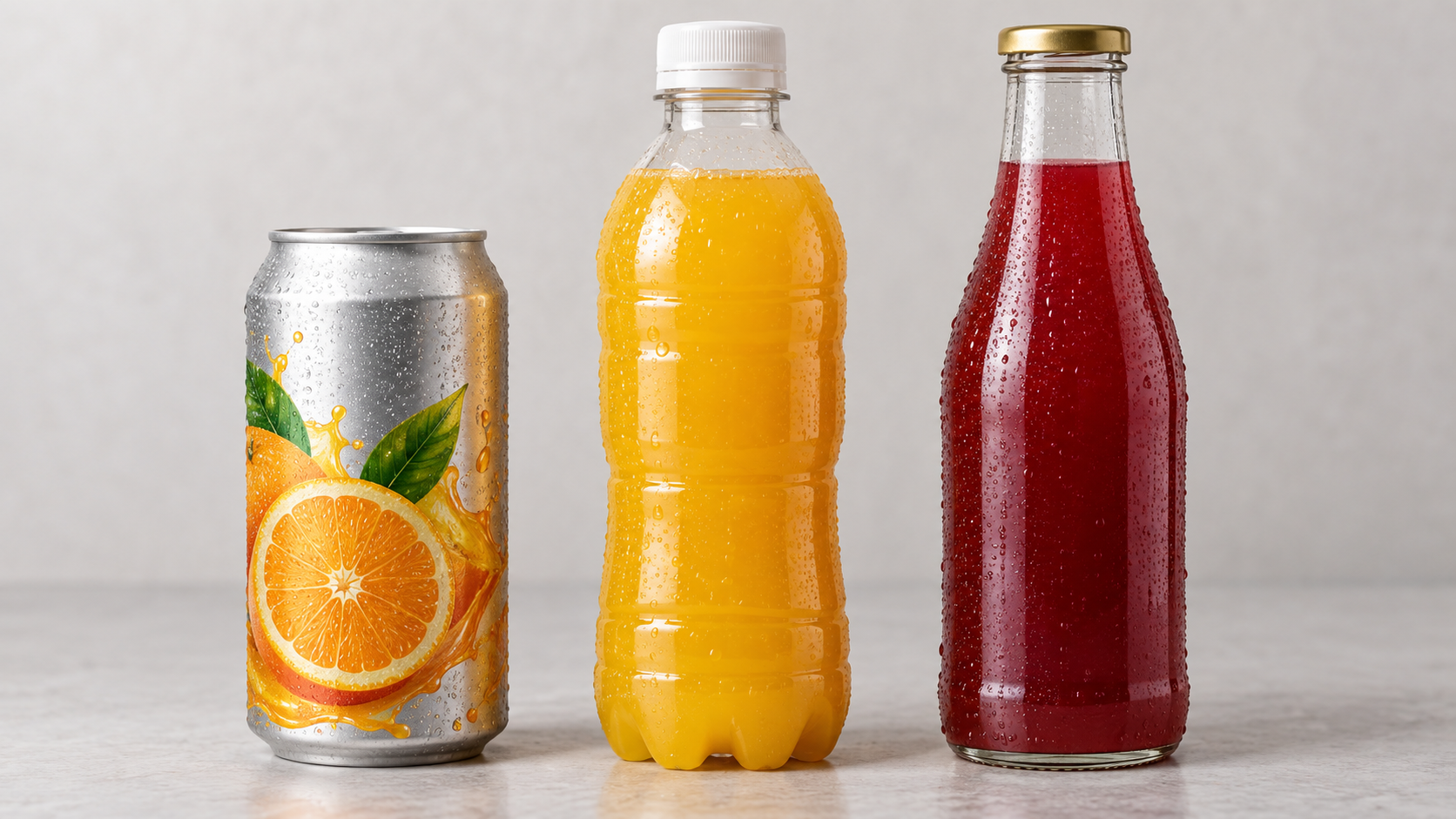
Format selection balances four factors: how much protection the liquid needs, where the product will sell, what price position you are targeting and how far it has to travel. No single material wins on all four, which is why the category supports several formats simultaneously.
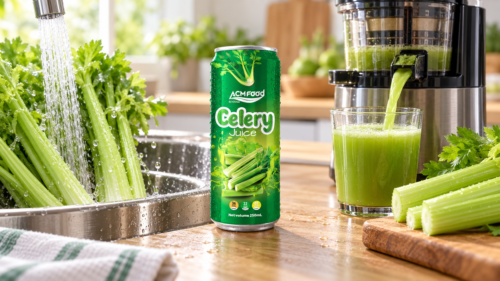
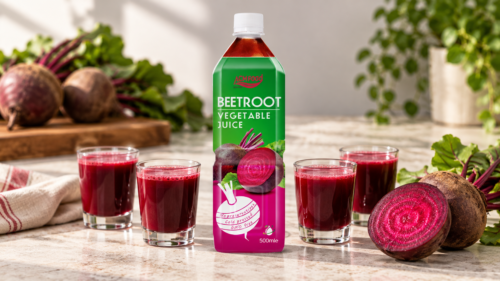
Aluminium excludes light completely, which matters most for pigment-sensitive drinks such as strawberry, grape and pink guava, where colour degrades under exposure. Clear PET shows the product, which helps when the liquid itself is the selling point, but offers no light barrier. Glass carries a premium perception and good barrier properties, at the cost of weight and breakage risk in transit.
| Format | Protection | Commercial character | Main limitation |
|---|---|---|---|
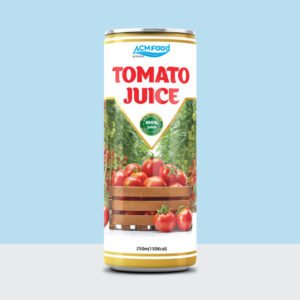
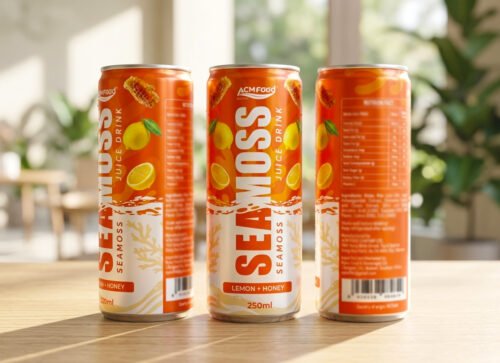
| Aluminium can | Complete light and oxygen barrier | Strong shelf impact, efficient to ship, recyclable | Product not visible to the buyer |
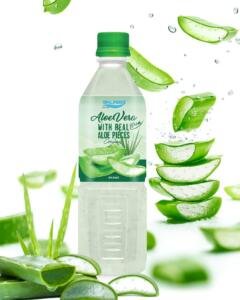
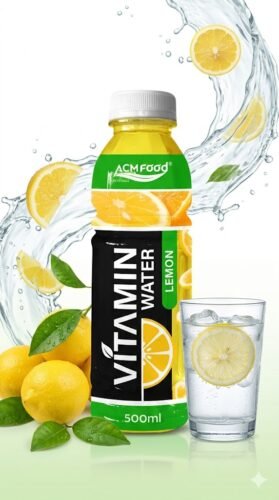
| PET bottle | Limited light barrier | Resealable, light, product visible | Colour and flavour more exposed over shelf life |
| Glass bottle | Good barrier, inert | Premium perception, suits gifting and hospitality | Weight and breakage risk in long transit |
A resealable format matters more than it appears for larger sizes. A drink intended to be consumed over more than one sitting needs a closure, which effectively removes cans from consideration above a certain volume.
What does each size signal on shelf?
Fill size is read by buyers as a signal about occasion and value, not merely as a quantity. Smaller formats read as immediate and individual. Larger formats read as household or shared. Choosing a size that contradicts your channel creates friction that pricing cannot fix.
- Slim cans around 250ml. Compact and modern, suited to impulse purchase and multipack retail where shelf space per unit is tight.
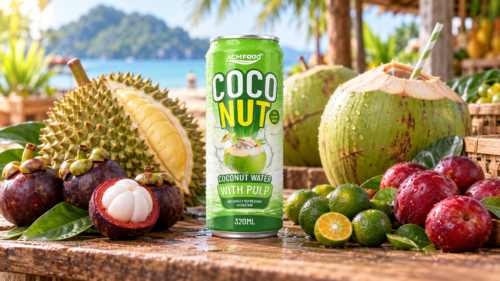
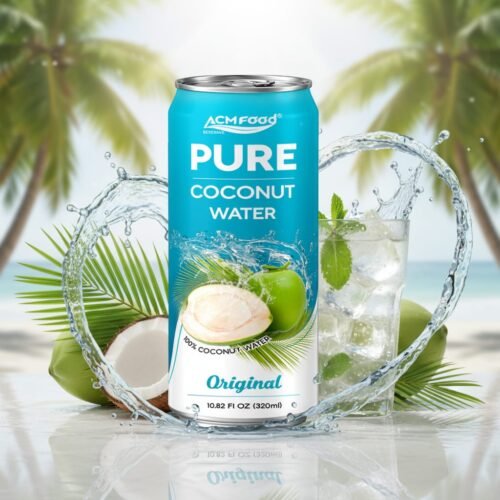
- Sleek cans around 320ml. A taller profile that carries a more premium presentation while remaining single-serve.
- Standard cans around 330ml. The most widely recognised format, familiar across nearly every market and channel.
- 500ml formats. Positioned between single-serve and shareable, common in convenience and on-the-go channels.
- Larger bottles. Household and pantry positioning, where resealability and value per millilitre drive the purchase.
Deciding the channel first usually resolves the size question quickly. A convenience chiller, a supermarket shelf and a gift assortment each favour different formats, and a product designed for one rarely performs in another.
How are labels applied, and does it matter?
Decoration method affects appearance, minimum quantities and how easily you can change artwork later. Printed cans carry the design directly on the body, which gives a seamless finish but ties artwork to can production. Applied labels, whether sleeve or adhesive, are decorated separately and attached during or after filling.
The practical difference is flexibility. Applied labels are generally easier to revise between production runs and suit brands running several variants or testing designs. Direct printing typically produces a higher perceived quality at the cost of less agility. Neither is universally better, and the right answer depends on how settled your artwork is and how many variants you intend to run.

What must appear on the label?
Every destination market sets its own requirements, and these are not adjustable. Common elements include the product name in the correct legal category, the ingredient declaration, net content, date marking, storage conditions, allergen information where relevant, and the details of the responsible business in that market.
The sequencing error that causes most rework is designing artwork before confirming the declaration. The ingredient list and legal product name determine how much space the mandatory content needs, and these are fixed by regulation rather than by design preference. Establishing them first means the creative work happens within a layout that will actually clear review.
Where packaging cost actually accumulates
Buyers focus on the unit price of the container and underestimate the surrounding costs. Several of the largest variables sit outside the container itself.
- Print setup, which is a one-off cost per design and rises with the number of variants.
- Component minimums, since cans, closures and labels are often ordered in quantities independent of your production run.
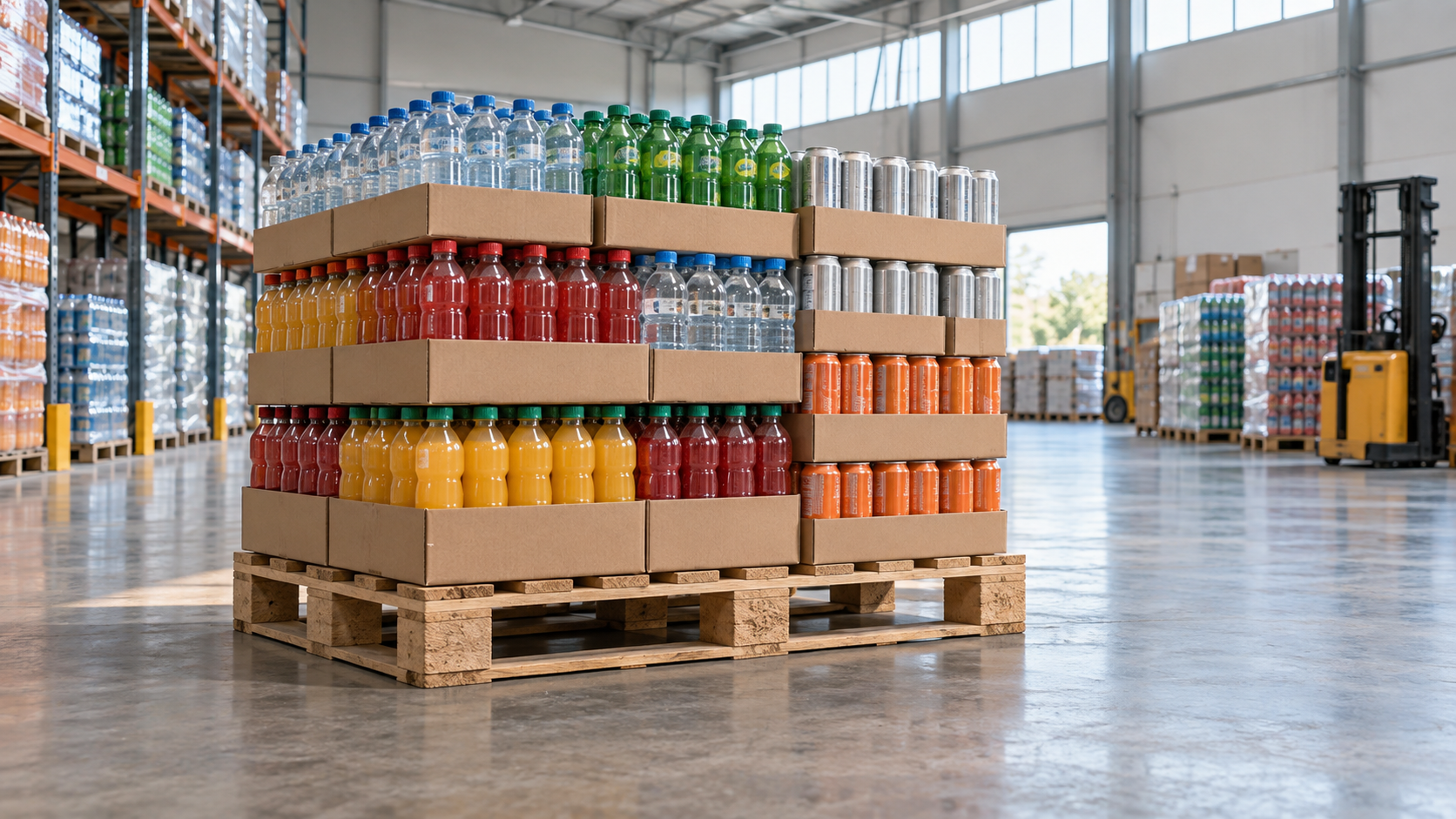
- Case configuration, which determines how many units fit a pallet and therefore your freight cost per unit.
- Shipped weight, where glass carries a permanent freight penalty against aluminium and PET.
- Secondary packaging, including shelf-ready cartons or shrink packs required by some retailers.
- Damage allowance, which differs materially between formats over long transit routes.
Case configuration is the item most often left to the manufacturer by default. Because it directly affects container utilisation, it is worth discussing rather than accepting, particularly on long shipping routes where freight is a meaningful share of landed cost.
Secondary packaging and shelf-ready formats
Secondary packaging is the layer between the individual container and the pallet, and it receives far less attention than the primary pack despite affecting cost, damage rates and retailer acceptance directly.
Many retailers now expect shelf-ready packaging, meaning a case designed to be placed on shelf with minimal handling rather than unpacked unit by unit. This changes the carton specification: it must open cleanly, present the product face outward and hold its structure once partially emptied. A standard shipping carton does none of these things well.
- Case opening. A perforated tear line that opens predictably, rather than requiring a blade at the shelf edge.
- Structural strength. Sufficient rigidity to remain presentable when half the units have been sold.
- Print on the visible face. Branding that continues to work when the case itself is the shelf display.
- Pallet efficiency. A case footprint that divides cleanly into the pallet dimensions used on your route.
The pallet point is the one that most often costs money silently. A case size that leaves unused space on each layer reduces the number of units per container, and that inefficiency is paid on every shipment for the life of the product.
Sustainability considerations that affect listings
Packaging sustainability has moved from a marketing preference to a listing criterion in several retail markets, which makes it a commercial constraint rather than an optional position. The relevant questions are practical rather than philosophical.
Material recyclability differs by format and by the recycling infrastructure of the destination market, so a claim that holds in one country may not hold in another. Aluminium is widely recycled and retains value through the process. PET is recyclable in most markets, though the presence of certain sleeves or closures can complicate it. Glass is recyclable but carries a freight and breakage penalty that has its own environmental cost.
Any environmental claim printed on the label falls under the same regulatory scrutiny as a nutritional one, and unsupported wording is increasingly challenged. Confirm what may be claimed in your destination market before committing artwork, and keep the supporting basis for the claim on file.
Closures, resealability and consumption occasion
Closure choice looks like a detail and behaves like a positioning decision. A container that cannot be resealed commits the buyer to finishing the product in one sitting, which works for single-serve formats and fails for anything larger.
This interacts directly with size. A 500ml drink intended for consumption over an afternoon needs a closure. The same volume positioned as an immediate refreshment for an active occasion may not. Deciding the occasion before the format resolves the question, whereas deciding the format first often produces a product that does not match how it will actually be consumed.
Closure type also affects the production line and the component supply chain, so it is worth confirming which options are available on the format you have chosen rather than assuming all combinations exist.
Transit damage and how packaging absorbs it
Long export routes subject packaging to handling, temperature variation and vibration that domestic distribution does not. Damage rates differ materially between formats, and the difference is paid on every shipment.
- Cans. Resist breakage well but can dent under compression, particularly on upper pallet layers.
- PET. Light and difficult to break, though it can deform under sustained heat in transit.
- Glass. Offers the best barrier and the highest breakage exposure, requiring more protective secondary packaging.
- Carton quality. Often the real variable, since a weak outer case transfers stress to the containers inside it.
Asking what damage allowance a supplier assumes for your route is a more useful question than asking whether packaging is robust. The answer tells you how the risk has been priced and who carries it.
Frequently asked questions
Can I run the same drink in more than one format?
Often yes, but each format may require its own validation because the protective environment differs. Confirm which formats a product already runs in before planning a multi-format range, since existing formats are quicker to access than new ones.
Do I need a different design for each market?
The mandatory information must match each market’s rules, so at minimum the declaration panel changes. The brand-facing design can usually stay consistent, which is why many brands build a shared visual system with a market-specific information panel.
Is aluminium always the better choice for juice?
It is the stronger choice where colour and flavour protection matter most, particularly for pigment-rich fruits. Where resealability or product visibility is more important to the buying decision, PET may serve the product better despite the weaker barrier.
How early should packaging be decided?
Earlier than most brands expect. Format constrains which formulas are available, affects shelf life validation and drives component lead times, so leaving it until after the liquid is chosen frequently forces a compromise on one or the other.
Making packaging decisions in a workable order
Packaging customization works best when the protective requirement and the channel are settled before the creative work begins. Those two constraints narrow the format and size options quickly, and what remains is a genuine design choice rather than a compromise negotiated against technical limits discovered late.
From there the questions become concrete: which formats the product already runs in, what the declaration must contain for your market, and how case configuration affects your landed cost. You can send your packaging requirements to our team once the channel and market are defined, and our supplier background outlines the formats we produce across. For a view of how format choice supports positioning in practice, the growth of sparkling juice in can formats illustrates the relationship between packaging and category perception.