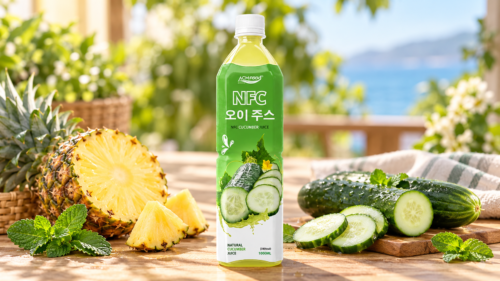
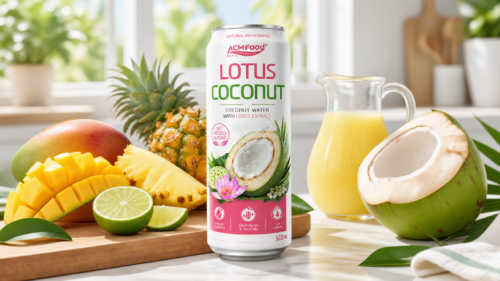
Product sampling lets a buyer taste, test and check a beverage before signing a production order. In an OEM or ODM project it confirms flavour, sweetness, packaging and label, reveals problems while they are still cheap to fix, and sets the reference standard for bulk production. A typical beverage sampling process at ACM runs in 5 steps, from brief to feedback.
Why is sampling important in OEM/ODM collaboration?
- Confirms the product: the buyer tastes the actual liquid and sees the pack before committing.
- Reduces risk: changes to flavour, sugar or label are easy at sample stage and costly after production.
- Sets the standard: the approved sample becomes the reference for every production batch.
- Supports market testing: samples can be shown to distributors or tested with consumers.
- Builds trust: a well-prepared sample shows how the manufacturer works.
How does the sampling process work?
Step 1: Agree the brief
- Flavour and formula: taste profile, sweetness, acidity and any functional ingredients for the target market.
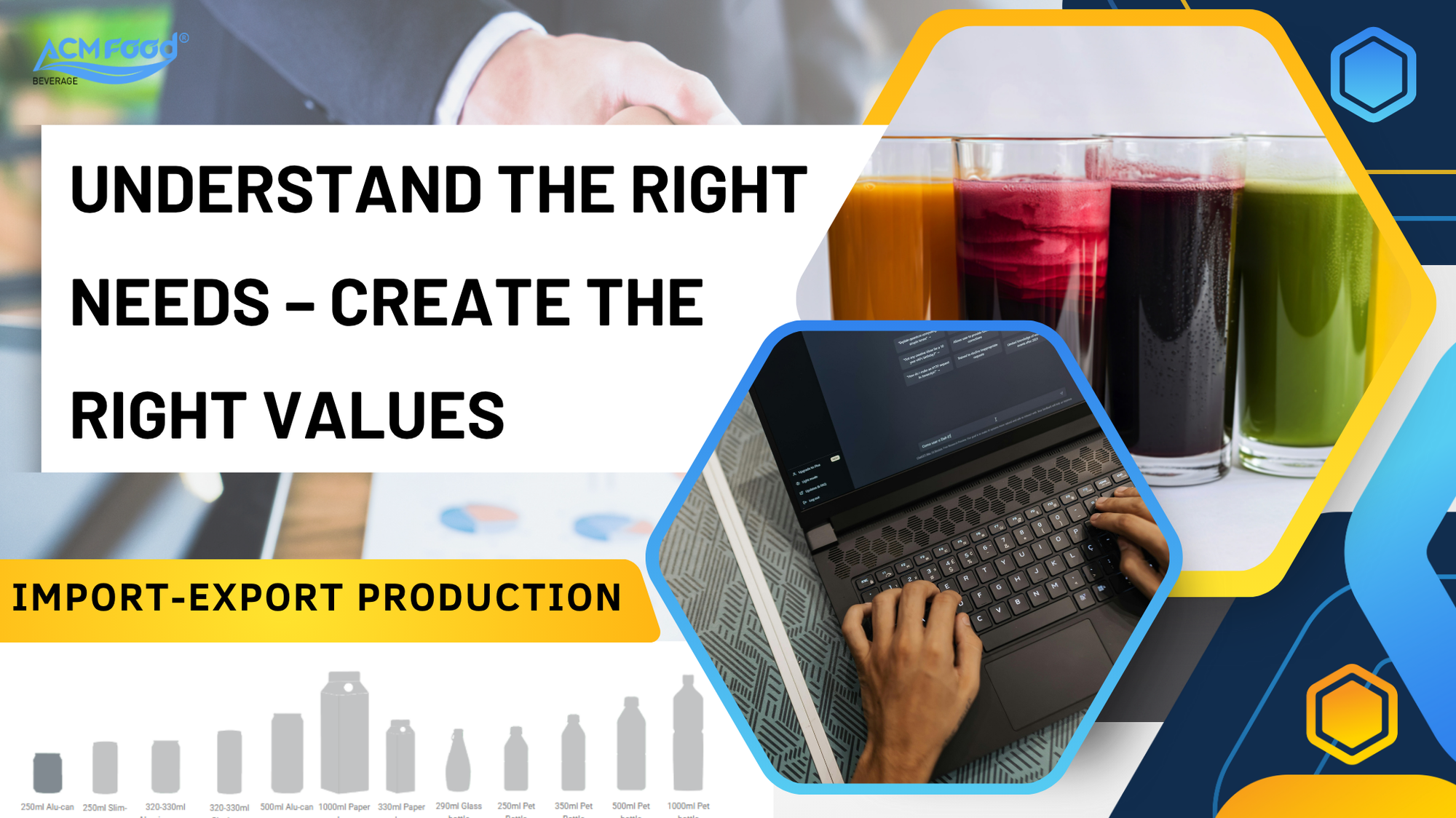
- Packaging: can or bottle type and size (for example 250 ml, 330 ml, 500 ml or 1 L).
- Label: the buyer’s private-label design or an ACM brand.
- Quantity: enough units for tasting, internal tests and distributor presentations.
- Costs: sample and courier costs agreed upfront.
Step 2: Prepare the samples
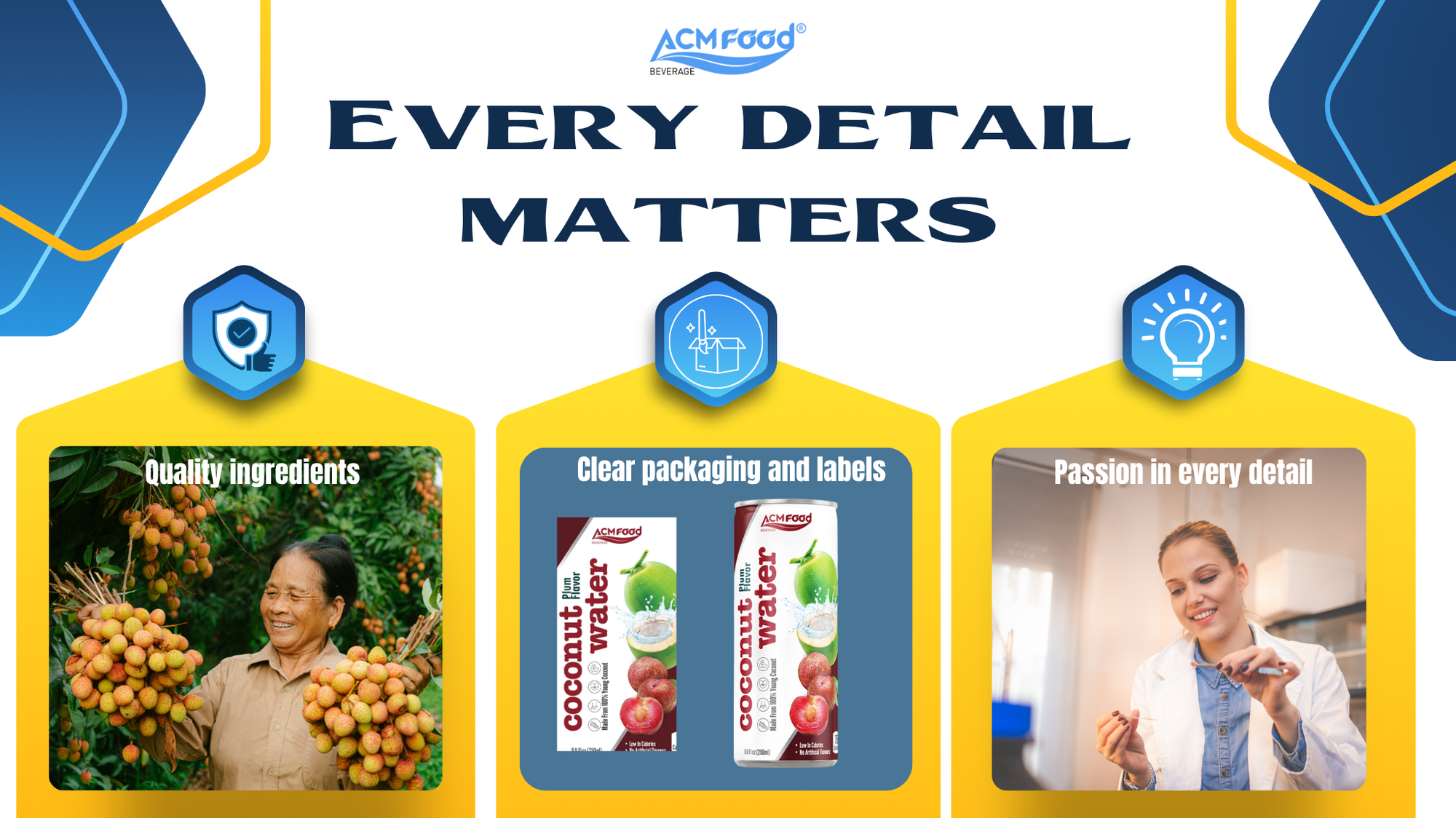
Samples are made with the same ingredients and process parameters planned for commercial production, so the taste matches what will ship. Existing products can be sent quickly; new or adjusted formulas need extra time for development and stability checks.
Step 3: Pack and protect
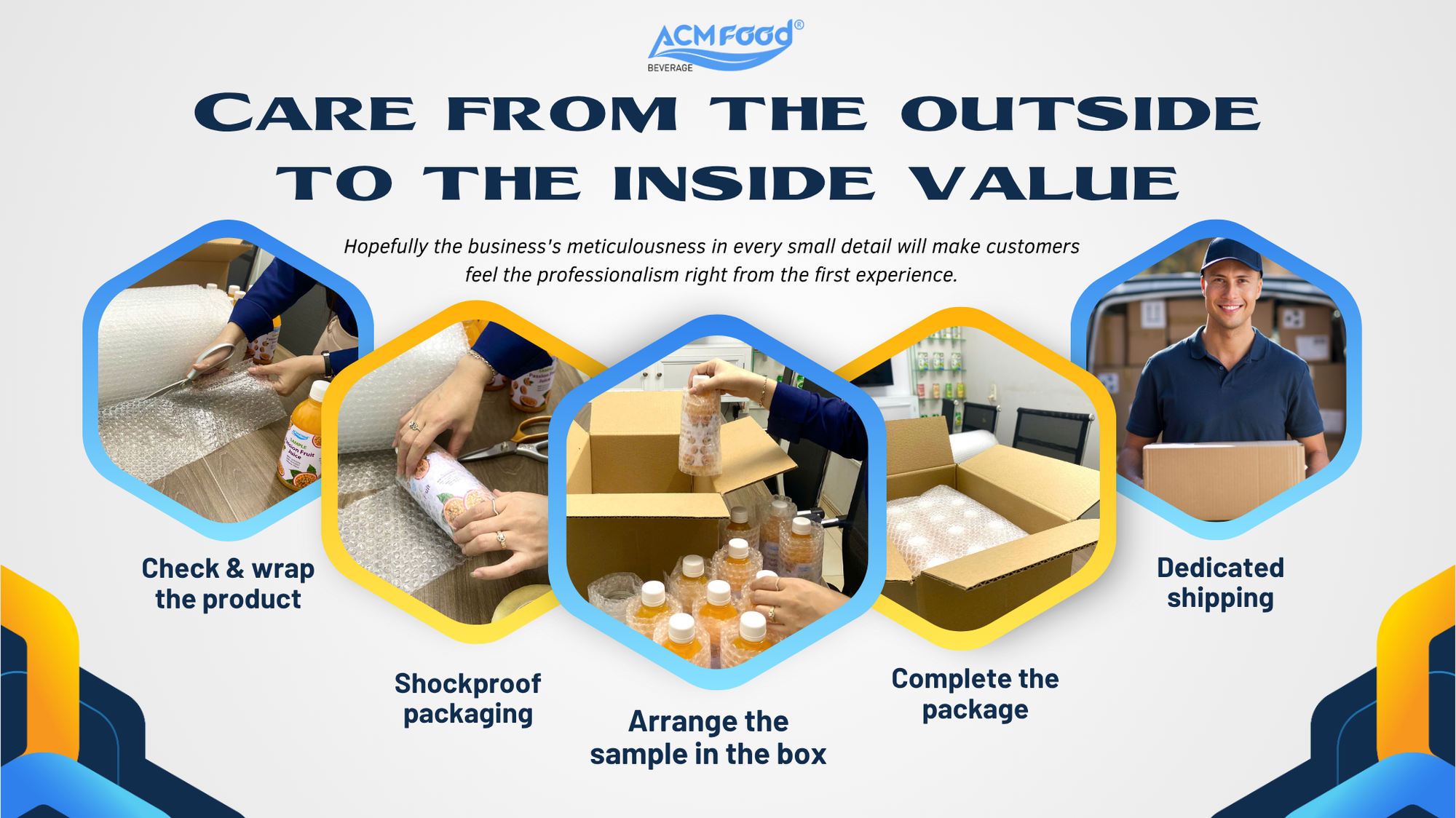
- Each can or bottle is wrapped individually and cushioned in a sturdy carton.
- Handling labels such as “Fragile” or “Keep away from heat” are added where needed.
- A specification sheet and product list are included so the buyer knows exactly what was sent.
Step 4: Ship and track
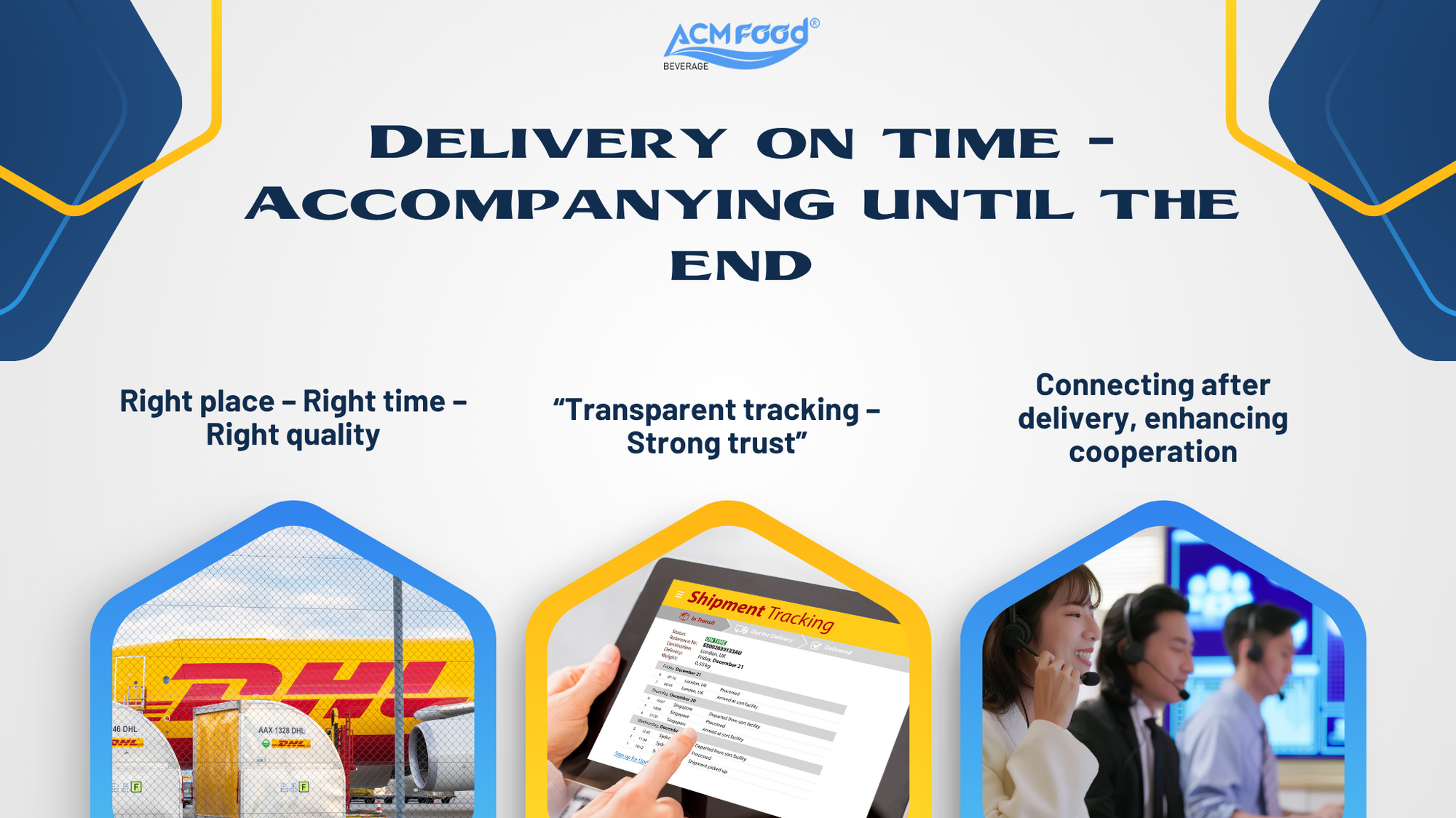
Samples go by international courier with a tracking number. Some countries have import rules for food samples, so check whether the shipment needs documents such as a commercial invoice or ingredient list.
Step 5: Collect feedback and refine
After tasting, the buyer shares comments on flavour, sweetness, colour and pack. The formula or artwork is adjusted and a revised sample is sent if needed, until the buyer approves.
How should buyers evaluate a beverage sample?
- Taste it chilled, the way consumers will drink it.
- Compare it side by side with leading products in your market.
- Check the ingredient list against your market’s labelling rules.
- Inspect the can or bottle, seal and print quality.
- Ask for the specification sheet and shelf-life conditions.
Related guides: private label from existing formulas and custom beverage formulas.
Frequently asked questions
How long does it take to receive samples?
Existing products can usually be sent quickly; custom formulas take longer because they need development. International courier adds several days depending on destination.
Are samples free?
Sample and shipping costs are agreed with each buyer before dispatch.
Will bulk production taste the same as the sample?
It should. The approved sample is the reference standard, and production batches are checked against it.
Can I get samples with my own label?
Yes, private-label mock-ups can be prepared so you can see the finished look.
Ready to start? Contact ACM to request samples.