
The Strategic Rise of 100 Orange Juice in the Global RTD Beverage Market

The Strategic Rise of 100 Orange Juice in the Global RTD Beverage Market

Introduction: The global beverage aisle is a battlefield where authenticity now wins wars. As consumers relentlessly pursue health and transparency, the ready-to-drink (RTD) segment is undergoing a seismic shift away from artificiality. This analysis delves into the strategic emergence of pure, 100% fruit juices as a dominant force, examining the market dynamics, manufacturing imperatives, and distribution strategies that define success. We explore how products like a simple orange juice are reshaping business models, forcing agility in OEM partnerships, and unlocking new avenues for growth in an increasingly discerning and health-focused marketplace.

Market Dynamics and the Launch of a Pure Juice Contender

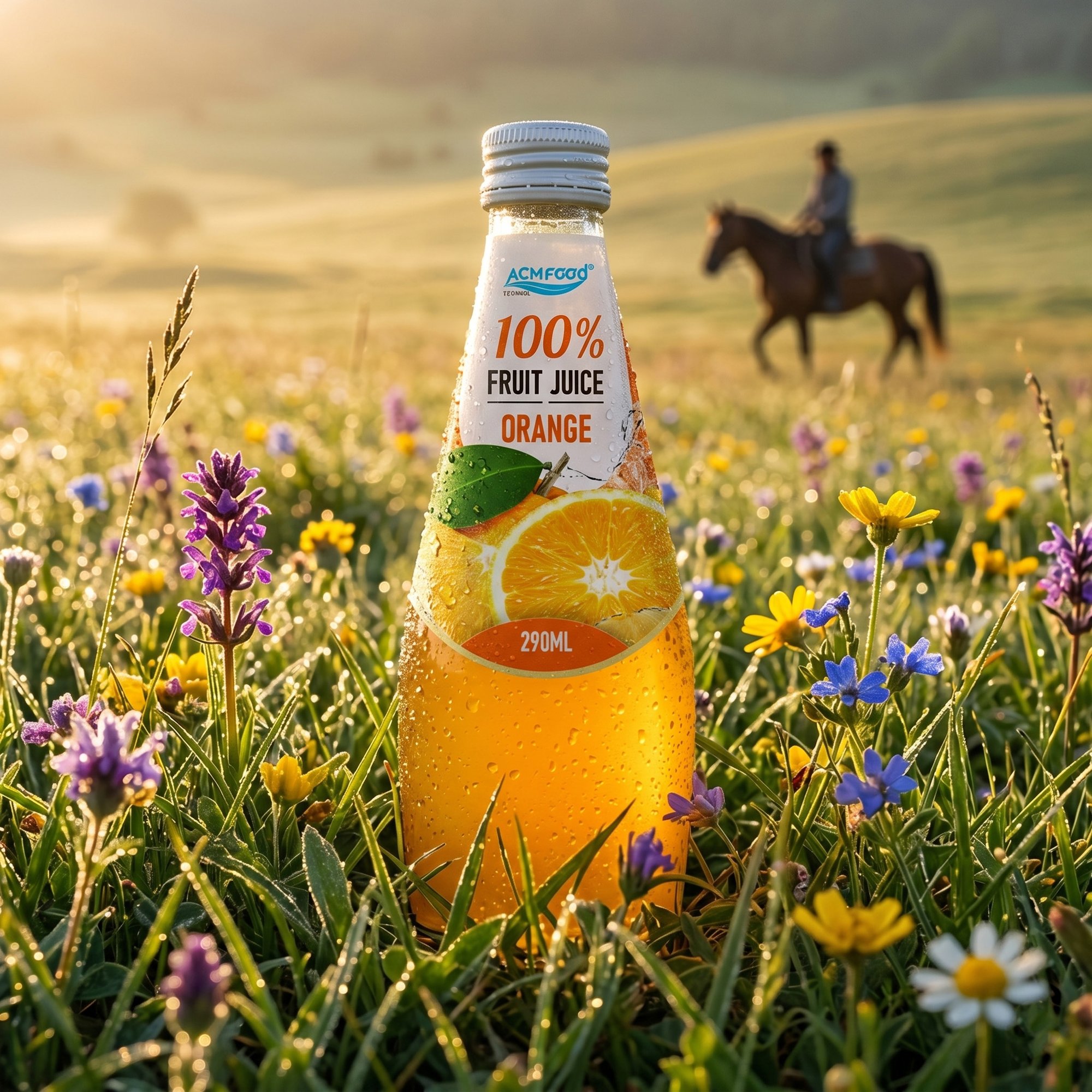
The global ready-to-drink (RTD) beverage sector is experiencing a profound transformation. Consumer preferences are shifting decisively away from heavily processed, sugar-laden options toward products perceived as natural and healthful. This pivot is not merely a trend but a fundamental market realignment, creating both immense pressure and lucrative opportunities for manufacturers and brands. Within this volatile landscape, the introduction of a product like the 290ml ACM 100 Orange Juice represents a strategic response to clear consumer demand signals. Its positioning as a 100% juice offering directly targets the growing health-conscious segment, a move that savvy business operators are watching closely.

This market expansion is fueled by a global wellness movement. Consumers now scrutinize ingredient lists with unprecedented rigor, seeking transparency and functional benefits from their beverage choices. The functional drink category, which includes pure fruit juices, is capitalizing on this demand by offering inherent nutritional value. For private label beverage companies and distributors, aligning with this movement is no longer optional but a core business strategy for sustained growth and relevance in a crowded marketplace.

Product Analysis and Innovation in a Saturated Segment

The ACM 100 Orange Juice carves its niche through a commitment to purity. Its primary ingredient is simply orange juice, with no added sugars, preservatives, or artificial flavors. This formulation is its most significant innovation in a segment often diluted with concentrates and sweeteners. The product’s unique selling proposition (USP) hinges on delivering an authentic, unadulterated orange juice experience in a convenient 290ml format, appealing to consumers seeking both health and convenience without compromise.

Product Analysis and Innovation in a Saturated Segment

This positioning as a premium, health-focused beverage is a calculated market entry. It differentiates itself from mainstream juice drinks by emphasizing its 100% juice composition. For a beverage manufacturer, developing such a product requires robust sourcing and processing capabilities to maintain consistent quality and taste. The 290ml single-serve bottle also speaks to the on-the-go consumption trend, making it suitable for retail channels, foodservice, and health-conscious institutions looking to upgrade their beverage offerings.

Packaging and Formulation Synergy

The chosen packaging format plays a critical role in the product’s market appeal. A 290ml bottle is ideal for single-serve consumption, reducing waste and aligning with portion-control preferences. This practical design consideration enhances the product’s overall value proposition for distributors and retailers. It fits seamlessly into coolers, lunchboxes, and grab-and-go retail displays, facilitating impulse purchases and repeat buys from consumers seeking a reliable, healthy option.

Consumer Trends and the Demand for Authenticity

Current beverage trends are unequivocally favoring clean-label products. The demand for authenticity and traceability is reshaping procurement strategies across the supply chain. A product like this orange juice, which implicitly promises a simple, recognizable ingredient list, directly addresses this consumer mandate. This shift presents a clear opportunity for brands to build trust and loyalty by partnering with manufacturers capable of delivering on these clean-label promises.

The growth of the functional drink market extends beyond mere hydration or taste. Consumers increasingly seek beverages that contribute to their overall well-being, with vitamin C-rich orange juice being a perennial favorite for immune support. This aligns the product with the broader functional beverage movement. For businesses exploring the fresh fruit juice category, understanding these nuanced demand drivers is essential for portfolio development and targeted marketing campaigns that resonate with end-users.

Business Strategy and Distribution Channels for Growth

Successful market penetration for a product like this requires a multifaceted distribution strategy. Potential channels include mainstream supermarkets, health food stores, online grocery platforms, corporate wellness programs, hotels, and airlines. The key is aligning the product’s health and premium positioning with retail environments that cater to a discerning clientele. For a beverage manufacturer, demonstrating flexibility in packaging, labeling, and minimum order quantities (MOQ) is crucial to capturing business from diverse partners, from large retail chains to niche health brands.

The private label beverage sector represents a particularly potent channel for expansion. Retailers are aggressively developing their own branded health-oriented lines to capture higher margins and foster customer loyalty. A manufacturer offering OEM and private label services for a 100% juice product can become a strategic partner for these retailers. The ability to provide custom formulation, compliant labeling, and reliable volume production becomes a significant competitive advantage in securing long-term contracts.

The Export Equation and Regulatory Hurdles

Market expansion inevitably looks toward international opportunities. Regions like the European Union, with its strict food labeling laws and health-conscious population, are prime targets for a clean-label juice. The United States offers a massive market for functional and natural beverages, though it requires navigating FDA regulations. The Middle East and Asia present growth markets where premium, imported health foods are gaining traction. However, each region has distinct import regulations, shelf-life requirements, and taste preferences that must be meticulously addressed in the product strategy and manufacturing process.

Expert Commentary on Manufacturing Agility

Industry analysts emphasize that the future belongs to agile manufacturers. The capacity to pivot production lines for small-batch, customized orders is becoming as valuable as large-scale efficiency. For distributors looking to test new markets or launch limited-edition lines, evaluating a manufacturing partner’s low-MOQ capabilities is a strategic imperative. This agility reduces financial risk and allows for faster response to emerging trends, a critical factor in the fast-moving consumer goods (FMCG) space.

Furthermore, expertise in aseptic processing and packaging is a key differentiator. It ensures product safety, extends shelf life without preservatives, and maintains nutritional integrity—all vital for a 100% juice product targeting health-aware consumers. Manufacturers that invest in this technology and can articulate its benefits to B2B clients position themselves as leaders in quality and innovation. Exploring a partner’s full range, such as their capabilities in sparkling water drinks, can also reveal their breadth of expertise in different beverage segments.

Future Outlook and Evolving Consumer Palates

The trajectory for pure juice and functional beverages remains strongly positive. However, future innovation may blend categories, such as fortifying juices with additional vitamins, botanicals, or even combining them with other healthy bases like sparkling water. The next wave of growth will likely come from hyper-specific functional claims, sustainable packaging breakthroughs, and even more transparent supply chains. Beverage brands that wish to stay ahead must therefore partner with R&D-forward manufacturers capable of co-developing the next generation of health-forward drinks.

Future Outlook and Evolving Consumer Palates

Sustainability will move from a marketing bonus to a non-negotiable table stake. This encompasses sourcing (e.g., sustainably farmed oranges), energy-efficient production, and end-of-life packaging solutions. For OEM and private label partners, a manufacturer’s sustainability credentials will increasingly influence partnership decisions, as end-consumers hold brands accountable for their environmental footprint. The entire value chain must adapt to this holistic view of product value.

FAQ

What is the ACM 100 Orange Juice and its primary market appeal?

The 290ml ACM 100 Orange Juice is a ready-to-drink beverage positioned as 100% pure orange juice with no added sugars or preservatives. Its primary appeal lies in targeting health-conscious consumers seeking authentic, clean-label beverage options within the convenient RTD format.

What are typical MOQ requirements for OEM beverage production like this?

Minimum Order Quantities (MOQ) vary significantly by manufacturer and complexity. For a standard product like a 100% juice, competitive OEM partners often offer flexible MOQs, sometimes starting from 10,000 to 50,000 units for private label, allowing smaller brands to enter the market without prohibitive upfront inventory costs.

Which international markets are most promising for exporting pure fruit juice?

Key export markets include the European Union (demanding high quality and clean labels), North America (large functional beverage market), and developed Asian economies like Japan and South Korea. Success depends on meeting each region’s specific food safety standards, labeling laws, and taste profile preferences.

How does a 100% juice product fit into current functional beverage trends?

Perfectly. It aligns with the demand for natural functionality—providing vitamins (especially Vitamin C), antioxidants, and hydration without artificial additives. It’s a foundational functional drink that fits within the broader fresh fruit juice category’s growth driven by wellness.

What should a brand look for in an OEM partner for a health-focused juice?

Prioritize partners with proven expertise in aseptic processing to ensure safety and shelf-life, transparent and ethical sourcing, flexibility in formulation and packaging, strong regulatory compliance knowledge for target markets, and a commitment to quality control that aligns with a premium, health-oriented brand image.

Leave a Reply

Your email address will not be published. Required fields are marked *