
The global ready-to-drink beverage landscape is undergoing a fundamental recalibration, driven by an uncompromising consumer demand for purity and transparency. At the forefront of this shift is the resurgence of simple, authentic products like 100% pure fruit juice. This analysis delves into the market forces, production strategies, and B2B opportunities surrounding this segment, using a flagship pure apple juice product as a central case study. We examine how clean-label formulations are not just a passing trend but a strategic imperative for manufacturers and distributors aiming to capture value in a health-conscious, convenience-driven marketplace.
Contents
- 1 Market Dynamics and the Launch of a Pure Play
- 2 Product Analysis and Innovation in Simplicity
- 3 Consumer Trends and Market Demand Drivers
- 4 Business Strategy and Distribution Channels
- 5 Expert Commentary and Industry Perspective
- 6 Future Outlook and Strategic Imperatives
- 7 FAQ
- 7.1 What are the key health benefits of 100% pure apple juice?
- 7.2 What is the typical MOQ for OEM beverage production like this?
- 7.3 Which export markets are most promising for pure fruit juices?
- 7.4 How does private label beverage production work with a manufacturer?
- 7.5 What are the main challenges in producing a shelf-stable pure juice?
Market Dynamics and the Launch of a Pure Play
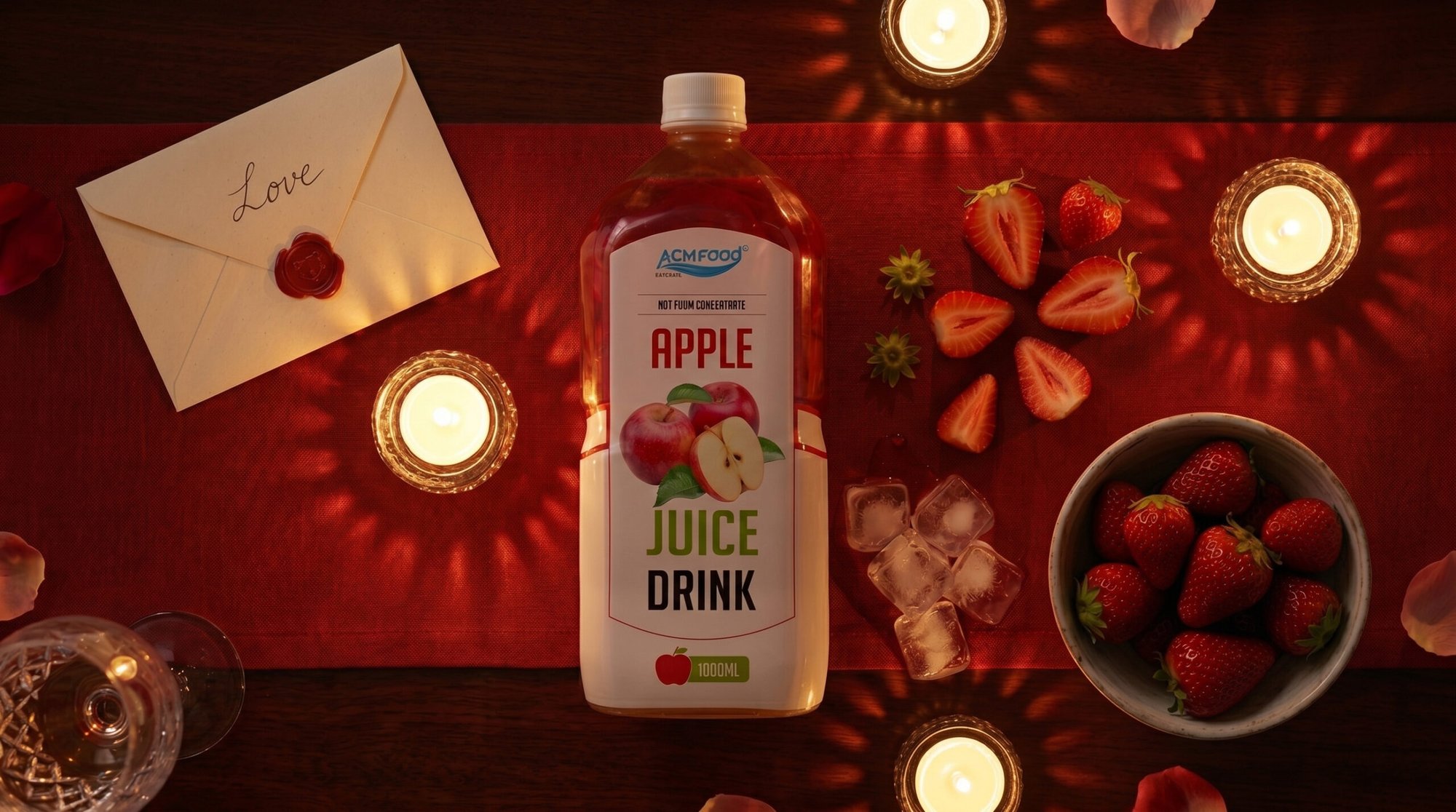
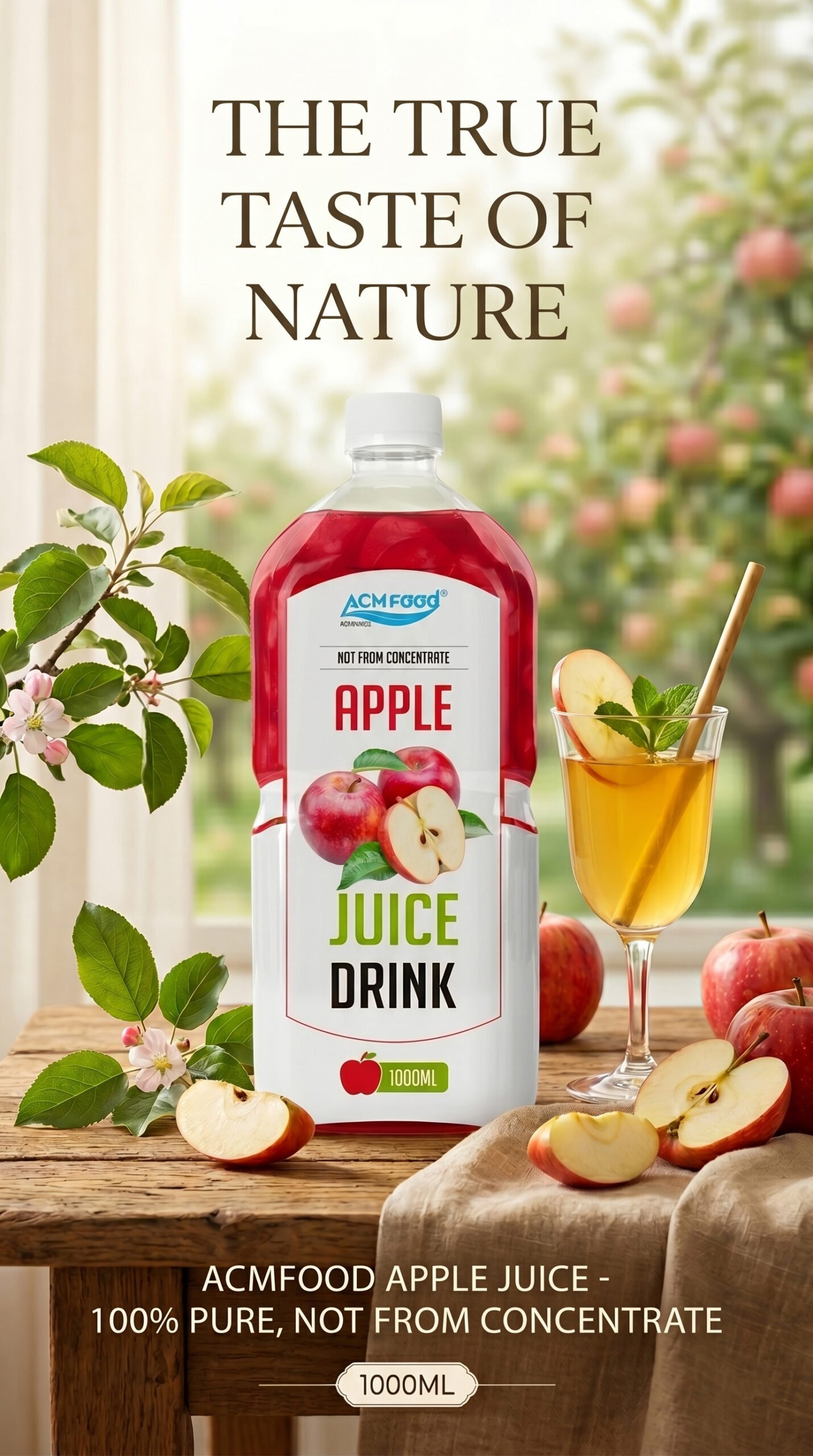
The global beverage sector faces intense competitive pressure. Brands and distributors are scrambling for differentiation in a saturated marketplace. This pressure has catalyzed a significant shift towards clean-label, functional offerings. The launch of a 100% Pure Apple Juice 1L PET Bottle exemplifies this strategic pivot.
This product directly addresses the modern consumer’s demand for transparency. Its formulation avoids artificial additives and excessive sugars. Such a move is not merely a product launch but a market statement. It signals a manufacturer’s commitment to foundational health trends.
Competition in the juice segment is particularly fierce. Supermarket shelves are packed with options claiming various health benefits. The challenge for any new entrant is cutting through this noise. A pure, no-compromise formula becomes a powerful tool for brand positioning.
For a beverage manufacturer, this requires robust sourcing and processing capabilities. Consistency in taste and quality is paramount for repeat purchases. The choice of a 1L PET bottle format also speaks to convenience and family consumption. This combination creates a compelling value proposition for both retailers and end-users.
Product Analysis and Innovation in Simplicity
The pure apple juice stands out through its deliberate simplicity. Its primary ingredient is 100% apple juice, with no added water, sugar, or preservatives. This clean-label approach is its core innovation in an era of complex ingredient lists. It builds immediate trust with a health-conscious shopper.

The product is positioned squarely within the health and wellness category. It leverages the inherent nutritional benefits of apples, including vitamins and antioxidants. The packaging in a 1L PET bottle offers practical benefits like portability and resealability. This makes it suitable for various consumption occasions, from lunchboxes to home refrigerators.
Its unique selling proposition is authenticity. In a market rife with ‘juice drinks’ and concentrates, a 100% pure claim is a powerful differentiator. This authenticity is the cornerstone of its brand story. It appeals to consumers seeking a return to natural, unprocessed foods.
The OEM and Private Label Opportunity
This product archetype presents a significant opportunity for private label expansion. Retailers can leverage such a formula to build their own health-focused beverage lines. A reliable fresh fruit juice manufacturer becomes a critical partner in this endeavor. They provide the technical expertise in pasteurization and shelf-stable formulation.
OEM capabilities allow for customization in sweetness, blend, or fortification. A manufacturer might offer variants with added vitamin C or other functional ingredients. This flexibility is key for brands targeting specific consumer niches. The agility to produce smaller MOQ runs can also lower the barrier to entry for new brands.
Consumer Trends and Market Demand Drivers
Health and wellness remain the dominant force shaping beverage purchases. Consumers are increasingly scrutinizing labels for artificial ingredients and high sugar content. A pure fruit juice aligns perfectly with this label-reading behavior. It serves as a guilt-free alternative to sodas and artificially sweetened drinks.
The demand for convenience continues to grow unabated. Ready-to-drink formats like this 1L bottle cater to on-the-go lifestyles and family needs. The PET packaging is lightweight and shatter-resistant, enhancing its practicality. This combination of health and convenience is a potent market driver.
There is also a rising interest in provenance and sustainable sourcing. Consumers want to know where their food and drinks originate. Beverage manufacturers that can trace their apple supply chain gain a further advantage. This transparency can be a key part of a premium or ethical product positioning.
The Functional Beverage Convergence
The line between traditional juice and functional drinks is blurring. While this apple juice is a classic product, the market is moving towards enhanced functionality. This creates a roadmap for future innovation around this core. Think of juices fortified with adaptogens, probiotics, or additional vitamins.
For a sparkling water drink manufacturer, this trend might mean creating sparkling juice infusions. The carbonated segment is ripe for fusion with pure fruit flavors. This demonstrates how category boundaries are dissolving. Strategic manufacturers are building portfolios that span these converging segments.
Business Strategy and Distribution Channels
Effective distribution is the lifeblood of any successful beverage brand. For a product like pure apple juice, multiple channels must be leveraged simultaneously. Traditional grocery retail provides volume and household penetration. Health food stores and organic supermarkets offer premium positioning and higher margins.
The foodservice and hospitality sector represents another critical avenue. Hotels, restaurants, and cafes seek consistent, high-quality ingredients for their menus. A 1L format is ideal for back-of-house use in kitchens and bars. Building relationships with distributors specializing in these channels is a strategic imperative.
E-commerce for beverages is accelerating, especially for bulk or subscription purchases. Direct-to-consumer models allow for deeper brand engagement and data collection. A robust logistics network capable of handling liquid shipments is essential here. For distributors, a partner’s ability to support omni-channel distribution is now a key evaluation criterion.
Expert Commentary and Industry Perspective
Industry analysts note that the juice segment’s growth is now fueled by premiumization. ‘Volume growth is stagnant, but value growth is strong in the pure and cold-pressed categories,’ observes a leading market researcher. This shift rewards manufacturers focused on quality and ingredient integrity over cost-cutting.
From a supply chain perspective, sourcing becomes a major differentiator. ‘The volatility of fruit yields and prices due to climate change is a real risk,’ says a procurement specialist. Beverage manufacturers with strong, direct relationships with orchards or co-ops can ensure better consistency. This vertical integration or partnership is a strategic buffer against market fluctuations.
For private label operators, the advice is to think beyond copycatting. ‘Successful store brands are now trend leaders, not just followers on price,’ comments a retail strategist. Partnering with an OEM provider that offers R&D support for custom formulations is crucial. This allows a retailer to create a unique product that truly owns a health claim.
Future Outlook and Strategic Imperatives
The future for pure juice products lies in continued innovation around the core promise of purity. Next-generation processing like high-pressure processing (HPP) can enhance freshness without heat. Sustainable packaging evolution, moving towards rPET or other recyclable materials, will be a consumer expectation. The product lifecycle must align with broader environmental concerns.

Export markets present significant growth potential. Regions like the Middle East and Asia have growing middle classes with health awareness. A pure apple juice, with its universal appeal, is a strong candidate for international expansion. Navigating regulatory requirements for food imports, however, requires a manufacturer with proven export compliance expertise.
The strategic landscape will favor agile, responsive manufacturers. The ability to pilot new flavors, packaging sizes, or functional blends with low minimum order quantities is a competitive advantage. For brands looking to enter the fruit juice category, this agility reduces initial risk and allows for market testing. The partnership model between brand and manufacturer is evolving towards deeper collaboration.
FAQ
What are the key health benefits of 100% pure apple juice?
Pure apple juice provides essential vitamins like Vitamin C, potassium, and various antioxidants. It is a natural source of energy without added sugars or artificial ingredients. Consumed in moderation, it contributes to hydration and can be part of a balanced diet.
What is the typical MOQ for OEM beverage production like this?
Minimum Order Quantities vary significantly by manufacturer and production complexity. For a standard product like a pure apple juice, progressive manufacturers may offer MOQs as low as a few thousand units for private label clients. This flexibility is key for new brands to enter the market without excessive upfront inventory cost.
Which export markets are most promising for pure fruit juices?
Markets with high health consciousness and disposable income, such as North America, Western Europe, and parts of East Asia, are prime targets. The Middle East also has strong demand for high-quality, packaged food and beverages. Success depends on understanding local taste preferences, sweetener regulations, and labeling laws.
How does private label beverage production work with a manufacturer?
A brand provides its design, label copy, and product specifications. The beverage manufacturer then handles sourcing, formulation, production, filling, and labeling according to those specs. They ensure quality control and regulatory compliance, delivering a finished, shelf-ready product under the client’s brand name.
What are the main challenges in producing a shelf-stable pure juice?
The primary challenges are maintaining nutritional integrity and fresh taste while ensuring microbial safety and shelf life. This requires precise pasteurization techniques, inert gas flushing to prevent oxidation, and high-quality barrier packaging. Sourcing consistent, brix-level apples year-round is another critical operational challenge.