



Introduction: The functional beverage landscape is undergoing a profound transformation as ancient ingredients meet modern consumption patterns. At the intersection of this evolution sits sea moss, a marine superfood transitioning from traditional remedy to mainstream wellness staple. This analysis examines how premium sea moss juice formulations represent more than just another product launch—they signal fundamental shifts in consumer health priorities, manufacturing capabilities, and global distribution strategies. From specialized OEM production requirements to emerging export market opportunities, the sea moss beverage segment offers valuable insights into the future of drinkable wellness. The convergence of nutritional science, sustainable sourcing, and convenience-driven formats creates both challenges and substantial opportunities for beverage industry professionals navigating this dynamic category.
Contents
- 1 Market Dynamics and Consumer Health Convergence
- 2 Analyzing the Premium Sea Moss Juice Proposition
- 3 Health and Wellness Trends Driving Adoption
- 4 Business Strategy and Distribution Channels
- 5 Industry Expert Perspectives and Commentary
- 6 Future Outlook and Market Evolution
- 7 Frequently Asked Questions
- 7.1 What distinguishes sea moss beverages from other functional drinks?
- 7.2 How do minimum order quantities affect market entry strategies?
- 7.3 What regulatory considerations apply to sea moss beverage exports?
- 7.4 How does private label manufacturing support brand development?
- 7.5 What shelf-life challenges do functional sea moss beverages present?
- 7.6 How does sustainable sourcing impact sea moss beverage quality?
Market Dynamics and Consumer Health Convergence
Sea moss beverage innovation is reshaping the functional drink landscape. This ancient ingredient has surged into modern wellness routines. Its integration into ready-to-drink formats signals a major market shift.
Consumer demand for holistic health solutions fuels this trend. The global functional beverage market continues its robust expansion. Brands are racing to formulate products that deliver tangible benefits.
The Premiumization of Functional Ingredients
Premium sea moss drinks command higher price points and consumer loyalty. Ingredients like organic Irish moss and ginger elevate the product category. This premiumization strategy targets health-conscious, affluent demographics effectively.
Beverage manufacturers must source high-quality, sustainable sea moss. The supply chain for this marine superfood requires meticulous management. Consistent quality is paramount for brand reputation in this segment.
Analyzing the Premium Sea Moss Juice Proposition
The premium sea moss juice combines traditional wisdom with modern food science. Its formulation features Irish sea moss, ginger, and pineapple as core components. This trio creates a synergistic blend of flavor and function.
Ginger adds digestive benefits and a warming spice profile. Pineapple provides natural sweetness and bromelain enzymes. The resulting beverage offers a complex, layered taste experience.
Product positioning emphasizes holistic wellness and natural energy. Unlike synthetic energy drinks, it provides sustained vitality. This aligns with the clean label movement dominating consumer preferences.
Unique Selling Propositions in a Crowded Market
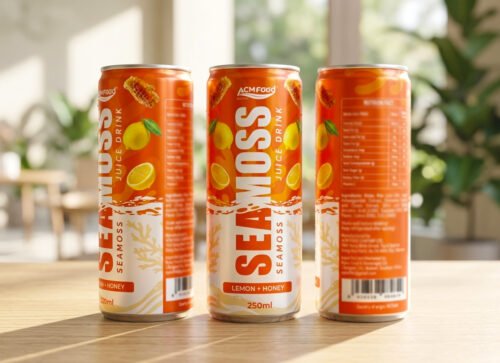
Unique formulation sets this sea moss drink apart from competitors. The 250ml single-serve format prioritizes convenience without compromising quality. This ready-to-drink presentation meets on-the-go lifestyle demands perfectly.
Cold-press processing may preserve more nutrients than traditional methods. This technique maintains the integrity of delicate bioactive compounds. Beverage manufacturers investing in such technologies gain competitive advantages.
The product avoids common allergens and artificial additives. This clean label approach resonates with today’s informed consumers. Transparency in sourcing and production becomes a powerful marketing tool.
Health and Wellness Trends Driving Adoption
Functional drink growth correlates directly with preventive healthcare trends. Consumers increasingly view beverages as delivery systems for wellness. This paradigm shift opens massive opportunities for innovative brands.

Sea moss contains 92 of the 102 minerals the human body needs. This nutritional density justifies its superfood status in the market. RTD beverage formats make these nutrients accessible to busy consumers.
The digestive health segment shows particularly strong growth potential. Ginger’s gastrointestinal benefits complement sea moss’s mineral profile. This combination addresses multiple consumer health concerns simultaneously.
Immunity support remains a persistent consumer priority post-pandemic. Mineral-rich formulations naturally support immune system function. Beverage manufacturers can leverage this demand through strategic product development.
The Plant-Based and Marine Ingredient Surge
Plant-based and marine ingredients dominate new product launches. Consumers seek alternatives to traditional supplement formats. Drinkable wellness represents the most convenient delivery method available.
Sustainability concerns influence ingredient sourcing decisions. Responsibly harvested sea moss supports ocean ecosystem health. This environmental consideration increasingly impacts purchasing decisions.
The fusion of tropical fruits with functional roots creates appealing flavor profiles. Exploring the fresh fruit juice category reveals similar innovation patterns. Cross-category inspiration drives continuous product improvement.
Business Strategy and Distribution Channels
Private label beverage programs enable rapid market entry for new brands. This model reduces upfront investment while testing product viability. Successful launches can then scale through dedicated production lines.
OEM beverage production offers formulation flexibility and speed to market. Partnering with experienced manufacturers mitigates technical risks. This approach allows brands to focus on marketing and distribution strengths.
Minimum order quantities present both challenges and opportunities. Low-MOQ capabilities democratize market access for smaller entrepreneurs. This flexibility supports niche product development and regional customization.
Export markets demand specific regulatory compliance and cultural adaptation. The European Union maintains strict standards for novel food ingredients. Successful navigation requires specialized expertise and documentation.
Supply Chain Considerations for Functional Ingredients
Sea moss sourcing requires sustainable harvesting practices and quality verification. Climate change impacts marine ingredient availability and consistency. Forward-thinking manufacturers develop resilient, diversified supply chains.
Cold chain logistics preserve the integrity of sensitive functional compounds. This adds complexity but justifies premium positioning in the market. Beverage manufacturers must balance technical requirements with commercial viability.
Packaging innovation extends shelf life while maintaining product quality. Light-blocking materials protect photosensitive nutrients from degradation. These technical details differentiate professional-grade operations.
Industry Expert Perspectives and Commentary
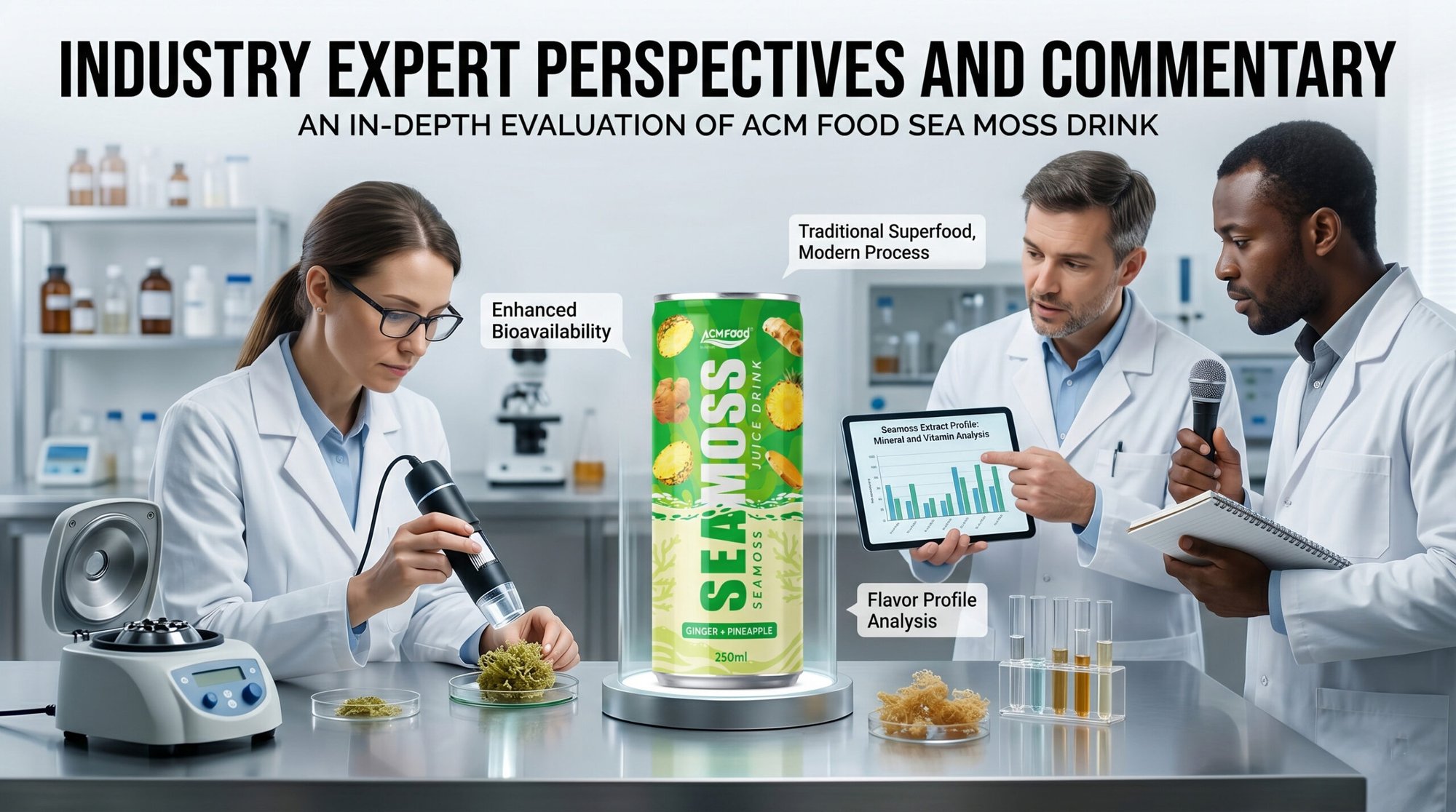
Nutrition scientists emphasize bioavailability in functional beverage design. The liquid format may enhance mineral absorption compared to capsules. This delivery efficiency represents a significant consumer benefit.
Food technologists highlight formulation stability challenges with marine ingredients. Natural separation requires careful emulsion engineering and stabilization. Solving these technical problems creates valuable intellectual property.

Market analysts project continued growth for digestive health beverages. The global market for such products could exceed previous forecasts. This sea moss drink innovation positions itself within this expanding category.
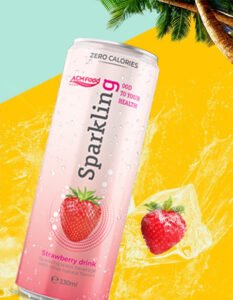
Distribution experts note the importance of channel strategy diversification. Combining e-commerce with selective retail placement maximizes market reach. The sparkling water drink category shows similar multi-channel success patterns at specialized manufacturers.
Manufacturing Partnerships as Strategic Assets
For distributors evaluating portfolio expansion, manufacturing partner selection proves critical. Technical capabilities in low-MOQ production enable market testing with reduced risk. This agility becomes increasingly valuable in fast-moving functional segments.
Beverage manufacturers with expertise in marine ingredients offer distinct advantages. Their experience navigating regulatory requirements accelerates international market entry. This specialized knowledge justifies premium partnership terms.
Private label programs must balance customization with operational efficiency. Standardized base formulations allow cost-effective adaptation to brand requirements. This approach supports scalable growth for emerging wellness brands.
Future Outlook and Market Evolution
The functional beverage market will continue fragmenting into specialized niches. Sea moss represents just one of many marine ingredients gaining traction. This diversification creates opportunities for focused, knowledgeable operators.
Regulatory frameworks will evolve to address novel food ingredient safety. Proactive compliance strategies become competitive advantages in global markets. Beverage manufacturers leading in this area will capture disproportionate value.
Technology integration will enhance traceability and quality assurance. Blockchain applications could verify sustainable sourcing claims convincingly. This transparency will become expected rather than exceptional in premium segments.
Consumer education will drive sophisticated product differentiation. Understanding sea moss beverage benefits requires clear, science-based communication. Brands investing in this education will build stronger customer relationships.
Innovation Pathways and Competitive Responses
Combination products featuring multiple functional ingredients will proliferate. The premium sea moss juice format could incorporate additional adaptogens or nootropics. This innovation pathway maintains category momentum and consumer interest.
Convenience formats will evolve beyond single-serve bottles. Concentrates, powders, and multipack options will address diverse usage occasions. This sea moss drink innovation represents just the beginning of format exploration.
Sustainability will become inseparable from product quality perception. Carbon-neutral production and plastic-alternative packaging will enter mainstream expectations. Beverage manufacturers addressing these concerns proactively will lead the next market phase.
Global market expansion requires cultural adaptation of flavor profiles. While the ginger-pineapple combination has broad appeal, regional variations will emerge. This localization represents both challenge and opportunity for growth-oriented brands.
Frequently Asked Questions
What distinguishes sea moss beverages from other functional drinks?
Sea moss beverages offer unique mineral profiles from marine sources. Unlike plant-based or synthetic formulations, they provide iodine and trace minerals often lacking in modern diets. This nutritional completeness represents their primary functional advantage in the market.
How do minimum order quantities affect market entry strategies?
Minimum order quantities significantly influence new product development economics. Low-MOQ capabilities enable market testing with reduced financial risk. This flexibility particularly benefits innovative functional beverages requiring consumer validation before scaling.
What regulatory considerations apply to sea moss beverage exports?
Sea moss beverage exports face varying regulatory frameworks across markets. The European Union classifies certain sea moss types as novel foods requiring specific authorization. The United States FDA regulates them as dietary supplements or conventional foods based on claims.
How does private label manufacturing support brand development?
Private label manufacturing accelerates brand development through shared expertise and infrastructure. Emerging brands access formulation, production, and packaging capabilities without capital investment. This model allows focus on marketing, distribution, and consumer relationship building.
What shelf-life challenges do functional sea moss beverages present?
Functional sea moss beverages present shelf-life challenges due to natural ingredient instability. Marine compounds can degrade through oxidation, while natural separation may occur. Advanced processing and packaging technologies address these issues to achieve commercial viability.
How does sustainable sourcing impact sea moss beverage quality?
Sustainable sourcing directly impacts sea moss beverage quality and consistency. Responsibly harvested sea moss from clean waters contains higher mineral concentrations and fewer contaminants. This environmental stewardship translates to superior product efficacy and brand reputation.