

ACM Yuzu Juices Drive Flavor Innovation in Low Sugar Beverage Market

ACM Yuzu Juices Drive Flavor Innovation in Low-Sugar Beverage Market

The global beverage industry is undergoing a quiet revolution, one driven by consumers demanding both excitement and health in every sip. Flavor innovation has become the cornerstone of product differentiation, and few ingredients capture this zeitgeist as effectively as yuzu, a citrus fruit that blends floral notes with a tart, lingering finish.

For B2B stakeholders, understanding how this unique flavor can be commercialized within the low-sugar segment is no longer optional it is a competitive necessity. The rise of yuzu in RTD drinks signals a broader shift toward culturally rich, functional profiles that appeal to health-conscious yet adventurous palates worldwide.

The Rise of Yuzu: A Flavor Innovation Catalyst

Yuzu, long revered in East Asian cuisine, has migrated from fine dining into mainstream beverage formulations. Its aromatic complexity allows brand owners to create drinks that stand out on crowded shelves, particularly within the fresh fruit juice category. The yuzu juice innovation trend is fueled by consumers seeking authentic, exotic experiences without compromising on nutritional goals.

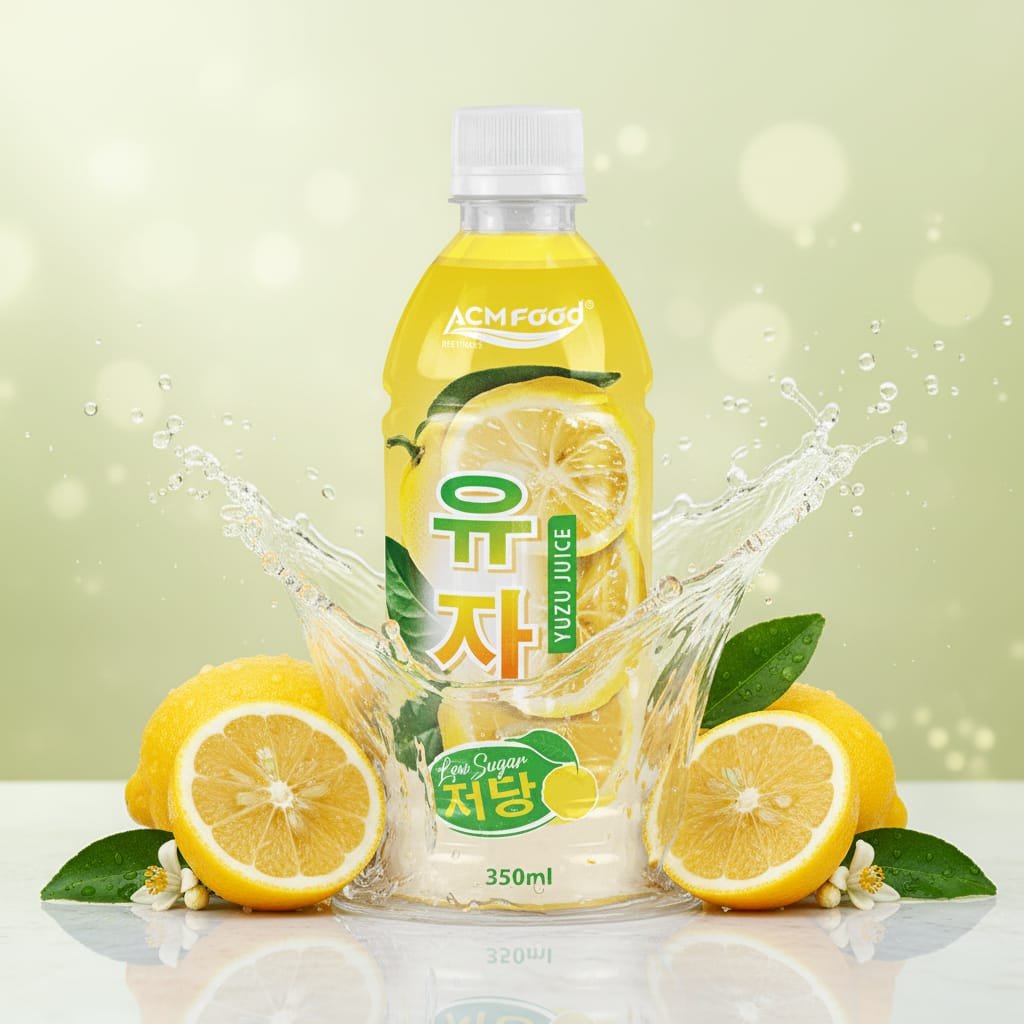
ACM 350ml PET low sugar yuzu juice drink bottle on a modern table
ACM low sugar yuzu juice in PET bottle

Manufacturers like ACM have capitalized on this by launching the 350ml PET Juice Korean Low Sugar Yuzu Juice Drink, a product that marries tradition with modern dietary preferences. This low-sugar variant retains the fruit’s natural zest while appealing to diabetics and calorie counters alike. The use of PET packaging further enhances shelf appeal and portability, critical factors in urban retail environments.

Flavor innovation in this space isn’t just about novel tastes it’s about creating an experience. Yuzu’s high acidity works synergistically with minimal added sweeteners, delivering a refreshing sensation that masks the absence of sugar. This sensory advantage positions low-sugar yuzu drinks as a premium alternative to conventional citrus beverages.

Why Yuzu Stands Out Among Citrus Trends

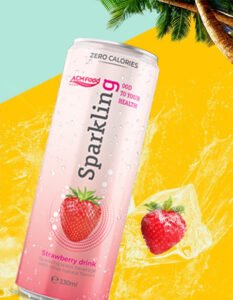
Unlike lemon or lime, yuzu offers a multi-layered profile that includes grapefruit, mandarin, and even subtle herbal undertones. This complexity allows for extended product lines ranging from still juices to sparkling waters. The sparkling water drink segment, for instance, has embraced yuzu as a refreshing, low-calorie flavor base.

For distributors, introducing a yuzu-based product can differentiate a portfolio in markets saturated with traditional orange and apple juices. The novelty factor, combined with proven consumer demand in Asia, offers a first-mover advantage in Western markets where yuzu is still underutilized.

Nutritional Benefits and Clean Label Appeal

The yuzu juice innovation story is incomplete without highlighting its health credentials. Yuzu is exceptionally rich in vitamin C, containing higher levels than lemons. It also contains antioxidants and anti-inflammatory compounds that align with the clean label movement. ACM’s low-sugar version ensures that these benefits are delivered without the caloric load of traditional fruit drinks.

Product benefits extend beyond basic nutrition. The low sugar yuzu juice drink uses natural flavors and avoids artificial preservatives, appealing to retailers and importers targeting health-oriented demographics. This positioning is particularly strong in Europe and North America, where clean label regulations are tightening and consumer scrutiny is high.

For private label buyers, offering a yuzu juice with a transparent ingredient list can command premium pricing. The functional halo around citrus antioxidants adds to the perceived value, making it easier to justify higher retail points in the functional beverage aisle.

OEM Flexibility Enables Flavor Innovation

Bringing a yuzu juice to market requires manufacturing agility, particularly for brands lacking their own production lines. ACM’s OEM capabilities allow partners to customize sweetness levels, adjust acidity, and select packaging formats from PET bottles to cans. This yuzu juice innovation model reduces time-to-market for new entrants.

One key advantage is the low minimum order quantity (MOQ) offered by experienced OEM providers. Startups and mid-sized beverage companies can test yuzu products in limited runs before committing to large-scale production. The ability to iterate quickly on flavor profiles, such as blending yuzu with elderflower or ginger, opens up niche opportunities that larger competitors may overlook.

For distributors looking to differentiate their portfolio, evaluating a manufacturing partner’s agility in low-MOQ production has become a strategic imperative. ACM’s track record in producing Korean style yuzu juice demonstrates how a focused OEM strategy can turn a regional specialty into a global SKU.

Private Label and Brand Customization

Retailers seeking exclusive house-brand products can leverage ACM’s R&D team to develop custom formulations. The company offers support in labeling, regulatory compliance for export to FDA and EU markets, and packaging design that aligns with brand identity. This full-service approach reduces the complexity of entering the functional juice segment.

For importers in the Middle East and Asia, having a Muslim-friendly certification like Halal on a low-sugar yuzu drink further expands addressable markets. OEM partners can incorporate such certifications without disrupting production timelines.

Market Trends and Growth Projections for Low-Sugar Asian Juices

The global low-sugar beverage market is projected to reach $35 billion by 2028, with Asian flavors contributing a significant share. Yuzu, in particular, has seen a 26% increase in product launches over the past three years, according to industry reports. This yuzu juice innovation wave is driven by younger consumers who value authenticity and functional benefits.

Retail channels that specialize in premium imports have reported strong velocity for yuzu-based drinks. The convergence of low sugar, clean label, and exotic flavor creates a powerful trifecta for buyers. As more consumers explore Korean and Japanese culinary trends, the demand for yuzu is expected to accelerate beyond specialty stores into mainstream grocery chains.

For beverage entrepreneurs, partnering with a manufacturer that already has a proven yuzu recipe reduces development risk. The existing supply chain for yuzu concentrate is stable, thanks to established agricultural sources in Korea and Japan. OEM clients can therefore focus on marketing and distribution rather than sourcing intricacies.

Strategic Insights for Distributors and Retailers

Choosing the Right Production Partner

Not all OEM providers have experience with high-acid juices like yuzu. Partner selection should prioritize facilities that handle delicate citrus processing and have certifications for international export. ACM’s dedicated production lines for fruit juices ensure consistency in flavor and shelf stability, a critical factor for long supply chains.

Another consideration is packaging innovation. The 350ml PET bottle used for ACM’s yuzu juice is lightweight and shatterproof, reducing breakage during transit. For brands aiming at the convenience channel, this format is ideal for on-the-go consumption.

Tapping into the Functional Beverage Wave

Distributors can position low-sugar yuzu juice as a mid-afternoon energy booster without the caffeine crash. Its natural vitamin C content appeals to immune support, a category that has exploded post-pandemic. Adding a splash of yuzu to carbonated water or cocktails also opens up foodservice opportunities.

For private label chains, introducing a seasonal yuzu variant during Lunar New Year or summer can create a sense of urgency and exclusivity. The flexibility of OEM production means small batches are feasible for limited-time offers.

Frequently Asked Questions

What makes yuzu juice different from lemon or lime juice?

Yuzu has a more complex flavor profile with floral undertones, lower acidity, and a unique aromatic intensity. It is often used in premium beverages where a distinctive citrus note is desired without overwhelming sourness. This makes it ideal for low-sugar formulations that rely on natural taste.

How can a brand develop a low-sugar yuzu drink through OEM?

Brands can approach an OEM manufacturer like ACM with their desired sweetness level, packaging format, and target market. The manufacturer adjusts the formulation using natural sweeteners such as stevia or monk fruit while retaining yuzu’s core flavor. The yuzu juice innovation process includes trial batches and sensory testing.

What certifications are needed to export yuzu juice to the US or EU?

Key certifications include FDA compliance for the US and EU Organic or clean label standards. Halal certification is recommended for Middle Eastern markets. ACM Beverage holds these certifications and assists partners with label approval and ingredient documentation.

Is the demand for yuzu juice sustainable in the long term?

Yes, yuzu is transitioning from a niche ingredient to a mainstream flavor. Its versatility in still and carbonated drinks, combined with health trends like vitamin C and low sugar, ensures continued growth. Market analysts project double-digit growth for Asian citrus beverages through 2030.

What are the typical MOQ requirements for OEM production of yuzu juice?

MOQs vary by manufacturer but start from a few thousand units for trial runs. ACM offers flexible MOQs for new clients, allowing for market testing before full-scale production. This reduces financial risk for distributors entering the yuzu segment.

Related blogs insights

FROM NATURE – TO YOUR SKIN – AND YOUR HEART

Contents1 FROM NATURE – TO YOUR SKIN – AND YOUR HEART1.0.1 Considered a “natural health [...]

1 Comment

About International Women’s Day

Contents1 International Women’s Day2 History and Significance3 Themes and Celebrations4 Challenges and Progress5 How to [...]

1 Comment

Pure Fruit Juice Innovation Reshapes Global RTD Beverage Industry Growth

Explore how pure fruit juice innovation, featuring exotic superfruits like lychee, is reshaping the global [...]

1 Comment

DISCOVER FRUIT MILK & COCONUT MILK DRINKS – NATURAL FLAVOR, PURE NOURISHMENT

Contents1  1. Key Ingredients & Nutritional Value1.0.1 1.0.2 ✅ Fruit Milk Drinks:2  2. Health Benefits [...]

1 Comment

Aloe Vera Bird’s Nest Drink: Benefits, History, Recipes

Contents1 Overview of Aloe Vera Bird’s Nest drink2 Brief history of Aloe Vera juice and [...]

1 Comment

Kiwi Sparkling Drinks A Refreshing and Flavorful Choice

Contents1 The Health Benefits of Kiwi Sparkling Water1.1 The Nutritional Value of Kiwi Sparkling Water1.2 [...]

1 Comment

Leave a Reply

Your email address will not be published. Required fields are marked *