

Contents
- 1 The Rise of Functional Herbal Teas
- 2 Why Ginger? The Science Behind the Ingredient’s Wellness Appeal
- 3 ACM’s Product Strategy: From Concept to Shelf
- 4 Global Opportunities: Positioning Ginger Tea in Key Export Markets
- 5 The Future of Functional RTD: Innovation and Partnership Models
- 6 Frequently Asked Questions
- 6.1 What functional benefits does ginger tea offer in RTD form?
- 6.2 How can OEM partners customize ACM’s ginger tea formula?
- 6.3 What export markets are most promising for ginger-based RTD beverages?
- 6.4 How does ACM ensure clean label standards in production?
- 6.5 What MOQ structures support new brand launches?
The functional beverage market is experiencing a paradigm shift as health-conscious consumers increasingly seek natural, ingredient-driven solutions. Ginger-based ready-to-drink (RTD) teas have emerged as a standout category, combining ancient herbal wisdom with modern convenience. This surge reflects a broader movement toward preventive wellness, where every sip is expected to deliver tangible health benefits.
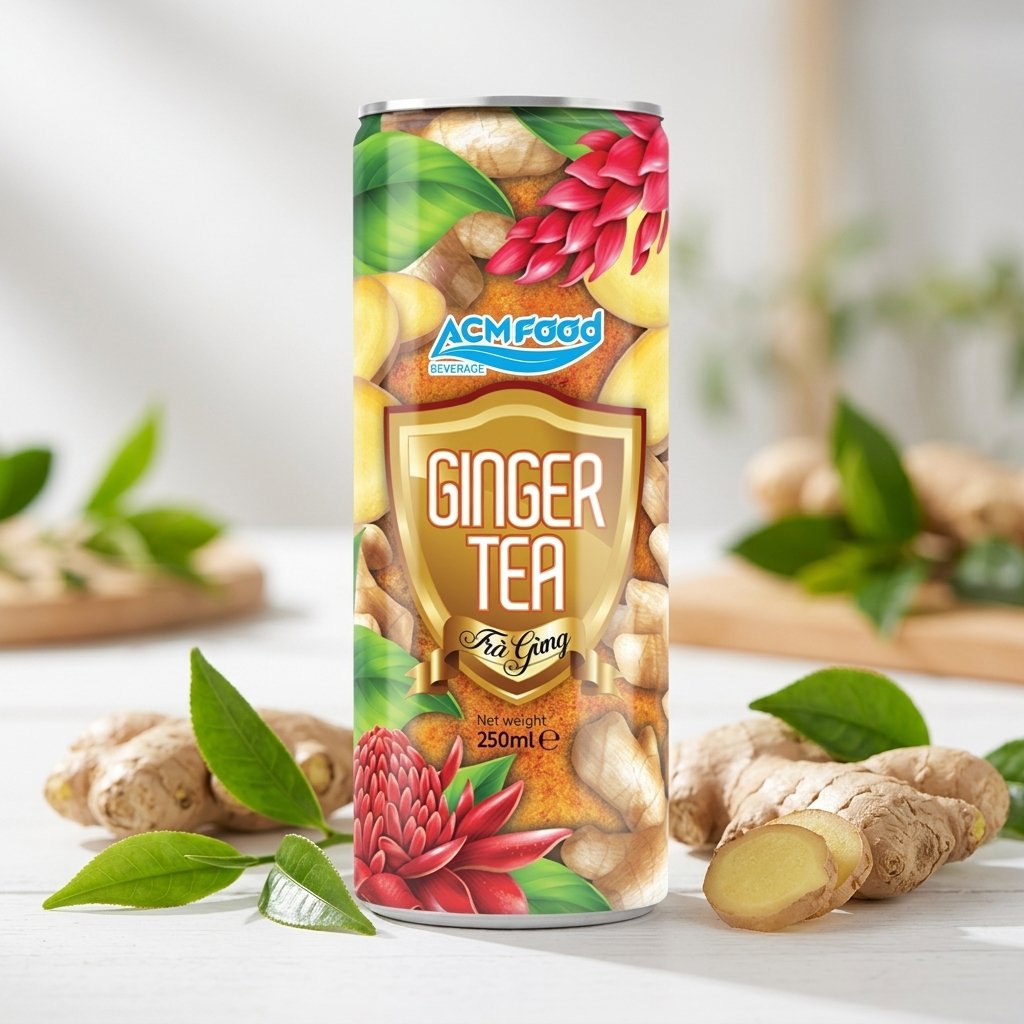
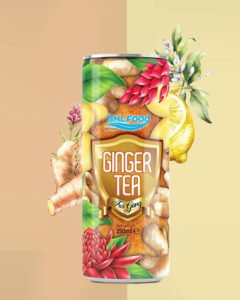
For industry stakeholders, understanding this trend is critical. ACM’s Herbal Ginger Tea Drink exemplifies how strategic product development can capture this momentum. By focusing on clean formulation and scalable production, ACM positions itself as a key partner for distributors and retailers aiming to meet the rising demand for functional beverages.

The Rise of Functional Herbal Teas
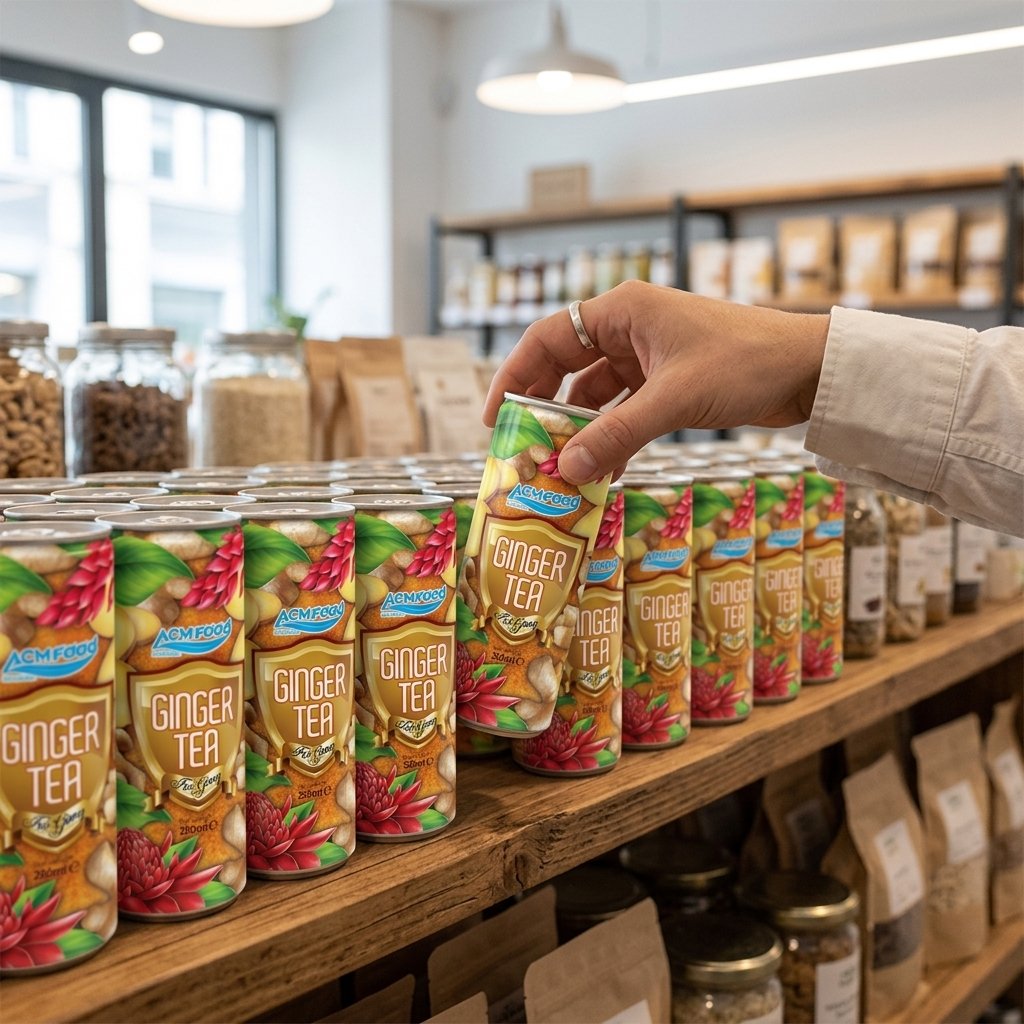
The functional beverage sector has grown at a compound annual growth rate of over 8%, with herbal teas representing one of the fastest-expanding segments. Ginger, in particular, benefits from strong consumer recognition for its anti-inflammatory and digestive properties. This ingredient-driven appeal reduces the need for extensive marketing education, making it an attractive option for private-label programs.
Market Data Shifts in Consumer Preferences
According to recent industry reports, 62% of global consumers now actively seek products with functional ingredients. The herbal ginger tea drink category has seen a 15% year-over-year increase in shelf space allocation across major US retailers. European markets show similar patterns, with ginger tea imports rising 22% in the last fiscal year.
These numbers highlight a clear opportunity for B2B players. Distributors who add functional herbal RTDs to their portfolios can differentiate themselves in an increasingly crowded wellness space. The key is partnering with manufacturers that offer both quality consistency and production flexibility.

Why Ginger? The Science Behind the Ingredient’s Wellness Appeal
Ginger’s efficacy is well-documented. Clinical studies confirm its role in reducing nausea, supporting immune function, and alleviating muscle pain. In RTD form, these benefits are preserved through careful processing. ACM’s formulation uses natural ginger extract combined with green tea, creating a synergy that amplifies antioxidant properties.
For OEM clients, this scientific backing provides a powerful marketing narrative. Brands can leverage ginger’s established reputation without needing to invest heavily in clinical trials. The 250ml ACM Herbal Ginger Tea Drink serves as a ready platform for customization—whether adjusting sweetness levels or incorporating additional functional ingredients like turmeric or honey.
Processing Technology for Maximum Bioavailability
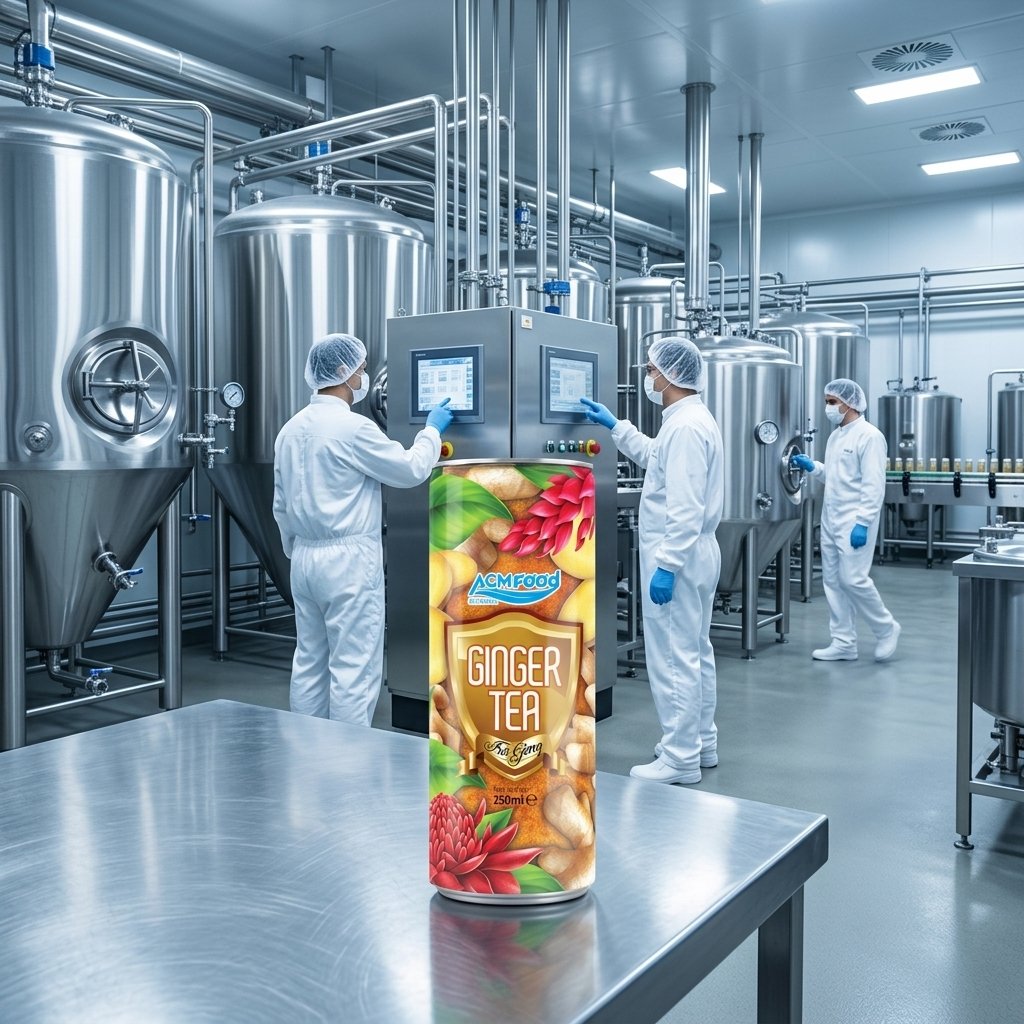
ACM employs cold-press extraction and flash pasteurization to retain ginger’s active compounds. This technical expertise is crucial for maintaining product efficacy while extending shelf life. For importers, this means a stable product that travels well across international supply chains, reducing spoilage risk.

ACM’s Product Strategy: From Concept to Shelf
ACM’s approach to the functional tea market combines ingredient sourcing rigor with manufacturing agility. The company sources ginger from certified organic farms in Southeast Asia, ensuring traceability and consistent flavor profiles. Their 250ml can format offers portion control ideal for on-the-go consumption, a priority for modern consumers.
OEM and Private Label Flexibility
For private-label clients, ACM provides end-to-end support: from recipe development to packaging design. Minimum order quantities are structured to accommodate both small-batch pilot runs and large-scale rollouts. This flexibility reduces market entry barriers for new brands while allowing established distributors to test multiple formulations.
The company’s production facility holds FSSC 22000 and ISO 9001 certifications, a requirement for retailers in the EU and North America. Such credentials streamline the supplier qualification process, enabling faster time-to-market. Distibutors evaluating ACM’s capabilities often highlight the transparency in ingredient sourcing and production audits.
Global Opportunities: Positioning Ginger Tea in Key Export Markets
The appeal of ginger-based RTDs crosses cultural boundaries. In Asia, ginger tea is a traditional remedy; in the West, it is embraced as an exotic wellness tonic. ACM has identified three high-potential export corridors: North America (where functional beverages command premium pricing), the Middle East (with growing health awareness), and Europe’s natural products market.
Export partners benefit from ACM’s experience in navigating regulatory frameworks. The company offers documentation for Novel Food applications in the EU and GRAS status in the US. For a distributor looking to expand their tea drink portfolio, this compliance support reduces legal hurdles.
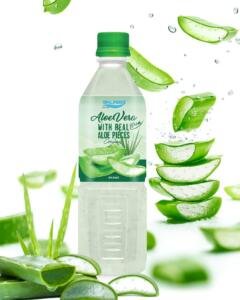
Additionally, ACM’s parallel line of aloe vera juices provides cross-sell opportunities. Retailers can bundle ginger tea with ACM’s aloe vera offerings, creating a cohesive wellness shelf. Learn more about ACM’s aloe vera products here.
The Future of Functional RTD: Innovation and Partnership Models
As the functional beverage market matures, differentiation will come from ingredient transparency and manufacturing reliability. ACM invests in continuous innovation, exploring adaptogenic herbs and prebiotic fibers to expand its functional tea line. For B2B partners, this R&D pipeline offers early access to next-generation formulations.
Strategic collaboration is key. Manufacturers that offer low MOQs for new product iterations allow brands to test market reception without overcommitting inventory. ACM’s willingness to co-develop exclusive recipes has made it a preferred partner for boutique wellness brands seeking a premium edge.
For distributors, the choice of manufacturing partner directly impacts margin structure. ACM’s competitive pricing on the base 250ml format, combined with private-label markups, enables healthy margins for wholesalers. Those who lock in annual contracts often secure additional volume discounts.
Frequently Asked Questions
What functional benefits does ginger tea offer in RTD form?
Ginger’s active compounds, gingerols and shogaols, provide anti-inflammatory and antioxidant effects. In RTD form, these benefits are preserved through low-heat processing, offering convenient daily wellness support.
How can OEM partners customize ACM’s ginger tea formula?
ACM allows adjustments to sweetness level (using natural sweeteners like stevia or monk fruit), flavor intensity, and addition of complementary botanicals such as lemon or turmeric. Minimum runs for custom formulations start at 10,000 units.
What export markets are most promising for ginger-based RTD beverages?
North America leads in functional beverage consumption, with the US market alone valued at $3.2 billion. Europe’s clean-label movement and the Middle East’s growing health-conscious population present strong secondary opportunities.
How does ACM ensure clean label standards in production?
ACM uses no artificial preservatives, colors, or flavors. All ingredients are non-GMO and sourced from certified suppliers. Production lines are dedicated to herbal teas to avoid cross-contamination.
What MOQ structures support new brand launches?
For standard formulations, the MOQ is 2,000 cases. Custom formulations require 5,000 cases. ACM offers staggered delivery schedules to accommodate cash flow constraints for emerging brands.


Related blogs insights
Apple Sparkling Water The Perfect Refreshment for Any Occasion
Contents1 Apple Sparkling Water Pet Bottle Wholesale: A Convenient Option for Bulk Purchases1.1 Benefits of [...]
1 Comment
Mar
How Juice Shelf Life Affects Nutritional Value
Contents1 1. Things You Need to Know About Shelf Life2 2. Factors Affecting Shelf Life [...]
1 Comment
Jan
How to Combine Mango with Other Fruits to Boost Vitamin C and Natural Energy
Contents1 1. Mango + Orange – Immune Booster and Energy Refresher2 2. Mango + Pineapple [...]
1 Comment
Jan
The Rise of Sparkling Coconut Water in the Global RTD Beverage Market
Explore the rise of sparkling coconut water in the global RTD market. This analysis covers [...]
May
Black Friday – The Kickoff to the Holiday Season
Contents1 1. What is Black Friday and Where Did it Originate?1.1 1.1. The Concept of [...]
1 Comment
Jan
How to Drink Aloe Vera Juice
Contents1 Drinking Pure Aloe Vera Juice2 Dosage of Pure Aloe Vera Juice3 Measuring Your Aloe [...]
1 Comment
Apr