





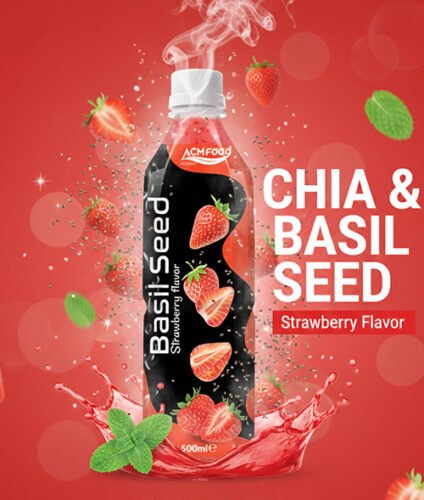





A beverage flavor profile is more than a single flavor choice; it is a deliberate positioning decision about how simple or complex, how familiar or distinctive, and how consistent across a range a brand’s taste identity will be. Two brands can launch the same base flavor, mango for instance, and end up with genuinely different products depending on whether the profile is built as a single clean note or as a layered combination with secondary and background flavors supporting it.
This guide sets out how to think about flavor profile as a genuine brand-level decision rather than a single flavor pick, and how the structural choices behind a profile shape everything from formulation cost to how a whole range reads together on shelf.
What a flavor profile actually describes
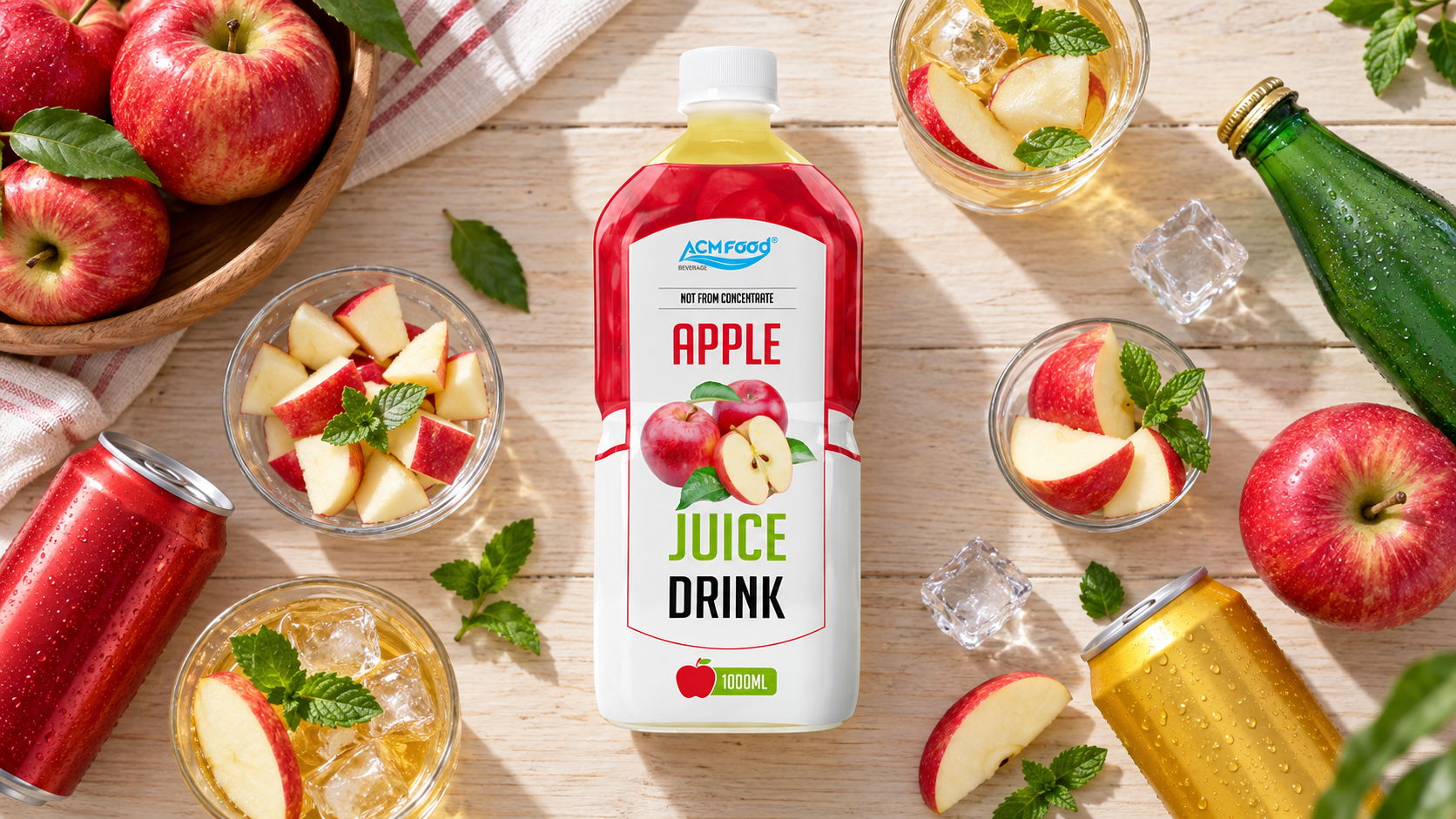
A flavor profile is the full structure of a drink’s taste: the dominant note that identifies the flavor to a shopper, any secondary notes that add complexity or interest, background elements like acidity and sweetness level that shape how the dominant note is perceived, and any textural or mouthfeel component that affects how the flavor is experienced. Two mango drinks can carry very different profiles depending on whether the mango note stands alone or is layered with a secondary citrus or herbal note, and depending on how the acidity and sweetness are balanced around it.
Thinking about flavor profile at this structural level, rather than simply as a flavor name, is what allows a brand to make deliberate decisions about complexity, distinctiveness and consistency across a product range, instead of arriving at those outcomes by accident through a series of independent single-flavor decisions.
Acidity and sweetness deserve particular attention in this structure, since they shape how the dominant flavor is perceived even though a shopper rarely names them directly when describing why they like a drink. A slightly higher acidity can make a dominant fruit note taste brighter and more vivid, while a slightly lower acidity paired with more sweetness can make the same fruit note read as softer and more rounded. Two products built around the identical dominant flavor can taste meaningfully different to a shopper purely because of how this background balance was set, which is why acidity and sweetness need to be treated as active profile decisions rather than afterthoughts finalised once the flavor itself is chosen.
Single-note versus layered profiles
A single-note profile, built around one dominant, clearly identifiable flavor, is generally faster to develop, easier for a shopper to understand instantly, and lower risk for a first product in a new category. A layered profile, combining a dominant note with one or more supporting flavors, takes more formulation work to balance but can create genuine differentiation and a more memorable taste experience once it is right.
| Consideration | What it means for the flavor profile decision |
|---|---|
| Single-note profile | Fast to develop, instantly recognisable, lower formulation risk |
| Layered profile | More development work, higher differentiation potential once balanced |
| Familiarity | A well-known base flavor reduces trial friction for a new shopper |
| Distinctiveness | A secondary or unusual note gives a shopper a specific reason to choose it |
| Range consistency | A shared structural approach across flavors makes a product range read coherently |
Neither approach is universally better; the right choice depends on where the brand sits in its development. A brand’s first product in a new category often benefits from a simpler, single-note profile that proves the base concept works, while a brand extending an established range has more room to introduce a layered profile as a premium or differentiated line extension once the core range is already trusted.
Formulation cost, in practice, tends to scale with the total number of components in a profile, not simply with the complexity of any single ingredient chosen. Each additional flavor note, whether from a second fruit, a botanical extract or a flavoring compound, adds a variable that has to be balanced against every other element already in the recipe, and adjusting one note after the others are set can require re-balancing the whole profile rather than a single isolated tweak. This compounding effect is worth factoring into a development budget and timeline from the outset, particularly for a brand considering a profile with three or more distinct notes working together.
Examples of layered profile construction
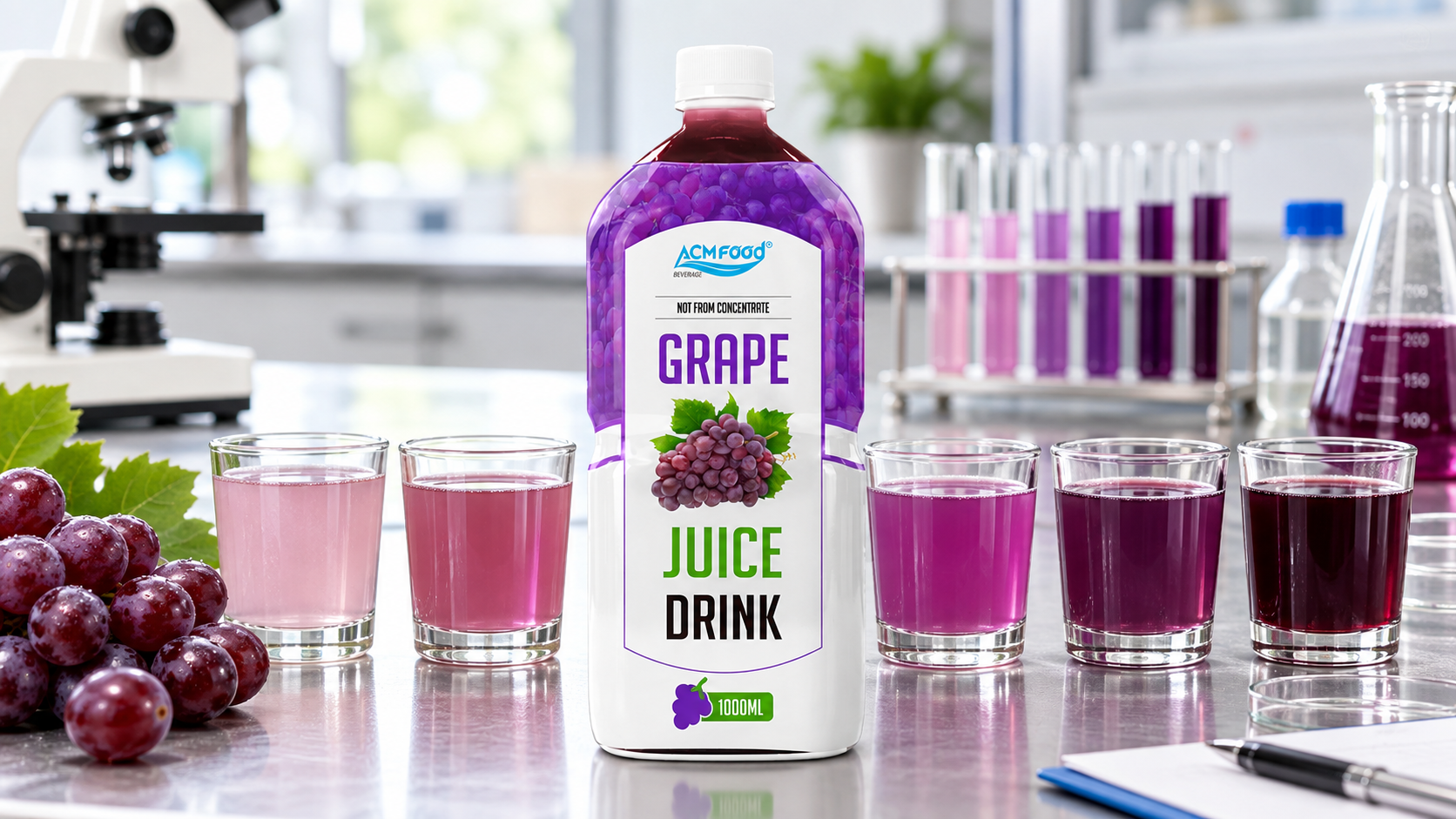
A tropical layered profile such as nata de coco combined with mixed fruit juice shows how a textural element and a multi-fruit flavor base can be layered together, giving a shopper both a taste and a mouthfeel point of interest rather than a single dominant note alone. A guava base carrying a nata de coco inclusion follows the same structural logic applied to a different dominant fruit.
An orange and coconut cream pairing, described in the orange juice with coconut cream formulation, illustrates a different kind of layering: a familiar citrus dominant note paired with a rich, rounding secondary flavor that changes the overall character of the drink without abandoning the recognisability the citrus base provides.
Matching profile structure to format
Carbonated and sparkling formats interact with flavor profile in a specific way, since carbonation itself adds a perceived intensity that can support a simpler profile without it reading as flat. A lime sparkling drink demonstrates how a clean, single-note citrus profile can carry a sparkling format effectively without needing additional layering. A cherry sparkling juice shows the same principle applied to a bolder, more distinctive base note, where the fruit’s own intensity does the differentiation work that a layered profile might otherwise be needed for in a less naturally distinctive flavor.
Building a flavor profile brief
Five inputs help a brand define a flavor profile deliberately rather than arriving at one by accident.
- Development stage. A first product in a new category generally favours a simpler, single-note profile; an established range has more room for layering.
- Familiarity versus distinctiveness balance. Decide how much novelty the target shopper is likely to accept before the flavor needs an unusually strong reason to try it.
- Structural role of each note. Define which flavor is dominant, which are secondary, and how acidity and sweetness are meant to support the profile.
- Format interaction. Consider how carbonation, texture or serving temperature will change how the profile is actually perceived.
- Range consistency. Where multiple flavors will sit in one range, decide whether they should share a structural approach or vary deliberately by product.
Common mistakes in flavor profile development
A consistent set of avoidable errors accounts for much of the friction brands encounter when defining a flavor profile.
- Layering flavors without a clear dominant note. A profile with several competing notes and no clear lead flavor often reads as muddled rather than complex to a shopper tasting it for the first time.
- Choosing distinctiveness before the brand has an established base. An unusual, layered profile as a first product can ask too much of a shopper who has no existing trust in the brand to justify the trial.
- Building each flavor in a range independently. A range assembled from unrelated single-flavor decisions often reads as inconsistent rather than as a coherent product family.
- Ignoring how format changes perception. A profile balanced and approved as a still drink can taste different once carbonated or served chilled, which is worth testing in the actual intended format rather than assumed from a still trial alone.
Each of these is avoidable by treating flavor profile as a structural decision made deliberately at the brief stage, rather than a series of independent flavor choices made one product at a time. A brand that documents its profile structure early, naming the dominant note, the role of each secondary element, and the intended acidity and sweetness balance, gives a manufacturer a much clearer starting point for the first trial than a brief that names only a flavor and leaves the rest to be discovered through trial and error.
Frequently asked questions
Should a brand’s first product always use a single-note flavor profile?
Not always, but it is generally the lower-risk choice, since it is faster to develop and easier for a new shopper to understand without prior trust in the brand. A layered profile can still work as a first product where the brand has a strong, clear reason for the added complexity, but it carries more development and communication risk.
How many notes can a flavor profile reasonably carry before it becomes confusing?
There is no fixed number, but most successful layered profiles carry one clear dominant note and no more than one or two clearly identifiable secondary notes. Beyond that, a profile risks reading as muddled rather than as genuinely complex to most shoppers.
Does flavor profile need to be consistent across an entire product range?
Not strictly, but sharing a structural approach, such as always pairing a dominant fruit with a specific type of secondary note, helps a range read coherently as a family of products rather than a collection of unrelated flavors under the same brand.
Can an existing single-note product be developed into a layered version later?
Yes, this is a common way to extend a proven flavor into a premium or differentiated line, adding a secondary note or textural element to an already-successful base once the core flavor has established shopper trust.
How much does acidity and sweetness balance matter compared with the flavor itself?
It matters more than most briefs give it credit for. Two products built around the exact same dominant flavor can taste noticeably different depending purely on how acidity and sweetness are balanced around it, so these should be treated as deliberate profile decisions from the first trial rather than adjustments made only if the initial flavor concept does not taste quite right.
Does adding a textural element count as part of the flavor profile?
Yes, in a meaningful sense. A textural inclusion, such as a fruit piece or a gel-like element, changes how a flavor is experienced even without altering the underlying taste notes themselves, and it should be considered alongside the taste structure when planning a profile rather than treated as a separate, later decision made only once the core flavor work is already finished.
Starting a flavor profile brief
A beverage flavor profile works best when its structure, dominant note, supporting notes, and how they interact with the chosen format, is decided deliberately, rather than treated as a single flavor pick made independently for each product.
ACM Beverage develops flavor profiles from a single clean note through to layered, multi-flavor formulations, and a custom beverage formula service can adjust an existing base toward a specific profile structure. Reach out through the enquiry and contact page with the intended flavor direction, target range and development stage in mind to start that conversation, and expect the first discussion to focus on the dominant note and structural approach before any secondary flavor or textural detail is finalised.