














Custom fruit juice manufacturing means a factory produces juice that you sell under your own brand. In the OEM model the manufacturer follows your formula and specifications; in the ODM model it also develops the recipe and pack for you. Either way you avoid building a plant, and the process usually runs in 5 stages: brief, sampling, approval, production and export.
What is the difference between OEM and ODM juice manufacturing?
| Feature | OEM | ODM |
|---|---|---|
| Who creates the formula | The brand owner | The manufacturer |
| Manufacturer’s role | Produce to specification | Develop, test and produce |
| Best for | Brands with a defined product | Brands without in-house R&D |
| Formula ownership | Usually the brand | Agreed in the contract |
| Speed to market | Fast if the formula is ready | Fast if starting from an existing base |
A third route, private label from existing formulas, is often the quickest: you choose a product the factory already makes and put your label on it.
What are the benefits of OEM/ODM for juice brands?
- No factory investment: use existing lines, filling and quality systems.
- Faster launch: production capability and certifications are already in place.
- Flexibility: adjust flavour, sugar, juice content and pack for each market.
- Expertise: access to food technologists, shelf-life testing and export documents.
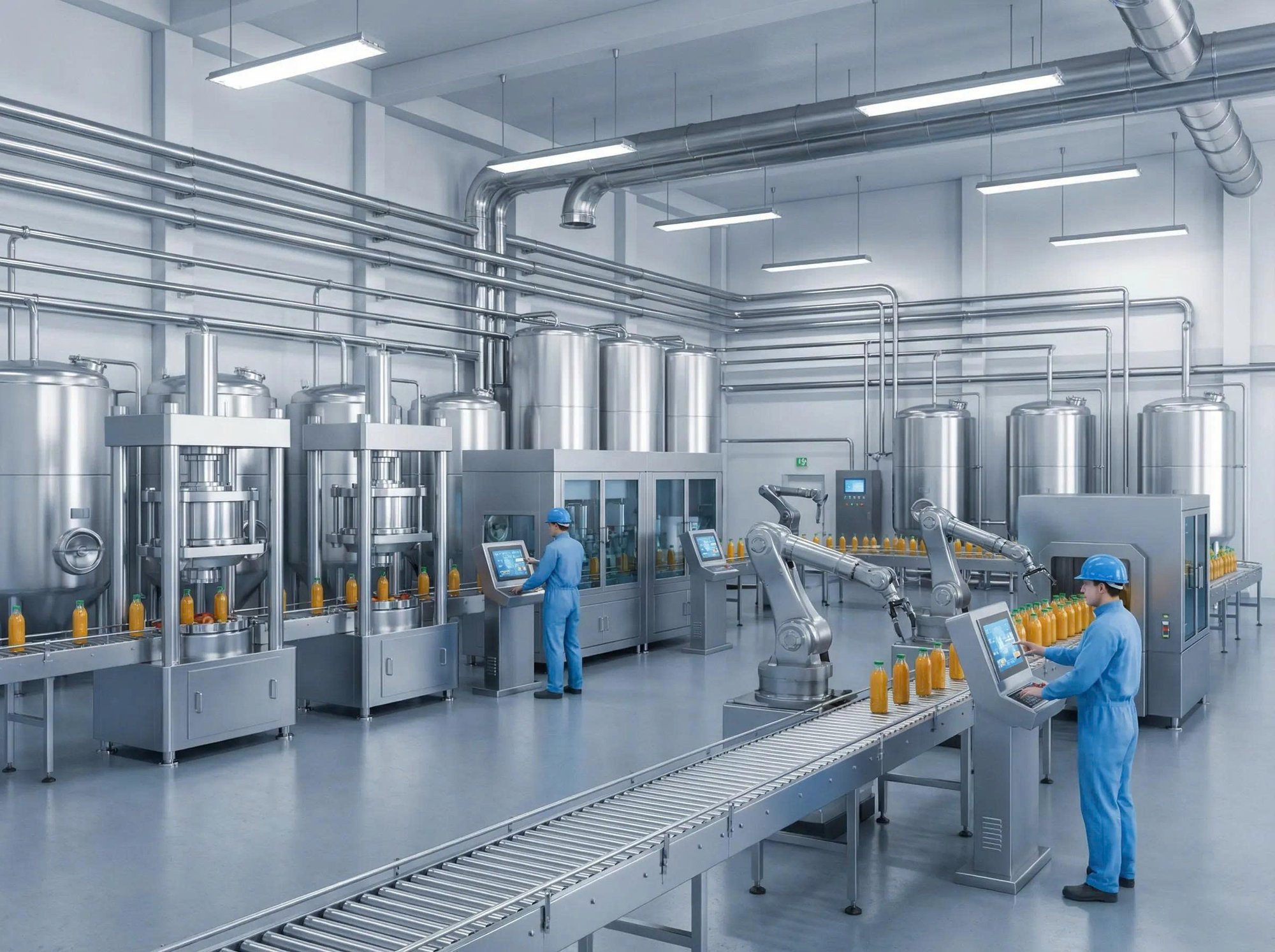
How does the custom juice process work?
- Brief: target market, flavour, juice percentage, sugar level, pack size and volume.
- Sampling: the factory prepares samples; see why sampling matters.
- Approval: you approve taste, specification and label artwork.
- Production: batches are produced and checked against the approved sample.
- Export: documents such as certificates of origin and health certificates are prepared.
Which trends shape custom juice today?
- Less sugar: reduced-sugar and no-added-sugar juices, driven by sugar taxes and health advice.
- Clean labels: short ingredient lists and NFC (not-from-concentrate) juices; see NFC fruit juice explained.
- Tropical flavours: mango, passion fruit, guava, soursop.
- Texture and function: juice with nata de coco, aloe or chia; added vitamins where permitted.
- Packaging: slim cans and smaller single-serve packs.
How do you choose a juice OEM/ODM partner?
- Certifications: ISO 22000, FSSC 22000 or HACCP, plus FDA registration or HALAL for relevant markets.
- Range: more existing products means more starting points.
- Export experience: ask where they already ship.
- Intellectual property: agree in writing who owns formulas and designs.
- Clear quotation: price per unit, pack configuration, minimum order, lead time and payment terms.
Custom juice with ACM
ACM offers OEM, ODM and private-label juice production from a range of 500+ beverage products, with ISO, FSSC 22000, FDA and HALAL credentials and exports to more than 40 countries. Start from the fruit juice range, read about custom beverage formulas, or contact the team.
Frequently asked questions
What does OEM mean in juice manufacturing?
The manufacturer produces juice to the brand’s own formula and specifications, and the brand sells it under its name.
What does ODM mean?
The manufacturer designs and develops the product as well as producing it.
Who owns the recipe in an ODM project?
It depends on the contract. Agree ownership in writing before development starts.
Can I start with a small order?
Minimum quantities depend on the product and packaging; ask for them per SKU in the quotation.






