
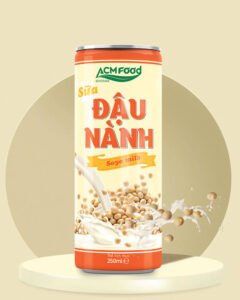
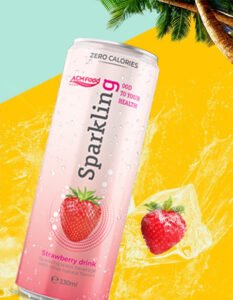

Ready-made beverage products give a private label brand a shortcut past the longest part of development: a manufacturer’s existing catalog of proven, production-ready formulas that need only branding and packaging to reach shelf. The practical challenge is not finding a ready-made option, most manufacturers maintain a substantial catalog, but evaluating that catalog properly so the formula a brand chooses genuinely fits its target shopper, price point and channel rather than being selected on flavor name alone.
This guide focuses on the practical process of evaluating and selecting from a ready-made catalog, rather than the broader strategic comparison between private label, white label and custom development.
What a ready-made catalog actually contains
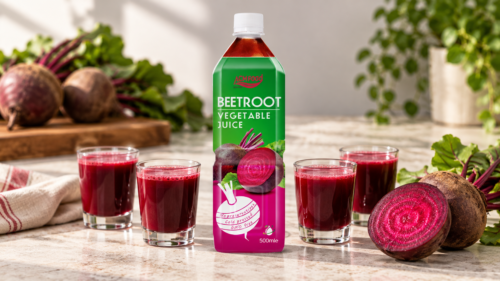
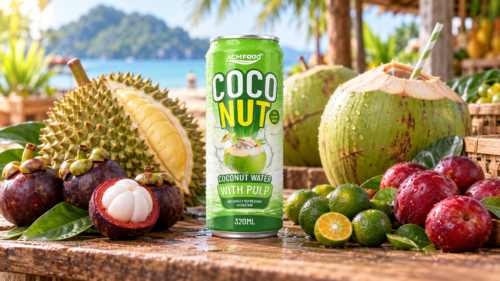
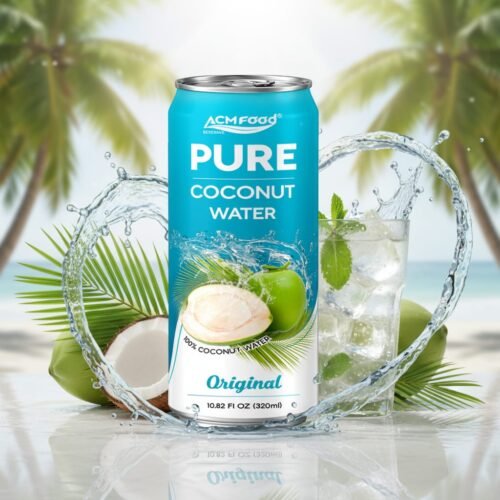
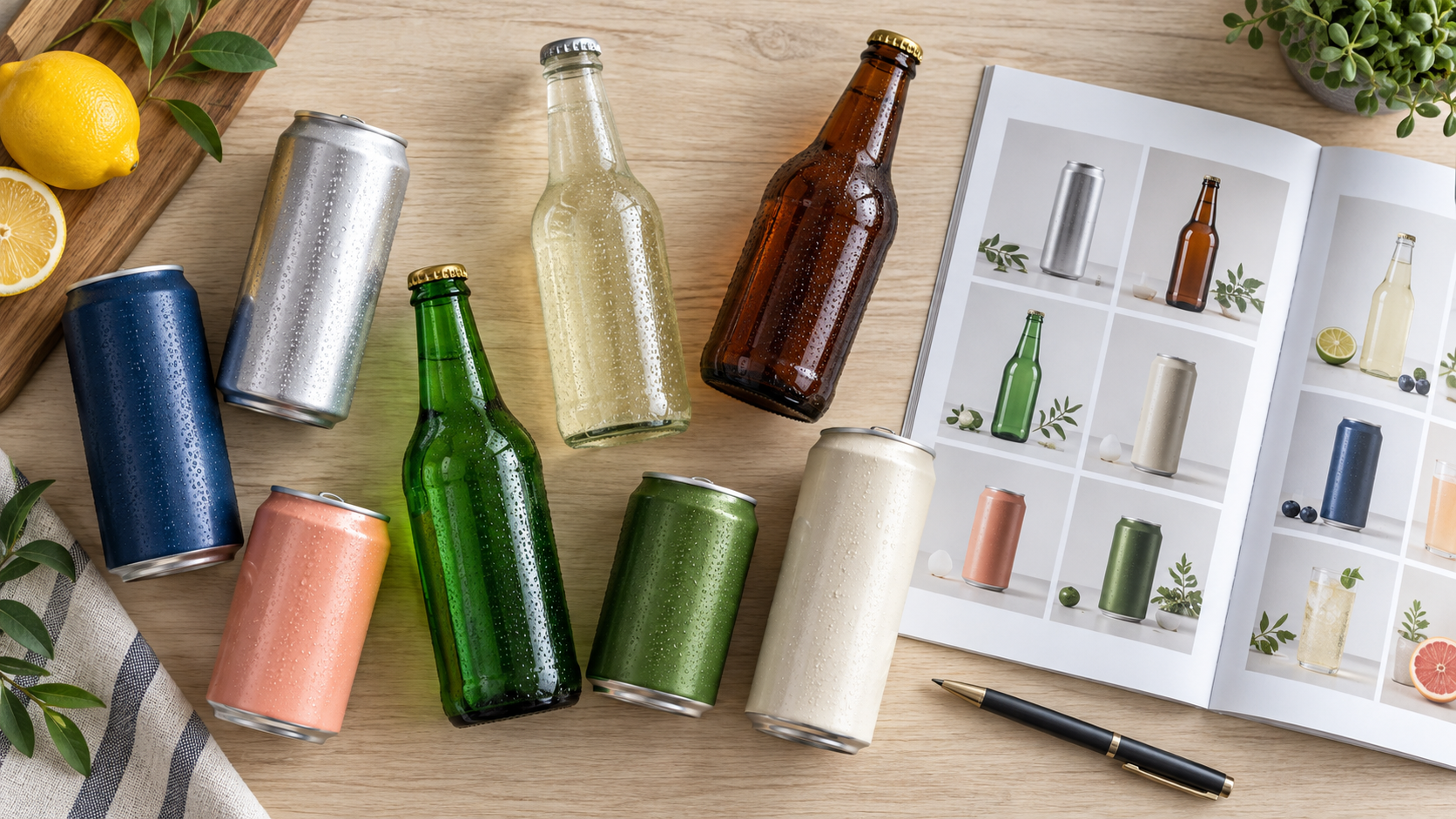
A manufacturer’s ready-made catalog typically spans a wide range of categories, still juice, sparkling and carbonated formats, functional and wellness-positioned drinks, and often several sub-variants within each, reflecting formulas the manufacturer has already developed, tested and, in many cases, sold to other brands. This depth is the catalog’s core value: a brand can review dozens of already-proven concepts rather than starting every decision from a blank page.
The trade-off worth understanding clearly is that a catalog formula, even one adjusted through customization, is built on a base the manufacturer already owns and may license or sell to other brands as well, so exclusivity is limited compared with a fully custom development. A brand evaluating the catalog should be clear-eyed about this trade-off from the outset rather than discovering it as a surprise once a formula is already selected and in production.
Catalogs also vary considerably in how they are organised and presented from one manufacturer to another. Some group formulas by category, still juice, sparkling, functional, while others organise by flavor family or by target market, and a few maintain separate catalogs entirely for different regions with formulas tailored to local taste preferences. Asking a manufacturer for their most current, complete catalog, rather than relying on whatever selection happens to be featured on their website or in a general sales brochure, ensures a brand is actually seeing the full breadth of what is available before narrowing down a shortlist.
A practical process for evaluating catalog options
Requesting physical samples of shortlisted formulas, rather than evaluating from a catalog description or photo alone, is the single most important step in this process. A written flavor description can sound appealing while the actual product tastes quite different from what a brand imagined, and tasting the real product against the actual target shopper’s expectations is the only reliable way to confirm fit before committing to an order.
| Evaluation step | What it confirms |
|---|---|
| Physical sample tasting | Actual flavor and mouthfeel match the brand’s expectations |
| Nutritional panel review | Sugar, calorie and ingredient content fit the intended positioning |
| Customization scope check | What can realistically be adjusted within the base formula |
| Minimum order quantity | Whether the required order size fits the brand’s current scale |
| Lead time and shelf life | Whether production and distribution timelines are workable |
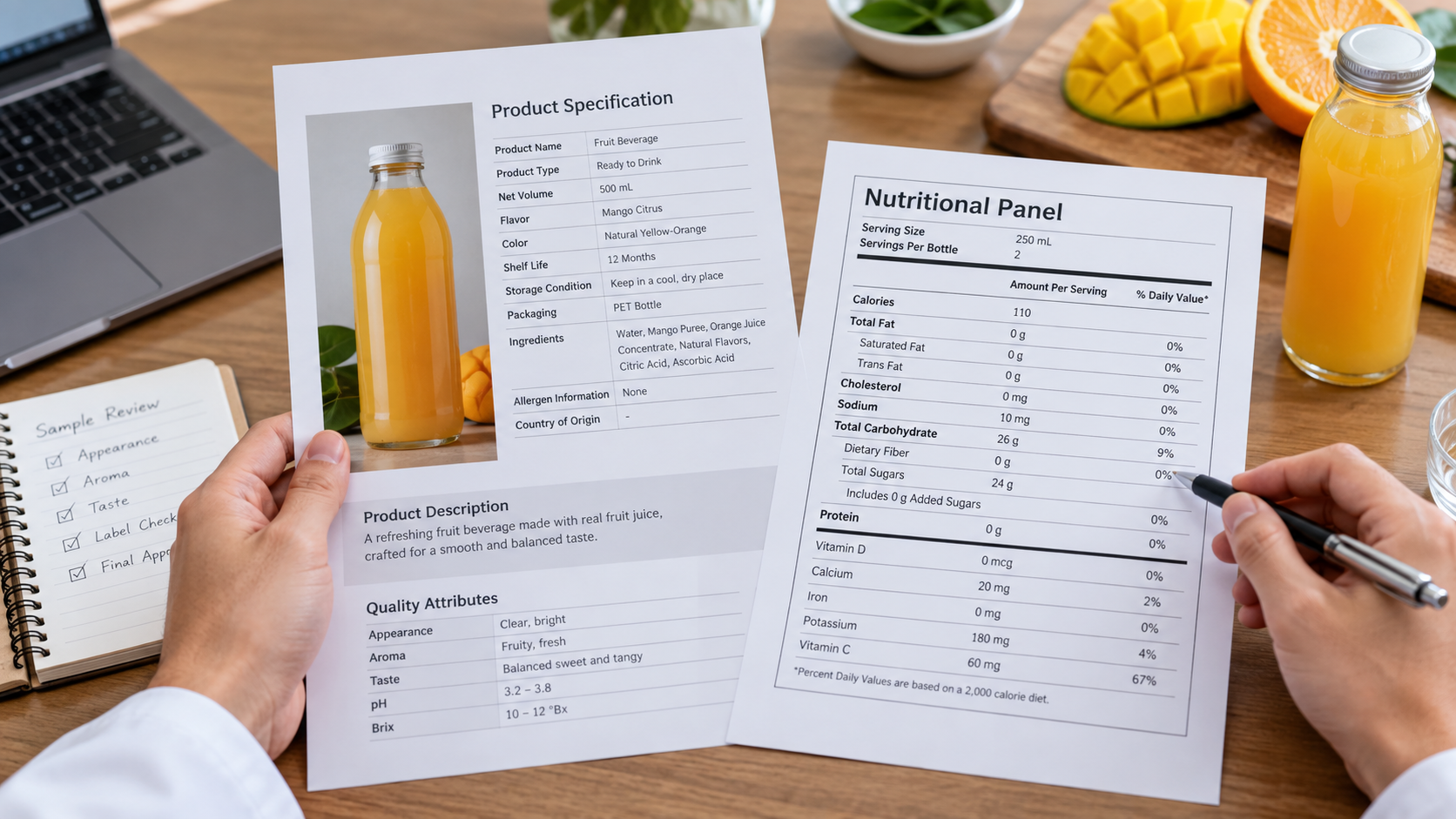
Reviewing the formula’s actual nutritional panel, not just its marketing description, matters just as much as the taste test, since a formula described as “healthy” or “light” can still carry a sugar or calorie profile that does not match a brand’s intended positioning once the real numbers are reviewed. Confirming this before commitment avoids a mismatch between the brand’s marketing story and what the product’s own label will actually say.
Shelf life and storage requirements deserve the same scrutiny as taste and nutrition. A catalog formula’s stated shelf life and whether it requires ambient or refrigerated distribution directly shapes which retail channels and markets a brand can realistically reach with it, and this information is not always volunteered upfront in a catalog listing unless specifically requested. Asking for the finished product’s exact shelf life, storage temperature requirement and any special handling needs before finalising a selection avoids discovering a distribution constraint only after the brand has already committed marketing and retail conversations around a specific product.
How much customization is realistically available
Most manufacturers allow some degree of adjustment to a ready-made base even within a private label arrangement, through beverage product customization options such as sweetness level, flavor intensity or a specific ingredient swap. A custom beverage formula service extends this further, adjusting flavor, sweetness and ingredients more substantially from the proven starting point. Understanding exactly where a specific manufacturer’s ready-made offering sits on this spectrum, purely as-is, lightly adjustable, or substantially customizable, shapes what a brand can realistically expect before committing to a specific base.
It is worth asking specifically what has and has not worked when other brands have requested adjustments to a given base formula, since a manufacturer with genuine hands-on experience will usually know which changes are straightforward and which tend to cause unexpected knock-on effects elsewhere in the recipe. A sweetness reduction, for instance, might require a corresponding acid adjustment to keep the flavor balanced, and a manufacturer who has already navigated that specific trade-off on a given base can flag it upfront rather than a brand discovering it only after an adjustment request produces an unbalanced result.
Examples of the range a ready-made catalog can cover
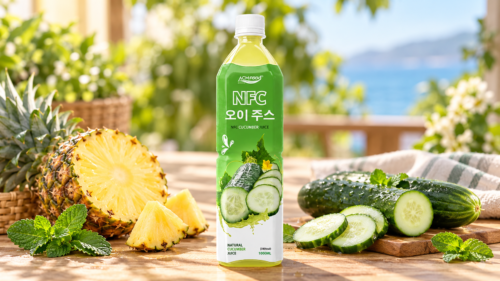
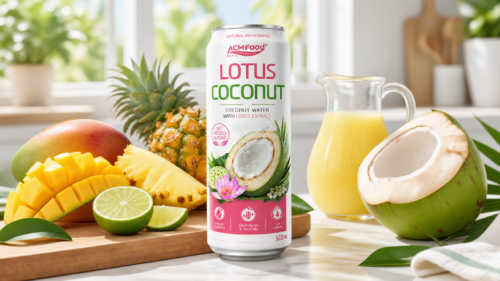
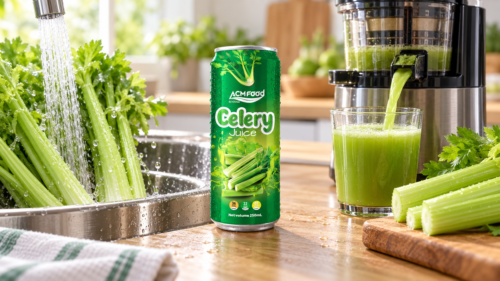
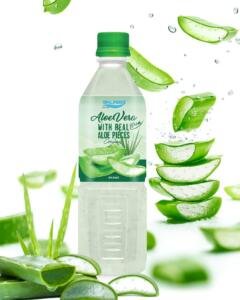
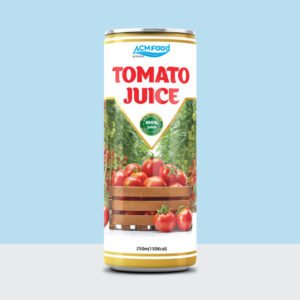
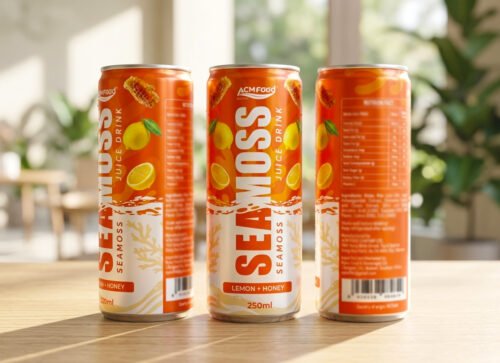
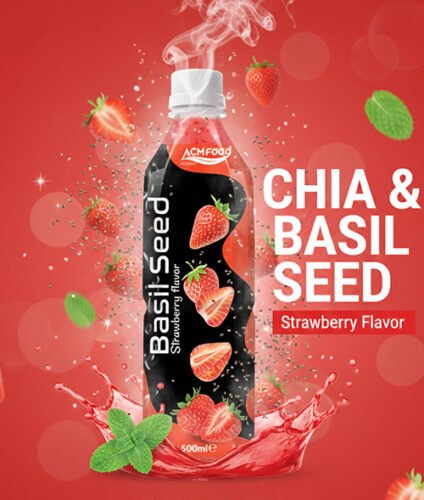
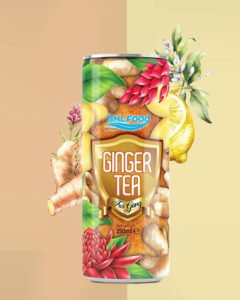
A ready-made catalog can range from a straightforward, everyday option such as a classic refreshing and nutritious tomato juice through to more distinctive tropical and functional combinations, such as a soursop and aloe vera fusion or a wellness-positioned herbal ginger tea drink. A sparkling option, such as a pineapple sparkling juice, shows how format variety extends across the catalog as well as flavor variety, giving a brand meaningful choice across both dimensions when selecting a base.
This range is worth exploring deliberately rather than fixating on a single category too early in the process. A brand that starts its search assuming it wants “a juice” or “a functional drink” without first exploring the full catalog breadth can miss a genuinely strong-fitting option in a format or category it had not initially considered. Reviewing a wider slice of the catalog before narrowing down, even where a brand has a strong initial instinct about the category it wants, often surfaces a better-fitting option than committing to the first plausible-sounding formula encountered.
Building a ready-made product selection brief
Five inputs help a brand evaluate a ready-made catalog efficiently and select a formula that genuinely fits.
- Target shopper and price point. Shortlist catalog options against a defined target shopper rather than browsing the full catalog without a filter.
- Physical sample tasting. Request and taste real samples of shortlisted formulas before making a final decision.
- Nutritional panel review. Confirm the actual label content matches the brand’s intended positioning.
- Customization scope. Clarify what level of adjustment is realistically available within the chosen base.
- Order and timeline fit. Confirm minimum order quantity, lead time and shelf life work for the brand’s current scale.
Common mistakes when selecting a ready-made formula
A consistent set of avoidable errors accounts for much of the friction brands encounter when working from a ready-made catalog.
- Selecting a formula from a description alone. A flavor that sounds appealing on paper can taste quite different once actually sampled.
- Skipping the nutritional panel review. A formula’s actual sugar or calorie content can undermine an intended health-positioned marketing story if not checked beforehand.
- Assuming full customization is available. Some ready-made offerings permit only minimal adjustment, which should be confirmed before a brand plans its positioning around a level of customization that is not actually available.
- Ignoring minimum order quantity until late in the process. Discovering a mismatch between required order size and current business scale late in negotiations can derail an otherwise promising selection.
Each of these is avoidable by following a structured evaluation process, sampling, panel review, customization check and order fit, rather than selecting a catalog item quickly based on its name or category alone. A brand that works through each of these steps methodically before signing off on a final selection generally avoids a costly reselection later in the process.
Frequently asked questions
How many samples should a brand request before deciding?
There is no fixed number, but shortlisting a handful of genuinely different options, rather than a single formula, gives a brand a useful basis for comparison. Tasting several side by side generally produces a more confident decision than evaluating one option in isolation.
Can a ready-made formula’s packaging be fully customized even if the recipe cannot?
Generally yes. Packaging, labeling and branding are typically independent of the underlying recipe and can usually be fully customized even where the formula itself allows only minor or no adjustment, which is worth confirming separately from the recipe customization question.
Is a ready-made formula exclusive to one brand?
Not necessarily, and this should be confirmed directly with the manufacturer. Some manufacturers offer exclusivity within a specific market or category as part of a private label arrangement, while others sell the same or a similar base formula to multiple brands, so clarifying this upfront avoids a surprise if a competitor later launches a very similar product.
How quickly can a ready-made product typically reach shelf?
This varies by manufacturer, but ready-made products generally move to production considerably faster than a custom development, since the formula is already finished and only packaging, labeling and any minor adjustment remain to be completed before a first order can be produced.
Should a brand request a written specification sheet in addition to physical samples?
Yes. A written specification sheet documenting the exact nutritional panel, shelf life, storage requirements and any allergen information gives a brand a reliable reference to compare against the physical sample and to use in its own label development, rather than relying on memory or a verbal description from a sales conversation.
Does selecting a ready-made formula limit a brand’s future flexibility?
Not necessarily. A brand can typically request further adjustments to a ready-made base after an initial launch, once real sales data suggests a specific change would improve performance, provided the manufacturer’s customization capability supports that kind of iterative adjustment. Confirming this ongoing flexibility during the initial selection conversation is worth doing if the brand anticipates wanting to refine the product after launch.
Starting a ready-made product selection brief
A ready-made beverage product works best for a brand when the selection process is structured around real sampling, nutritional review and a clear understanding of available customization, rather than a quick choice based on a catalog description alone.
ACM Beverage maintains a ready-made catalog spanning multiple categories and formats, with customization available for brands wanting to adjust flavor, sweetness or ingredients from a proven base. Reach out to request samples, a written specification sheet, and to discuss the target shopper, price point and distribution channel for a specific selection, and being specific about the target retail channel upfront helps narrow the catalog to formulas that genuinely fit its shelf life and format requirements.