

How Soursop and Aloe Vera Fusion Drives Tropical Superfruit Beverage Innovation

Soursop and aloe vera fusion driving tropical superfruit beverage innovation - featured image

Soursop and aloe vera fusion represents a breakthrough in the tropical superfruit beverage landscape. Consumers increasingly seek functional drinks that combine exotic flavors with proven health benefits. This trend aligns perfectly with the growing demand for natural, vitamin-rich ingredients that support digestion and immunity. The beverage industry has witnessed a notable shift toward incorporating superfruits like soursop into mainstream product lines. According to market analysts, the global superfruit juice market is projected to exceed $12 billion by 2028, driven by heightened health awareness and flavor experimentation.

The importance of this trend for the beverage supply chain cannot be overstated. Distributors and importers are actively seeking products that can command premium pricing while meeting regulatory standards for health claims. Aloe vera juice with soursop flavor, when produced under strict quality controls, easily fits into international markets such as the United States, Europe, and the Middle East. For OEM manufacturers like ACM, offering customizable formulas allows global brands to capture local demand without heavy R&D investment.

The Rise of Tropical Superfruits in Functional Beverages

Soursop and aloe vera fusion represents a breakthrough in the tropical superfruit beverage landscape. Consumers increasingly seek functional drinks that combine exotic flavors with proven health benefits. This trend aligns perfectly with the growing demand for natural, vitamin-rich ingredients that support digestion and immunity. The beverage industry has witnessed a notable shift toward incorporating superfruits like soursop into mainstream product lines. According to market analysts, the global superfruit juice market is projected to exceed $12 billion by 2028, driven by heightened health awareness and flavor experimentation.

For brands and manufacturers, this creates a strategic opportunity to differentiate through unique, nutrient-dense offerings. The fusion of aloe vera—a well-known functional base—with the antioxidant-rich soursop delivers a product that appeals to both wellness enthusiasts and adventurous palates. This innovation is not merely a fad but a sustainable response to consumer preferences for clean, effective beverages.

The importance of this trend for the beverage supply chain cannot be overstated. Distributors and importers are actively seeking products that can command premium pricing while meeting regulatory standards for health claims. Aloe vera juice with soursop flavor, when produced under strict quality controls, easily fits into international markets such as the United States, Europe, and the Middle East.

For OEM manufacturers like Aloe Vera Juice with Soursop Flavor, offering customizable formulas allows global brands to capture local demand without heavy R&D investment. The ability to tailor sweetness levels, vitamin fortification, and packaging formats ensures that this superfruit fusion can penetrate diverse demographic segments. As the functional beverage category expands, those who first embrace tropical superfruit innovations will likely secure long-term competitive advantages.

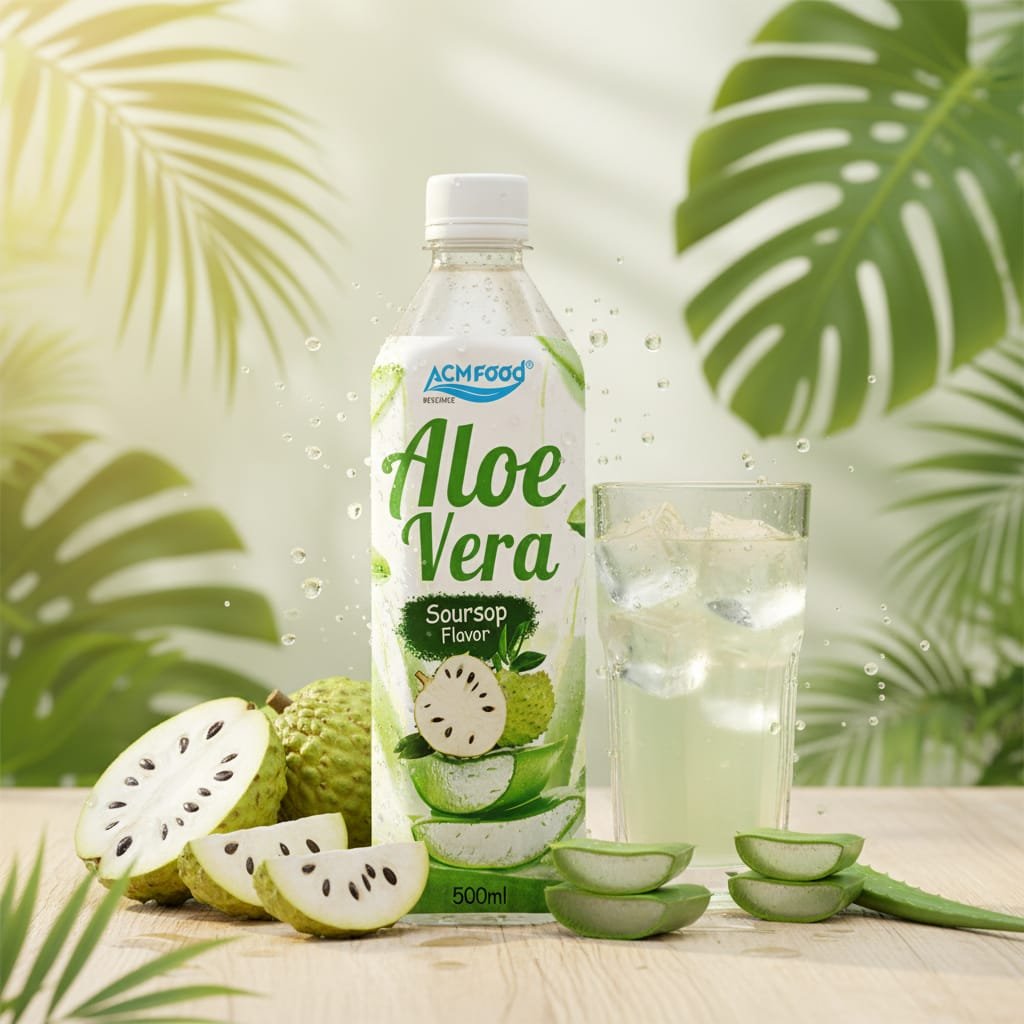
Soursop and aloe vera fusion drink with fresh fruits and ice
Tropical superfruit fusion in a refreshing health drink

Aloe Vera: A Functional Base with Global Appeal

Aloe vera has long been celebrated for its soothing and hydrating properties, making it a trusted ingredient in health drinks. When combined with soursop, a fruit rich in vitamin C and antioxidants, the resulting beverage offers dual functional benefits. The soursop imparts a unique creamy, citrus-like flavor that masks any bitterness from aloe vera, creating a palatable and refreshing drink. This synergy has captured the attention of nutritionists and beverage developers alike.

For businesses looking to expand their portfolio, stocking a product like the 500ml aloe vera juice can attract health-conscious consumers who prioritize natural ingredients. Moreover, aloe vera’s established presence in the beauty and wellness industry provides a ready-made marketing angle. By highlighting the skin and gut health benefits, retailers can cross-sell to existing nutraceutical customer bases. The global aloe vera juice market itself is growing at a compound annual rate of 8.4%, and the addition of soursop broadens its appeal to adventurous flavor seekers.

The Role of OEM/ODM in Flavor Innovation

OEM and ODM partnerships are accelerating the introduction of novel flavors like soursop into mainstream functional beverages. Manufacturers with flexible production capabilities can help brands test new concepts with lower minimum order quantities, reducing financial risk.

For instance, a company exploring the tropical superfruit segment can start with a limited run of aloe vera soursop juice before scaling up based on market reception. ACM’s modern facility, with over 10 automated lines and a monthly export capacity exceeding 300 containers, enables rapid prototyping and consistent quality across batches. This agility is crucial for responding to seasonal demand spikes or shifting consumer preferences. Brands can also leverage ACM’s certification portfolio—FSSC 22000, ISO, BSCI, Organic, Halal, and Kosher—to enter regulated markets without additional compliance hurdles.

The fresh fruit juice category benefits greatly from such OEM solutions, as custom formulations can be developed for specific retail channels or private label programs. In addition, the availability of multiple packaging sizes—from 250ml cans to 2L PET bottles—allows brands to target on-the-go consumption versus family packs.

Beyond flavor creation, OEM partners provide valuable insights into ingredient sourcing and cost optimization. Soursop, while exotic, can be sourced efficiently through established supply chains in Southeast Asia. ACM’s location in Vietnam offers proximity to abundant tropical fruit resources, reducing raw material costs and lead times. For importers in Europe or North America, working with a Vietnamese OEM ensures competitive pricing without compromising on freshness or nutritional value.

The sparkling water drink segment also demonstrates how carbonation can be applied to fruit juices to create low-sugar, refreshing alternatives—a lesson applicable to the aloe vera soursop line. By partnering with an OEM that understands both functional and carbonated beverage production, brands can rapidly expand their footprint in the functional drink aisle. The transparency and traceability offered by modern OEM facilities also align with clean-label trends, as consumers increasingly demand to know exactly what is in their drinks.

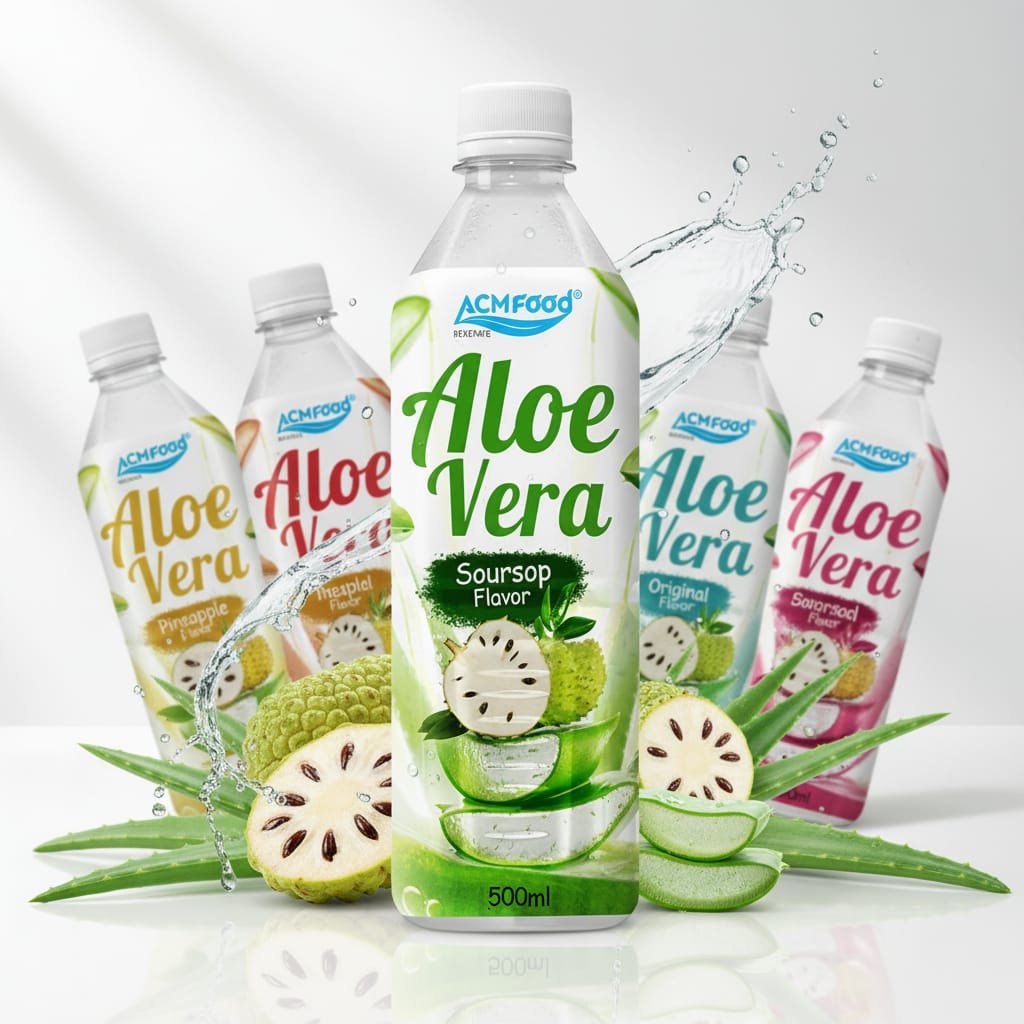
OEM customization for soursop aloe vera juice in various packaging sizes
Flexible OEM packaging for tropical superfruit juices
For illustrative purposes only

Export and Logistics: Bringing Superfruit Fusion to Global Markets

Soursop and aloe vera juice is particularly well-suited for export due to its long shelf life and stability when properly packaged. ACM’s state-of-the-art aseptic filling technology ensures that the product retains its nutrients and flavor without refrigeration, simplifying cold chain logistics. This is a significant advantage for distributors entering remote markets or those with underdeveloped cold storage.

The 500ml PET bottle format is lightweight and stackable, reducing freight costs per unit. For Asian, Middle Eastern, and African markets where tropical flavors are already familiar, this product can be positioned as a premium imported health drink. In Western markets, the exotic soursop name itself becomes a marketing asset, conveying natural purity and faraway origins. With certifications like USDA Organic and Halal, the product qualifies for specialty retail channels such as organic supermarkets and halal-focused grocery chains.

Exporters can also leverage Vietnam’s free trade agreements to minimize tariff barriers, making the pricing more attractive to price-sensitive buyers. ACM further supports export partners by offering customizable private labeling, allowing brands to use their own brand identity while benefiting from ACM’s production expertise. This symbiotic relationship drives mutual growth: ACM scales its production while brands gain access to a quality product without owning a factory.

Regulatory Compliance and Labeling Strategies

Navigating the regulatory landscape for functional beverages requires thorough understanding of each target market’s labeling laws. For example, the EU requires that health claims for aloe vera be substantiated with scientific evidence, while the FDA in the US demands that added sugars be clearly listed. ACM’s in-house compliance team can guide partners through these requirements, ensuring that labels include proper nutrition facts, ingredient declarations, and allergen warnings.

The soursop aloe vera drink can be positioned with claims like “vitamin C source” or “supports digestive health” if the formula meets substantiation criteria. For halal and kosher markets, the necessary certifications are already in place, reducing approval timelines. From a packaging perspective, using recyclable PET or aluminum cans aligns with sustainability expectations in Europe and North America.

Many retailers now mandate environmental information on packaging, such as recycling instructions or carbon footprint data. ACM can assist in designing labels that comply with local regulations while maintaining aesthetic appeal. Private label customers can provide their own artwork, and ACM will handle barcoding and multilingual translations. This end-to-end service eliminates hassles for importers and allows them to focus on marketing and distribution.

For B2B buyers, understanding the compliance landscape is critical to avoid costly market entry delays. Partnering with a manufacturer that holds multiple certifications—FSSC 22000, ISO, BSCI, Organic, Halal, Kosher—simplifies the process significantly. Brands can order a certified product and be confident that it meets the highest safety and quality standards. This is especially important for aloe vera products, which have faced scrutiny over purity and labeling accuracy in the past. ACM employs rigorous testing protocols for each batch, including checks for aloin content, microbiological safety, and heavy metals.

The production facility in Cu Chi, Ho Chi Minh City, is subject to regular audits by certification bodies and customers alike. By providing full transparency into the supply chain, ACM builds trust with international partners and helps them succeed in the competitive functional beverage market.

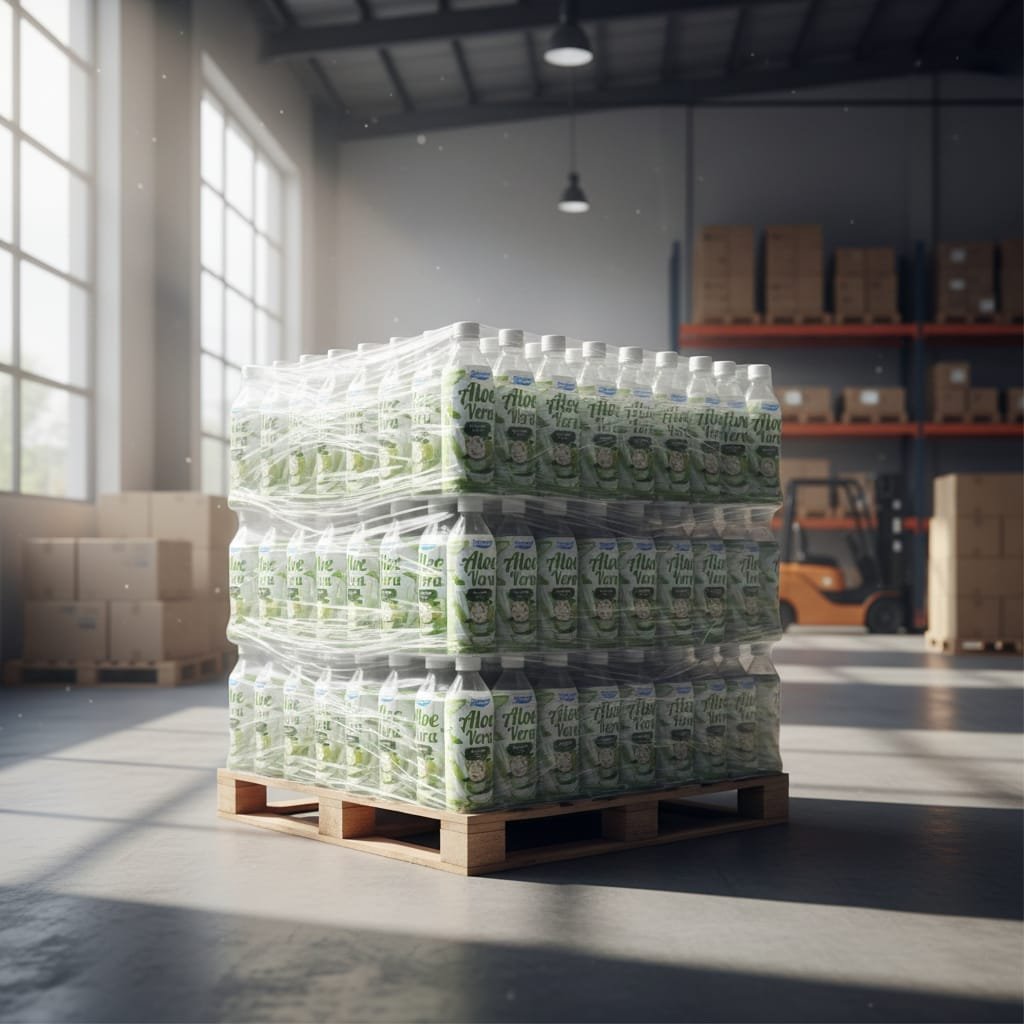
Export shipment of aloe vera soursop juice in containers
Tropical superfruit juice ready for international distribution

Frequently Asked Questions

What makes soursop and aloe vera fusion a growing trend in the beverage industry?

The trend is driven by consumers seeking functional drinks with exotic flavors and proven health benefits. Soursop is rich in antioxidants and vitamin C, while aloe vera is known for digestive and skin health. Together, they create a unique product that fits the demand for natural, functional beverages. Market data shows strong growth in the superfruit juice segment, making this fusion a strategic choice for brands aiming to capture health-conscious consumers.

How can OEM manufacturers help brands innovate with tropical superfruits?

OEM partners like ACM offer flexibility in formulation, packaging, and minimum order quantities. Brands can test new flavors such as soursop-aloe vera with low initial investment. ACM provides R&D support, rapid prototyping, and access to multiple certifications, allowing brands to bring innovative products to market quickly. This reduces risk and speeds up the product development cycle.

What are the key considerations for exporting aloe vera juice with soursop to new markets?

Key factors include obtaining relevant certifications (e.g., USDA Organic, Halal, Kosher) based on the target market, ensuring label compliance with local regulations, and selecting appropriate packaging for the supply chain. ACM offers aseptic filling for shelf stability, which reduces refrigeration needs. Logistics partners must also consider trade agreements and shipping routes to optimize costs.

Is there a minimum order quantity for private label versions of this product?

ACM typically offers flexible MOQs to accommodate both small test batches and large-scale production runs. For private label customers, the MOQ may vary depending on packaging type and formulation complexity. Contact their sales team for specific terms. This flexibility allows even emerging brands to adopt the product under their own label without excessive inventory risk.

What certification does ACM hold that ensures the quality of its aloe vera juice?

ACM holds FSSC 22000, ISO, BSCI, Organic (USDA, EU), Halal, and Kosher certifications. These ensure that production meets international food safety standards and that the product qualifies for markets with strict regulatory requirements. Regular audits and testing for contaminants like aloin guarantee consistent quality and consumer safety.

Related blogs insights

Ramadan Fasting Month and Things To Know

Ramadan is the ninth month of the Islamic lunar calendar and is observed by Muslims [...]

1 Comment

 Black Friday – The Kickoff to the Holiday Season

Contents1 1. What is Black Friday and Where Did it Originate?1.1 1.1. The Concept of [...]

1 Comment

Sea Moss Beverages Emerge as a Functional Drink Powerhouse

Sea moss beverages are reshaping the functional drink market. Explore the innovation, commercial strategy, and [...]

Tomato Juice A Refreshing and Nutritious Beverage

Contents1 Sourcing the Best Tomato Juice Suppliers for Your Business1.1 Quality of the Product1.2 Reliability [...]

1 Comment

The health benefits of Soya

Top 5 health benefits:  Source of protective antioxidants: Soya beans contain natural compounds called “isoflavones”. [...]

1 Comment

What Time of Day Is Best to Drink Coconut Water?

Contents1 Why Coconut Water Is Good for Your Body2 What Time of Day Is Best [...]

1 Comment

Leave a Reply

Your email address will not be published. Required fields are marked *