


Low sugar beverages succeed or fail on a formulation problem that has nothing to do with the sugar reduction itself: replacing what sugar does beyond sweetness. Sugar carries body, mouthfeel and a rounding effect on acidity that a simple swap to an intense sweetener rarely replicates on its own, which is why a low sugar product built without addressing that gap often tastes thin or sharp compared with its full-sugar counterpart, even when the sweetness level reads correctly on paper.
This guide focuses on the taste and formulation side of low sugar development specifically, and on how a product’s positioning and label claim need to be set against the sweetener system actually used, rather than treating “low sugar” as a single, interchangeable formulation choice.
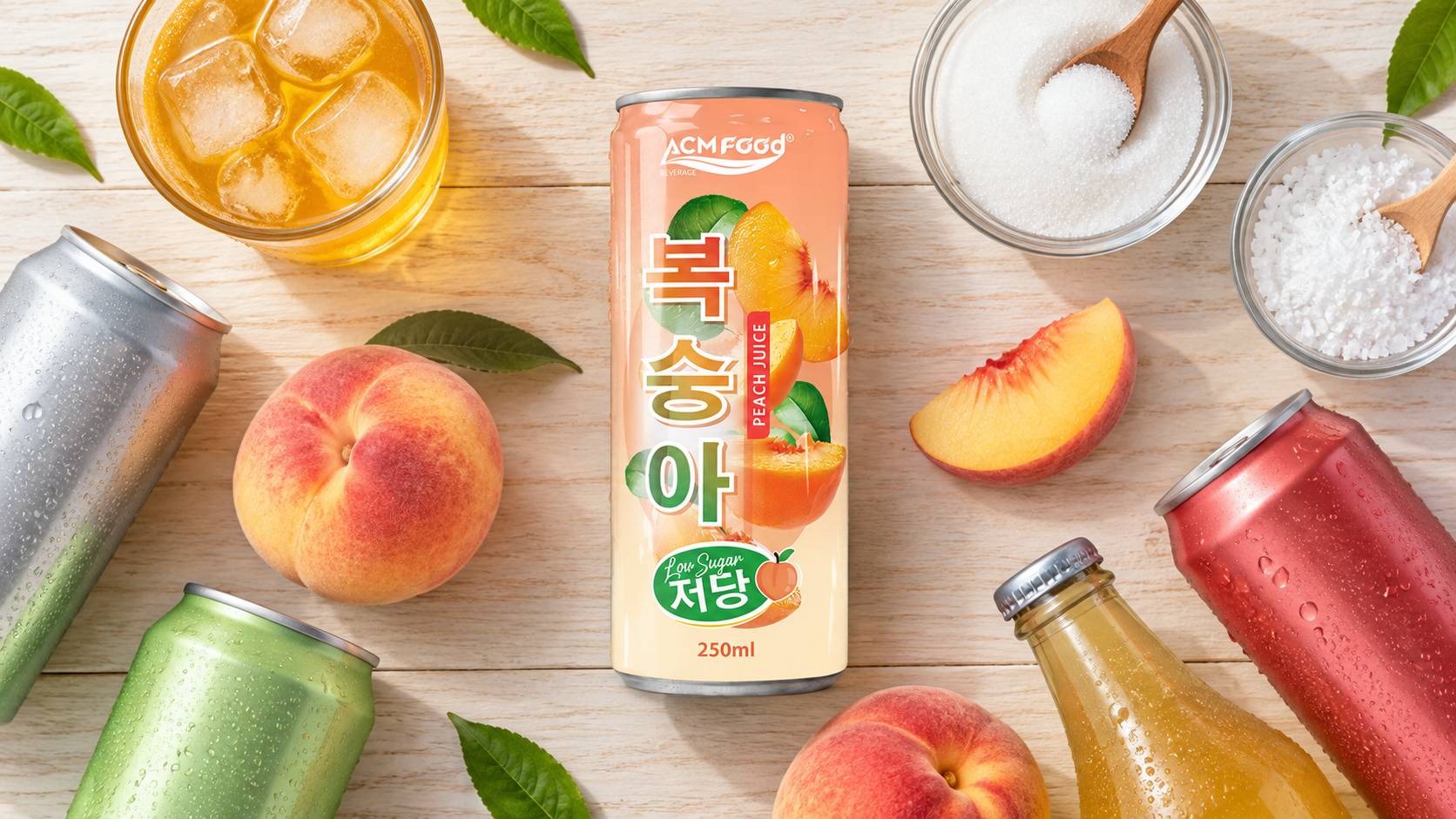
What sugar reduction actually changes in a formulation
Sugar contributes more to a beverage than sweetness alone. It adds body and viscosity that shape how a drink feels in the mouth, it rounds off sharp acidity so a fruit juice or carbonated drink does not taste harshly sour, and it can mute or balance certain off-notes from other ingredients. Removing or reducing sugar without accounting for these secondary roles is the most common reason a low sugar reformulation tastes noticeably different from its full-sugar version, even at a matched sweetness intensity.
A well-executed reduction rebuilds these secondary contributions deliberately: a small addition of a bulking or mouthfeel ingredient to restore body, a careful acid adjustment to keep the flavour balanced rather than sharp, and a sweetener blend rather than a single intense sweetener, since blending typically produces a rounder sweetness profile than any single sweetener used alone.
Timing matters as much as which adjustments are made. A formulation team that treats mouthfeel and acid balance as a final polish step, after the sweetness level has already been fixed, generally has less room to correct a thin or sharp result than one that builds these considerations into the recipe from the first trial. Sugar reduction is best approached as a single, integrated reformulation rather than a two-step process of removing sugar first and patching the taste afterward, since the second approach tends to produce a result that reads as a compromise rather than a genuinely well-balanced product.
Choosing a sweetener approach
No single sweetener replicates sugar’s taste profile perfectly, which is why most successful low sugar products use a blend rather than one substitute. Different sweeteners bring different strengths: some deliver clean, fast-onset sweetness with little aftertaste; others carry a lingering sweetness that can read as artificial if used alone at a high level; others contribute a small amount of body alongside sweetness. Combining two or more, each at a moderate level, generally produces a more natural-tasting result than pushing a single sweetener to a high concentration to hit the target sweetness alone.
| Consideration | What it means for a low sugar formulation |
|---|---|
| Mouthfeel and body | Needs deliberate replacement once sugar’s bulking contribution is reduced |
| Acid balance | Requires adjustment so reduced sugar does not read as sharp or sour |
| Sweetener choice | A blend of two or more sweeteners usually tastes more natural than one alone |
| Label claim | Must match the actual sugar content and regulatory definition in the target market |
| Category expectation | Acceptable sweetness ceiling varies by beverage category and target market |
Category matters here as much as formulation technique. A low sugar sparkling drink can lean on carbonation itself to add a sense of intensity that partially compensates for reduced sweetness, while a low sugar still juice has fewer structural tools available and relies more heavily on sweetener blending and acid balance to reach an acceptable taste profile.
Temperature and serving context also influence how a reduced-sugar formulation is perceived. Cold serving generally suppresses sweetness perception somewhat, which is one reason a formulation that tastes correctly balanced at room temperature during a lab tasting can read as slightly under-sweetened once served chilled as most beverages actually are. Tasting trials conducted at the product’s realistic serving temperature, rather than only at ambient room temperature, catch this discrepancy before it reaches a finished specification rather than after a first production run has already been sold.
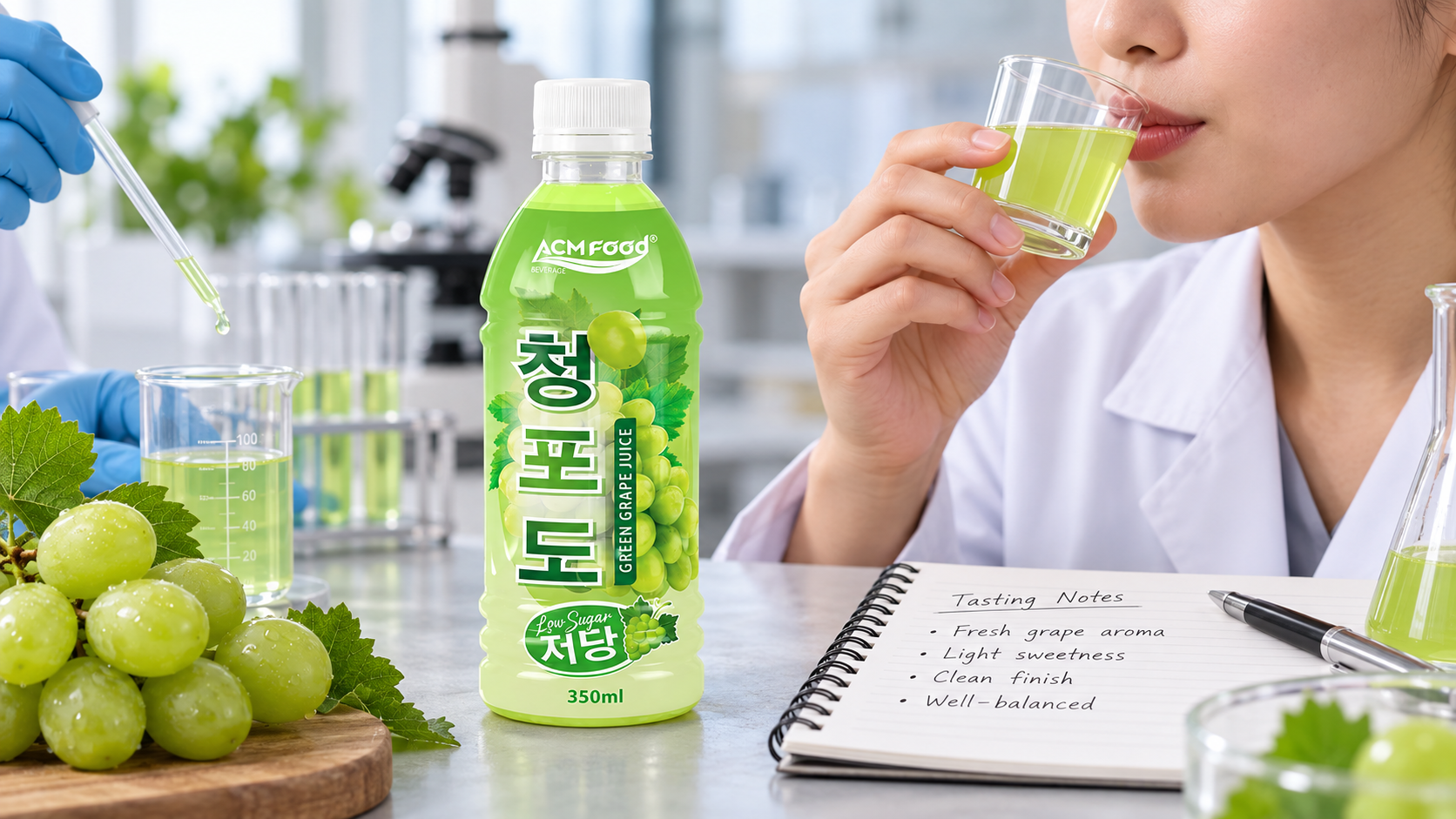
Learning from proven low sugar formulations
Existing low sugar products offer a useful reference point for what a well-executed reduction can achieve. A citrus-forward option such as yuzu juice with a low sugar formulation shows how a naturally tart fruit can carry a lower sugar target without tasting thin, since the fruit’s own acidity and aromatic intensity do some of the work that sugar would otherwise provide. A tropical option such as low sugar mango juice illustrates the same principle applied to a naturally sweeter fruit, where the reduction has to be balanced more carefully since the base fruit itself contributes less natural tartness to lean on.
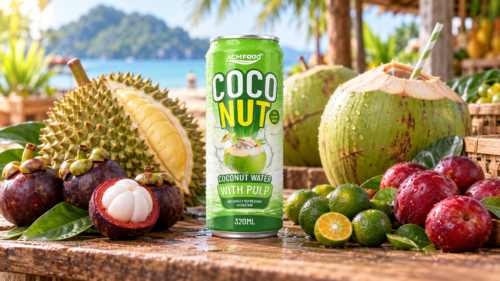
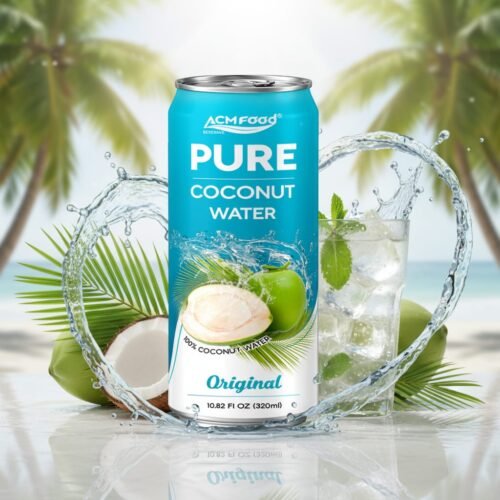
A functional and hydration-positioned example, such as low sugar coconut water, demonstrates how a reduction can pair with a clean, functional positioning that gives the product a second reason to appeal to a health-conscious shopper beyond the sugar claim alone. A stone fruit option, low sugar peach juice, follows a similar pattern, pairing a familiar, well-loved flavour with a wellness-oriented sugar position rather than treating the reduction as the only selling point.
Getting the label claim right
A low sugar claim has to match both the actual sugar content of the finished product and the specific regulatory definition of “low sugar,” “reduced sugar” or an equivalent term in the target market, since these thresholds are not universal and a claim accurate in one country can be non-compliant in another. Confirming the applicable threshold before finalising the formulation target, rather than formulating first and checking the claim afterward, avoids a late reformulation to hit a number the label copy has already assumed.
Where a brand wants flexibility to sell the same base recipe across multiple markets with different thresholds, formulating to the strictest applicable threshold among the target markets is generally more efficient than maintaining several near-identical recipes tuned to different claim levels.
Building a low sugar product brief
Five inputs help a low sugar development project land on a formulation that tastes right and claims correctly.
- Target sugar level against a confirmed regulatory threshold. Set the formulation target against the actual claim requirement in the intended market rather than an approximate figure.
- Mouthfeel and body plan. Decide early how body will be restored once sugar’s bulking contribution is reduced.
- Sweetener blend rather than a single substitute. A blended approach generally produces a rounder, more natural-tasting result.
- Base fruit or flavour selection. A naturally tart or aromatic base gives the reduction more to lean on than a naturally sweeter, flatter one.
- Customization route. Adjusting sweetness within an existing formula through beverage product customization is often faster than developing a low sugar recipe entirely from scratch.
Common mistakes in low sugar development
A consistent set of avoidable errors accounts for much of the taste and compliance friction in low sugar projects specifically.
- Reducing sugar without addressing mouthfeel. A thin, watery result is one of the most common and most avoidable outcomes of an under-planned reduction.
- Relying on a single high-concentration sweetener. This frequently produces a lingering or artificial-tasting sweetness that a blended approach avoids.
- Finalising the recipe before confirming the label threshold. A recipe tuned to an assumed sugar level can require late reformulation once the actual regulatory definition is confirmed.
- Choosing a naturally sweet, low-acid base fruit for an aggressive reduction target. A base with little natural tartness to lean on makes an ambitious reduction target harder to hit without a noticeable taste compromise.
Each of these is a planning and sequencing error rather than a limitation of low sugar formulation itself, and each is avoidable by addressing mouthfeel, sweetener blend and label claim together from the start of development.
Frequently asked questions
Does a low sugar product always taste noticeably different from its full-sugar version?
Not necessarily, particularly where mouthfeel and acid balance are addressed deliberately during formulation. A reduction that only changes sweetness intensity without rebuilding body and balance is far more likely to taste noticeably thinner than one where those secondary roles are planned for from the outset.
Is a sweetener blend always better than a single sweetener?
In most cases yes, since different sweeteners bring different strengths and combining them at moderate levels tends to produce a more rounded, natural-tasting sweetness than pushing one sweetener to a high level alone. There are exceptions depending on the specific flavour and category, which is why formulation trials remain the reliable way to confirm the best approach for a given product.
How much can sugar be reduced before taste becomes a serious challenge?
This depends heavily on the base fruit or flavour and the category. A naturally tart, aromatic fruit can often support a significant reduction with careful formulation, while a naturally sweet, low-acid base has less to lean on and may need a more conservative target to preserve an acceptable taste profile.
Can an existing full-sugar formula be adjusted into a low sugar version?
Often yes, through targeted adjustment of sweetness, acid balance and mouthfeel within the existing recipe rather than a full redevelopment. This is typically faster and lower cost than building a new low sugar product from scratch, provided the adjustments are planned around the taste and label considerations described above.
Should tasting trials be conducted at room temperature or at serving temperature?
At serving temperature wherever possible, since cold serving suppresses sweetness perception and a formulation tasted only at room temperature can read as under-sweetened once actually served chilled. Building serving-temperature tasting into every trial round, rather than only at a final approval stage, catches this kind of mismatch earlier in development when it is still cheap to correct.
Does a low sugar claim limit which flavours can be used?
Not directly, though some flavours are easier to formulate at a lower sugar target than others. A naturally tart or aromatic fruit generally supports a more ambitious reduction with less taste compromise than a naturally sweet, low-acid one, which is worth factoring into flavour selection alongside consumer appeal when a low sugar claim is the primary positioning.
Starting a low sugar product brief
A low sugar beverage performs best when mouthfeel, sweetener blend and label claim are planned together from the outset, rather than treating sugar reduction as a single number applied to an otherwise unchanged formulation.
ACM Beverage develops low sugar formulations against these taste and compliance requirements and can advise on the sweetener and formulation approach best suited to a specific target market before a first order is placed. Reach out through the enquiry and contact page with the target sugar claim, base flavour and intended market in mind to start that conversation, and expect the initial discussion to focus on the sweetener blend and mouthfeel plan before flavour details are finalised.