

ACM Low Sugar Coconut Water Drives Functional Beverage Growth Through Korean Innovation

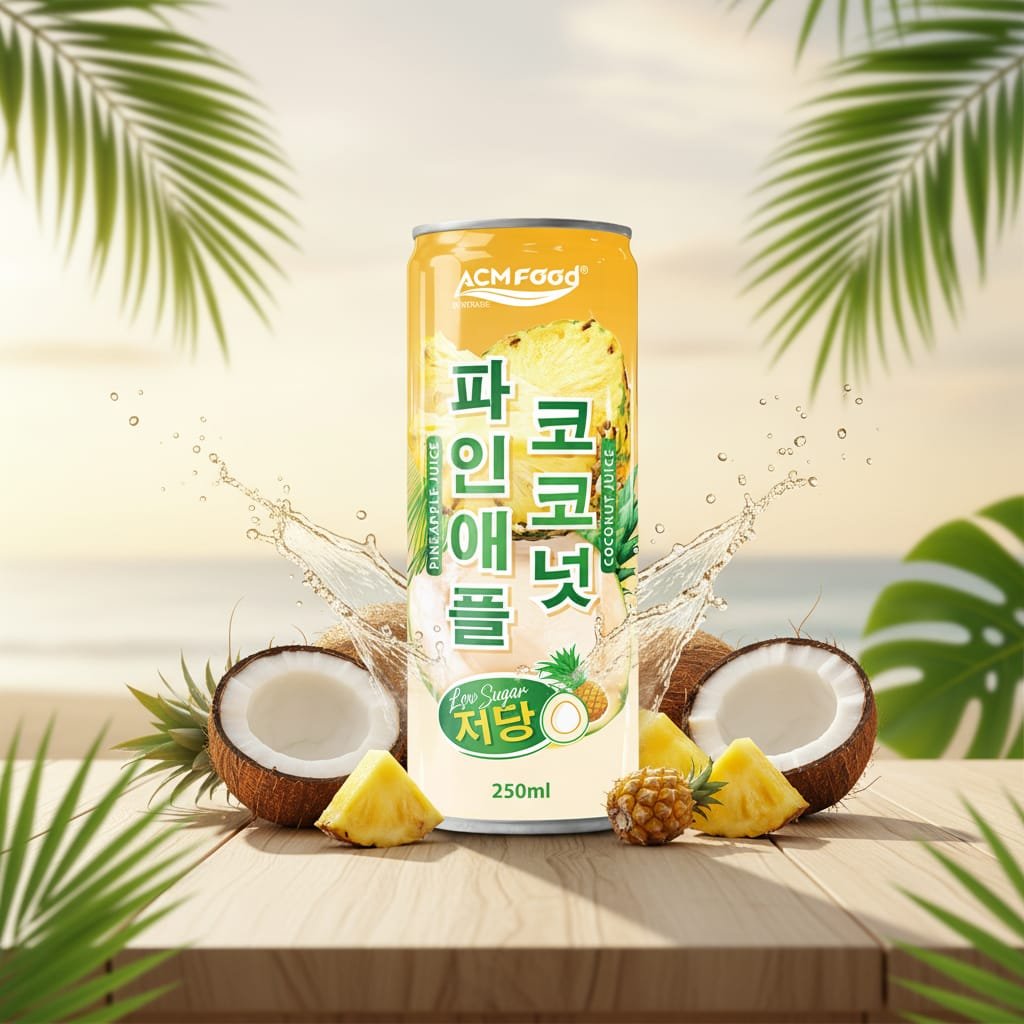
ACM low-sugar coconut water canned drink with health trend background

Low-sugar coconut water has rapidly become a flagship product in the functional beverage sector, driven by rising consumer demand for hydration without added sugars or artificial ingredients. ACM Beverage’s Korean-inspired formulation offers a compelling example of how cultural innovation can accelerate market acceptance.

For B2B partners, this product category represents a strategic entry point into a market projected to grow over 10% annually through 2030. Understanding the interplay between formulation, OEM flexibility, and global logistics is essential for capturing share in this competitive landscape.

The Functional Beverage Revolution: Why Low-Sugar Coconut Water Leads

Low-sugar coconut water has emerged as a cornerstone of the functional beverage market, driven by consumer demand for hydration without added calories. The global functional water market is projected to exceed $20 billion by 2028, with coconut water capturing a significant share. This growth reflects a broader shift toward health-conscious choices, where natural electrolytes and clean labels matter. For distributors and retailers, understanding this trend is not optional; it is strategic. The rise of low-sugar options, in particular, has opened new categories within convenience stores and premium retail.

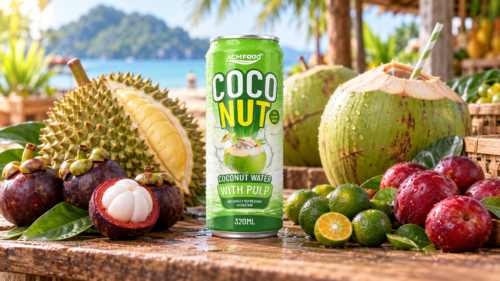
ACM Beverage has positioned itself at this intersection with its Korean-style low-sugar coconut water juice drink. The product, available in 250ml cans, combines the natural benefits of coconut water with a proprietary formulation that reduces sugar content while maintaining authentic taste. This approach aligns with global regulatory trends and consumer expectations. For B2B partners, such products represent a bridge between mass-market and niche functional offerings. The potential for portfolio differentiation is substantial, especially in regions where traditional sugary beverages face declining sales.

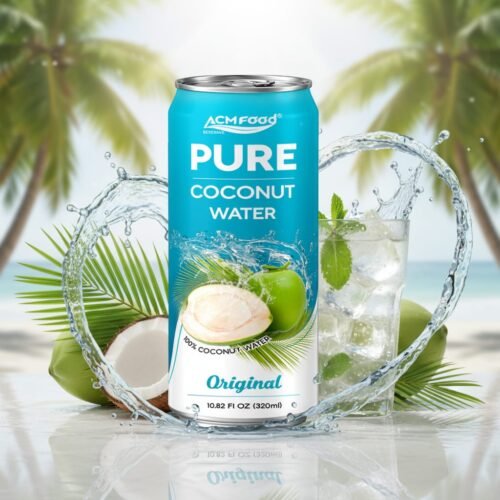
ACM low-sugar coconut water can with fresh coconut and tropical background
ACM’s low-sugar coconut water: natural hydration in a sleek can.

Consumer Behavior and Health Trends

Low-sugar coconut water appeals to a broad demographic, from athletes seeking rapid rehydration to office workers looking for a midday energy lift. The functional beverage market has seen a 12% annual increase in low-sugar SKUs, according to industry analyses. ACM’s formulation uses natural fruit extracts to deliver sweetness, avoiding artificial sweeteners. This clean-label approach resonates with a generation wary of additives. For importers, this means a product that aligns with both health claims and taste expectations—a rare combination in the crowded beverage aisle.

The Korean influence adds a layer of premium appeal. Korean beverage trends often lead innovation in Asia, with flavors and formulations that later gain global traction. By leveraging this cachet, ACM offers a product that stands out on shelves. For distributors in Europe and North America, it provides a point of difference from standard coconut water brands. The packaging—a sleek 250ml can—also taps into the convenience trend, ideal for on-the-go consumption. As market analysts note, the convergence of functional benefits and cultural innovation is driving the next wave of growth in RTD beverages.

ACM’s Korean-Inspired Formulation: A Blueprint for Health-Conscious Consumers

At the heart of ACM’s product strategy is a commitment to functional benefits without compromise. The ACMfood Coconut Water Juice Drink 250ml Low Sugar Korean Beverage uses real coconut water and natural juices to create a balanced electrolyte profile. Each serving provides potassium, magnesium, and vitamin C, supporting hydration and immune health. With only 35 calories per can, it fits neatly into low-calorie diet plans, a key consideration for health-focused retailers.

Clean-label positioning is reinforced by transparent ingredient sourcing. ACM sources coconut water from sustainable farms in Southeast Asia, then processes it using aseptic technology to preserve freshness. The low-sugar claim is achieved through a precise blending of coconut water with green tea extract, which adds subtle flavor and antioxidants. This R&D investment ensures the product meets FDA and EU labeling standards, simplifying regulatory compliance for international buyers. For OEM partners, the formulation is fully customizable—adjusting sweetness levels, adding vitamins, or creating unique flavor blends.

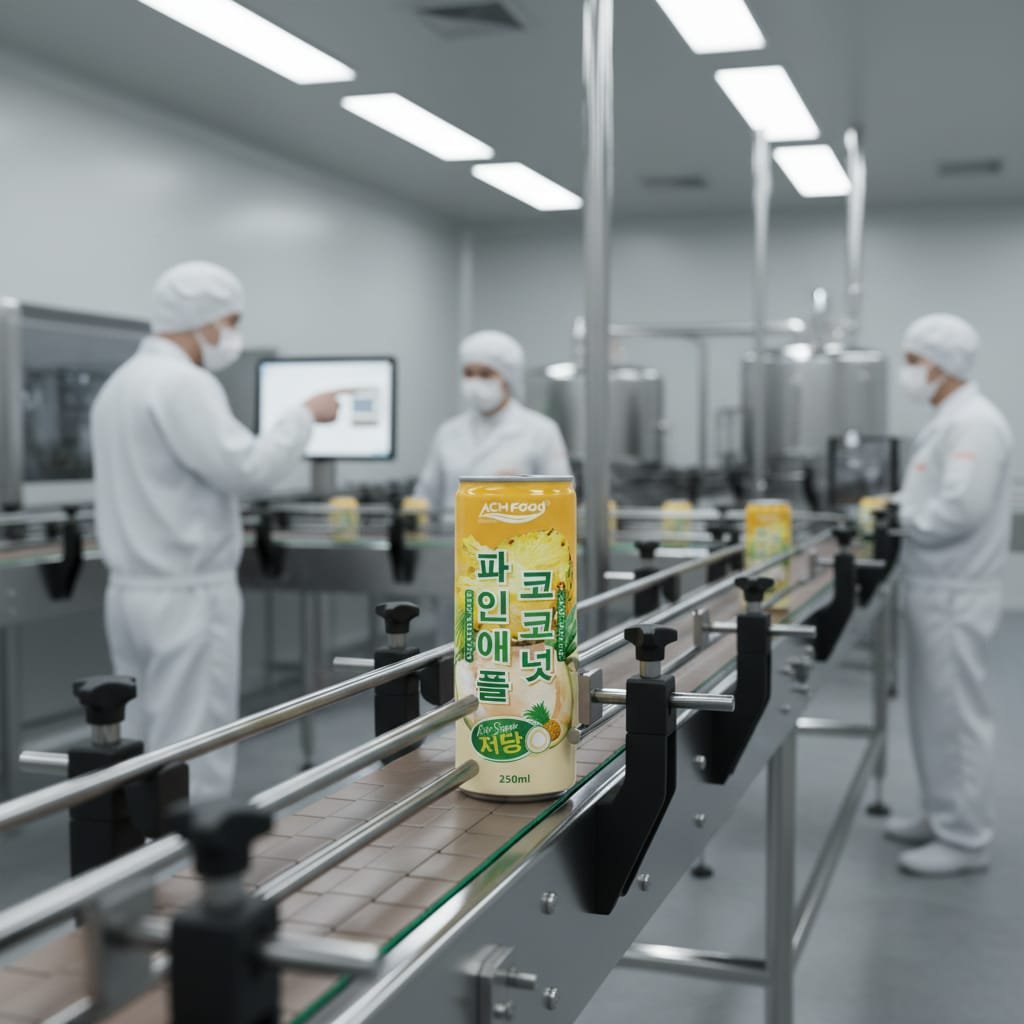
ACM beverage production line for low-sugar coconut water OEM
ACM’s OEM production: precision manufacturing for global partners.
For illustrative purposes only

Private Label and Customization Opportunities

ACM’s production facility in Vietnam offers full turnkey solutions for private label brands. From concept to delivery, the company handles product development, packaging design, and logistics. MOQ starts at 20,000 cans per SKU, making it accessible for mid-sized distributors testing new markets. Flexibility in packaging—cans, PET bottles, or pouches—allows partners to target specific retail channels. For example, the 250ml can is ideal for vending machines and convenience stores, while larger formats suit family packs. This adaptability is crucial in a market where shelf space is finite and competition fierce.

The Korean heritage of the drink is not merely a label; it’s a manufacturing methodology. ACM employs quality control processes inspired by Korean beverage standards, including multi-stage filtration and micro-biological testing. This ensures a consistent product batch after batch, essential for building brand trust. For importers concerned about supply chain reliability, ACM operates a vertically integrated system with cold chain storage and direct port access, reducing lead times to major markets like the US and EU.

OEM Flexibility: How ACM Partners with Global Brands to Scale Functional Innovation

In a market defined by rapid innovation, OEM agility becomes a competitive advantage. ACM’s low-sugar coconut water drink serves as a platform for private label development. The company’s R&D team can adapt the base recipe to include functional ingredients like collagen, probiotics, or electrolytes tailored to regional trends. For a distributor targeting the Middle East, ACM can add pomegranate flavor and halal certification. For a European chain, they can emphasize organic certification and recyclable packaging.

This OEM model reduces time-to-market for partners who might lack internal manufacturing capabilities. ACM’s experience in exporting to over 30 countries provides insights into local regulations and consumer preferences. The company also offers co-branding options, where the partner’s logo appears alongside the ACM branding, leveraging both reputations. For buyers, this means a faster path to revenue without the capital expenditure of building a production line. The strategic advantage is clear: test multiple SKUs with minimal risk, then scale up based on performance data.

Distributors evaluating OEM partners should prioritize those with proven track records in functional beverages. ACM’s portfolio includes not only coconut water but also other health-oriented drinks such as aloe vera, rice milk, and fruit blends. For example, their milk drink category demonstrates versatility across dairy and non-dairy segments. This breadth allows partners to consolidate sourcing, reducing logistics costs. In a market where margins are tight, consolidating SKUs from a single certified manufacturer can improve profitability.

Navigating Export Opportunities in the Functional Beverage Space

The global demand for low-sugar coconut water is not uniform; it varies by region. North America and Europe lead in health-conscious consumption, while Asia Pacific grows rapidly due to rising disposable incomes and heat stress. ACM’s product is already positioned to serve all these markets, with documentation that meets FDA requirements for the US, EFSA for Europe, and HALAL for Islamic markets. For entrepreneurs entering the functional drink space, understanding these nuances is vital. The fresh coconut water from ACM category provides a range of options for different regulatory zones.

Logistics partnerships are another critical factor. ACM has established relationships with major freight forwarders, offering sea and air options with temperature control. The 250ml can design is stackable and lightweight, minimizing shipping costs per unit. For high-volume orders, ACM can arrange direct container loading (FCL), reducing handling damage. Smaller shipments are possible through groupage services. This flexibility allows both large importers and regional wholesalers to access the product without excessive inventory commitments.

The functional beverage market is crowded, but low-sugar coconut water stands out due to its mass appeal and proven health benefits. ACM’s Korean innovation adds a storytelling element that resonates with modern consumers. For B2B buyers, the key takeaway is that partnering with a manufacturer who can offer customization, quality control, and export expertise is the fastest route to capturing market share. As the sector continues to evolve, early movers with the right product portfolio will define the next decade of hydration.

The Future of Functional Hydration: Key Takeaways for Industry Leaders

For distributors evaluating their next move, the low-sugar coconut water segment offers clear advantages. It combines established consumer acceptance with growth potential. ACM’s product line demonstrates how to deliver on health trends without sacrificing taste. The company’s OEM capabilities mean that any brand can enter this space with minimal friction. The critical question is not whether to invest in functional beverages, but how quickly to act.

Forward-thinking importers should consider three actions: first, request samples of ACM’s low-sugar coconut water to test with local audiences; second, discuss private label options to create a unique brand identity; third, leverage ACM’s export logistics to minimize supply chain risks. With the right strategy, low-sugar coconut water can become a pillar of a diversified beverage portfolio. The market is ready—are you?

Frequently Asked Questions about Low-Sugar Coconut Water and Functional Beverages

What makes low-sugar coconut water a functional beverage?

Low-sugar coconut water is classified as functional because it provides natural electrolytes (potassium, sodium, magnesium) for hydration without added sugars. Its low calorie count and clean label appeal to health-conscious consumers, distinguishing it from traditional sports drinks.

How does ACM achieve a low-sugar profile while maintaining taste?

ACM uses a proprietary blend of coconut water with natural fruit extracts and green tea. This formulation balances sweetness and enhances flavor without adding refined sugar. The process preserves the natural coconut taste while reducing sugar content by up to 50% compared to standard coconut water.

What are the key benefits for B2B partners working with ACM?

Partners gain access to a turnkey OEM solution with low MOQs, customizable recipes, and international compliance documentation (FDA, EU, Halal). ACM provides end-to-end support from product development to logistics, enabling rapid market entry and brand differentiation.

Which export markets hold the most potential for low-sugar coconut water?

North America and Europe remain strong markets due to high health awareness. However, rapid growth is emerging in the Middle East and Asia Pacific, where rising heat and disposable incomes drive demand for premium hydration. ACM’s product is certified for all major blocks, simplifying entry.

Can ACM adapt the coconut water drink for specific regional tastes?

Yes, ACM’s R&D team can modify the base recipe to include local fruits (e.g., lychee, mango), adjust sweetness levels, or add functional ingredients like vitamins or collagen. The packaging can also be customized (can size, label design) to align with regional retail preferences.

What quality control measures does ACM implement for OEM production?

ACM follows Korean-inspired QC protocols including multi-stage filtration, micro-biological testing, and aseptic filling. Each batch is tested for consistency and safety before shipment. The facility is certified under ISO 22000 and maintains traceability from raw material to delivery.

Related blogs insights

FRUIT JUICE NFC

The NFC Juices represent the highest quality juice in our range. NFC means Not From [...]

1 Comment

The Strategic Rise of 100 Orange Juice in the Global RTD Beverage Market

Explore the strategic rise of 100% orange juice in the global RTD market. Analysis of [...]

SeaMoss Beverage Innovation Fuels Functional Drink Market Growth

Explore the innovation behind sea moss beverage growth in the functional drink market. Analysis for [...]

1 Comment

Discover Thanksgiving: The Heart of Gratitude and Unity in America

Contents1 1. What is Thanksgiving?2 2. The Historical Origin of Thanksgiving3 3. The Profound Meaning [...]

1 Comment

Choose Noni, Choose Health – Natural Food for All Ages

Contents0.1 Noni Flavor1 I. Noni: A popular health supplement worldwide1.1 II. Noni Products1.1.0.1 1. Noni [...]

1 Comment

The Benefits of Drinking Aloe Vera Juice

Aloe vera juice benefits: Aloe vera juice first and foremost contains antioxidants, or substances that [...]

1 Comment

Leave a Reply

Your email address will not be published. Required fields are marked *