
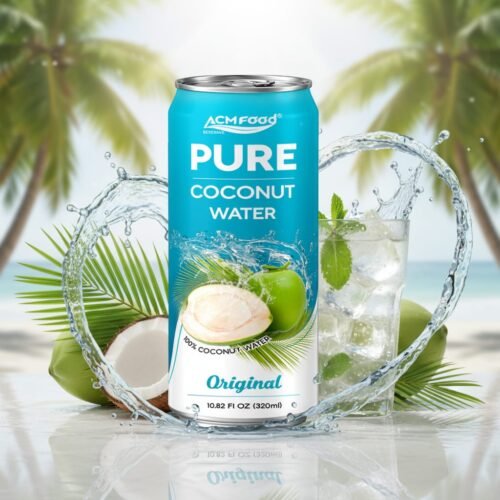

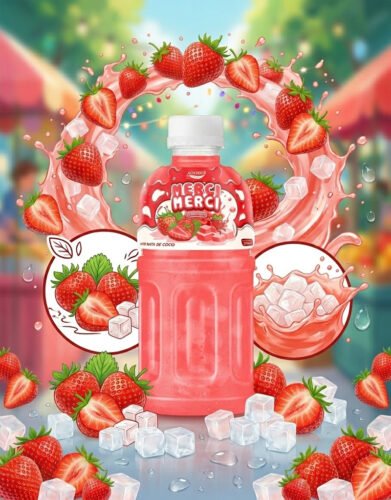
Flavored vs unflavored coconut water comes down to what is added to the coconut base. Unflavored coconut water, often sold as “original” or “100% coconut water”, contains only coconut water and tastes light, gently sweet and slightly mineral. Flavored coconut water adds fruit juice, natural flavours or other ingredients such as tea or coffee, which changes the taste, often the sugar content, and always the ingredient list.
This comparison covers taste, ingredients, sugar, labelling, uses and who each style suits. It is written for shoppers deciding which one to buy and for retailers and brand owners deciding how to balance the two in a range. Because recipes differ between brands, the points below describe general differences; the label of each product remains the final reference.
What is the difference between flavored and unflavored coconut water?
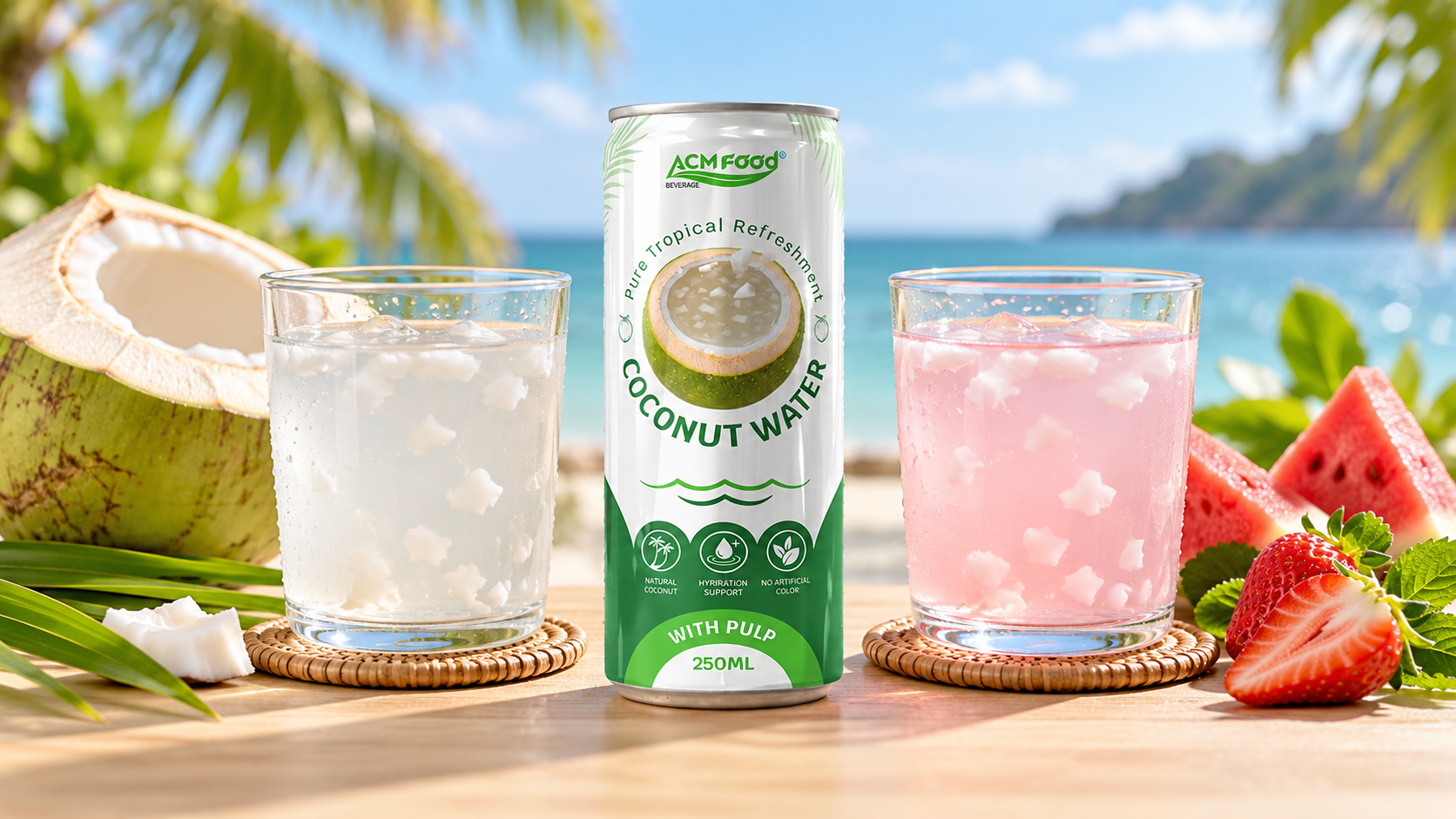
Unflavored coconut water is coconut water alone, while flavored coconut water is coconut water combined with other taste ingredients. The coconut base is the same idea in both, but flavoured versions are designed to taste of fruit, tea, coffee or botanicals as well as coconut.
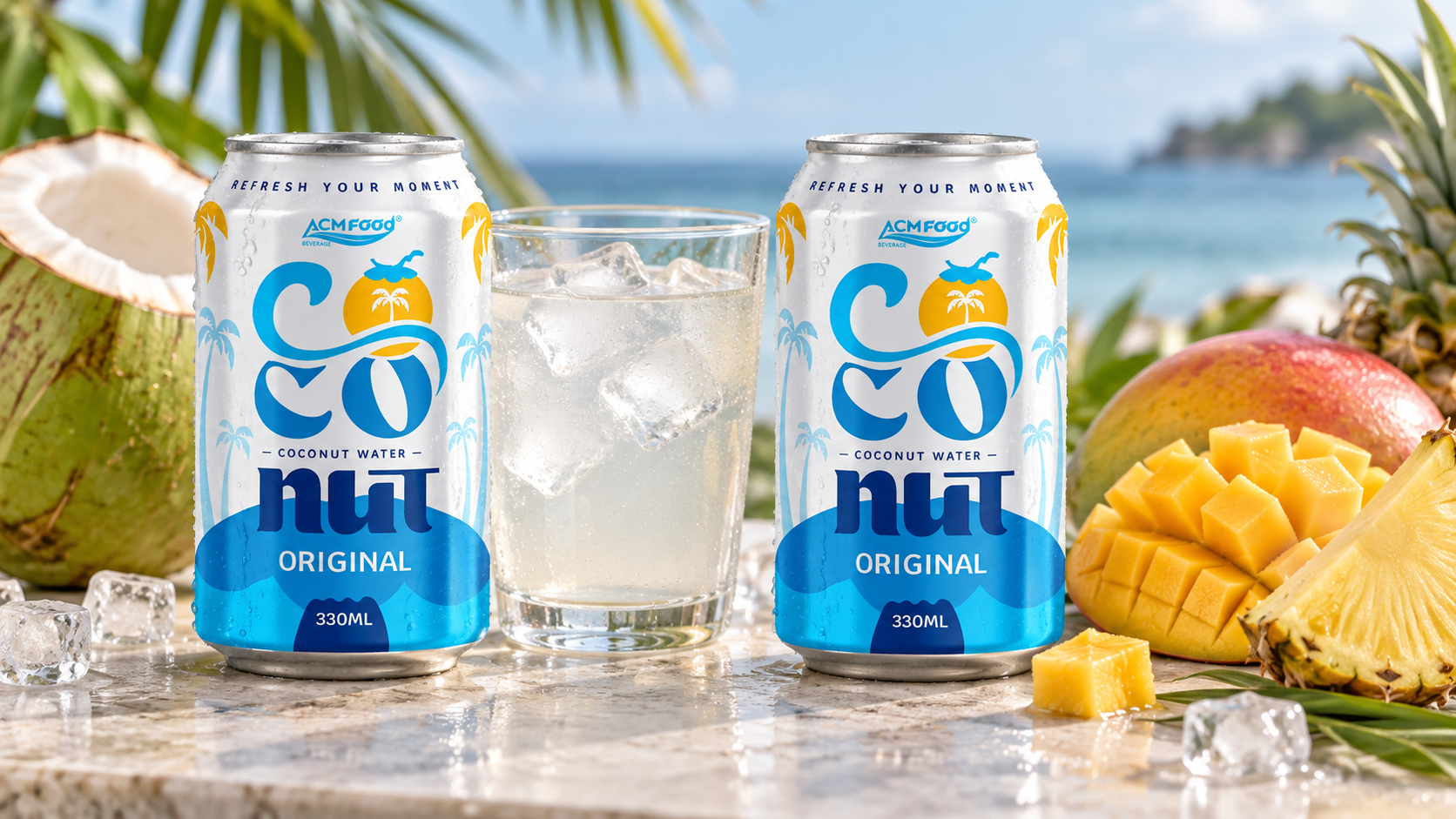
Unflavored products may be labelled “original”, “pure”, “natural” or “100% coconut water”. Flavored products are usually named after the added taste, for example coconut water with pineapple, mango coconut water or coconut water with lime. Some flavoured products are still mostly coconut water with a small amount of juice or flavour; others contain a larger share of fruit juice and taste closer to a juice blend.
How do they compare on taste?
Unflavored coconut water tastes subtle: lightly sweet, slightly nutty and faintly salty, with a clean finish. Flavored coconut water tastes more pronounced, with the added fruit or other flavour leading and the coconut providing body and a light sweetness underneath.
- Unflavored suits people who like a natural, understated drink and want to taste the coconut itself.
- Fruit-flavored versions suit people who find plain coconut water too mild or too salty.
- Tart flavours such as lime or calamansi make the drink feel crisper and less sweet.
- Tropical flavours such as mango, pineapple or lychee make it taste sweeter and more juice-like.
- Non-fruit flavours such as coffee or matcha create a different drink occasion altogether.
Flavored vs unflavored coconut water at a glance
| Point of comparison | Unflavored (original) | Flavored |
|---|---|---|
| Ingredients | Coconut water only | Coconut water plus juice, natural flavour, tea, coffee or other ingredients |
| Taste | Light, gently sweet, slightly mineral | Led by the added flavour; often sweeter or more tart |
| Sugar | Only the coconut’s natural sugars | Natural sugars plus any sugars from juice or added sugar |
| Label claims | “100% coconut water” is possible when nothing is added | Cannot be called 100% coconut water; names must reflect the added ingredients |
| Best uses | Drinking plain, smoothies, cooking, mixing | Drinking as a flavoured refreshment, mocktails |
| Who it suits | Shoppers who read labels closely and like natural taste | New coconut water drinkers and those wanting variety |
Does flavored coconut water have more sugar?
Often, but not always. Flavored coconut water has more sugar than unflavored when the recipe includes added sugar or a significant amount of fruit juice. Versions flavoured with natural flavour only, or with tart fruits, can be close to the original in sugar content.
The only reliable way to compare is the nutrition panel. Look at total sugars per serving and per 100 ml, and, where the market requires it, the added sugars line. A product labelled “no added sugar” still contains the natural sugars of coconut water and any fruit juice used.
Is flavored coconut water healthy?
Flavored coconut water can be part of a varied diet, but whether it suits you depends on its recipe. A flavoured product with no added sugar and a short ingredient list is close to plain coconut water; one with added sugar is closer to a sweetened soft drink in that respect.
Both styles contain the potassium and other minerals naturally present in coconut water, though amounts vary by product. Neither style should be treated as a medical or sports nutrition product. For people managing sugar intake, unflavored coconut water or a flavoured version without added sugar is the simpler choice, always within a sensible portion.
How to read the label on flavored and unflavored coconut water
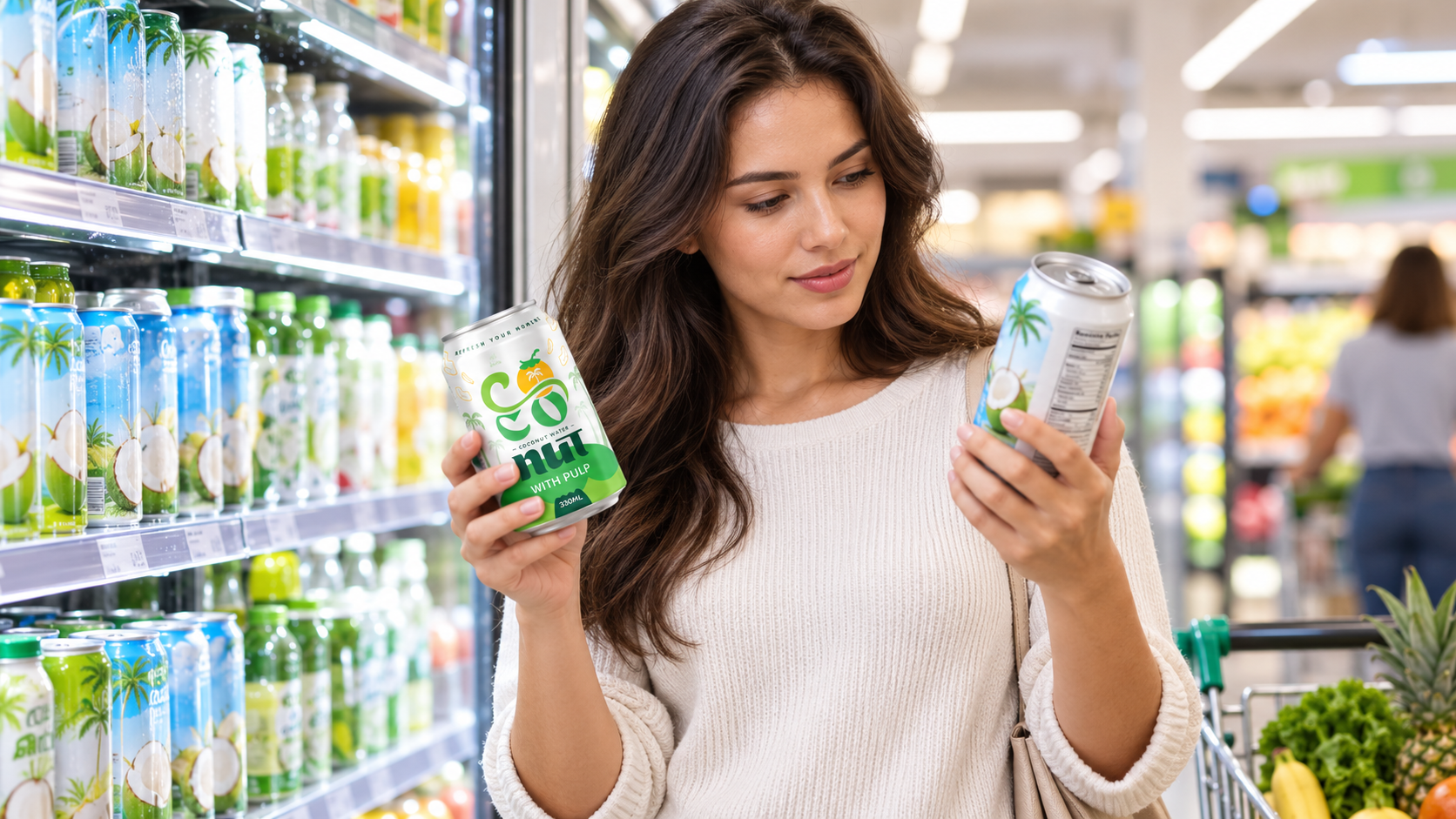
The front of the pack tells you the style; the back tells you what is inside. Five checks make the comparison easy.
- Ingredient order: ingredients are usually listed by quantity. Coconut water should come first in both styles.
- Source of flavour: “fruit juice” or “fruit puree” means real fruit is present; “natural flavour” means the taste comes from flavourings.
- Juice percentage: some markets require the share of fruit juice or coconut water to be stated, which helps compare products.
- Sugar lines: compare total and added sugars per 100 ml rather than per pack, since pack sizes differ.
- Other additions: acids, colours, sweeteners, pulp, carbonation or functional ingredients change the product and should match your preference.
When to choose each style
Choose unflavored coconut water when you want the natural taste, the shortest ingredient list or a versatile base for recipes. It mixes well into smoothies, iced coffee, mocktails and cooking because it does not add a competing flavour.
Choose flavored coconut water when you want a ready-made refreshing drink with more character, or when introducing coconut water to people who are not yet used to its taste. Sparkling flavoured versions add another layer of refreshment; our article on sparkling coconut water with blueberry shows how fruit and carbonation work together.
How are flavored and unflavored coconut water made?
Both styles start the same way: young coconuts are selected, opened hygienically, and the water is extracted and filtered. The difference begins at the blending stage.
For unflavored coconut water, the filtered liquid moves straight to treatment and filling. The producer’s main task is protecting the natural taste, so speed from harvest to processing and careful heat treatment matter most. Because nothing masks the coconut, any variation in raw material shows clearly in the finished drink.
For flavored coconut water, the base is blended with the chosen ingredients before treatment. Fruit juices or purées add colour, body and acidity as well as flavour, while natural flavours add aroma with less effect on texture and sugar. Some recipes also need acidity adjustment so the drink tastes balanced and stays stable. Each new flavour is developed and tested on its own, since a flavour that tastes right on day one may fade or change colour during shelf life.
Is flavored coconut water more expensive than unflavored?
It can be, but not always. Flavored coconut water involves extra ingredients and development, which can raise cost, yet the coconut water itself is usually the main ingredient in both. Juice-heavy recipes and premium flavours such as some exotic fruits tend to cost more, while flavours based on small amounts of natural flavour can be close to the original in price.
For retailers, price per litre on shelf often depends more on pack size and brand positioning than on whether the product is flavoured. Comparing the same pack size and brand tier gives a fairer view of the flavour premium.
Serving ideas for each style
The two styles shine in different ways, so having both in the fridge covers more occasions.
- Unflavored: blend into fruit smoothies, pour over ice with a squeeze of lime, use as a base for iced coffee or matcha, or cook rice and braised dishes with it for gentle sweetness.
- Fruit-flavored: serve chilled straight from the can, mix with sparkling water for a lighter spritz, or use as a ready-made base for alcohol-free punches.
- Tart flavors such as lime or calamansi: pair with grilled or spicy food, where their acidity refreshes the palate.
- Sweeter tropical flavors such as mango or lychee: serve as an afternoon treat or alongside fruit desserts.
What this means for retailers and brand owners
Most successful coconut water ranges include both styles, because they attract different shoppers. The original version anchors the range and builds trust with label readers, while flavoured versions recruit new drinkers and create reasons to try again.
Points to consider when balancing a range:
- Lead with the original: a well-made unflavored product signals raw material quality and supports the whole range.
- Choose flavours by market: tropical flavours often perform well where consumers know them, while familiar fruits may help in markets new to coconut water.
- Decide on the flavour source: real fruit juice and natural flavour differ in taste, colour, stability, cost and label wording.
- Plan sugar positioning: decide early whether flavoured products will carry “no added sugar” claims, and confirm the rules in each destination market.
- Keep the range focused: a few strong flavours usually sell better than many slow ones.
Carbonated options can extend a range further; our overview of sparkling coconut water production and formulation explains what changes when bubbles are added.
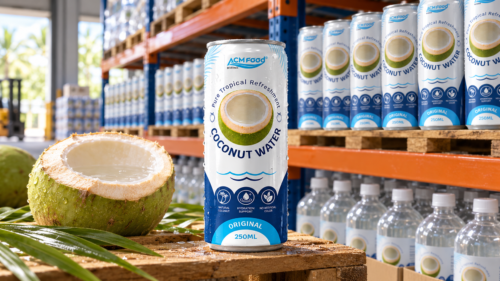
The ACM FOOD coconut water line from ACM Beverage includes an original version alongside a range of flavoured options, so brands and importers can evaluate both styles side by side through samples.
FAQ about flavored vs unflavored coconut water
Is original coconut water the same as unflavored?
Usually yes. “Original” is the common retail name for coconut water without added flavours, though checking the ingredient list confirms it.
Can flavored coconut water be called 100% coconut water?
No. Once other ingredients are added, the product is no longer 100% coconut water, and its name should reflect the added flavour.
Which is better for smoothies?
Unflavored coconut water is the more flexible choice because it adds light sweetness and body without a competing flavour.
Why do some people prefer flavored coconut water?
Some people find plain coconut water too mild or slightly salty. Fruit flavours mask that note and make the drink taste more familiar.
Does flavored coconut water keep as long as unflavored?
Shelf life is set by the producer for each recipe and pack. Flavoured products are tested separately because fruit flavours and colours can change over time.
Can I flavor unflavored coconut water at home?
Yes. Adding a squeeze of citrus, a few berries or a splash of fruit juice to chilled original coconut water is an easy way to create your own flavour. Drink it the same day.
Conclusion
Unflavored coconut water offers the natural taste of coconut with the simplest ingredient list, while flavored coconut water adds fruit or other notes that make it more pronounced and sometimes sweeter. The label, particularly the ingredient list and sugar lines, shows how far a flavoured product moves away from the original. For most shoppers the choice is about taste and occasion; for brands, offering both styles usually reaches the widest audience.
If you are planning a coconut water range, ACM Beverage can provide samples of original and flavoured coconut water and discuss flavour sources, sugar positioning and labelling for your market.